

Enhanced multilateral engagement, cross-border interconnectivity deliver market stability
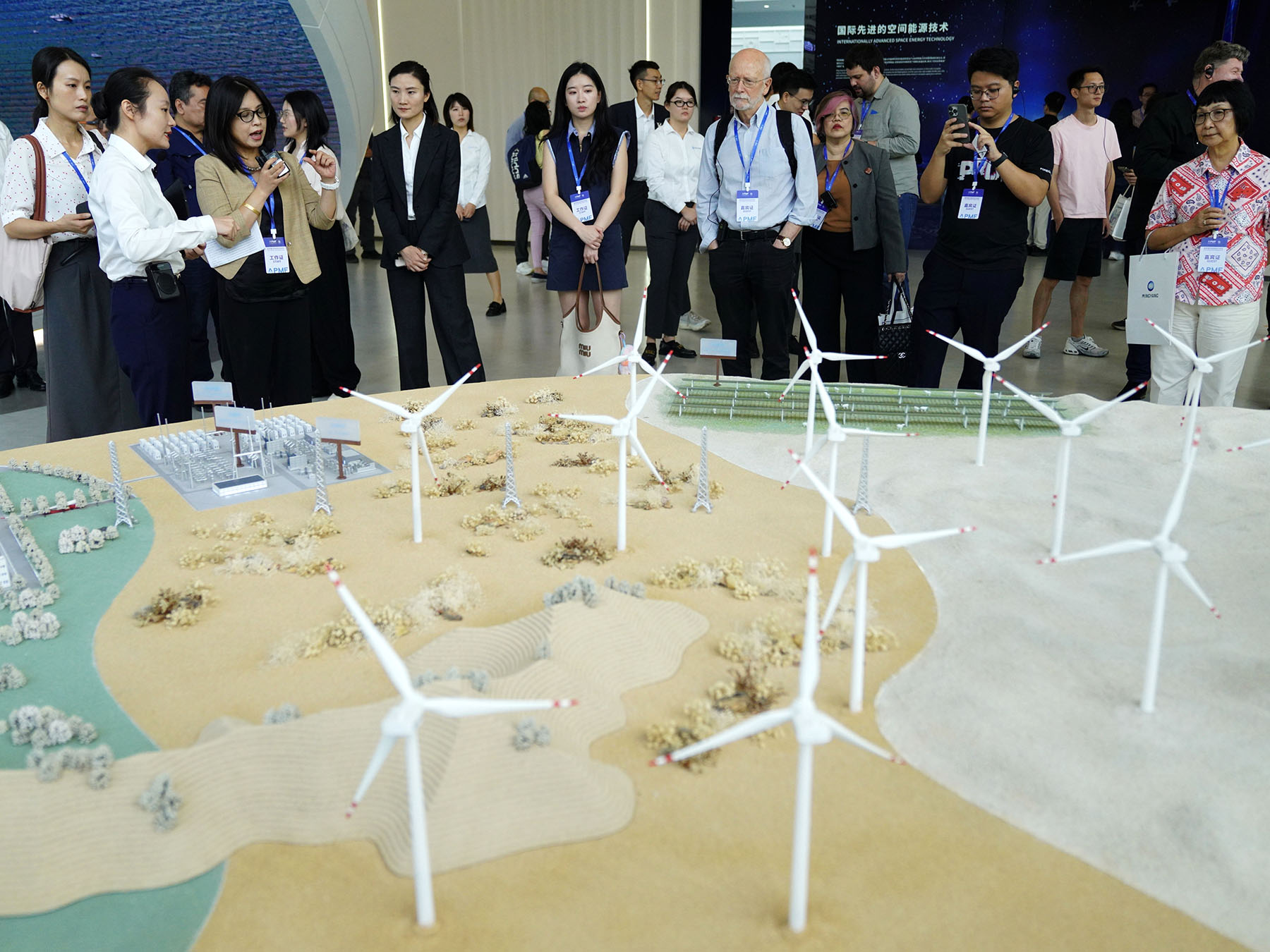
China is poised to play an increasingly important role in ensuring energy security and accelerating the low-carbon transition across the Asia-Pacific region, as it deepens its comprehensive multilateral engagements under the Asia-Pacific Economic Cooperation framework.
As global energy markets face persistent volatility and the urgency for sustainable development mounts, China's steady push for diversified, cross-border energy collaboration is rapidly emerging as a critical stabilizing force for regional economic prosperity, said industry experts and government officials.
"Interconnectivity is an important aspect of energy cooperation between China and other APEC economies, including pipelines, liquefied natural gas shipping and ultra-high voltage power transmission," said Lu Ruquan, president of the CNPC Economics and Technology Research Institute.
READ MORE: Meeting in Shenzhen key to buffer regional fuel woes
"Behind this interconnectivity lies deep, multidimensional cooperation encompassing investment, trade and policy coordination."
Lu said this cooperative approach seamlessly bridges traditional energy, renewables and power infrastructure. By connecting the entire industrial chain, China has helped cultivate a regional energy ecosystem defined by supply-demand complementarity, green technology empowerment and highly resilient supply chains.
This strategy deeply aligns with the shared core interests of all APEC member economies, serving as a vital anchor for forging multilateral alignment, he added.
This alignment is crucial given the area covered by member economies. APEC economies currently account for over 60 percent of global GDP and more than half of the world's energy consumption. With continuous manufacturing upgrades, digital infrastructure expansion, electrified transportation and rapid urbanization, regional power demand continues to surge.
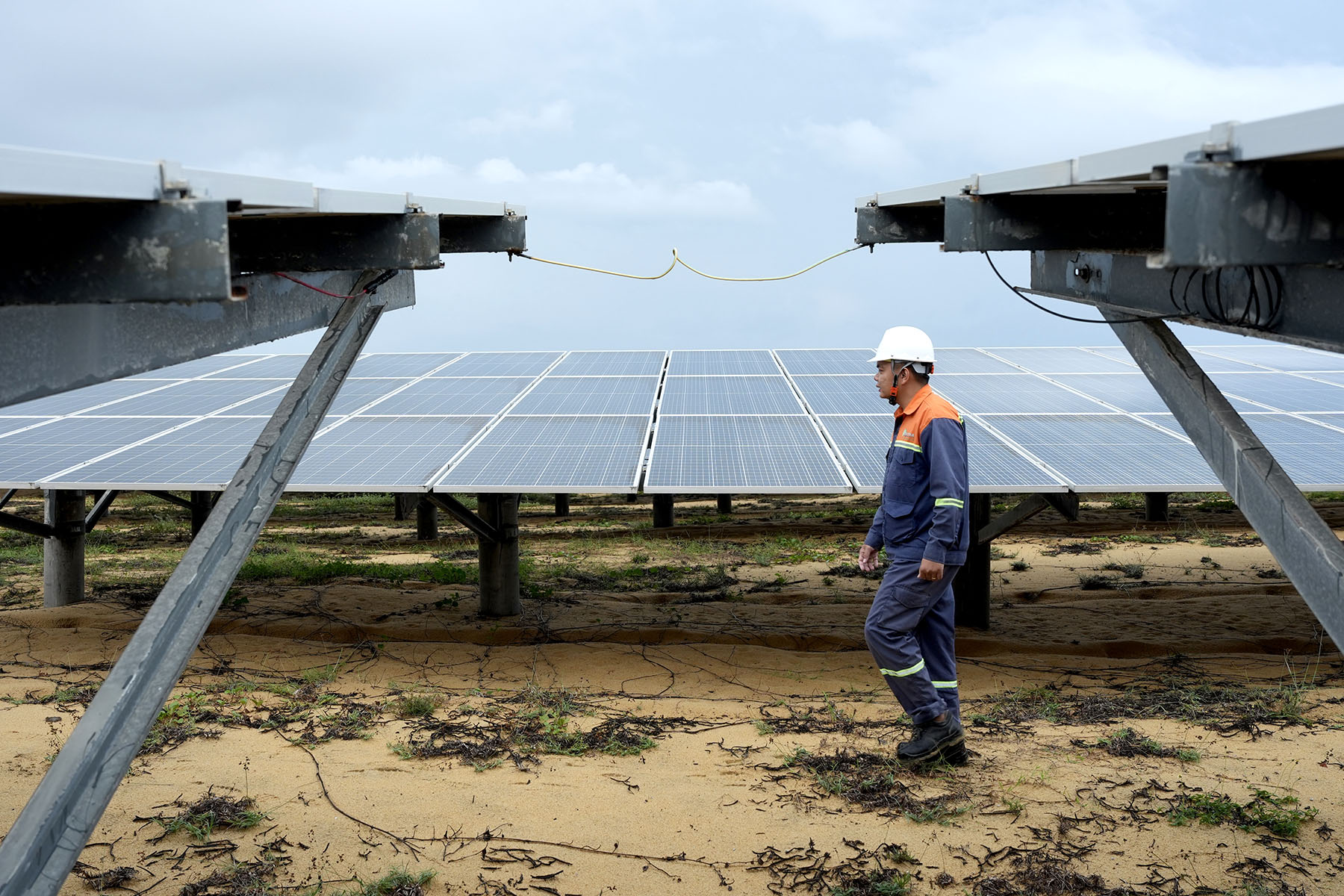
Simultaneously, global costs of photovoltaic and wind power plummeted by about 90 percent and 68 percent, respectively, from 2010 to 2024, rapidly shifting renewables from supplemental to primary energy sources.
The imperative for such integrated, resilient systems is growing. With the Asia-Pacific region importing over 45 percent of its crude oil and 23 percent of its natural gas from the Middle East, supply disruptions have exposed structural vulnerabilities, said Wang Hongzhi, head of the National Energy Administration.
This heavy reliance makes regional cooperation more critical than ever, Wang said.
As the world's largest energy producer and consumer, China has successfully shielded its domestic market from price shocks while ensuring reliable supplies, thereby making vital contributions to the broader stability of global energy markets, Wang said, adding that China is now actively translating its successful domestic practices in energy resilience into a shared regional consensus.
Chinese firms are actively financing and building this physical regional connectivity. Notable milestones include the establishment of 16 cross-border transmission lines with ASEAN member states neighboring China, China Southern Power Grid's expansion of power distribution networks in Peru and the Edra power plants in Malaysia developed by China General Nuclear Power Corp.
ALSO READ: APEC comes to Shenzhen: Where ‘China Opportunity 2.0’ meets the world
Furthermore, clean energy pioneers such as BYD are exporting utility-scale floating offshore wind and advanced battery storage solutions to markets ranging from Indonesia to Chile.
Over the past dozen years, China has consistently deepened its role in APEC energy partnerships, said the NEA.
Topping all member economies, China has led 57 APEC energy fund initiatives during this period, delivering impactful policy frameworks on power grid resilience, low-carbon urban development and data management.
Moving forward, the NEA said China will prioritize diversified supply sources and continue sharing scalable, low-carbon engineering practices. This ongoing commitment aims to help APEC economies hit their collective renewable and efficiency targets, ensuring a robust and inclusive energy buffer for the entire region.
Contact the writers at zhengxin@chinadaily.com.cn
