

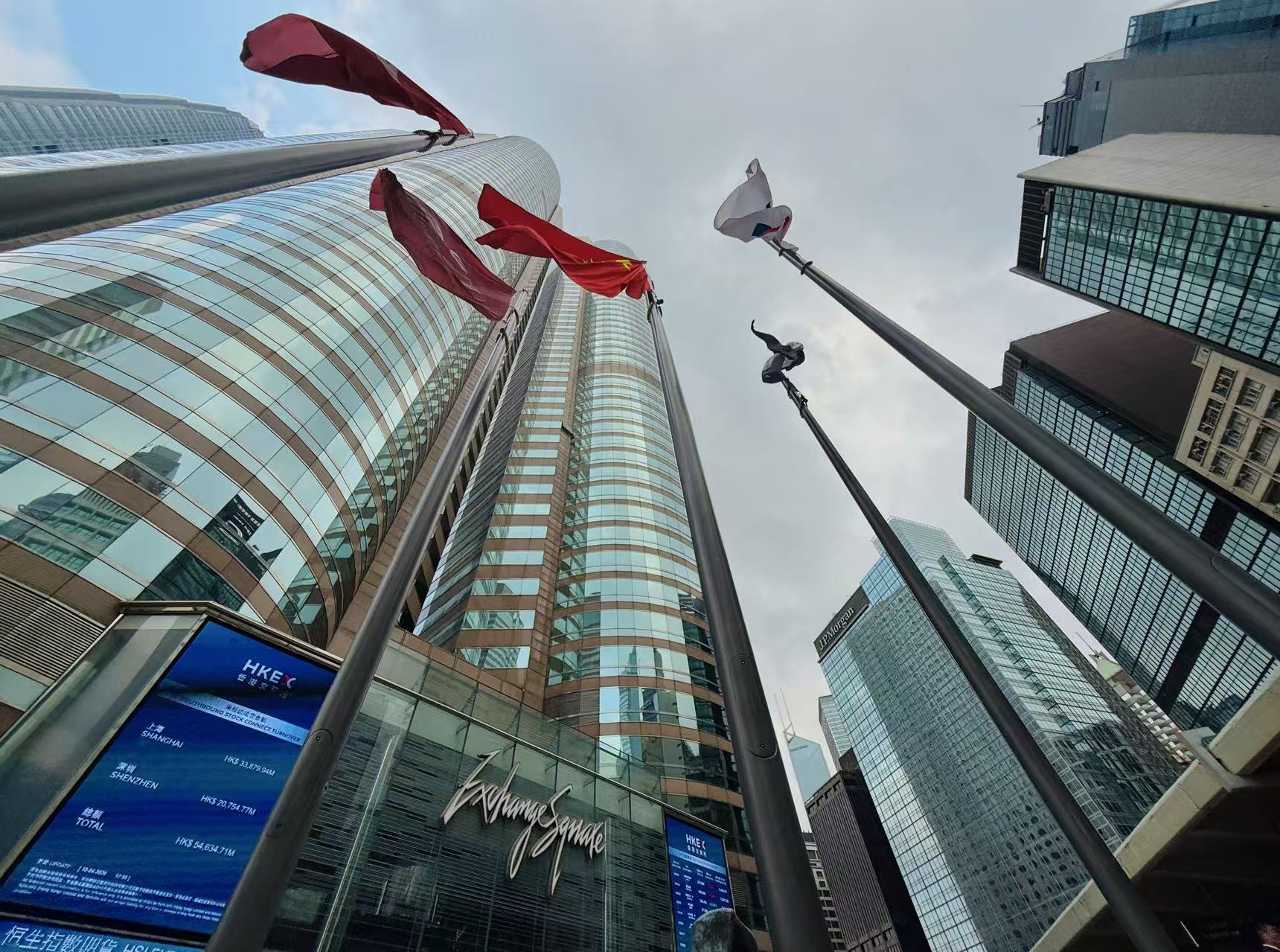
Hong Kong’s markets watchdog has stepped up scrutiny of initial public offerings in one of the broadest enforcement actions in the city’s history, signaling a new level of concern about some practices in the booming market.
The Securities and Futures Commission on Tuesday suspended a stock and restricted dealing in HK$4.7 billion ($599 million) of assets across 31 brokerages as it took action against what it called IPO-rigging syndicates.
It also warned banks further against arrangements that may artificially inflate demand for listings. In the same circular, the regulator listed what it sees as red flags when it comes to share sales.
“While most market participants play by the rules, intermediaries must remain alert to the warning signs associated with questionable arrangements, and challenge anything that does not add up,” SFC Chief Executive Officer Julia Leung Fung-yee said in the statement.
“The SFC will not hesitate to act against the few bad actors who seek to undermine a fair, orderly and quality market.”
RELATED ARTICLES
- HK regulator warns banks further on inflated IPO demand
- HK probes suspected IPO rigging, suspends Baicha stock
- Hong Kong regulator ramps up warnings over poor IPO filings
- AI deal frenzy powers Hong Kong fundraising to record summer
Hong Kong is in the midst of a bumper year for IPO proceeds, driven by a series of listings by Chinese companies along the artificial intelligence supply chain. As dealmaking ramped up, authorities have repeatedly warned of deal quality.
As the SFC warned market participants to be vigilant of “dubious arrangements,” here are the red flags the watchdog said can help identify potential issues:
Big loans
Listing companies make substantial payments, loans or investments in favor of investors or connected parties, often very soon after the prospectus is finalized.
Sponsors should disclose any changes in the listing document since the last date of audited balance sheet to ensure the book is “complete and not misleading,” the SFC circular said.
Friendly deals
Investors appear to be related to the company or executives, whose commitment to buy shares is “apparently made for business cooperation, investments or continued engagement.”
Syndicate banks should make inquiries with brokers on orders that “appear unusual or irregular,” or appear to be related to the issuer itself.
Boss’s hand
Bankers should be alarmed when the listing applicant is actively involved in investor selection, bookbuilding or allocation “beyond its ordinary role,” according to the circular.
In some cases, the allocations may go against the agreed marketing, investor targeting or allocation strategy. The SFC particularly highlighted cases when the chosen investors had opened accounts with one or a few brokers just recently ahead of the listing.
Last-minute orders
The regulator also warned to be vigilant when companies receive unusual orders, including big tickets submitted shortly before closing the book — especially those that are disproportionate with the investors’ financial profile.
Bankers should inquire before helping these investors place orders, the regulator said.
White gloves
One area of focus is arrangements to conceal ultimate investors, such as derivatives arrangements that provide exposure to the IPO shares with returns guaranteed by the issuer or the majority shareholder. In some cases, there are accounts of multiple investors controlled by the same entity.
While the price-to-list window shrunk to two days from five since 2023, limiting time to check bids, the SFC on Tuesday urged bankers to take all reasonable steps to verify the identity of investors and only allocate shares to those who comply with requirements.
Secret handshakes
The regulator warned that in some cases, companies have pre-agreed commitments or other undisclosed arrangements with pre-IPO investors. In some cases, even if genuine demand is weak, the offer size and timetable may not be adjusted to reflect the market.
Post-listing support
The SFC’s concerns extend to what happens to some stocks after the listing. Some arrangements may involve share concentration among designated investors, who have undisclosed arrangements concerning the company’s holdings or trading, including market capitalization maintenance or turnover generation, it said. Corporate funds may be channeled by listing applicants to investors or connected parties before or after listing, the regulator added.
These activities pointed to inflated demand of IPO shares and may form part of a broader arrangement extending into manipulative post-listing trading activities. For sponsoring bankers, it could mean the prospectus contains false, misleading or incomplete disclosures.
Penalties
With enforcement action under way and the SFC stepping up its warnings, the focus now turns to whether there will be penalties if anyone is found in breach.
In extreme cases, senior bankers can be held criminally liable, though the threshold to prove intent is high. For prospectus misstatements or material omissions, sponsors can be fined up to HK$700,000 or three years in prison. Those disseminating false or misleading information could be charged with market misconduct and fraudulent schemes, facing maximum penalties HK$10 million and a 10-year prison sentence.
Though Hong Kong has yet to dole out such harsh punishment, there have been cases of severe action. Bankers have been fined millions of dollars, reprimanded, banned from the market and banks have been suspended from IPO sponsoring work for various failures.
