

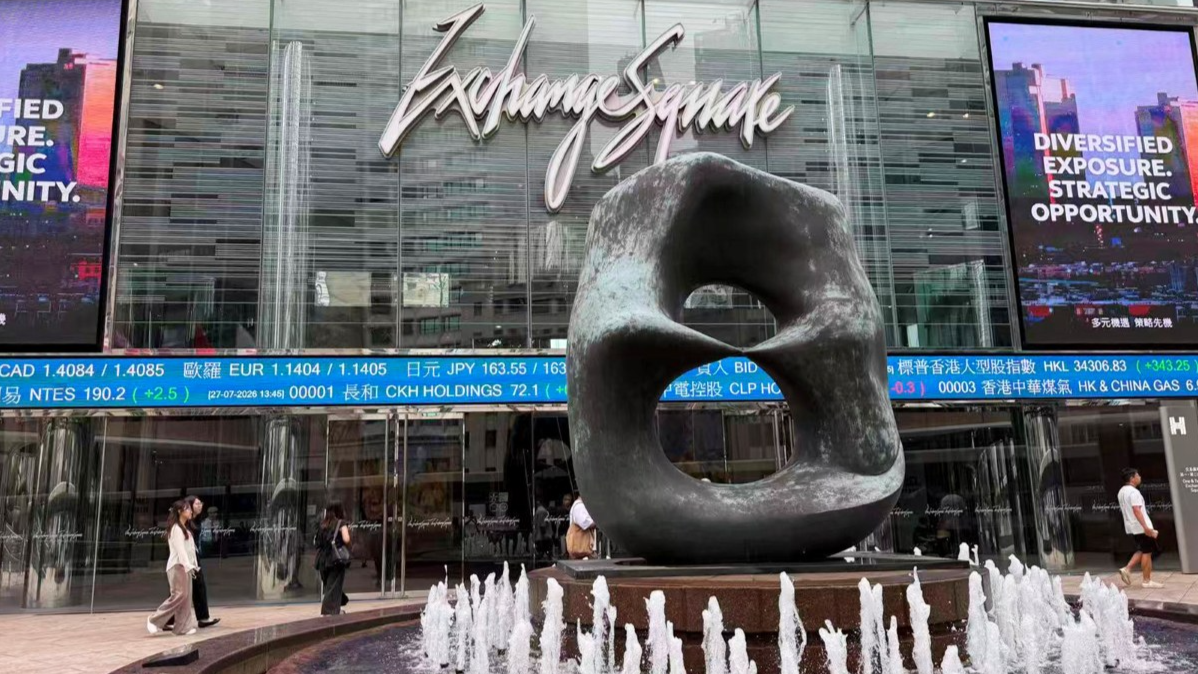
Hong Kong’s stock exchange is seeking to further relax rules for publicly traded companies to conduct deals, as the Asian financial hub pushes to enhance its competitiveness as a listing destination.
Hong Kong Exchanges & Clearing Ltd proposed classifying a deal as a “major transaction” when the value amounts to 50 percent of a company’s assets, revenue or other metrics, doubling the current threshold of 25 percent, according to a statement on Monday. For connected transactions, the threshold for classifying a “connected subsidiary” will rise from 10 percent to 30 percent of equity ownership.
ALSO READ: HKEX mulls additional measures to boost listing framework
For spinoffs, when the parent company has a market value of HK$10 billion ($1.3 billion) or more with a main business generating at least HK$1 billion in revenue, HKEX suggested offering a self-assessment route instead of seeking its pre-approval. The moratorium period will be shortened to one year from three after the parent company’s initial listing, enabling a much quicker “second generation” of listed companies.
“The goal is to reduce compliance costs and increase the flexibility of listed companies in corporate mergers and acquisitions, restructurings and spin-offs,” the city’s Chief Executive John Lee Ka-chiu said last Wednesday when he previewed the proposal in his policy address.
The new rules, if adopted, will allow listed firms to complete deals faster with less shareholder scrutiny. The public has until Nov 30 to comment on the proposal, HKEX said.
READ MORE: HKEX: Key platform for Central Asia’s dual-listings
Hong Kong’s stock market is on track for a record year for initial public offerings with more than $45 billion in deals, led by those focused on artificial intelligence and technology, according to data compiled by Bloomberg.
HKEX in July allowed confidential filings for all companies, expanding from just technology firms, to boost its appeal and match the practice in New York. It also eased the listing requirements for companies with dual-class share structures as part of its regulatory overhaul.
