

MUSCAT/TEHRAN/LONDON/BAGHDAD – A meeting between Iran and Gulf states scheduled to take place in the Omani city of Salalah on Monday has been postponed, according to a social media post by Omani Foreign Minister Sayyid Badr bin Hamad Al Busaidi on Sunday.
"In the interests of consensus the regional meeting set for tomorrow in Salalah has been postponed," Al Busaidi said on X.
"We remain committed to fostering dialogue that supports stability and lasting cooperation in our region," he added.
Confirming the meeting's deferral in an interview with Iran's official news agency IRNA, Mohammad Ali Bak, director general of the Persian Gulf at the Iranian Foreign Ministry, said it was postponed to another date at some regional countries' requests and based on a joint decision by Iran and Oman.
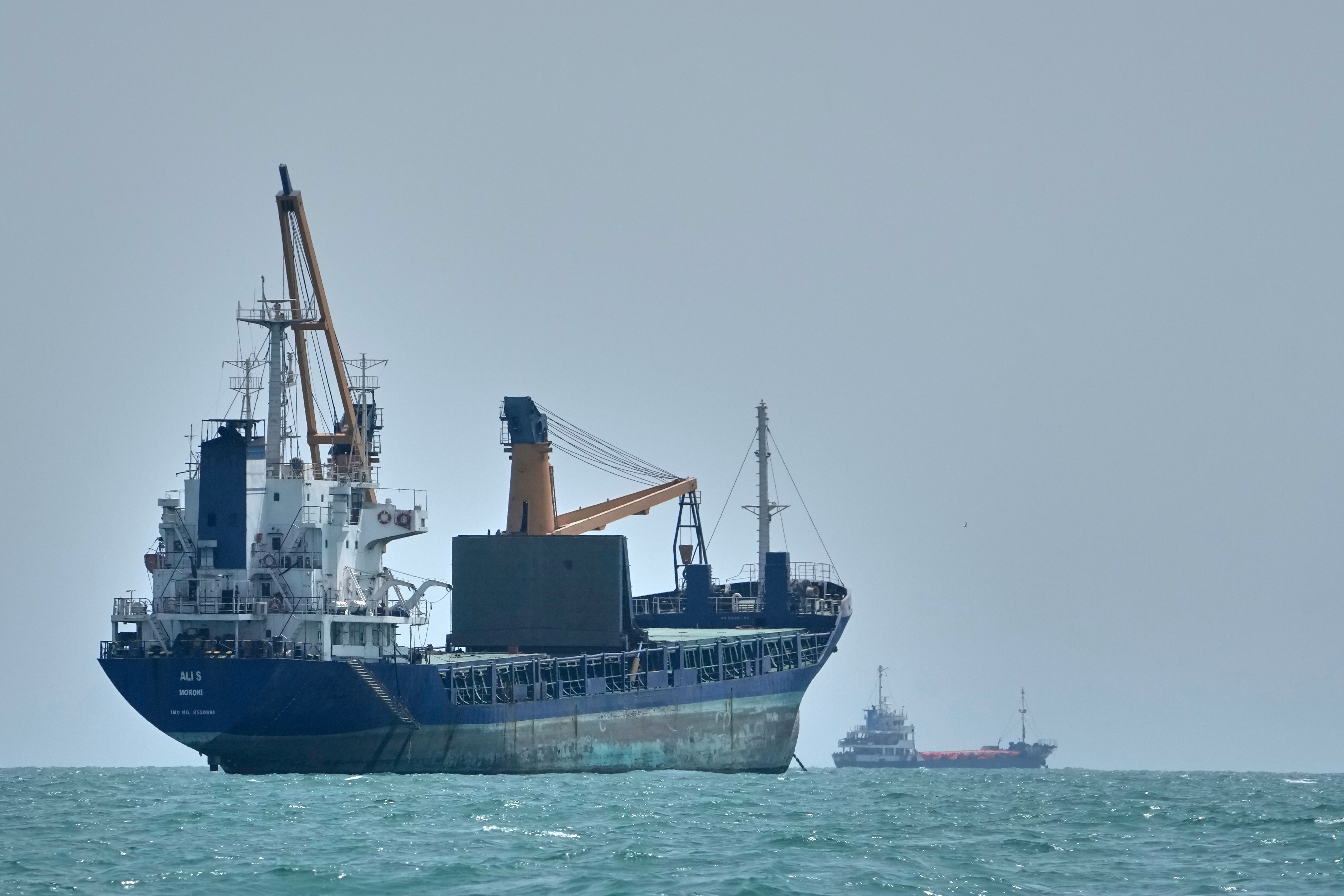
ALSO READ: 1 killed, 3 wounded as Iranian commercial ship hit in Hormuz Strait
The official stressed that Iran is in close consultations with Oman to ensure the necessary arrangements and coordination regarding the appropriate time for holding the meeting.
Iran's Foreign Ministry spokesman Esmaeil Baghaei announced on Friday that Gulf littoral states' foreign ministers were scheduled to meet in Oman on Monday to exchange views on regional issues, including the Iran-Oman talks on designating safe routes in the Strait of Hormuz.
Speaking to Al Jazeera on Saturday, Baghaei said the gathering would "hopefully" be attended by foreign ministers from Gulf states as well as Iran and Iraq.
Pezeshkian condemns US ‘war’ against Iranians
Also on Sunday, Iran's President Masoud Pezeshkian condemned the "war" waged by the United States against his country's infrastructure and the livelihoods of Iranians.
In a post on social media platform X, Pezeshkian once again reaffirmed that despite the US pressure and "bullying," Iran will not surrender.
"If Americans are warriors, let them face our valiant military forces. Why wage war on civilian infrastructure, food supplies, and livelihoods?" he said. "If they're human, why deny people access to water, food, and medicine? Our people can't be bullied into submission. Iran won't surrender."
ALSO READ: Pezeshkian: Iranians won't surrender to US economic pressure
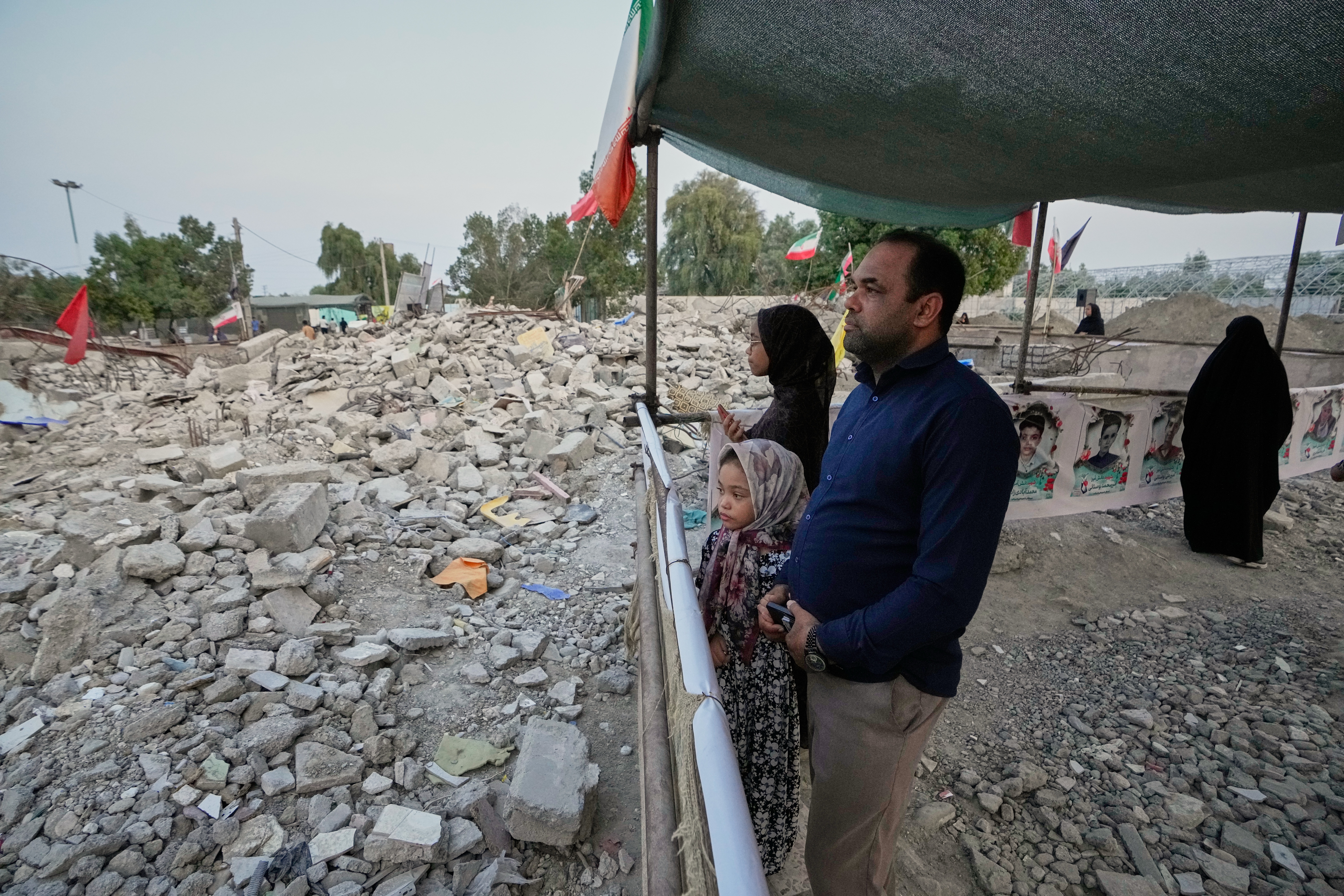
On Feb 28, Israel and the US launched joint attacks on Tehran and other Iranian cities, killing the country's then-Supreme Leader Ali Khamenei, military commanders and civilians. The US and Israeli attacks also caused considerable damage to Iran's civilian infrastructure.
Trump expects war with Iran to end after US midterm polls
US President Donald Trump said Sunday that he expected war with Iran to end this year, possibly after midterm elections due in the United States in November.
"It'll end right after the midterms. Gasoline's going to drop like a rock," Trump told reporters during a visit to Ireland.
"Iran wants to make a deal so bad. They are calling constantly. They want to make a deal. They've got to make the right deal. I'm not going to make a deal that's no good," he said.
ALSO READ: UN Security Council divided over reimposing sanctions on Iran
On June 18, the United States and Iran signed a memorandum of understanding on ending the war in the region. Under the memorandum, they were scheduled to hold negotiations within 60 days, which ended on Aug 17, to reach a final agreement, but the fate of the talks remains unclear following the recent escalation of hostilities between the two countries.
Iraq sets phased reopening for border crossings with Iran
Meanwhile, Iraq announced on Sunday a phased reopening of three major border crossings with neighboring Iran, following administrative and technical reviews to enhance security and streamline border movement.
According to a statement by the Security Media Cell (SMC), affiliated with the Iraqi Joint Operations Command, the decision was made under the directives of Iraqi Prime Minister Ali al-Zaidi to upgrade organizational and technical infrastructure at the Shalamcheh, Mandali, and al-Sheeb border crossings.
Under the schedule, passenger travel through the al-Sheeb and Shalamcheh border crossings resumed at 6 am on Sunday, while commercial trade activities at Shalamcheh will resume on Monday, followed by Mandali on Tuesday and al-Sheeb on Thursday, the statement said.
The SMC emphasized that trade and passenger movement with Iran at the Zurbatiyah and al-Munthiriya crossings have remained unaffected and continue to operate around the clock.
READ MORE: Iraq sacks commander over drone attacks on Saudi Arabia
On Saturday, Iraqi security authorities said that they had initiated administrative and security reorganization operations at several border crossings, necessitating their closure, to investigate security breaches.
The closures came after Al-Zaidi dismissed the Maysan Operations Commander on Saturday after authorities confirmed attacks targeting Saudi Arabia had been launched from a site in Maysan province in southern Iraq.
The Saudi Foreign Ministry said Friday that its East-West Pipeline was attacked by several drones launched from Iraq, causing injuries and damage.
The ministry noted that at the request of the Iraqi prime minister, the kingdom had refrained from responding at this stage.
Saudi Arabia has invested heavily in the East-West Pipeline, which carries crude oil from its eastern fields to the Red Sea port of Yanbu, bypassing the Strait of Hormuz.
