

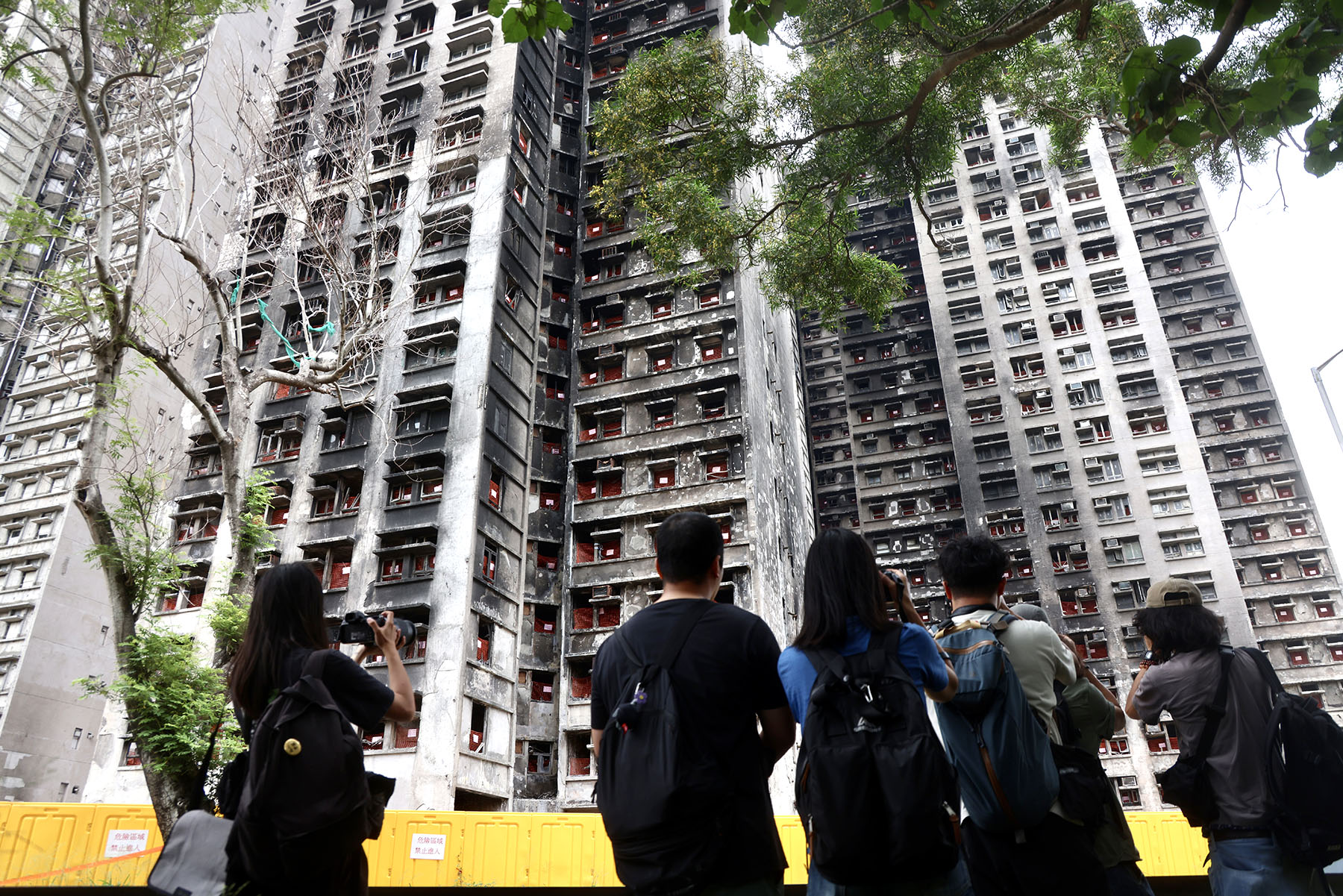
Much like its population, Hong Kong’s buildings are aging fast. As of 2025, 68 percent of private buildings were at least 30 years old, with that figure set to surpass 82 percent over the next decade. Safety concerns surrounding building upkeep reached a boiling point after a horrific 2025 fire at Tai Po’s Wang Fuk Court — which was undergoing renovation — cost the lives of 168 people in November.
To mitigate future risks, experts have recommended mandatory, regular preventive maintenance for older properties and the adoption of smart tools to maximize the longevity of newer structures.
Leveraging internet of things (IoT) sensors, artificial intelligence digital twins, and real-time analytics, Homegevity — a tech-driven smart maintenance model — has helped Cyberport's luxury Residence Bel-Air save over HK$1 billion in projected renovation costs.
Founder Allen Ha Wing-on compares Homegevity to a "data-driven building health physician”. The system prioritizes preventive diagnosis and full-lifecycle management over waiting for government inspections to trigger costly overhauls.
The Bel-Air residences comprise 2,700 units across 30 high-rise blocks, and have been occupied since 2004. By reallocating existing maintenance funds into predictive technology, the committee extended the buildings' lifespan without imposing extra fees on residents.
ALSO READ: How safe are Hong Kong buildings?
Ha, former CEO of AsiaWorld-Expo and convenor of the Bel-Air owners' committee, said that applying technology to building upkeep aligns with national smart-city goals, transforming facility management into a science-based discipline.
Critical of the traditional approach to aging infrastructure, Ha said that major building overhauls at the 30-year mark are a relic of the 1970s. Designed for single, low-rise buildings run by self-formed owner groups, this outdated model is ill-suited for modern, multi-tower estates and complex facilities worth billions.
In 2012, the government launched the Mandatory Building Inspection Scheme, requiring owners of private buildings aged 30 years or above to complete building inspections by a pre-agreed deadline and prescribe repair works upon completion of the inspections when buildings are selected as targets.
Ha warned that traditional overhauls (dai wai sau) carry risks far beyond financial strain. Construction in occupied residential complexes exposes residents to dust, noise, chemical fumes, structural hazards, and fire risks, taking a heavy physical and psychological toll.
Ha and industry experts warn that the model is not a one-size-fits-all solution, particularly for the city's aging stock. According to a Legislative Council Secretariat report, Hong Kong had nearly 25,000 private residential buildings aged 30 or more last year, with mandatory renovation expenditures reaching HK$31 billion ($3.95 billion).
READ MORE: Linn: HK construction accident rate down 20% in 2025 on smart tech
Lawmaker Julia Lau Man-kwan, president of The Hong Kong Institute of Architects, highlighted how modern technology can revolutionize upkeep. She said that Structural Health Monitoring systems, IoT sensors, drones, and 3D laser scanning can track structural movement, cracks, and the condition of the facade. Meanwhile, combining infrared thermography, AI image recognition, and CCTV drainage inspections allows teams to pinpoint root causes like seepage rather than apply temporary fixes.
While Lau advocates proactive maintenance, she also acknowledged that repairs are still overwhelmingly reactive.
"Technology isn't the hard part," Ha said, adding that the real challenge lies in shifting mindsets from "repair when broken" to "maintain to prevent".
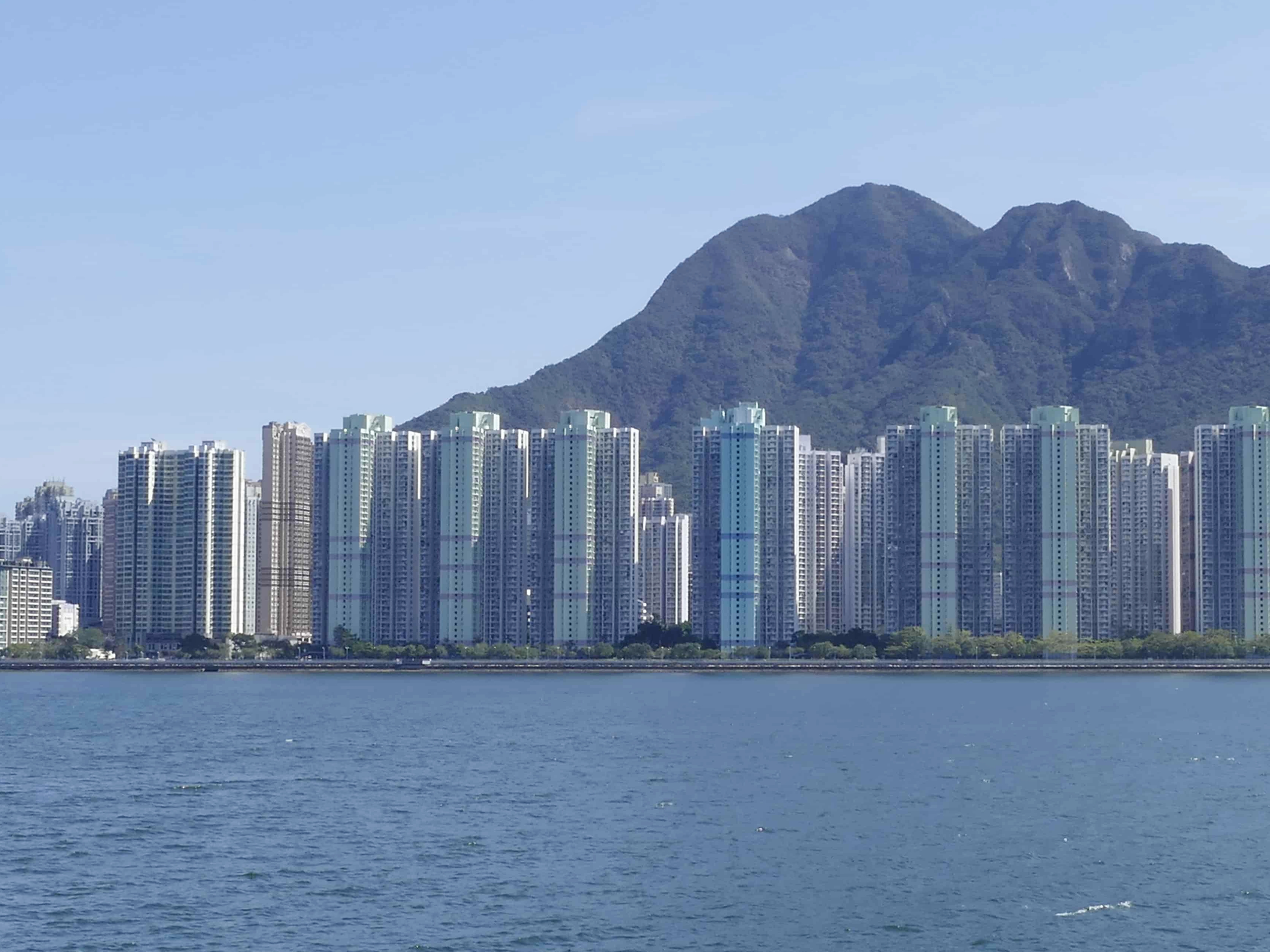
However, the Bel-Air model is not a simple fix for every property. Its success relied on adequate ongoing repair and maintenance allocation, unified governance, and tech-savvy leadership — luxuries most aging buildings lack. Even with these advantages, Ha spent nearly three years persuading residents to adopt the approach.
Elvis Lau Wai-kin, an assistant professor at the Department of Design and Architecture of the Technological and Higher Education Institute of Hong Kong (THEi), said that installing IoT sensors in older buildings may not be cost-effective. While such technology is increasingly common in new buildings — allowing low-cost monitoring of pump leaks or overheating machinery — retrofitting these systems into aging structures presents economic and logistical hurdles.
A two-pronged approach
Elvis Lau suggested a pragmatic two-pronged strategy in response to different circumstances. For modern estates, he suggested integrating maintainability into the design and construction phase. For example, pre-installed sensors and data infrastructure will facilitate seamless preventive maintenance.
As for old buildings, the focus should shift to promoting regular, mandatory inspections and building a maintenance culture. The immediate goal is to help owners understand the importance of rectifying minor issues before they escalate into structural crises.
Experts agree that technology alone cannot solve the problem. The deeper issue is the passive attitude of owners and their lack of professional knowledge regarding maintenance. This often leads to a crisis of confidence, where owners fear bid rigging or inflated costs during major rehabilitation projects.
READ MORE: Hong Kong banks turn to student housing as property bright spot
To address this, experts are borrowing an analogy from “public health screening”. Elvis Lau suggested that a cross-professional team — comprising surveyors, engineers, and property managers — should provide ongoing support to owners, especially those of aging buildings. This would not only mitigate physical deterioration but also counter the risks of corruption by providing transparent, data-backed maintenance road maps, Elvis Lau said.
Julia Lau suggested conducting audit checks and surprise inspections at critical stages in the building maintenance. Additionally, she recommended involving relevant government representatives in building contracts by forming a specialized task force with members from the Independent Commission Against Corruption, the Buildings Department, the Fire Services Department, and the Hong Kong Police Force.
Currently, the special administrative region government’s Urban Renewal Authority is strengthening its role in “advocating” for and “facilitating” building rehabilitation. It launched a self-funded Preventive Maintenance Subsidy Scheme in April in 2024 to support owners' corporations in appointing an authorized person to prepare a Building Maintenance Manual, conduct routine maintenance and repairs, formulate a 10-year maintenance plan, and estimate associated project costs.
During an August consultation for Hong Kong’s first five-year plan and the 2026 Policy Address, an engineer proposed establishing a dedicated building maintenance authority under the Development Bureau. Staffed by personnel seconded from the Fire Services Department, the Labour Department, and related agencies, the body would oversee the upkeep of properties over 30 years old. Given that owners' corporations often lack technical expertise, the authority would supervise projects directly, leaving residents responsible only for funding their share.
Hong Kong Chief Executive John Lee Ka-chiu welcomed the suggestion as something worth considering. He said that placing large-scale repairs under a professional, trustworthy, and regulated independent agency — ensuring fees are fair, justified, and free from corruption — would relieve residents of a significant amount of stress.
Looking ahead, Ha hopes the Bel-Air breakthrough can act as a catalyst for systemic change — not just for Hong Kong's luxury estates, but for the city's entire building management ecosystem. If the model proves scalable, Hong Kong's experience could well become a blueprint for smart building management in mainland cities and overseas markets.
Ha also stressed that it is essential to nurture a new generation of professionals who are not only tech-savvy but also skilled in bridging the gap between engineering, finance, and community engagement. Ultimately, the Bel-Air case sends a clear message — the future of urban living depends less on expensive rescue missions and more on intelligent, daily care. The question now is whether Hong Kong — and the many aging cities watching closely — will embrace that vision before the next crisis strikes.
Contact the writer at atlasshao@chinadailyhk.com
