

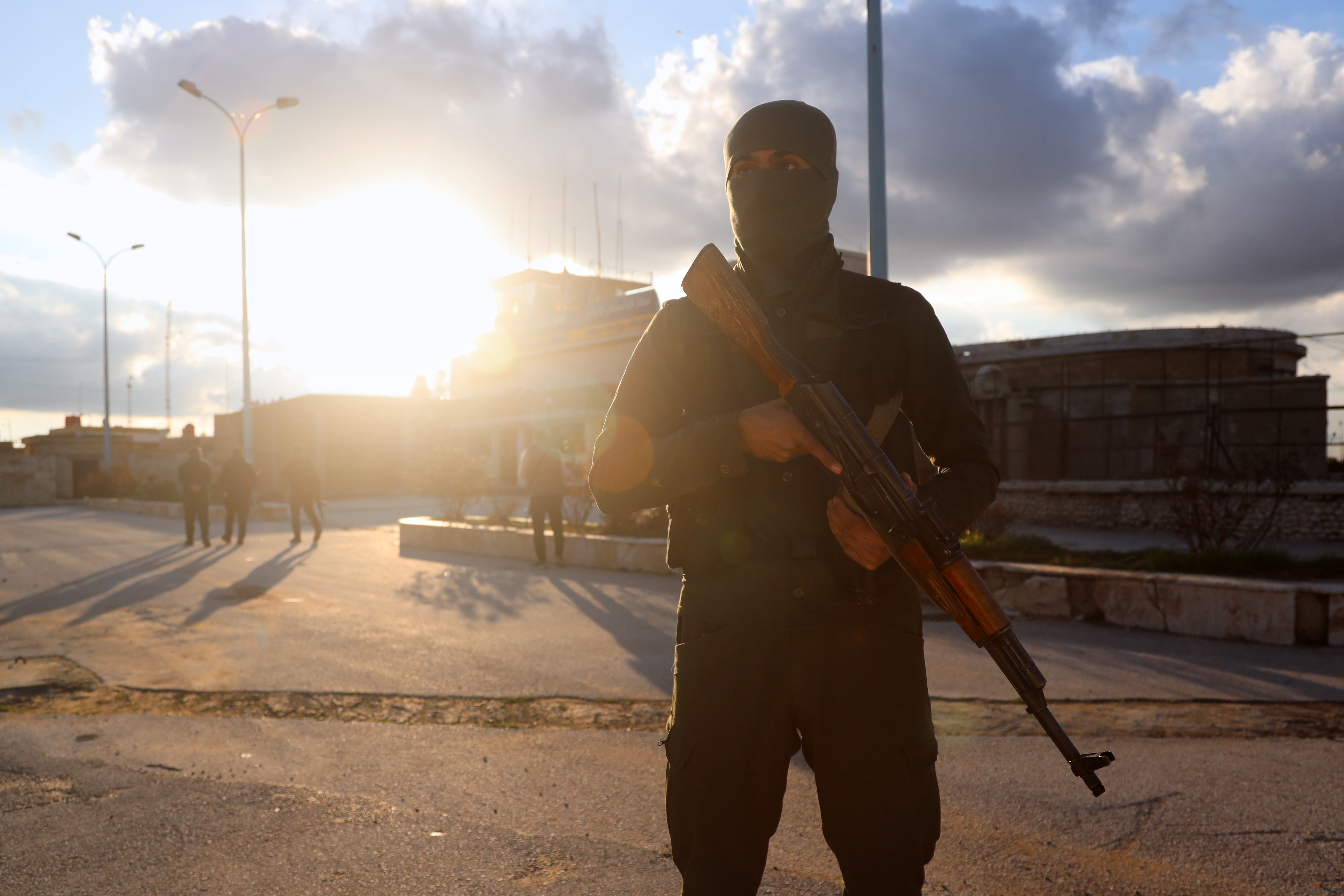
DAMASCUS – Mazloum Abdi, commander of the Kurdish-led Syrian Democratic Forces (SDF), announced Tuesday the dissolution of the force following the completion of its integration into Syrian state institutions, ending a decade-long chapter in which the US-backed group controlled large parts of northern and northeastern Syria.
"Today, we announce the end of the mission of the Syrian Democratic Forces, and we responsibly announce its dissolution as a military force," Abdi said at a press conference at the People's Palace in Damascus, according to Syria's state-run Al-Ikhbariya TV.
Abdi also announced the dissolution of the Kurdish-led Autonomous Administration and affiliated military and civilian formations, following their full integration into state institutions.
He described the move as the beginning of a new chapter focused on peace, stability and rebuilding Syria after years of conflict.
ALSO READ: Syria says IS-linked cell behind Damascus bombing dismantled
The transition should mark a genuine shift "from the battlefields to the fields of construction," said Abdi, calling for the building of a unified country encompassing Syria's different communities.
He also raised the issue of Kurdish cultural and linguistic rights, saying he had sought an open position from Syrian interim President Ahmed al-Sharaa regarding the right to education in one's mother tongue.
Tuesday's announcement caps months of difficult negotiations and intermittent military confrontation between Damascus and the SDF over the future of northeastern Syria and the shape of the country's post-war state.
The two sides initially agreed in early 2025 to integrate the SDF and the Kurdish-led administration's civilian institutions into the Syrian state. Implementation, however, became bogged down amid disagreements over the structure of the integration, military command arrangements and the degree of autonomy Kurdish authorities would retain.
Tensions subsequently escalated, including clashes in Kurdish-held neighborhoods of Aleppo, before developing into a broader military confrontation in January this year.
Government forces advanced into SDF-held territory in northern and eastern Syria, substantially reducing the territory controlled by the Kurdish-led force.
On Jan 18, Damascus and the SDF reached a ceasefire and integration agreement providing for an immediate halt to fighting, the withdrawal of SDF formations to areas east of the Euphrates River and the transfer of administrative and military authority in Raqqa and Deir al-Zour provinces to the central government.
A more comprehensive agreement followed later that month, setting out the phased integration of the SDF's military and administrative structures.
The arrangements included the deployment of Interior Ministry security forces in Hasakah and Qamishli and the incorporation of SDF fighters into formations operating within the Syrian military structure.
Implementation continued over the following months. Damascus assumed control over key state institutions and facilities in the northeast, including Qamishli airport and major oil fields, while government security forces entered Hasakah and Qamishli.
Yet disagreements persisted over the SDF's ultimate status, particularly whether it could retain a distinct command structure within the Syrian military. As recently as early August, dissolution remained a key issue under negotiation between Abdi and al-Sharaa.
Abdi announced on Aug 20 that the integration of the Kurdish administration's military, security and civilian institutions into the Syrian state had been completed, paving the way for Tuesday's formal dissolution.
READ MORE: US removes Syria from list of state sponsors of terrorism
Tuesday's announcement also came one day after Washington formally removed Syria from its list of state sponsors of terrorism, ending a designation that had lasted since 1979.
US Secretary of State Marco Rubio said Monday that the decision was part of Washington's effort to give Syria a path toward prosperity.
Washington also revoked the designation of Hay'at Tahrir al-Sham (HTS), a former al-Qaida-linked rebel group that played a dominant role in the formation of Syria's new government, as a Specially Designated Global Terrorist organization.
Since its formation in 2015, the SDF had been backed primarily by the United States and served as Washington's main local partner in the fight against Islamic State militants.
But following the fall of the former Syrian government in December 2024, Washington increasingly supported efforts to bring Syria's institutions and armed groups under a unified state framework while building closer ties with the new authorities in Damascus.
