

Documentary follows the pursuit of xian among chefs, scientists and families, from mountains to sea, and from East to West, Li Yingxue reports.
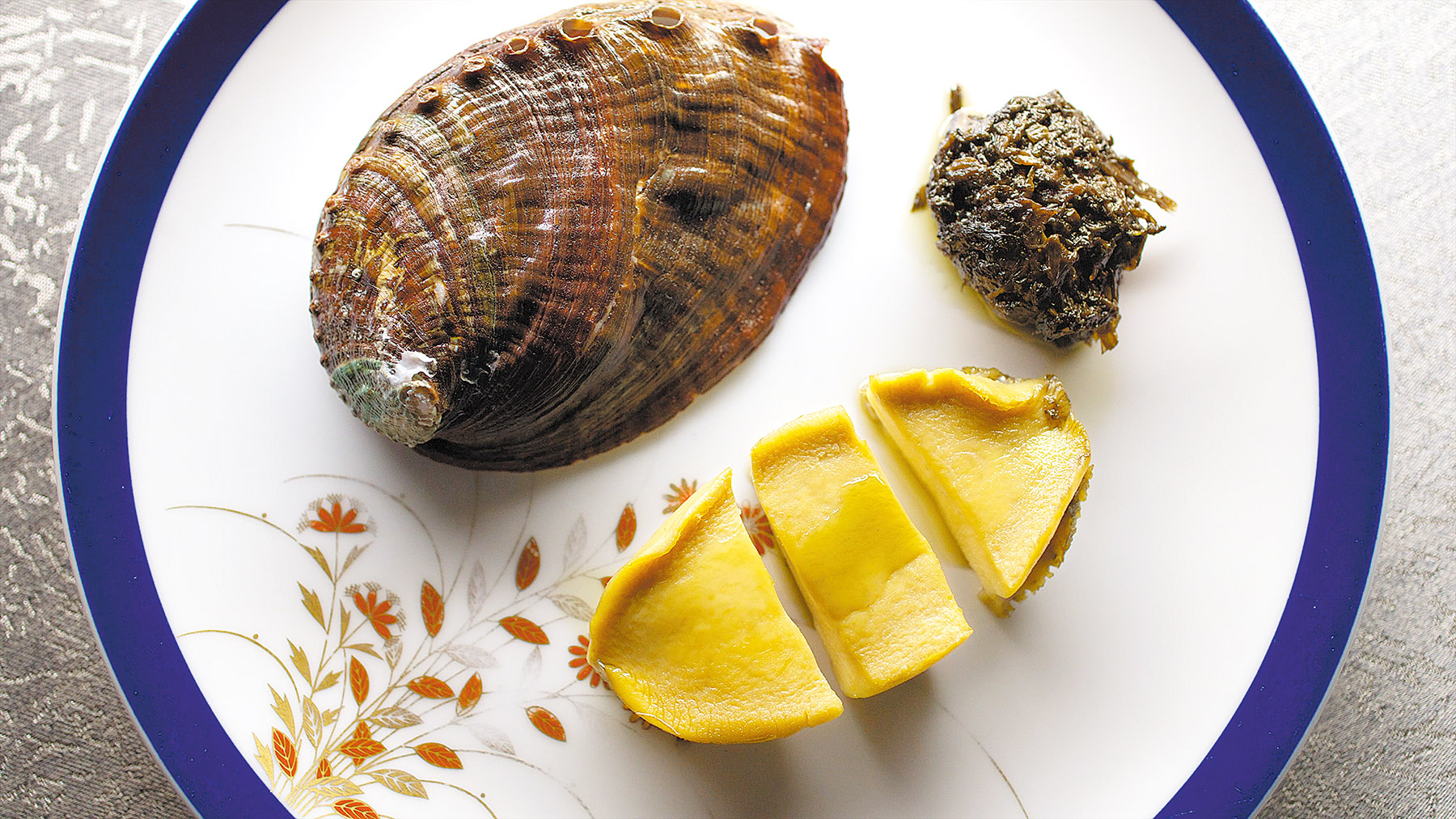
In Fujian, an oyster has many lives. Layered with cabbage, laver and slices of pork, then coated in rice batter and fried, it becomes a golden, crispy oyster fritter. Dropped into a bowl of laohua, a local rice-noodle soup, it adds another layer of briny sweetness.
As China's largest oyster-producing province, Fujian has developed many methods of preparing the humble shellfish, from frying and boiling to steaming and more. But the oyster is only one chapter in China's long pursuit of xian, a culinary ideal encompassing umami, freshness and a broader sense of savory deliciousness.
Generations of Chinese chefs have transformed nature's bounty through accumulated knowledge, heat and time.
ALSO READ: A taste of adventure
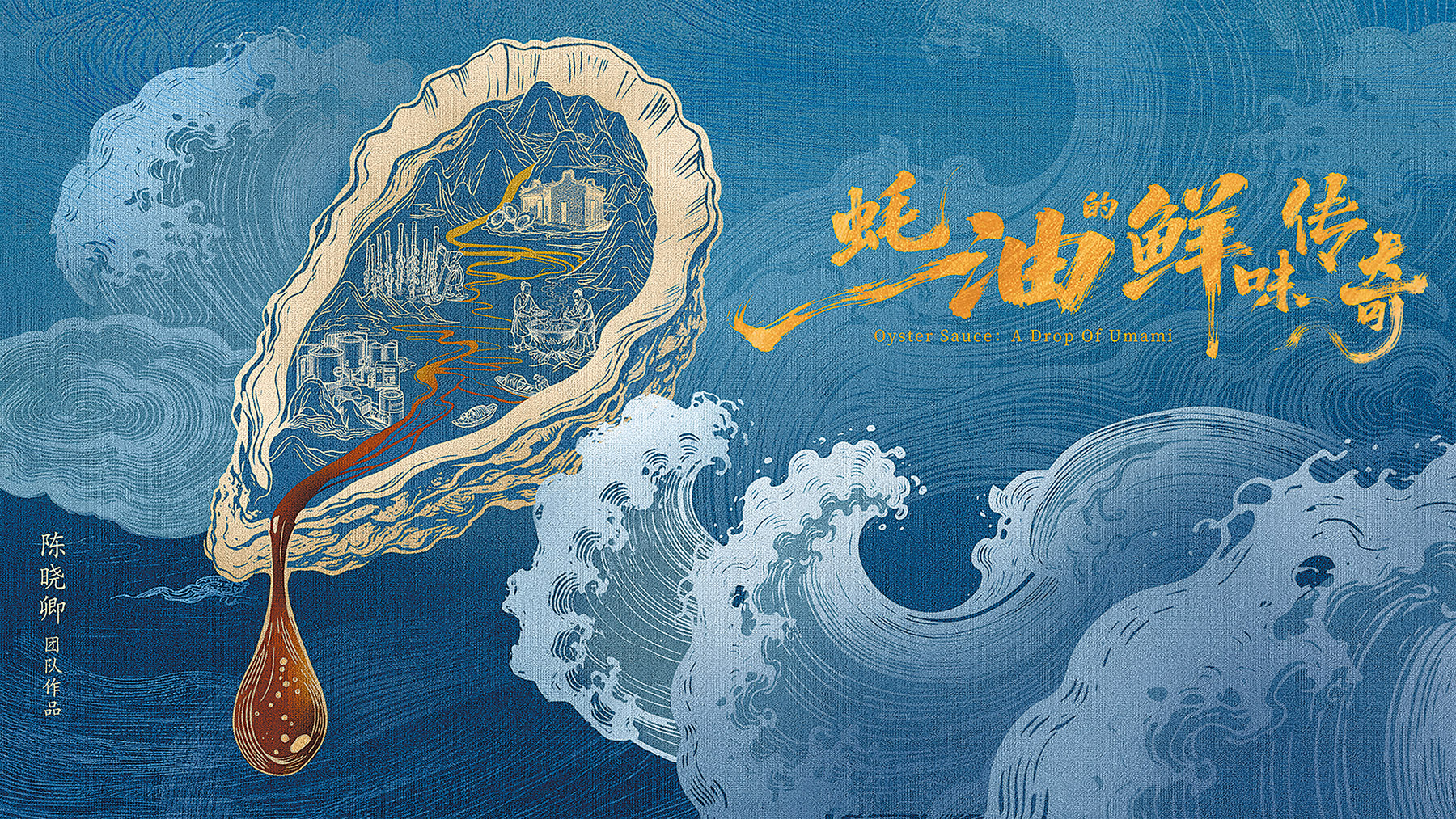
Now streaming on Tencent Video, Oyster Sauce: A Drop of Umami is China's first food and culinary culture documentary devoted to oyster sauce, taking xian as the starting point for a journey across mountains and seas.
Produced by Tencent Video and co-produced by DOClabs Beijing, the documentary traces the history of oyster farming, the origins of oyster sauce and the evolution of regional flavors, while exploring how Chinese cuisine has traveled around the world.

Through fishermen, chefs, scientists, and families, the series traces Chinese food culture across generations.
"When we make food documentaries, we often use something delicious as a pretext, hoping that audiences will see richer and various ways of living," says Chen Xiaoqing, the documentary's chief producer.
"What we really hope people will learn is why people eat certain foods, why they love certain flavors, and how much love, craftsmanship and time go into creating them."
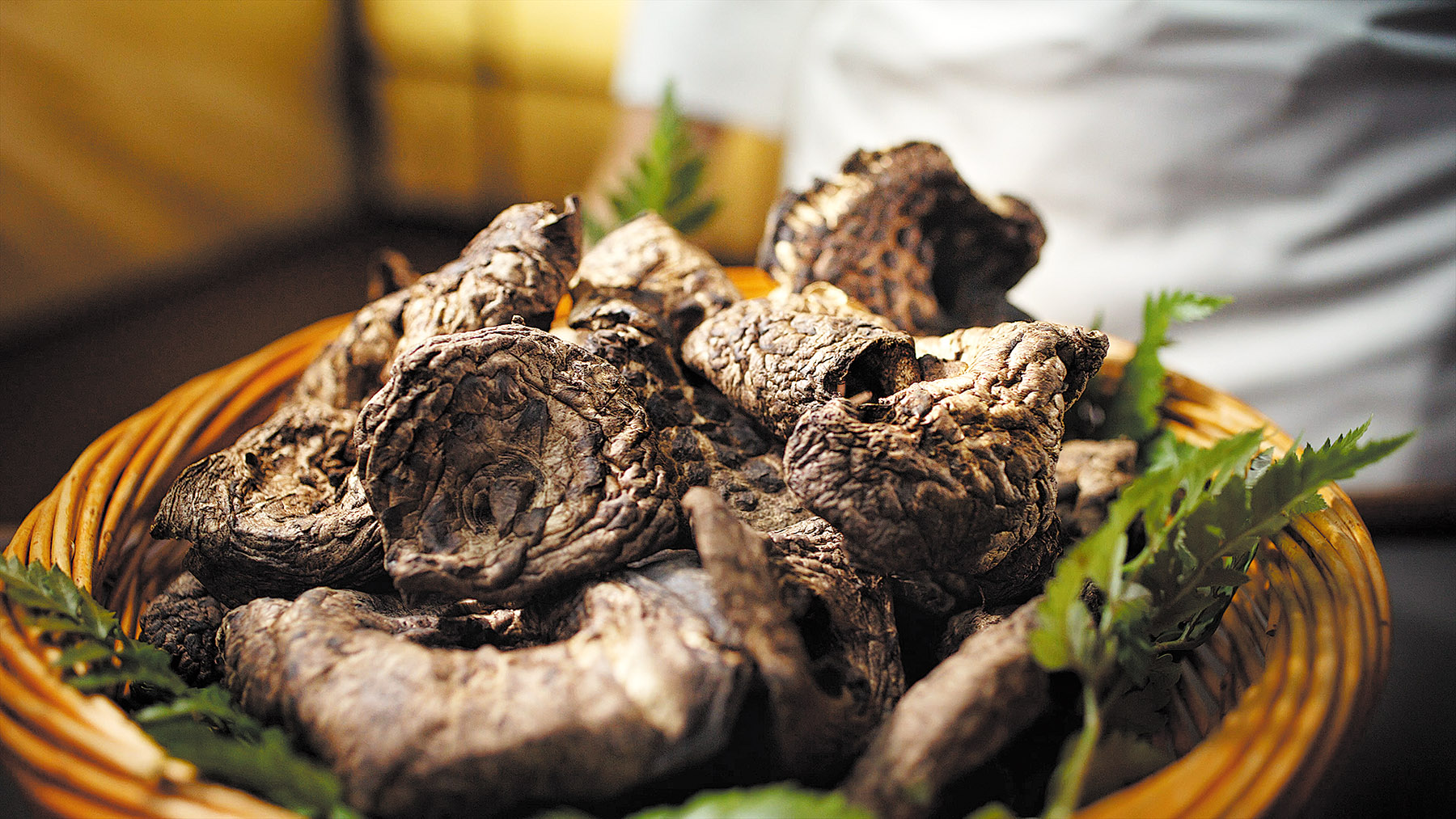
The first episode begins deep in the Cangshan Mountains in Dali, Yunnan province, where an 11-year-old girl follows her grandfather into the forest in search of black tiger's paw mushrooms.
Mushrooms have long been regarded in China as a mountain delicacy. Although ancient people did not understand the chemistry behind umami, generations of experience taught them to recognize the distinctive value of fungi. Modern food science has shown that free amino acids and taste-active nucleotides in mushrooms work together during cooking to create rich, complex flavors.
The camera then travels to Zhengzhou, Henan province, where a local restaurant offers another example of Chinese culinary ingenuity.
To make a broth that is both clear and flavorful, the cook finely minces chicken breast or lean pork, mixes it with water, and adds it to the boiling broth. The meat forms flocculent masses that absorb suspended particles, blood foam, excess fat, and other impurities.
Known in Chinese cooking as saotang, or "sweeping the broth", the technique appears to be an exercise in subtraction, but ultimately allows the broth's flavor to emerge with greater clarity.
From mushrooms in the mountains to broth in the Central Plains, the documentary repeatedly asks: Where does xian come from?
"We wanted to find out," says Zhu Lexian, the documentary's supervising producer. The production team uses the history of China's pursuit of xian as its narrative thread, exploring it across time and space.
"We start with fishermen by the sea, then follow the journey through harvesting and simmering, and eventually to people applying new technologies. Then we connect all these stories," Zhu says.
The search links culinary knowledge, cooking practices, production technology, and everyday life.
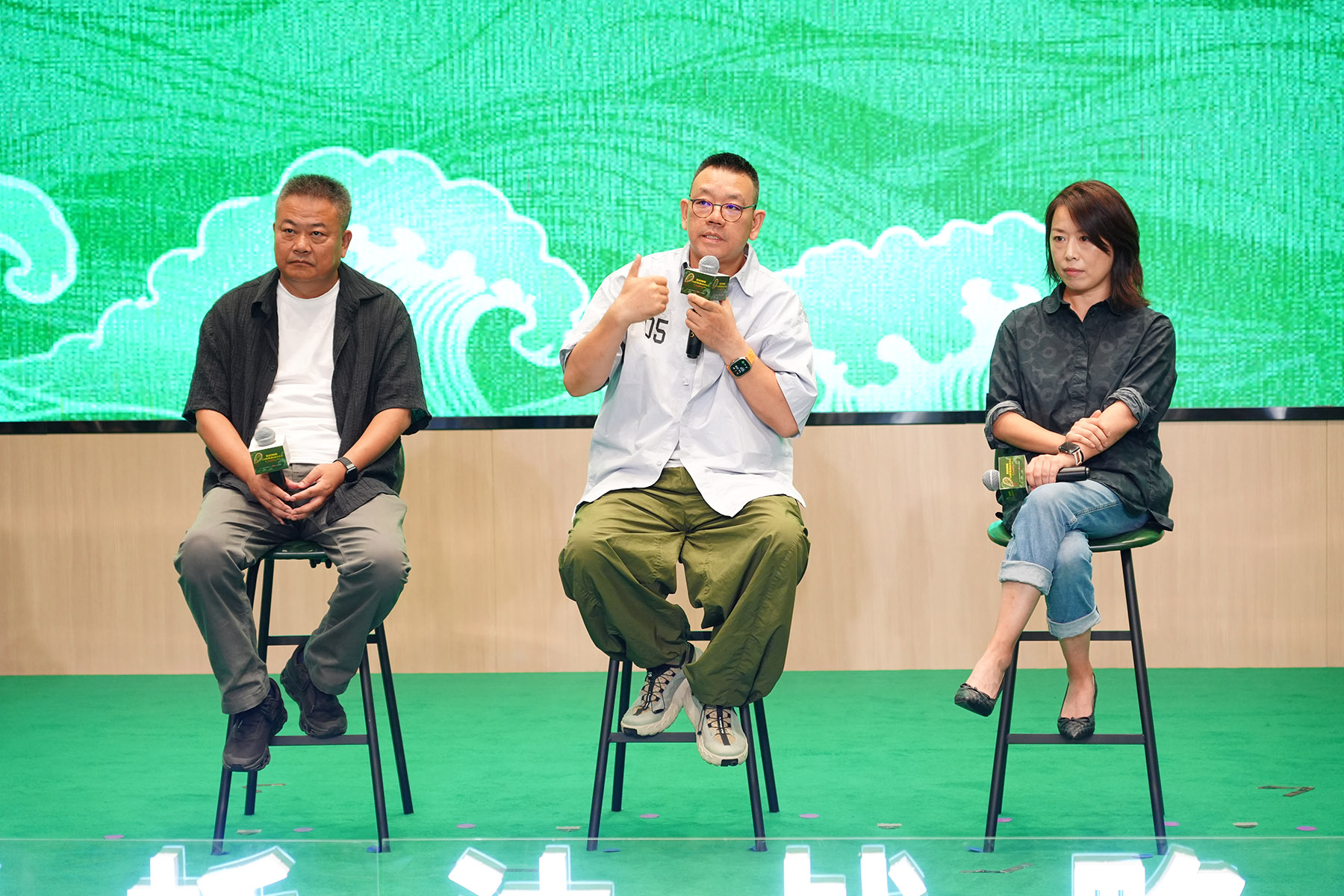
"Eastern and Western understandings of xian are different," Chen says at the documentary's premiere.
In his view, Western discussions of freshness often emphasize the original state and immediate quality of an ingredient. The Chinese idea of xian, by contrast, can refer to a more layered form of deliciousness created through cooking, fermentation, concentration, and time.
"Westerners can be very concrete in their approach to food, while Chinese culinary life can sometimes be more abstract," Chen says.
Chinese cooking, he explains, often allows ingredients to transform, extracting and reshaping their flavors before using them in other dishes.
Behind this is a broader philosophy of eating. Chinese cooks have continually explored how one flavor can bring out another, how heat and time can transform ingredients, and how flavors from mountains, fields and oceans can complement one another at the same table.
For the filmmakers, the central challenge was how to turn the intangible quality of xian into something viewers could see and imagine tasting.
"People cannot actually taste the food or experience its xian through the screen," says producer Li Jie. But visual and auditory stimuli can activate memories associated with taste.
"Rather than simply presenting flavor, we are stimulating people's senses and building connections between them, so their brains can fill in the taste," Li says.
The filmmakers found visual counterparts for flavor: the texture of ingredients, bubbling broth, rising steam, and the colors of finished dishes. Images such as a flower blossoming or honey dripping evoke sweetness and roasted aromas through visual association.
"First, you have to give xian something tangible to attach itself to. Second, you have to give it movement," Li says.
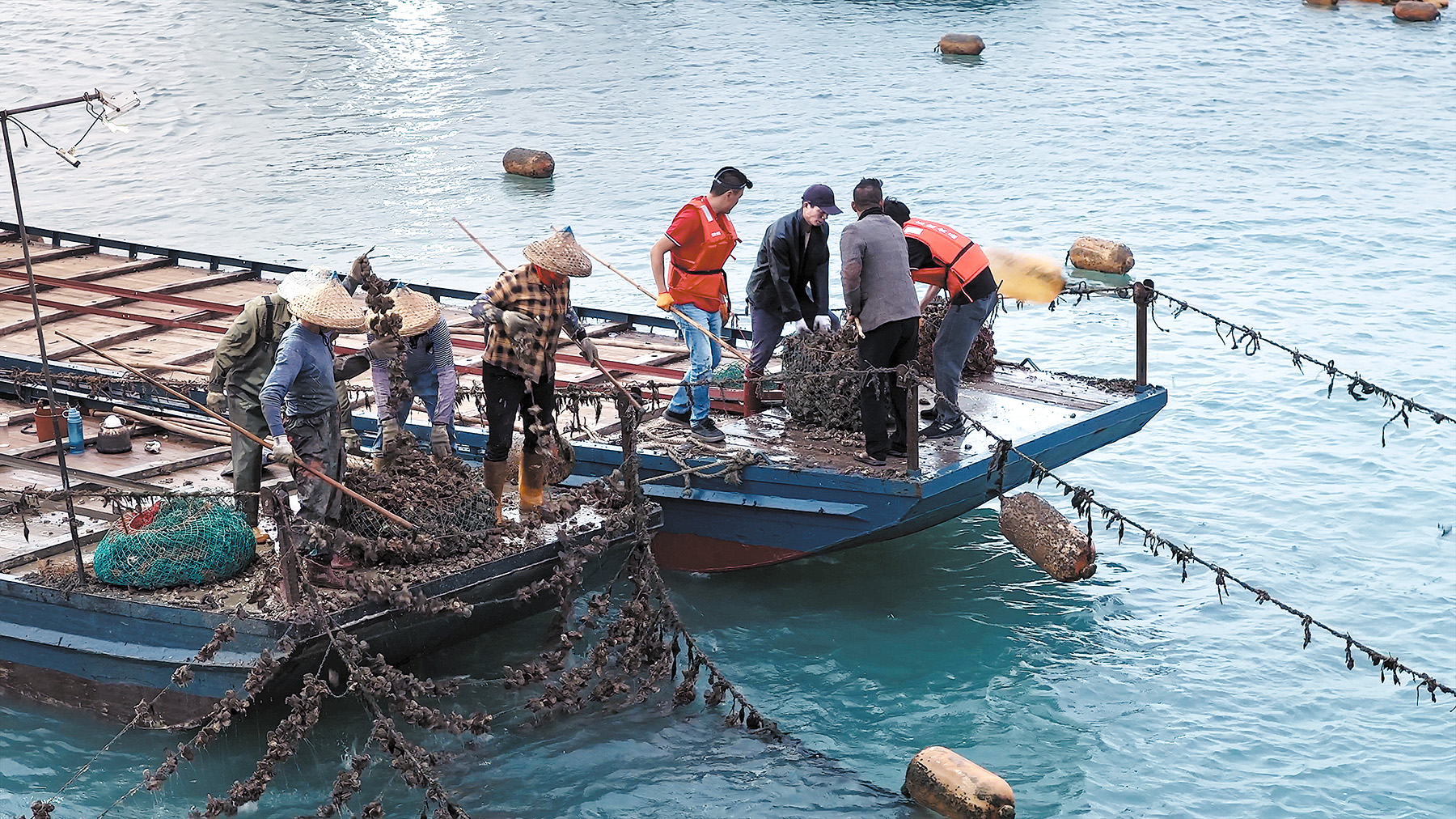
The documentary was filmed over about four months in nearly 20 Chinese cities and abroad. From coastal aquaculture farms and remote forests to neighborhood eateries and family kitchens, the camera sought to connect flavors with people.
A modern food factory became another important stop on the journey. The production team was struck by the complexity of its production lines, research systems and laboratories.
"We had never imagined that oyster sauce was made on such a complex production line," Li says. After seeing the raw materials, production process, and research and testing systems, the team realized that this side of food production was "particularly worth documenting".
While food documentaries often focus on flames, traditional utensils and the hands of craftspeople, Oyster Sauce: A Drop of Umami also turns automated production lines, laboratories and machinery into subjects.
"We wanted to use images to show the beauty of science, industry and order," Li says.
The documentary also follows Chinese culinary influences overseas.
In Thailand, celebrity chef Pichaya Soontornyanakij, known as Pam, opened her family home to the production team for the first time.
Pam's mother is of Chaozhou heritage, and the family's everyday meals combine Thai and Chinese influences. Her mother takes the production team to the market before the family prepares a meal together.
Chinese food culture is expressed not through overt symbols but through ingredients, seasonings and cooking habits.
"When I saw Chinese seasonings in a Thai family kitchen, and saw Thai and Chinese elements blended into their everyday meals, I felt the subtle influence of Chinese food culture," Li says.
ALSO READ: Restaurant shells out to celebrate oyster season
Such cultural transmission is not simply a matter of taking a particular Chinese dish overseas. As people migrate, and trade and cultural exchanges expand, Chinese flavors enter new environments, interact with local ingredients and traditions, and develop new forms.
Flavor thus becomes a form of cultural memory. It can cross linguistic boundaries and be passed from one generation to the next.
As the camera moves from the sea to the dining table, the documentary reveals more than how a flavor is created. It shows how Chinese food culture evolves through inheritance and exchange, continuing to find new life as it travels.
Contact the writer at liyingxue@chinadaily.com.cn
