

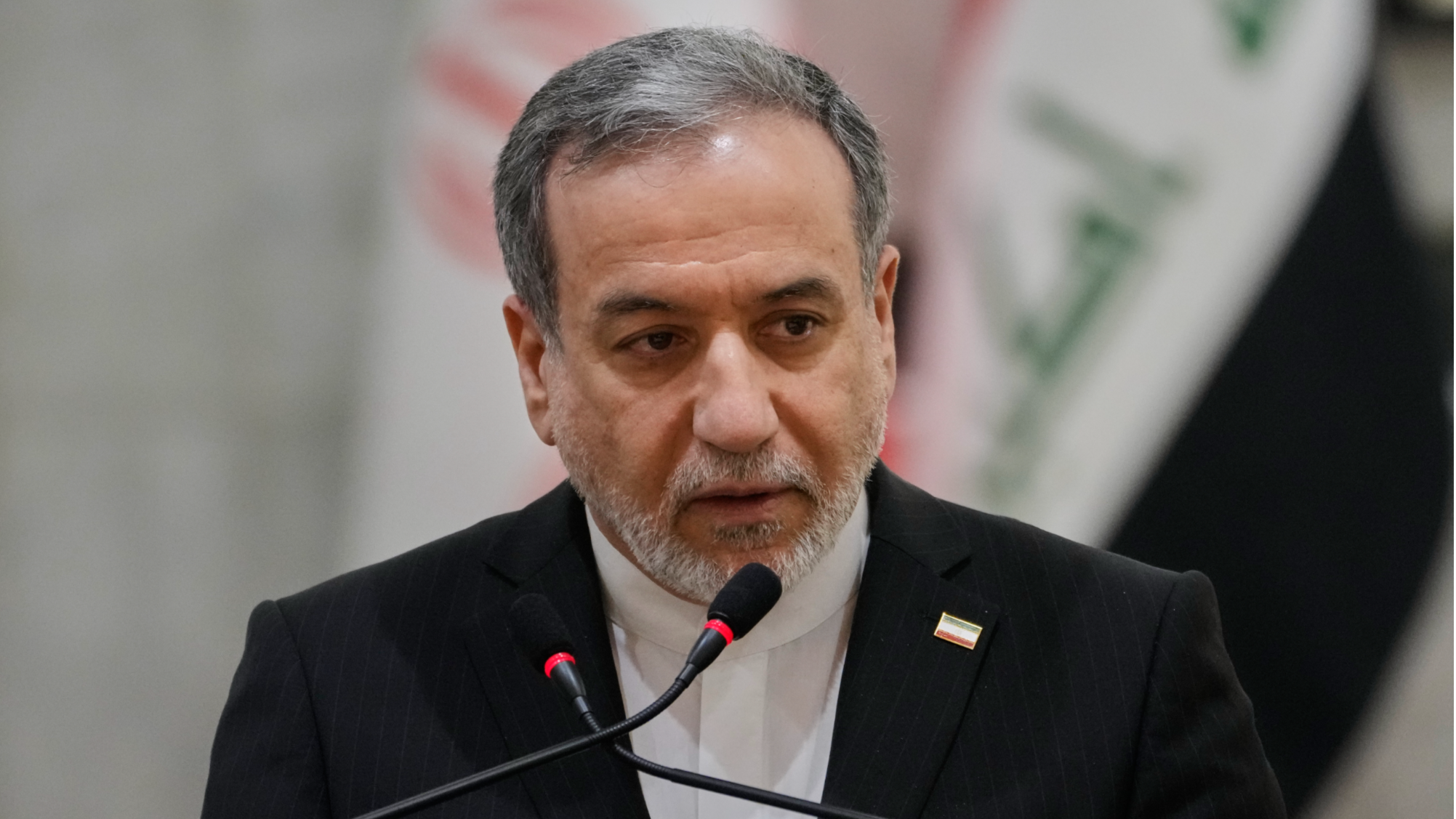
TEHRAN/NEW YORK – Iranian Foreign Minister Seyed Abbas Araghchi said on Thursday that US "economic terrorism" threatens the global economy and the sovereignty of nations worldwide.
The remarks came after US President Donald Trump announced on Wednesday "the most crushing economic operation ever taken" against any country providing a lifeline to Iran.
"This will be Economic Warfare and Isolation on an unprecedented scale," Trump posted on Truth Social, calling the move "an ECONOMIC D-DAY."
In response, Araghchi said on X that the so-called "Economic D-Day" is a diversion from Washington's own crisis: "unprecedented debt and surging interest costs."
"Doubling down on failed policies will only bring further defeat – and enmity of Iranians. US economic terrorism threatens global economy and sovereignty worldwide," he added.
Washington's 'failure'
Iranian Deputy Foreign Minister for Legal and International Affairs Kazem Gharibabadi said Wednesday that the US is now further pressuring Iran under the label of an "economic war," which he views as an attempt to cover up Washington's previous failure.
Gharibabadi said in a social media post that while the US claims Iran is "on the verge of collapse," it is reaching out to all its allies for help, Iran's official news agency IRNA reported.
ALSO READ: UAE halts trade with Iran over missile claims
To cover up its failure, the US has to create an even bigger failure, Gharibabadi said, adding that the military war had failed to deliver results, and Washington was now calling the next defeat an "economic war."
Devastating weapons
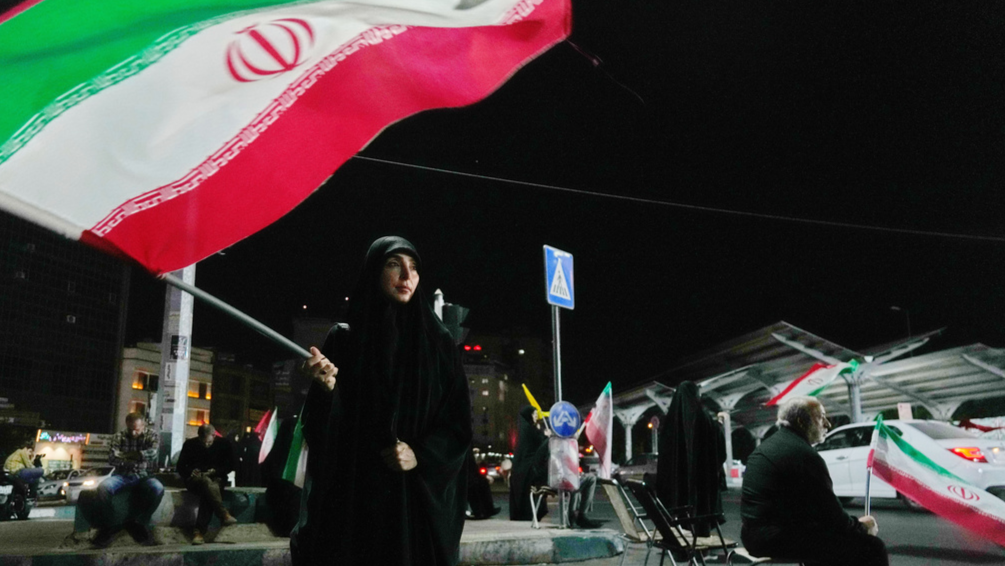
Iran's Islamic Revolutionary Guard Corps (IRGC) has said the country will use more "devastating" weapons if a new war begins against it.
Following the 12-day and 40-day wars imposed against the country in June last year and late February by the US and Israel, Iran has expanded its military capabilities, IRGC spokesperson Hossein Mohebbi said in an interview with Iran's Defa Press news agency, which was published on Thursday.
"If another war begins, our weapons will definitely be different ... in terms of the generation of missiles' warheads, as well as their precision and range," Mohebbi said.
The spokesperson emphasized that Iran has never stopped its armaments production, adding, "The destruction power of the warheads used in the IRGC's (new) missiles is far greater than the models used in the previous wars."
US sanctions
The US Department of the Treasury's Office of Foreign Assets Control (OFAC) said Thursday it has imposed sanctions on 10 individuals that are "part of a network responsible for transferring cash" to Hezbollah.
The network utilizes couriers traveling on commercial airline flights between Lebanon, Türkiye, the UAE, and Iran to move up to hundreds of millions of dollars between jurisdictions, providing an avenue outside the formal financial system for Hezbollah to obtain foreign currency and evade sanctions, OFAC claimed in a press release posted on the website of the Department of the Treasury.
ALSO READ: Iran plans to bar hostile vessels from transiting Strait of Hormuz
On June 18, Iran and the US signed a memorandum of understanding (MoU) on ending their war in the region on all fronts. Under the MoU, the two countries were scheduled to hold negotiations within a period of 60 days, which ended on Monday, to reach a final agreement. However, the fate of the talks remains unclear following an escalation between the two countries last month.
