

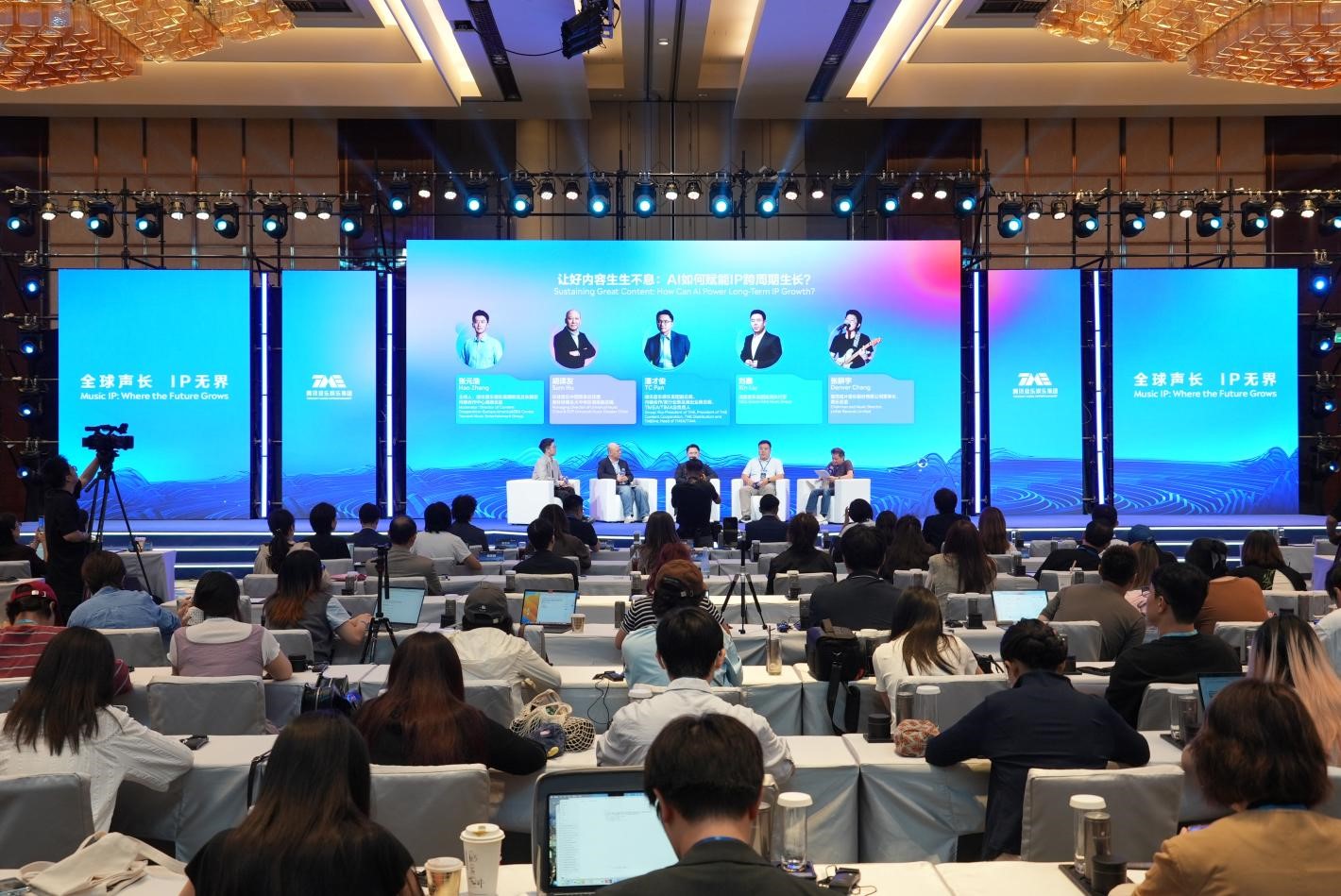
The 2026 TME China Music Impact Summit, hosted by Tencent Music Entertainment Group, was held in the Macao Special Administrative Region on Saturday, gathering music industry professionals from around the world to discuss the full lifecycle of music intellectual property.
The event, with the theme “Music IP: Where the Future Grows”, covered various aspects concerning the industry – from creation and growth to international expansion and long‑term value retention – amid the advent of artificial intelligence.
In his keynote address, TME Executive Chairman Cussion Pang reflected on how quickly the landscape has shifted.
“Just a few years ago, the industry was still debating whether Chinese music should go global and how to do it,” he said. “Now, we’ve entered a new era driven by AI. China’s music sector has grown remarkably over the past decade and now ranks among the world’s top markets, largely because we’ve placed increasing importance on copyright protection in recent years.”
Similar sentiments were echoed by Liu Hua – director of the World Intellectual Property Organization Office in China – in a video address.
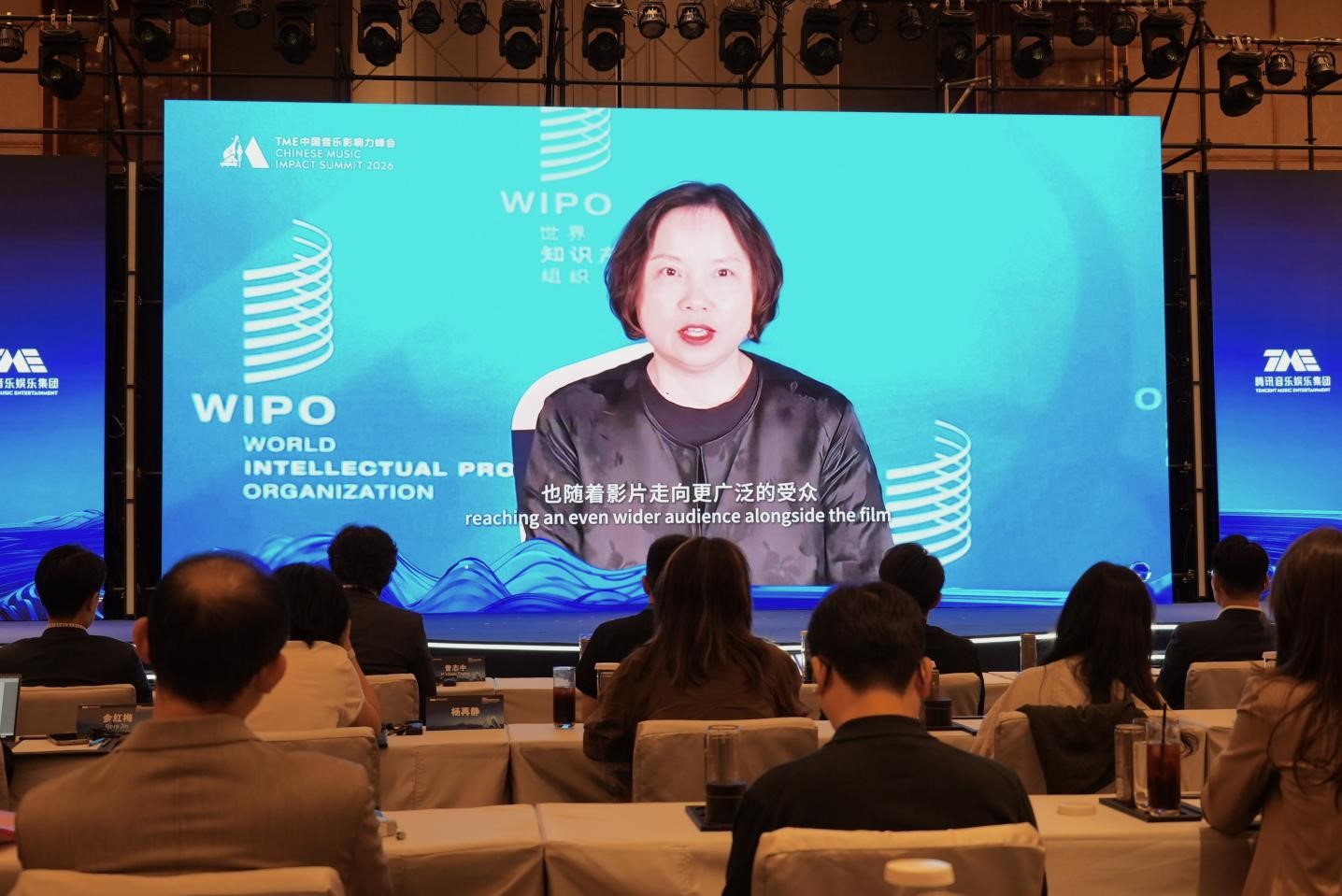
She acknowledged AI’s transformative benefits – making creation more efficient, distribution more targeted, and listening experiences more personalized, with a single song reaching global audiences in hours. Yet, she warned of darker developments ahead – song imitation and piracy have become more sophisticated and harder to identify.
“AI can mimic human voices and replicate artistic styles, pushing works to millions of households without rights holders even knowing,” Liu explained. “The line between infringement and creation is blurring. Technology has opened an unprecedented window of opportunity, but new challenges have also crept in through that window.”
The European Union, the United Kingdom, and the United States are all actively exploring solutions, she said.
China’s National Copyright Administration launched a targeted enforcement campaign in 2015 to clean up online music piracy, pushing the sector toward legitimacy. Since then, platforms, rights holders and other stakeholders have worked together to strengthen the copyright licensing framework.
Reflecting on the past decade, Liu noted that China’s digital music market had once been trapped in a “free lunch” mentality, with rampant piracy. Today, however, Chinese consumers have developed a fundamentally different habit and are willing to pay for digital music.
Legal experts, too, weighed in on the AI‑copyright intersection.
Yang Ming – a professor at Peking University Law School and executive deputy dean of the Intellectual Property School – observed that plagiarism and similar infringements aren’t new – they long predate AI. Currently, court rulings on AI‑related copyright cases vary across jurisdictions, and it’ll take time for laws to mature.
“What’s certain,” he said, “is that we shouldn’t set technology against creators”. “Under the existing copyright framework, we can both protect rights holders and allow new tools to benefit the industry.”
Bringing a lyrical, human touch to the discussions, acclaimed Taiwanese lyricist Yi Jiayang quoted his own words. “Love is an antique of time,” he mused. “Creators are both great and small. We never know how long our songs will endure. Even AI‑generated songs might one day become classics. We need to stay true to our craft, but we also need a fortress that protects creators.”
His remarks serve as a poignant reminder that amid technological upheaval, the human spirit remains at the heart of music.
Amber Li contributed to the story.
