

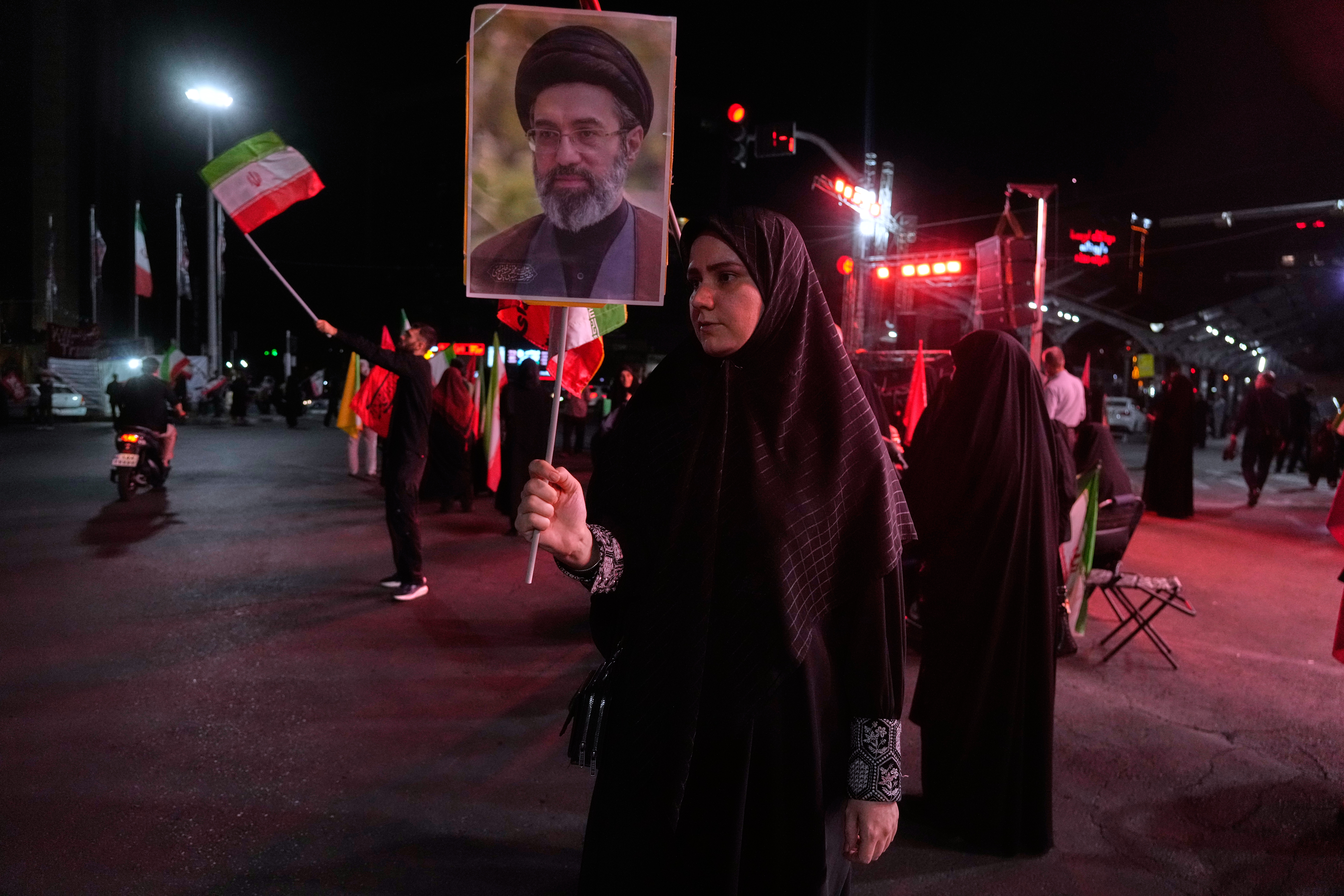
TEHRAN/WASHINGTON – Iranian President Masoud Pezeshkian said on Monday that Iran's Supreme Leader Mojtaba Khamenei is in perfect health.
He made the remarks in an interview with state-run IRIB TV while commenting on his recent "seven-hour" meeting with the supreme leader.
Commenting on the meeting, Pezeshkian said maintaining national unity and solidarity was the most important issue stressed by the supreme leader.
He said the meeting was "very good," listing people's livelihood, employment and housing among the most important issues discussed.
"We also talked about the problems resulting from sanctions," he added.
ALSO READ: Report: Trump's options for walking away from Iran war have narrowed
Iranian media reported on Sunday that Pezeshkian met the supreme leader as he began his third year in office as president.
Mojtaba Khamenei was selected as Iran's new supreme leader by the country's Assembly of Experts in March after his father and former supreme leader Ali Khamenei was killed in joint US and Israeli strikes on Feb 28.
Mojtaba Khamenei has not appeared in public since his election.
Supreme leader appoints new military commanders
Also on Monday, the Iranian supreme leader appointed six new military commanders for the country's armed forces, according to statements published on his website.
In separate decrees, he appointed Ali Abdollahi as chief of staff of the Iranian armed forces, Ahmad Vahidi as chief commander of the Islamic Revolution Guard Corps (IRGC), Ali Azmaei as commander of the IRGC's Navy, and Hossein Taeb as commander of the IRGC's Basij volunteer force, the statements said.
The supreme leader also appointed Kioumars Heydari as deputy chief of staff of the Iranian armed forces, and Mostafa Izadi as the IRGC's deputy commander, according to the statements.
Trump makes new compensation demand from Iran
Meanwhile, US President Donald Trump said on Monday that he is "likewise demanding compensation from Iran," noting that he has instructed his representatives to put this into any future negotiations.
In a post on Truth Social, Trump wrote that he saw that "Representatives of the Islamic Republic of Iran are asking for compensation for the damage done to them during the last five month Military Conflict," but claimed it was "never mentioned" in any negotiations or meetings.
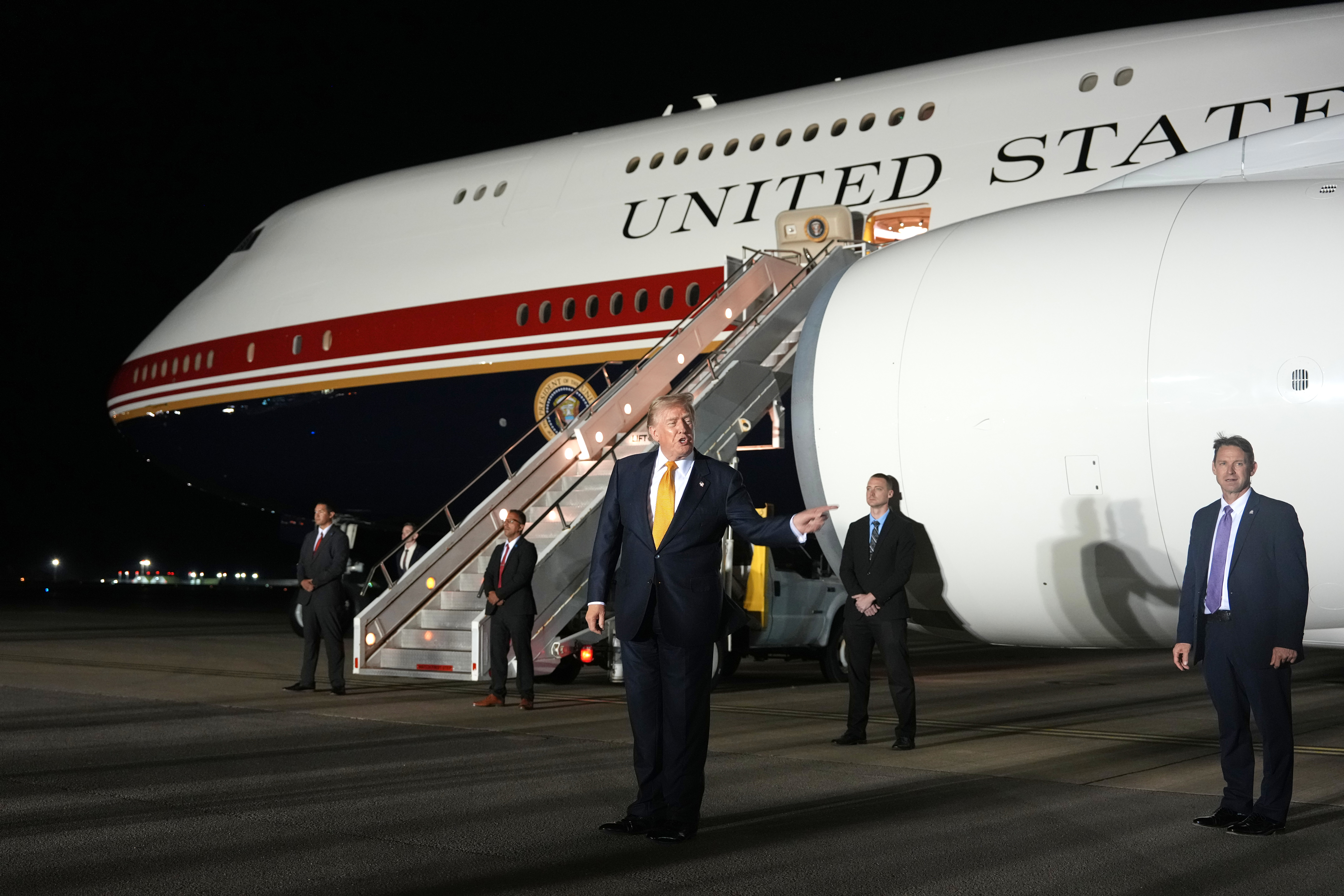
Calling it "an interesting idea," Trump said that he is "likewise demanding compensation from Iran, for all of the people that they have killed and gravely wounded with their roadside bombs and many conflicts."
In another post shortly after, Trump said that "Iran should be responsible for the damages and death caused to the people of Lebanon, Syria, Yemen, and Gaza."
ALSO READ: President: Iran to continue path of peace if US builds trust
Mohammad Bagher Zolghadr, secretary of Iran's Supreme National Security Council, said that the Strait of Hormuz will not be reopened until the United States "corrects its behavior," Iranian media reported Saturday.
Zolghadr noted that the reopening of the strait depends on the United States meeting a series of conditions: it must permanently end the war against Iran and its armed allies in the region; it must stop threatening Iran; it must lift the naval blockade of Iranian ports; it must compensate Iran for war damage; and it must lift sanctions and "unconditionally" release frozen or seized assets.
Iran: Service fees should be charged for Hormuz passage
Iranian foreign ministry spokesman Esmaeil Baghaei said on Monday that fees should be charged for maritime services provided in the Strait of Hormuz
He made the remarks at a weekly press conference in response to a question about whether fees for maritime services had been discussed during negotiations between Iran and Oman on the designation of a new route in the waterway.
"Generally, when you provide maritime services, you must be reimbursed for them," Baghaei said.
"At this stage, we do not discuss such details," he said, adding that the discussions were continuing and "certain technical points" will be discussed.
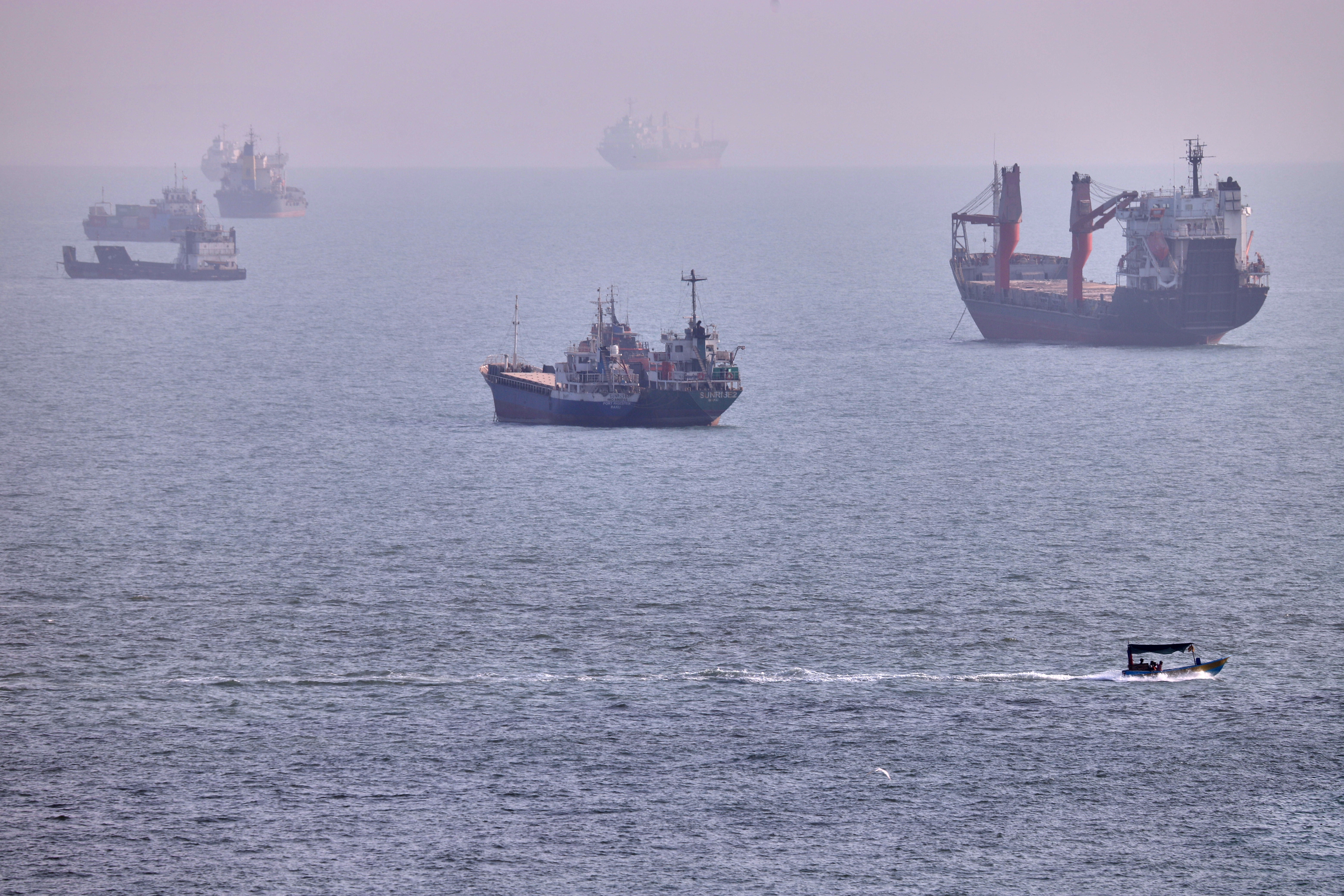
Baghaei said the negotiations between Iran and Oman "are being held smoothly and constructively," noting that mechanisms would be established to ensure safe shipping, address environmental issues, provide maritime services and combat crimes in the strait.
Under a potential agreement to be reached between the two sides, the existing northern and southern routes in the strait would be replaced by an intermediate one, he said, adding that the new route would be used temporarily until Iran and Oman agree on a new traffic separation scheme.
Baghaei attributed the closure of the Strait of Hormuz to US and Israeli "military aggression" against Iran, saying its reopening hinges on the elimination of the conditions imposed on Iran.
READ MORE: Report: US top general looking for off-ramp from conflict with Iran
He repeated that Iran is not negotiating with the United States, but the two countries continue to exchange messages through mediators.
Iran tightened its grip on the Strait of Hormuz on Feb 28 following US-Israeli strikes on Iranian territory.
On June 18, Iran and the United States signed a memorandum of understanding on ending the war. Under the deal, the two countries were scheduled to hold negotiations within 60 days to reach a final agreement, but the future of the talks has become uncertain following an escalation between the two sides last month.
