

Once associated with privilege, the high-value agricultural product is spreading its reach
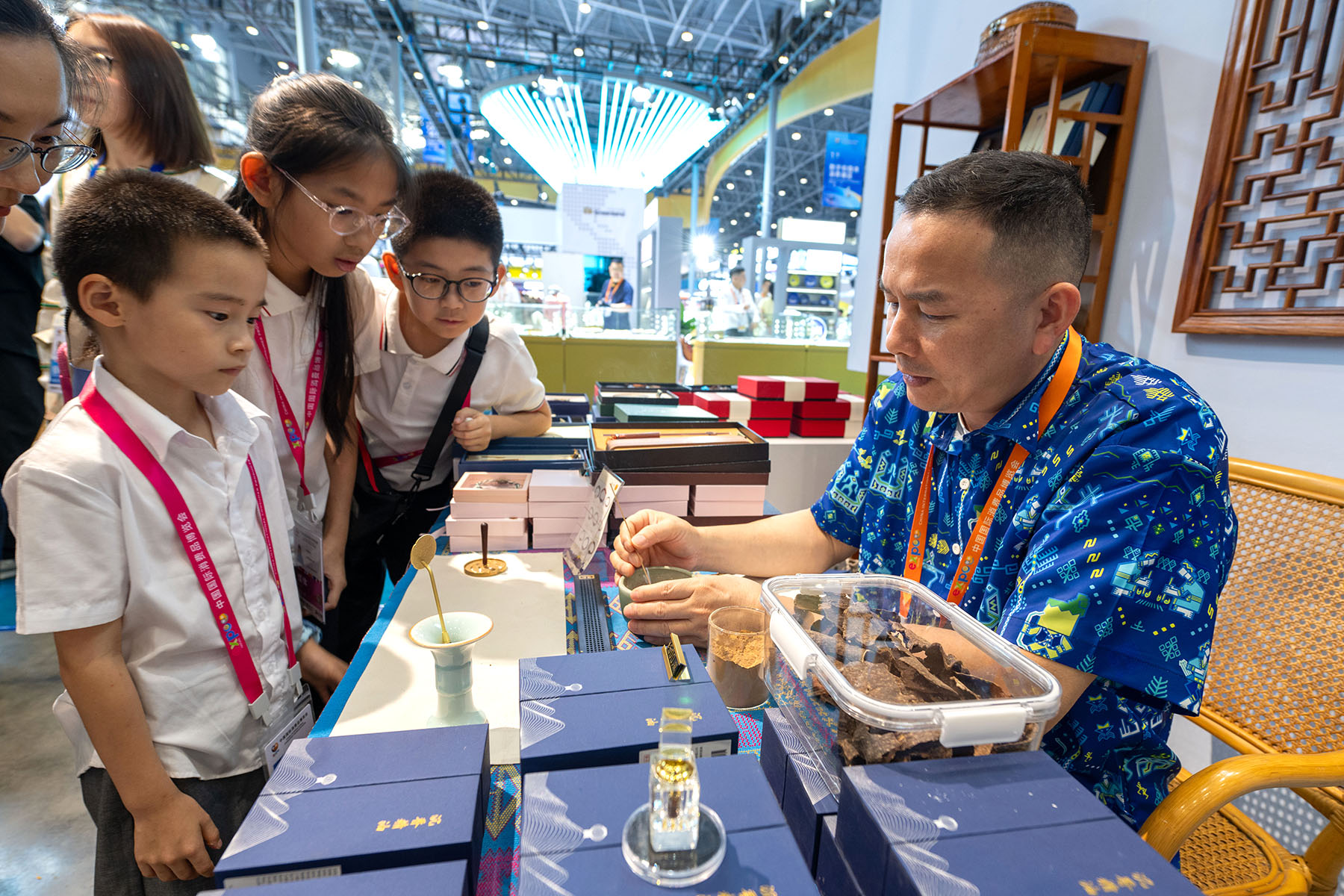
For generations, fragrant agarwood has been associated with collectors, temples and scholars — and while ordinary consumers know its name, they seldom get to experience it.
Today, advances in cultivation, scientific research and product development are transforming the resin-rich wood into the foundation of a growing industry.
Across Hainan province, researchers, growers and entrepreneurs are betting that its fragrance, once associated with privilege, and its other products, can find a place in ordinary homes.
READ MORE: Hainan's 'fragrant valley' has sweet smell of success
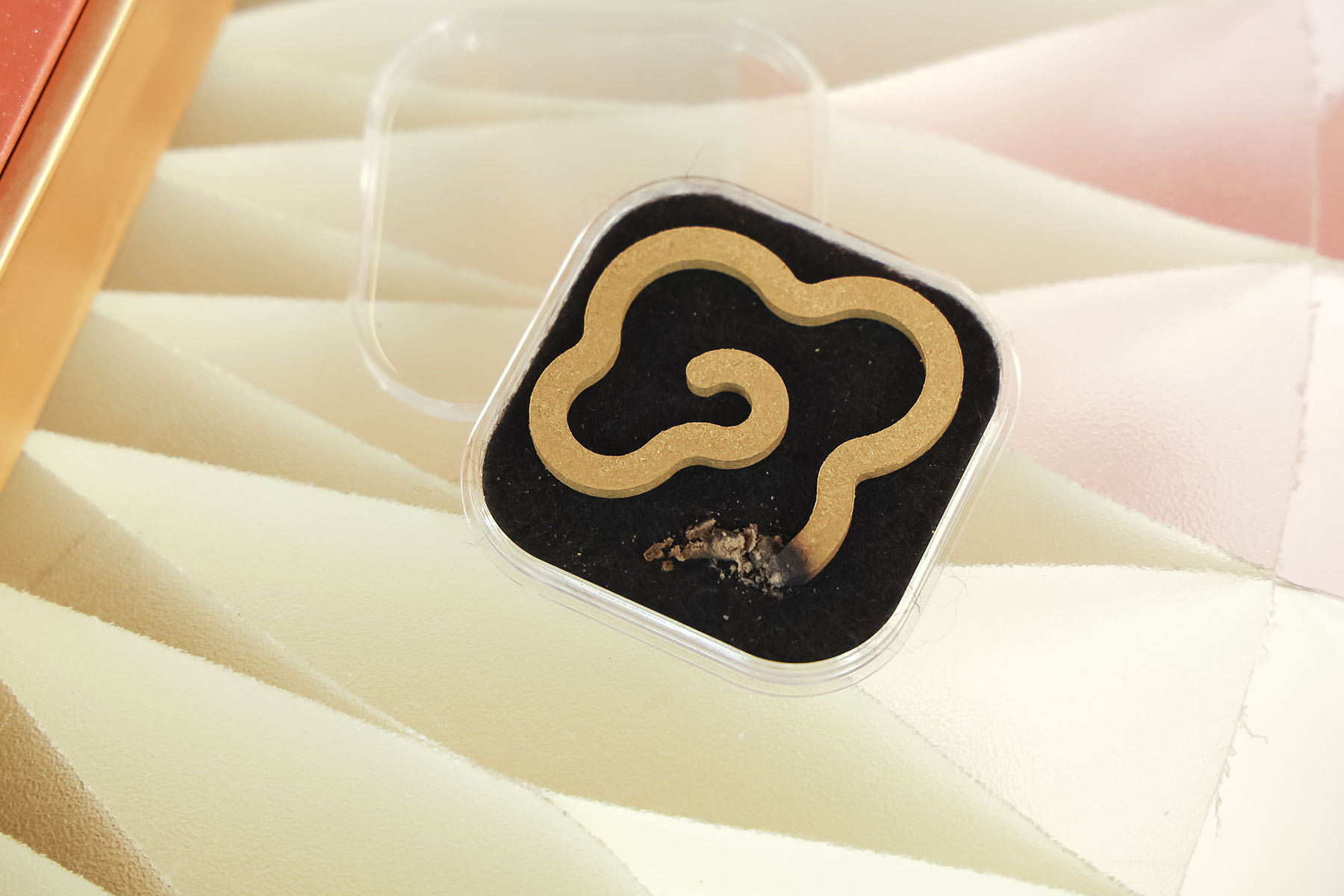
The Nada Agarwood Research Institute based in Hainan is taking a novel approach to marketing an agarwood resin they developed. The company has drawn inspiration from the empress's residence in Weiyang Palace in Chang'an (present-day Xi'an, Shaanxi province) during the Western Han Dynasty (206 BC-AD 24).
Known as Jiaofang Hall, or Pepper Hall, the palace's walls were covered in a plaster mixture of pepper and clay that filled the residence with a warm, pungent aroma — a symbol of refinement, status and fortune in that era.
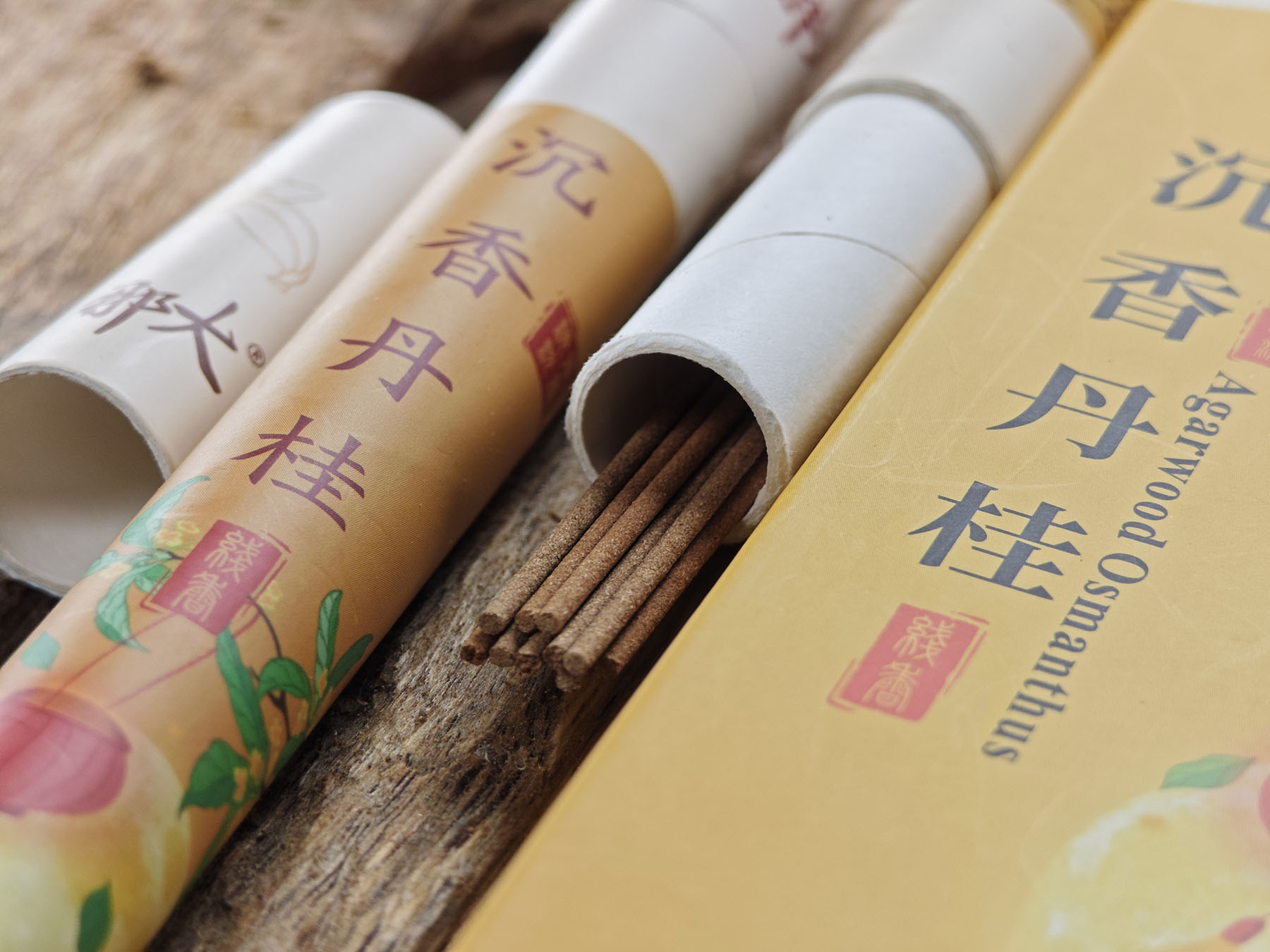
At an agarwood exhibition in Beijing's Gongmei Building from March to May, the research institute featured a burning coil of incense that releases agarwood fragrance.
"The inspiration came from the Jiaofang Hall. But we replaced pepper with agarwood," said Yan Bin, founder and chairman of the company, which has spent two decades focusing on agarwood cultivation, research and product development.
"What we want to carry forward is the old Chinese idea of bringing fragrance into living spaces," Yan said.
Behind such ambition is a rapidly expanding market.
According to a 2024 report by Zhiyan Consulting, China's agarwood market size had grown to about 55 billion yuan ($7.6 billion) by 2023. Under an agarwood whole industry chain development plan (2023–30) by the Hainan government, the province aims to reach an annual output value of over 5 billion yuan by 2030.
Research efforts
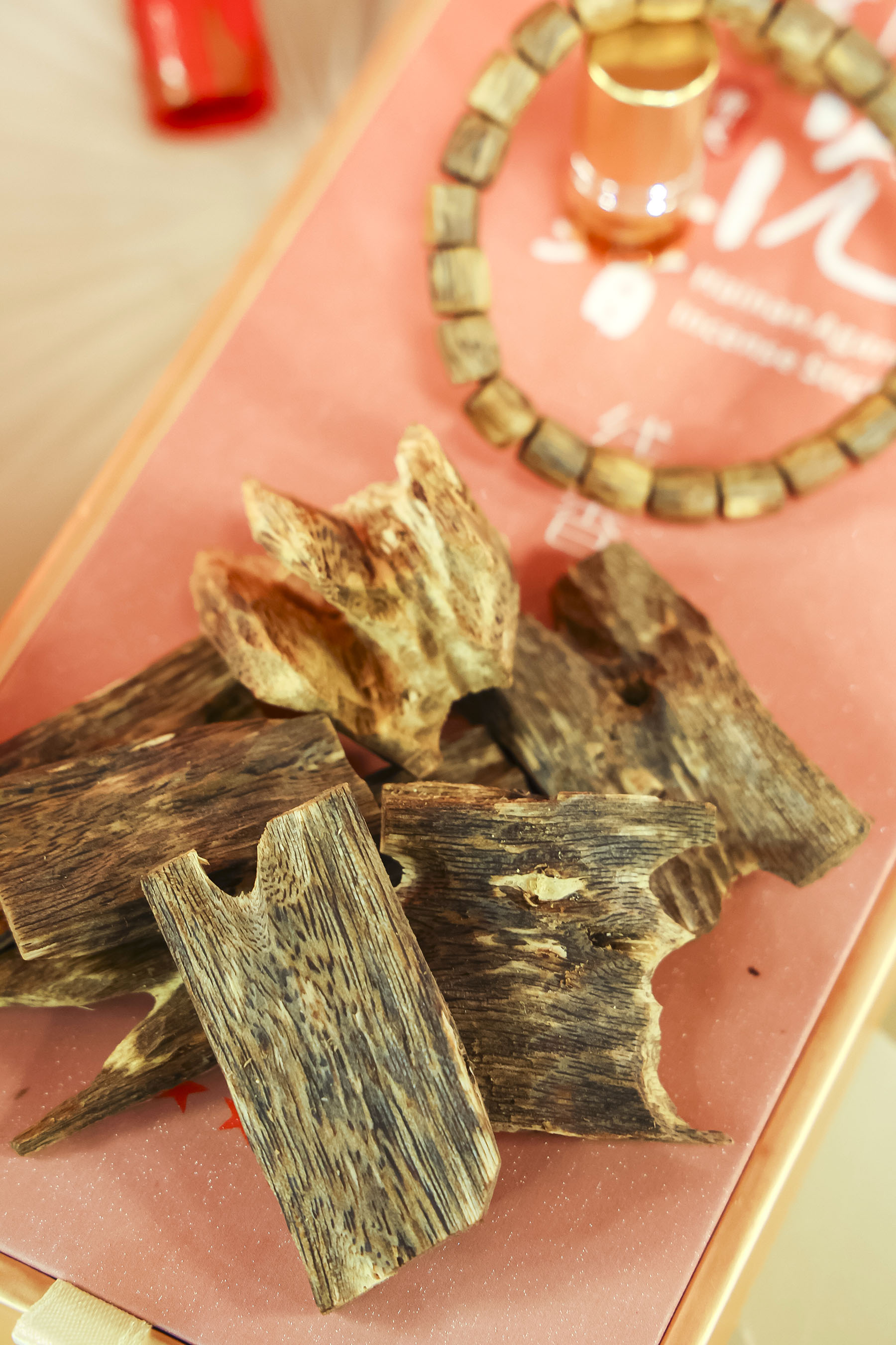
Known in Chinese as chenxiang, or "sinking fragrance" — a name that refers to its high density, which makes the best pieces sink in water — agarwood is one of China's most prized aromatic woods.
Unlike ordinary timber, agarwood forms only when Aquilaria trees are damaged by nature, or it is deliberately induced through cultivation. In response to injury, the trees produce a dark, aromatic resin that gradually permeates the wood, creating the distinctive fragrance prized in incense, perfumes and traditional medicine.
Because the process is slow and unpredictable in the wild, high-quality agarwood has long been exceptionally rare.
When Dai Haofu began studying agarwood after returning from Germany in 2004, he quickly encountered an industry built more on reputation than science. The market was chaotic, and authentic research samples were difficult to obtain, he said.
Dai had originally come to Hainan to study marine resources, but switched his research to agarwood due to limited funds.
"At that time, agarwood was very rare and expensive," said Dai, head of the Haikou Comprehensive Experimental Station of China Agriculture Research System for Chinese Materia Medica. "Finding enough material for research was a major problem."
Unlike marine research, which required expensive boats and equipment, agarwood research could be done in a lab with small samples, which he managed to obtain from collectors, traditional pharmacies, and by visiting growing areas.
But he soon discovered that a large proportion of agarwood products sold by pharmacies were either fake or of very poor quality. Consumers had no way to tell the difference, as there were no scientific standards or reliable methods to verify authenticity.
Wild agarwood resources were limited, and cultivation was slow. Dai believed that better varieties, technology and standards could be achieved through the use of science.
In the beginning, gaining support for the project was difficult, Dai said. A turning point came in 2007, when Hainan's science and technology authorities began supporting major research projects on agarwood.
Working with growers in Guangdong province and other regions, Dai's team began selecting superior trees from natural populations, leading to a series of improved agarwood varieties. High-yielding and of superior quality, the new varieties were easier to induce resin production. Five of them were certified and approved by the Forestry Department of Hainan.
Traditional agarwood trees can require decades to produce valuable resin. New cultivation methods shortened that process significantly, from decades to about six years for some varieties.
"In nature, some trees grow stronger than others. We identify those advantages and reproduce them," Dai said.
Meanwhile, his team collected agarwood samples from 15 countries and regions, conducted systematic research on a chemical basis, and built a database of agarwood compounds. They also developed a rapid analytical method based on these compounds, helping to solve long-standing challenges in verifying authenticity and providing a scientific basis for quality evaluation.
Long prized for the quality of its wild agarwood, Hainan now hopes cultivated trees can restore that reputation on a much larger scale. Cultivation has expanded across Hainan and several southern provinces.
Most Hainan producers still sell raw material rather than higher-value finished products — something Dai believes must change. "Hainan still does too little processing. I'm encouraging relevant parties to do more."
From rags to riches
In Xiaogu village, Chengmai county, on the northern side of Hainan Island, every household now grows agarwood in their front and backyards. The trees have replaced the rubber plantations that once dominated the landscape.
It was not always this way.
The man who changed that is Cai Qinxin. The villagers once called him "Dog Smell". As the youngest of five children in a poor rural family, he often wore torn and dirty clothes.
At age 12, Cai followed his parents to fish the Nandu River that flows through both his home county and the agarwood-growing regions of Danzhou. A day's income was usually less than 50 yuan.
In 1993, while selling fish, Cai met a businessman from Shantou, Guangdong, who operated an agarwood processing factory. The monthly salary was 600 yuan, and Cai took a job immediately.
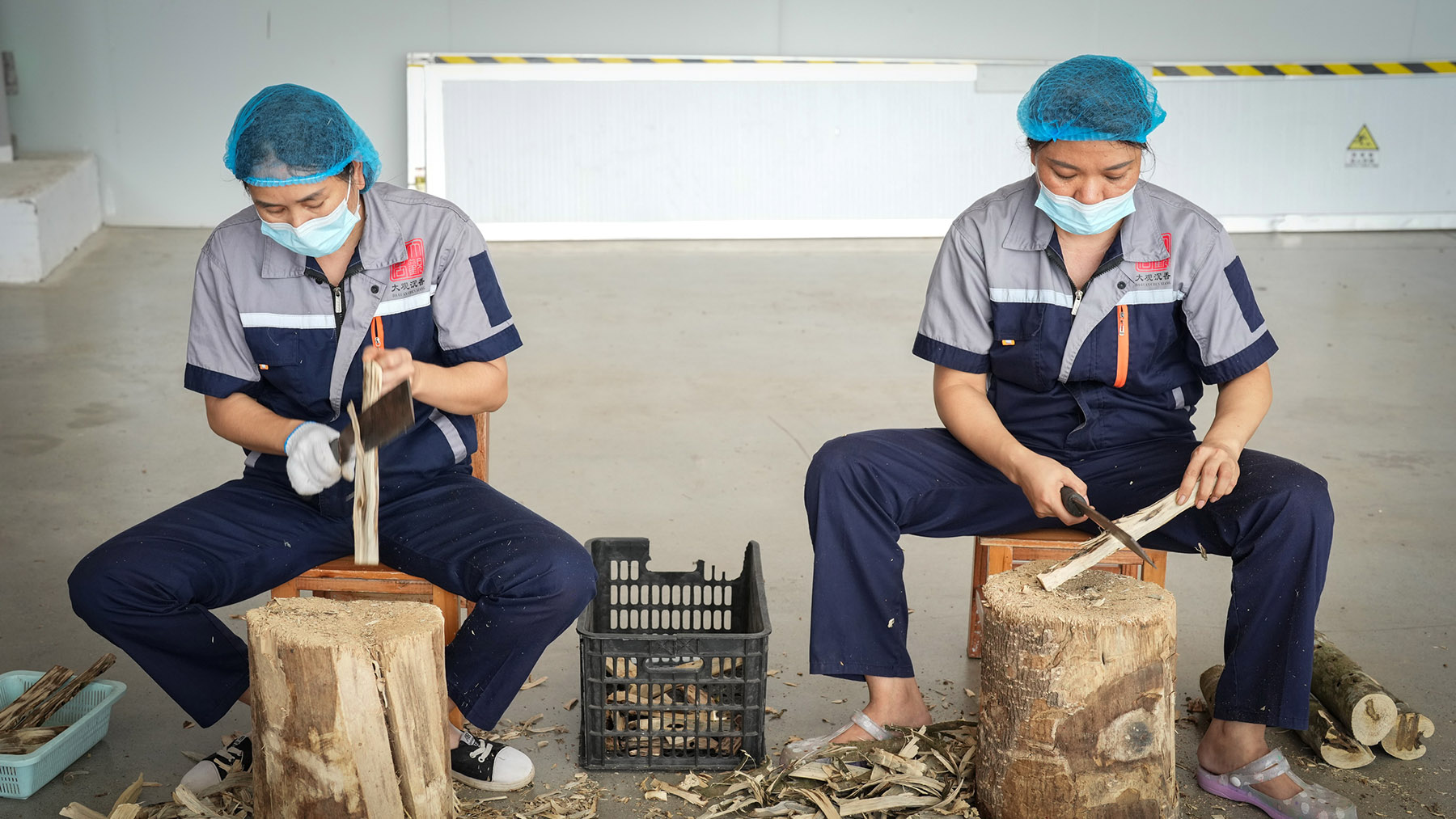
At the factory, he learned how agarwood was processed, from cutting raw wood to extracting oil. The work was physically demanding. Other workers processed five or six bags of wood a day. Cai processed more than 10. Each bag weighed around 40 kilograms. "I worked harder because I knew this was an opportunity," he said.
After one year, his salary was increased to 1,200 yuan. Three years later, the factory owner told Cai he had learned everything about agarwood processing and should go back home and start his own business. The owner gave him 50,000 yuan as a reward and start-up money.
In 1996, Cai returned to Xiaogu village and began processing agarwood in a small tiled house, but he struggled to find outlets to sell his products. He found a partner from the local agarwood association, who handled sales while Cai focused on processing. Their products eventually reached overseas markets, including the Middle East.
Despite the market potential, Cai saw that many villagers did not understand the value of agarwood. Many trees were cut down because farmers wanted to plant rubber — a supported crop that provided a steady income. Discarded agarwood was often treated as firewood. "I bought some of it for only a few cents per kilogram," Cai said.
His fortunes changed in 2006, when he visited an elderly villager who had found an old tree stump in a rubber plantation. The stump had been placed inside a house.
"The fragrance filled the room the moment I walked in," Cai recalled.
He recognized its value and bought it for 3,000 yuan. After processing, he sold it for 600,000 yuan. The piece later appeared at an auction in Hong Kong and was sold for 2.8 million yuan. The buyer gave him an extra 100,000 yuan.
"My whole family was extremely happy. We never expected this much money," Cai said.
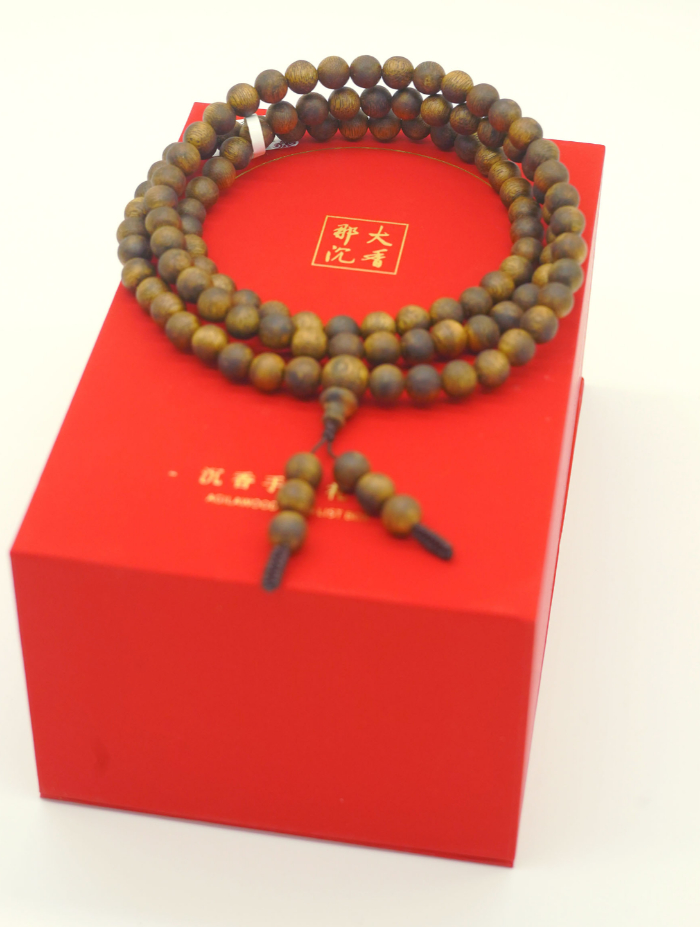
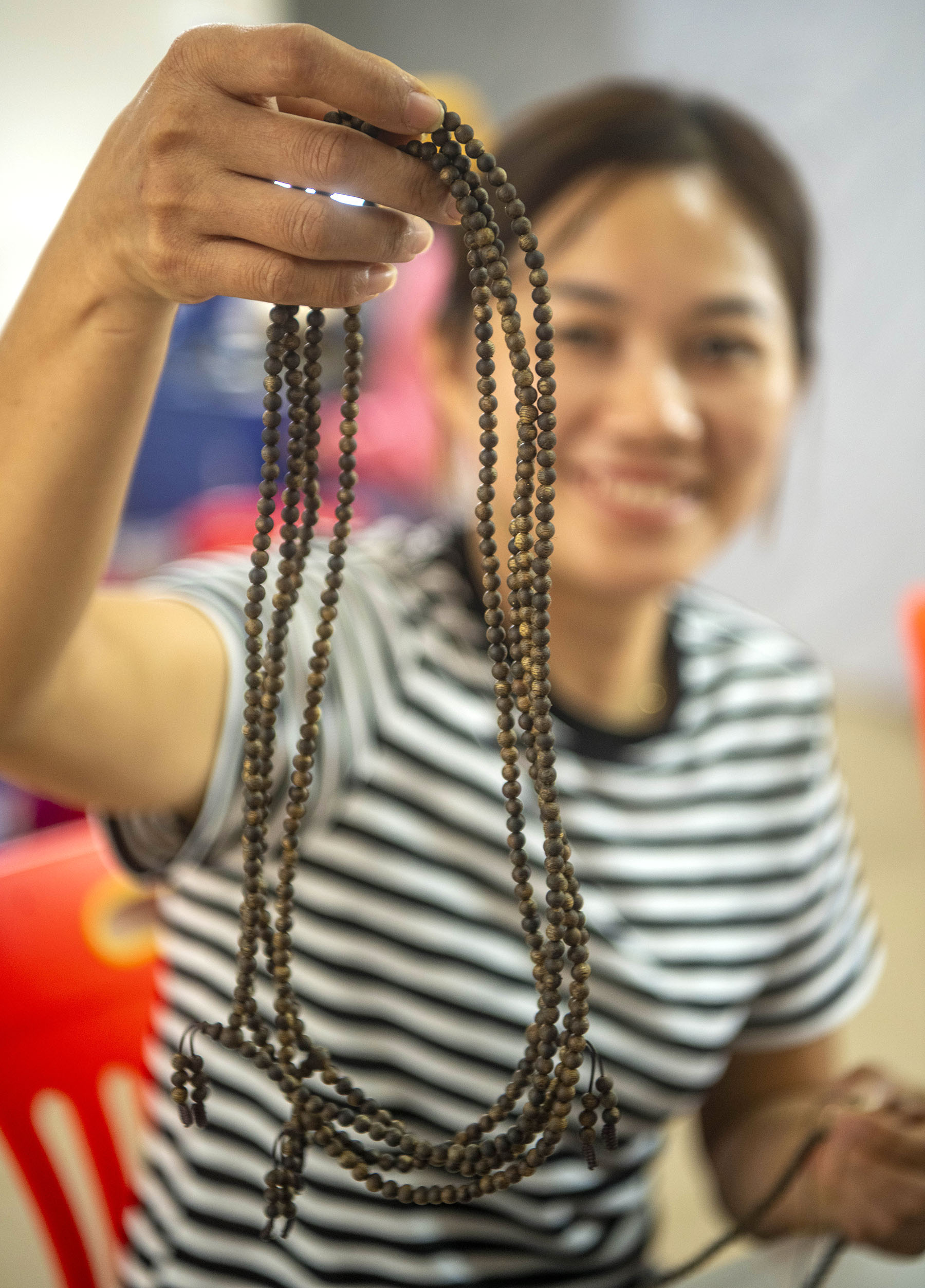
In 2013, Hainan asked Cai to represent the agarwood industry at an international exhibition in Beijing, where he demonstrated traditional processing techniques. "The things I brought were sold out in half a day," he said. On the first day of the exhibition, his handmade agarwood bracelets sold for 460,000 yuan.
Returning from Beijing, Cai decided his village should plant agarwood. The following year, he helped establish an agarwood planting cooperative. Villagers provided land, and the cooperative provided investment, technology and sales channels. Profits were shared. Dozens of households now participate in agarwood cultivation and processing. The cooperative produces incense, bracelets, essential oils, tea and other related products.
Despite the industry's rapid growth, Cai has stuck with the traditional method of creating the resin.
"It takes hard manual work — using saws, electric drills and controlled burning — to imitate the natural forces that wound the trees so they can produce the fragrant resin," he said.
He is skeptical of attempts to accelerate production through chemicals. "Those methods may be faster, but they compromise the quality. Good agarwood needs time."
Betting on a slower tree
In 2020, Hang Yong cut down 23,000 profitable areca palms. At the time, areca prices were at an all-time high, and the trees could generate nearly 10 million yuan annually.
"Nobody understood," Hang said. "Even today, many people still don't understand."
Hang had no background in agarwood. Originally from the northern Inner Mongolia autonomous region, he worked in telecommunications before starting his own company.
In 2016, he arrived in Hainan seeking warmer winters. Like many, he imagined retirement. But instead of buying property, he wanted to build something of his own.
In 2017, when the Hainan government encouraged the building of shared farms with policy support, he established his own farm in Qiongzhong Li and Miao autonomous county, in central Hainan. At first, the farm focused on other crops, including areca palm. Then, in 2019, he met local agricultural experts who showed him the potential of agarwood.
Hang traveled to Maoming in Guangdong, a major agarwood distribution center, to visit planting bases, processing companies and markets. He saw how the industry worked and met the people who later became his partners.
"I visited the plantations, the processors and the traders," Hang said. "Only then did I decide this was an industry worth waiting for."
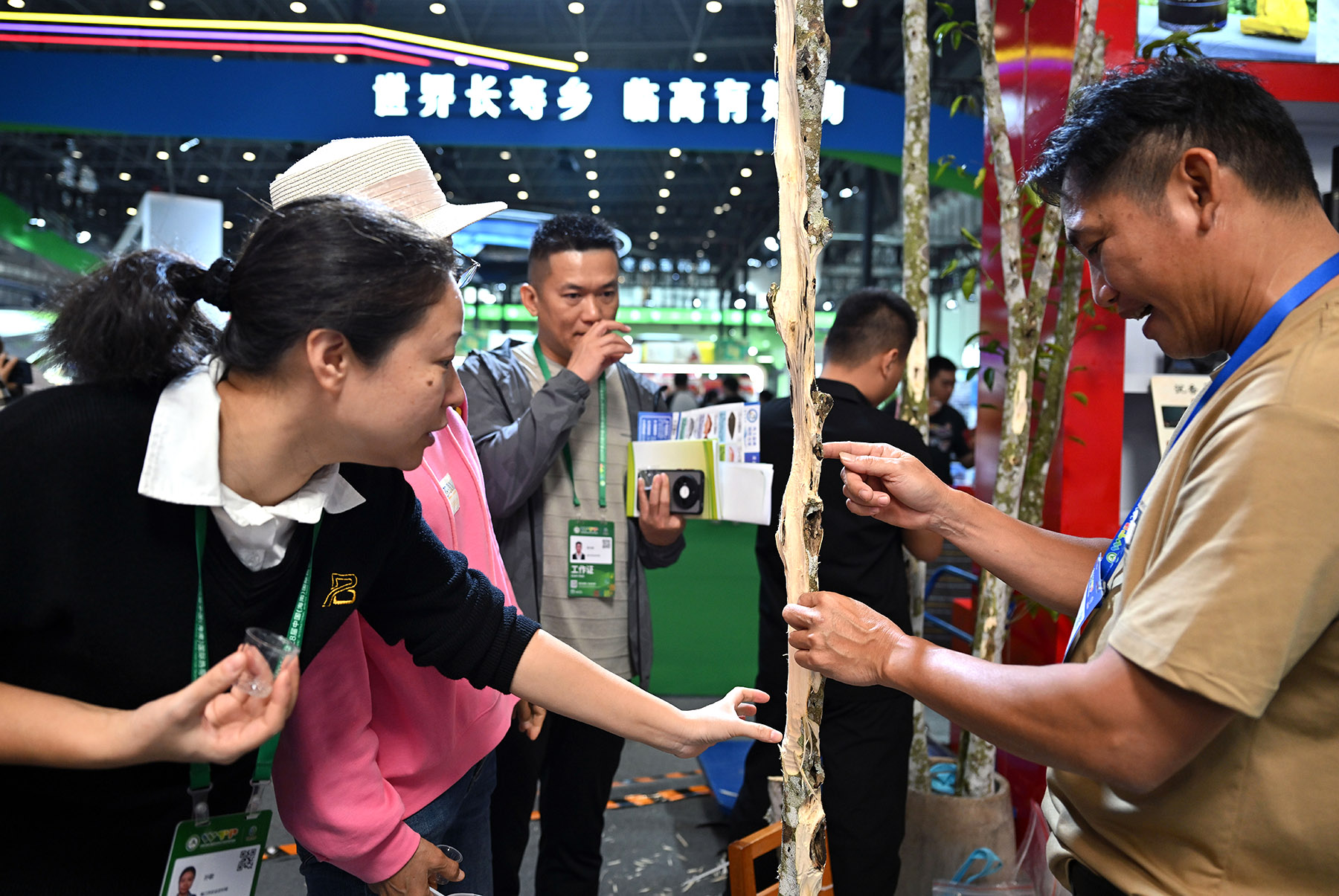
His decision to clear the areca, he explained, was based on the belief agarwood could provide income plus an industry — with processing, tourism, and a long-term value that a single crop could never match.
His friends thought he had lost his mind.
Since then, Hang has planted 400,000 agarwood trees. His farm, which spans 187 hectares, is now a major agarwood plantation in Hainan.
Hang also wants visitors to understand what agarwood actually is, so his farm combines agarwood forests with tourism experiences, providing camping areas, outdoor activities and ecological projects.
ALSO READ: Rainforest brings gibbons back from edge of extinction
"Many people have heard of agarwood, but they don't know it comes from a tree. There has to be an experience," he said.
He believes filling that gap in knowledge represents the future market. "Agarwood has only just begun," he said.
Hang has signed strategic cooperation agreements with other major agarwood companies in Hainan.
"Ten years ago, all agarwood products could fit in a 10-square-meter room. Today, you couldn't fit them in a large exhibition hall. The market is still in its infancy. It's big enough for everyone," he said.
Contact the writers at yangfeiyue@chinadaily.com.cn
