

Hong Kong’s major innovation incubator and government officials reiterated their long-term support for cell and gene therapy (CGT) on Thursday, emphasizing the importance of better policy and standards alignment.
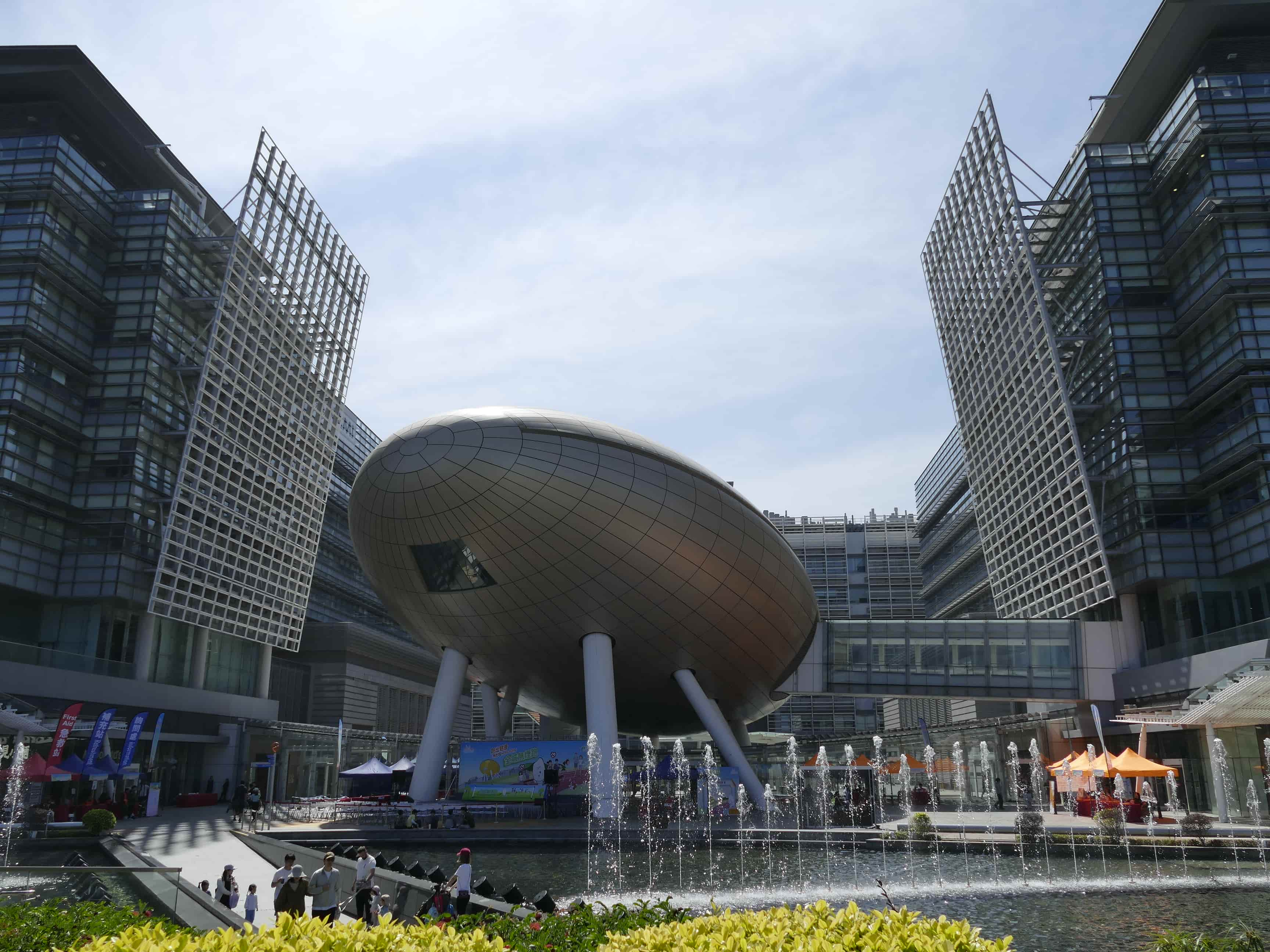
Local biomedical enthusiasts expressed their confidence in the international competitiveness of Hong Kong’s CGT sector, with patients and doctors sharing firsthand accounts of treatment and recovery during an event held at the Hong Kong Science Park. The innovation community now hosts over 2,500 technology companies working in the fields of artificial intelligence, robotics, life and health tech, green technology and advanced manufacturing.
At the forefront of the healthcare sector, CGT is applied to modify the expression of a gene or to alter cells for treatment. It is currently used to treat certain cancers and genetic diseases that are difficult to address with conventional therapies.
The event showcased local enterprises’ CGT achievements and was attended by 200 scholars and representatives from medical companies.
ALSO READ: Greater Bay Area emerges as launchpad for China's biotech rise
A highlight was the city’s first licensed allogeneic mesenchymal stem cell manufacturing plant, which has earned PIC/S GMP (Pharmaceutical Inspection Co-operation Scheme / Good Manufacturing Practice) recognition, an international gold standard for pharmaceutical manufacturing quality.
Opened by Hong Kong Regen Medtech Ltd in May, the plant can produce advanced therapeutic products for clinical trials.
Senior executives from over 10 technology firms based in the park, all specializing in advanced CGT, outlined their latest clinical work and strategic outlook across three sessions — on gene therapy and emerging platforms, stem cell therapy, and CAR-T and immunotherapy — before a patient-physician talk.
Terry Wong Ping-sau, CEO of Hong Kong Science and Technology Parks Corp, said Hong Kong holds a “uniquely advantageous position” to drive CGT development, as the country’s 15th Five-Year Plan (2026-30) has placed biomedicine among emerging pillar industries for future growth.
READ MORE: China ‘emerging a global leader’ in biotech business
Wong cited Hong Kong’s competitive strengths as including its world-class regulatory standards, robust intellectual property protections, free trade policies, and its position as a direct gateway to the vast Chinese mainland market.
Wong reported that over 360 life and health technology companies are now based at the park, working across gene therapy, stem cells, and immune oncology.
He expressed hope that CGT will be prioritized in Hong Kong’s first five-year plan and reaffirmed the park’s commitment to advancing therapy through improved manufacturing quality, alignment with global regulatory standards, and more efficient translation of research outcomes into clinical applications.
Andy Wong Wai-cheuk, head of innovation & technology and life & health sciences at Invest Hong Kong — a government body overseeing external direct investment — said, “Hong Kong is definitely an ideal platform for CGT development.”
READ MORE: HKSTP, five local universities lead record biotech delegation to BIO 2026
He attributed Hong Kong’s strengths to a conducive ecosystem, which includes top-tier universities leading in life sciences and medicine basic research, cutting-edge technology transfer facilities, substantial government incentives for commercialization, and a business-friendly climate reinforced by its status as an international financial center.
He added that a one-stop regulatory and administrative framework is under development to support faster approvals for new drugs and medical devices.
In March, Hong Kong’s health authorities began phasing in a primary evaluation pathway for the registration of new drugs. This first phase allows independent assessment for drugs with registered active chemical ingredients to be approved for expanded uses, such as new indications, strengths, and dosage forms, without waiting for clearance from nonlocal regulators.
Broader plans include setting up the Hong Kong Centre for Medical Products Regulation and achieving full primary evaluation capability by 2030.
At the event, a mother identifying herself as Jessica shared her experience of receiving in utero maternal hematopoietic stem cell transfusion treatment — led by a research team at the Chinese University of Hong Kong — four years ago after learning during pregnancy that her fetus had alpha-thalassemia major.
She recounted that she had been pregnant with an alpha-thalassemia major fetus 10 years earlier but was unable to continue the pregnancy because of the limitations of medical technology at the time.
“A decade on, I faced the same diagnosis again. I had already lost hope and thought I couldn’t carry the pregnancy to term,” she said. “But when I learned that a new CGT treatment was available, I decided to give it a try.”
Jessica gave birth safely, and her child successfully received a stem cell transplant at age 2.
“I’m deeply grateful for such a new treatment option,” she said.
Contact the writer at wanqing@chinadailyhk.com
