

An art museum is holding two simultaneous shows that represent the rich traditions and modern interpretations of Chinese and Venetian artisanship, Zhang Kun reports.
Two exhibitions opening at the same time at the Shanghai Jiushi Art Museum on July 18 present a dialogue of materials between glass and porcelain, as well as the cultures of China and Italy.
The exhibition Worlds Within a Glaze: Ming and Qing Monochromes from the Shanghai Museum, on display in the third-floor gallery of the museum until Feb 14, 2027, marks the first collaboration between Jiushi Art Museum and Shanghai Museum.
Fifty pieces of exquisite monochrome glazed porcelain dating from the Ming (1368-1644) and Qing (1644-1911) dynasties, have been carefully selected for the exhibition from the collection of Shanghai Museum, says Chu Xiaobo, director of Shanghai Museum. They are displayed in the century-old Western-style McBain Building located on the Bund by the Huangpu River.
ALSO READ: Flora illuminates a masterful exhibition
"We warmly invite you to explore the exhibition, where the purity of the glaze colors conveys the consummate aesthetics of ancient China, as well as the multi-millennial cultural heritage and values behind them," Chu said at the opening ceremony on July 20.
Monochrome glazed porcelain can be traced back to the proto-green glazed porcelain of the Shang (c.16th century-11th century BC) and Zhou (c.11th century-256 BC) dynasties. It flourished during the Tang (618-907) and Song (960-1279) dynasties. By the Ming and Qing dynasties, Jingdezhen in Jiangxi province had built on the achievements of previous ages, creating a full range of monochrome glazed porcelain — some inspired by antiquity, others newly devised — forming a remarkable spectrum of ceramic art.
Forged over millennia, monochrome glazed porcelain stands as the apex of ancient Chinese ceramic art, according to Peng Tao, head of the ceramic research department at Shanghai Museum and curator of the exhibition. Monochromes eschew painted motifs and elaborate carving, relying solely on the color of the glaze and the form of the vessel to convey boundless beauty through extreme simplicity.
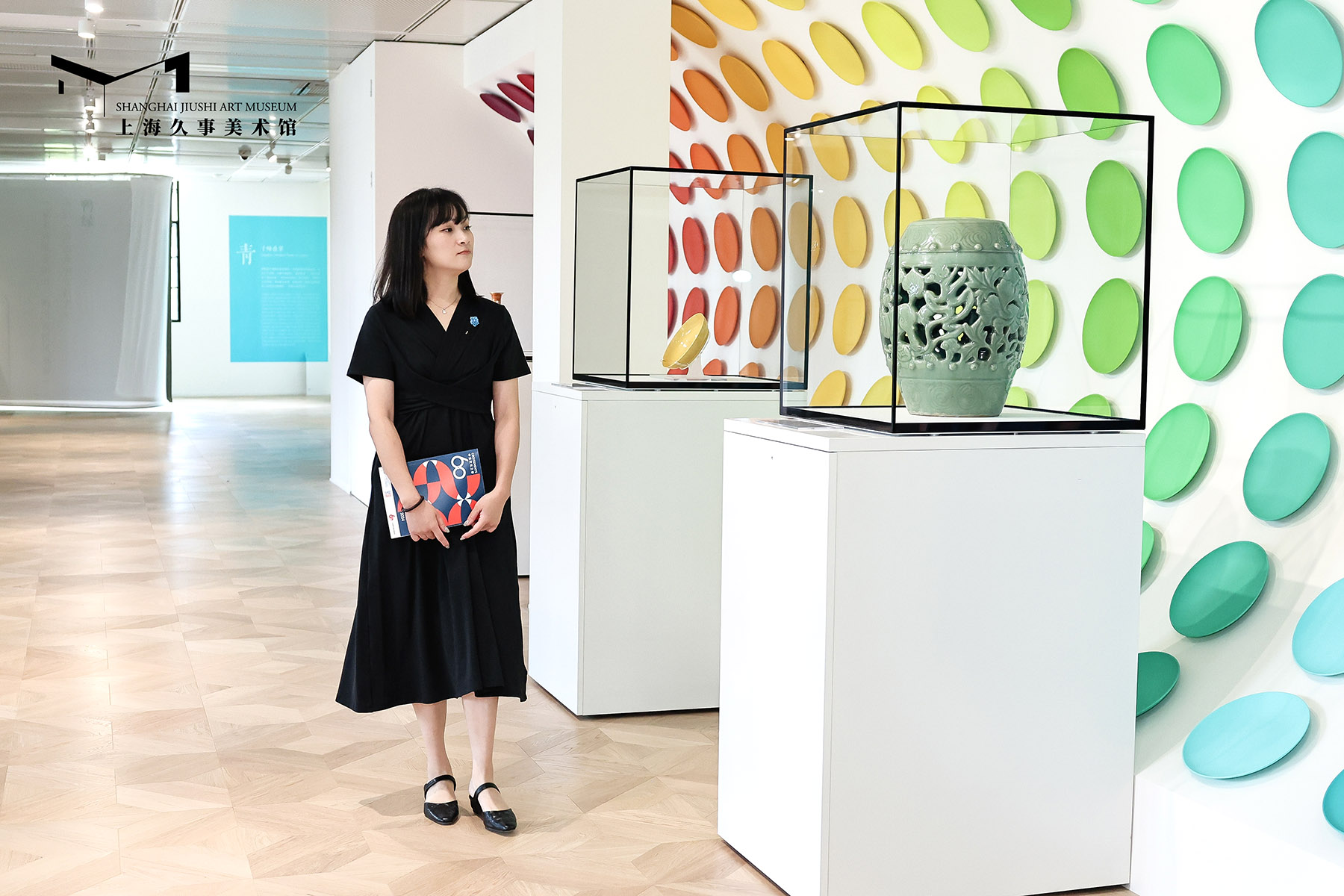
The exhibition is designed in five sections, each featuring one color: white, yellow, blue, red and celadon (soft, pale green). These rich colors were achieved thanks to the mastery of fire, clay, and metals by ancient artisans, Peng says. When metals such as iron, copper and cobalt are mixed into the glaze slip, they undergo transformation under the intense heat inside the kiln and give rise to a vast variety of colors. That's how the resplendent beauty of monochrome glazed porcelain was created, he explains.
On the other hand, the cultural connotations of monochrome glazed porcelain extend far beyond mere aesthetics. In ancient China, colors were used to indicate social ranks. This philosophy significantly influenced the functions of the porcelain.
During the Ming Dynasty, imperial decrees required all ritual vessels to be made of porcelain and prescribed specific glaze colors at different state altars. In this context, glaze colors provided more than just visual pleasure; they represented ritual norms, beliefs, and the implicit social order.
"One of the things that I am happy about with this exhibition is that it has natural sunlight, which our museum can't provide," Peng says. "When looking at porcelain and its colors, the best light is natural light. If you view it under other lighting, the colors can change a little."
Ha Ling, the designer of the exhibition, told China Daily that new cabinets that are considerably smaller than those at Shanghai Museum were made especially for the display of the exhibits.
"They allow you to appreciate the artifacts from a closer distance, and see more details," he said.
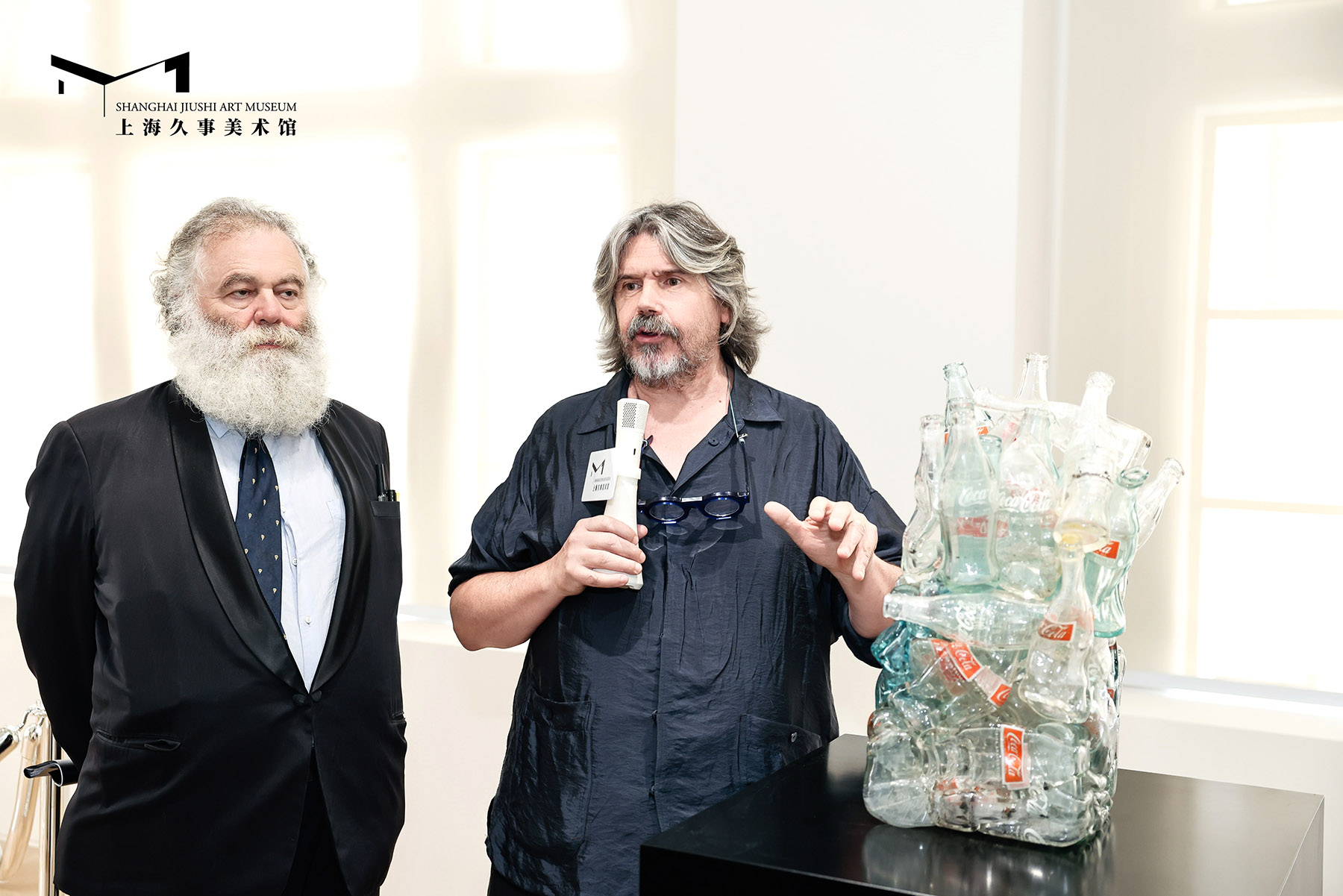
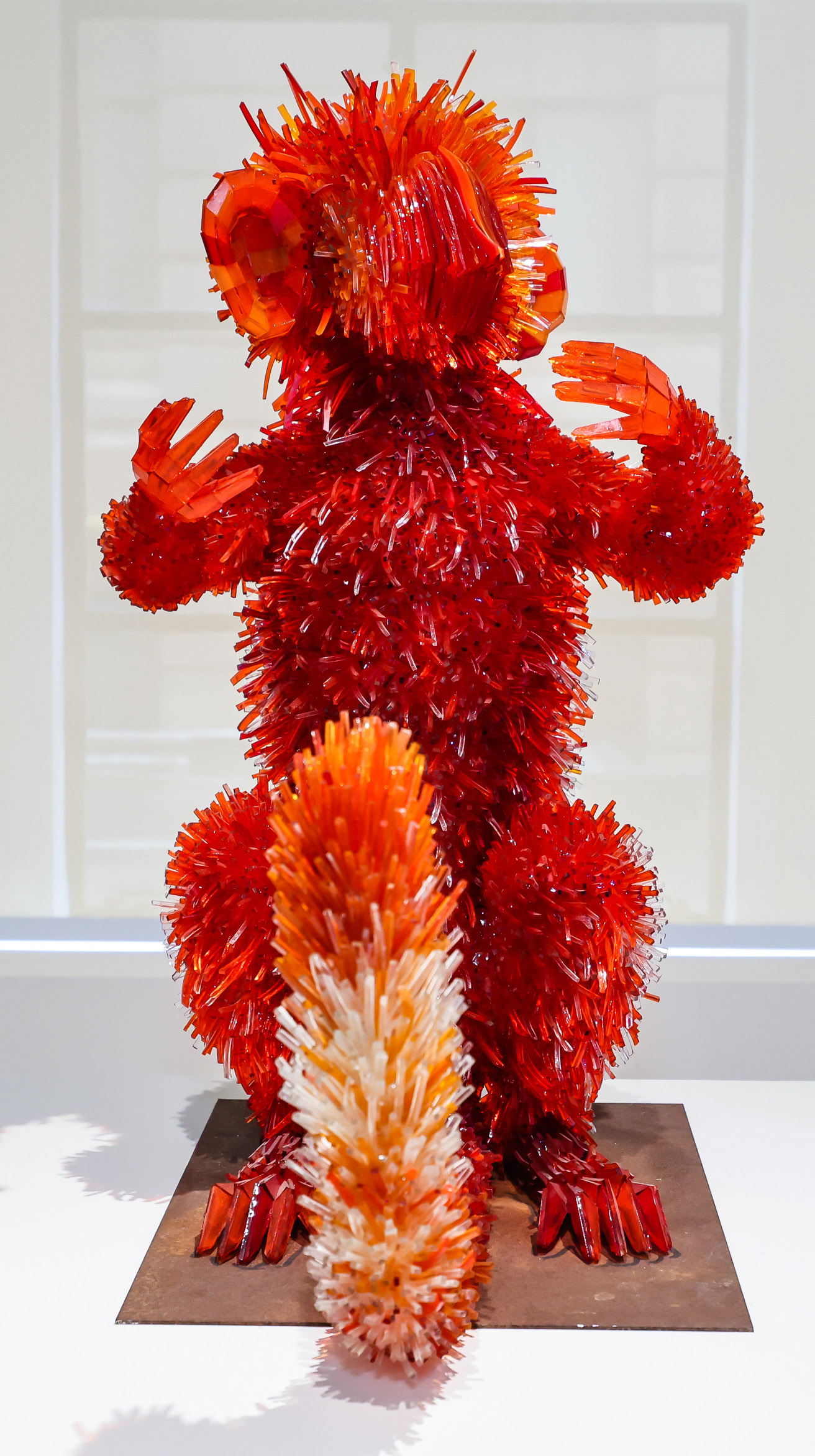
Simultaneously, Glasstress: The Flowing Carnival of Venice is being held on the second-floor gallery of the museum, going on through Oct 18. It features contemporary glass sculptures by artists from 19 countries and regions brought together by the Glasstress project, an international initiative of the Venice Biennale. Exhibitions of the project have toured extensively to cities including New York, London, Stockholm, and St. Petersburg, since its founding in 2009. This is the first time the project has been shown in Shanghai.
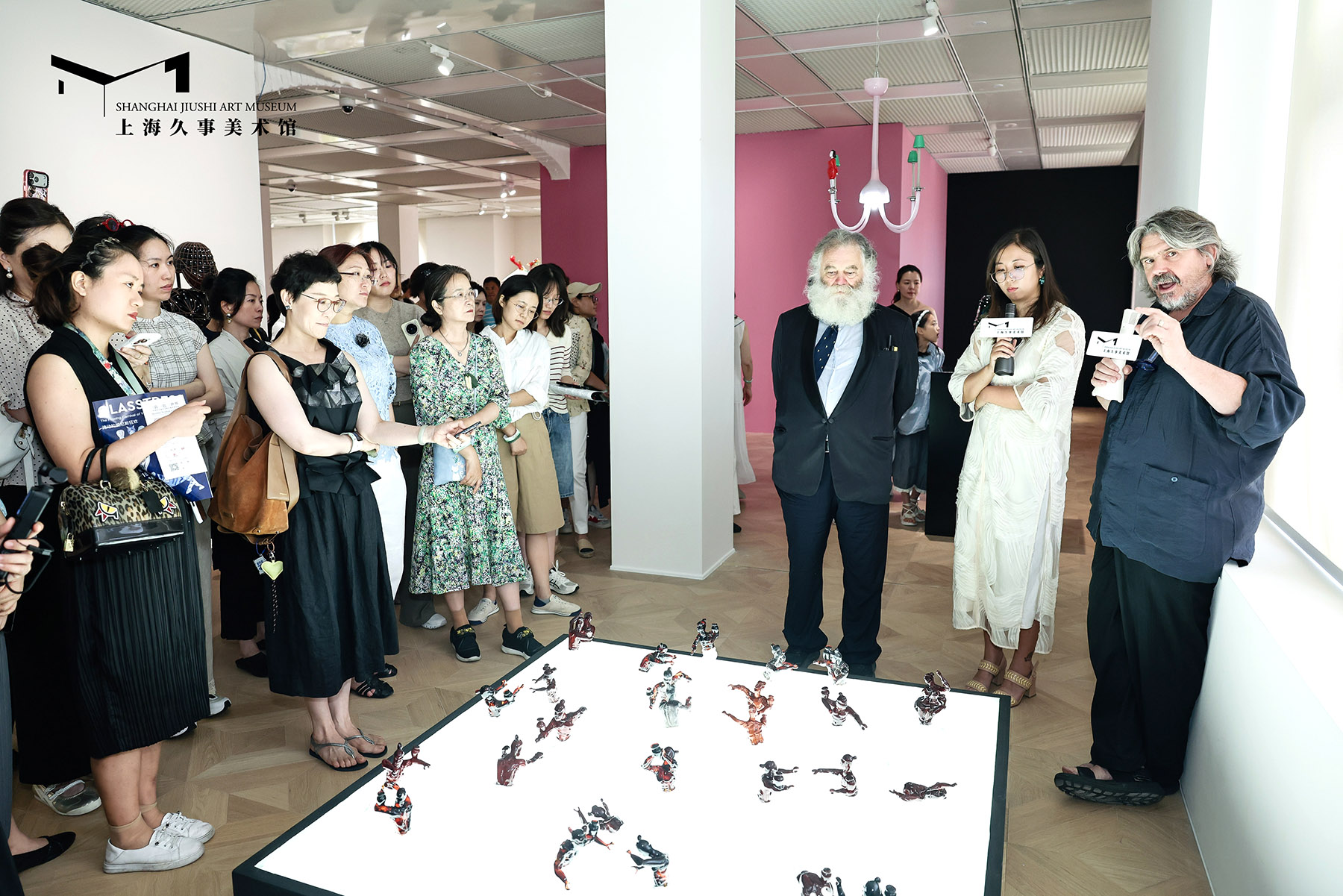
In the 13th century, the Republic of Venice relocated all glass artisans to the island of Murano, one kilometer north of the main island, thereby monopolizing Europe's finest glassmaking craft, says Bao Honglei, co-curator of the exhibition. Since then, Murano has become synonymous with glass. Venetian artisans invented nearly transparent crystal glass, used milk glass to imitate Chinese ceramics, and made mirrors from mercury, which soon took the world by storm.
From 1959 to 1968, modern-art patron Peggy Guggenheim and Egidio Costantini, owner of a leading glass factory in Murano, invited artists such as Pablo Picasso, Max Ernst and Jean Cocteau to create artworks with the help of glass artisans. In the 1980s, the Berengo Studio was founded on Murano, continuing and developing the cross-disciplinary collaboration between traditional craft materials and modern art.
ALSO READ: Exhibition in Shanghai showcases Titian's paintings
In 2009, the Berengo Foundation was introduced, and the Glasstress project launched. It has taken Murano glass out of the traditional realm of building materials and handicrafts, to the modern art arena of conceptual production and formal experimentation, Bao says.
Among the exhibits are artworks created with pulling, casting, and blown glass as well as mixed media. Glass is unique and carries a philosophy in itself, says co-curator Jean Blanchaert. "It has this kind of transparency that you can never reach with another material."
He talks about the imperfection of all the different pieces, which he believes is "maybe the most important thing, because the glass master is blowing his emotions together with the soul of the artist to get this done".
With these exhibitions at the Shanghai Jiushi Art Museum, visitors have the chance to appreciate the cultures of both China and Italy, and gain insight into the differences and constancy of glass and porcelain.
Contact the writer at zhangkun@chinadaily.com.cn
