

Spain lifts second FIFA World Cup as China looks to youth to secure a return to soccer’s global stage
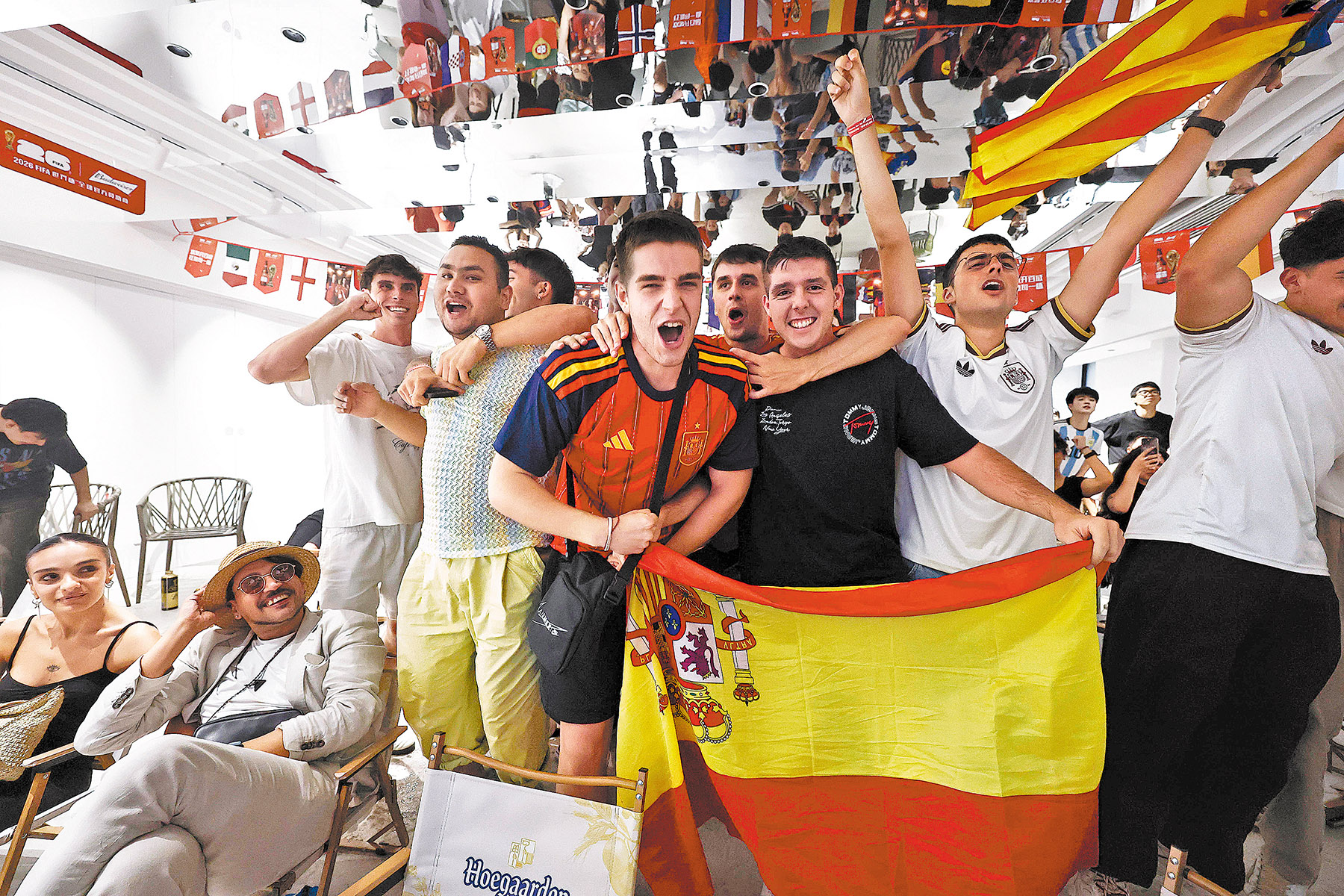
Spain is back atop the soccer world for a second time, after Ferran Torres’ sole goal of this year’s FIFA World Cup gave his country a 1-0 win over now-dethroned champion Argentina in the final in East Rutherford, New Jersey, on July 19.
“It was a goal scored by 47 million people,” Torres said, referring to Spain’s population.
Spain denied Argentina’s Lionel Messi a second straight title in what he has indicated was his final World Cup match.
Torres, a second-half substitute, pounced on a bouncing ball in the box and used his left foot to bury a shot just under the crossbar in the 106th minute.
Spain — which also won the title in 2010 — allowed only one goal in eight matches in this World Cup-winning run, setting a record for fewest goals allowed by a champion.
Spain is now unbeaten in its last 38 matches — 29 wins, nine draws — surpassing Italy’s run of 37 matches unbeaten from October 2018 through September 2021 for the longest such streak by any European men’s team ever.
Not even Messi’s comeback kings, the lords of the late-game rally at this tournament, had an answer this time.
This title, combined with the Women’s World Cup won by Spain in 2023, makes the European nation the first to hold both the men’s and women’s titles simultaneously.
In the streets of Madrid and across Spain, countless people spilled into the streets, celebrating victory long into the wee hours of July 20.
As Spain lifted its second World Cup and FIFA’s showpiece tournament capped its expanded 23rd edition with global fanfare, many Chinese soccer fans were left wondering how long they would have to wait for the national team to return to this elite international stage.
Despite uninterrupted nationwide excitement over the World Cup, China made its sole appearance in the tournament 24 years ago, and former players said they believe a return would take consistent, concerted endeavors, given the current high standards of international soccer.
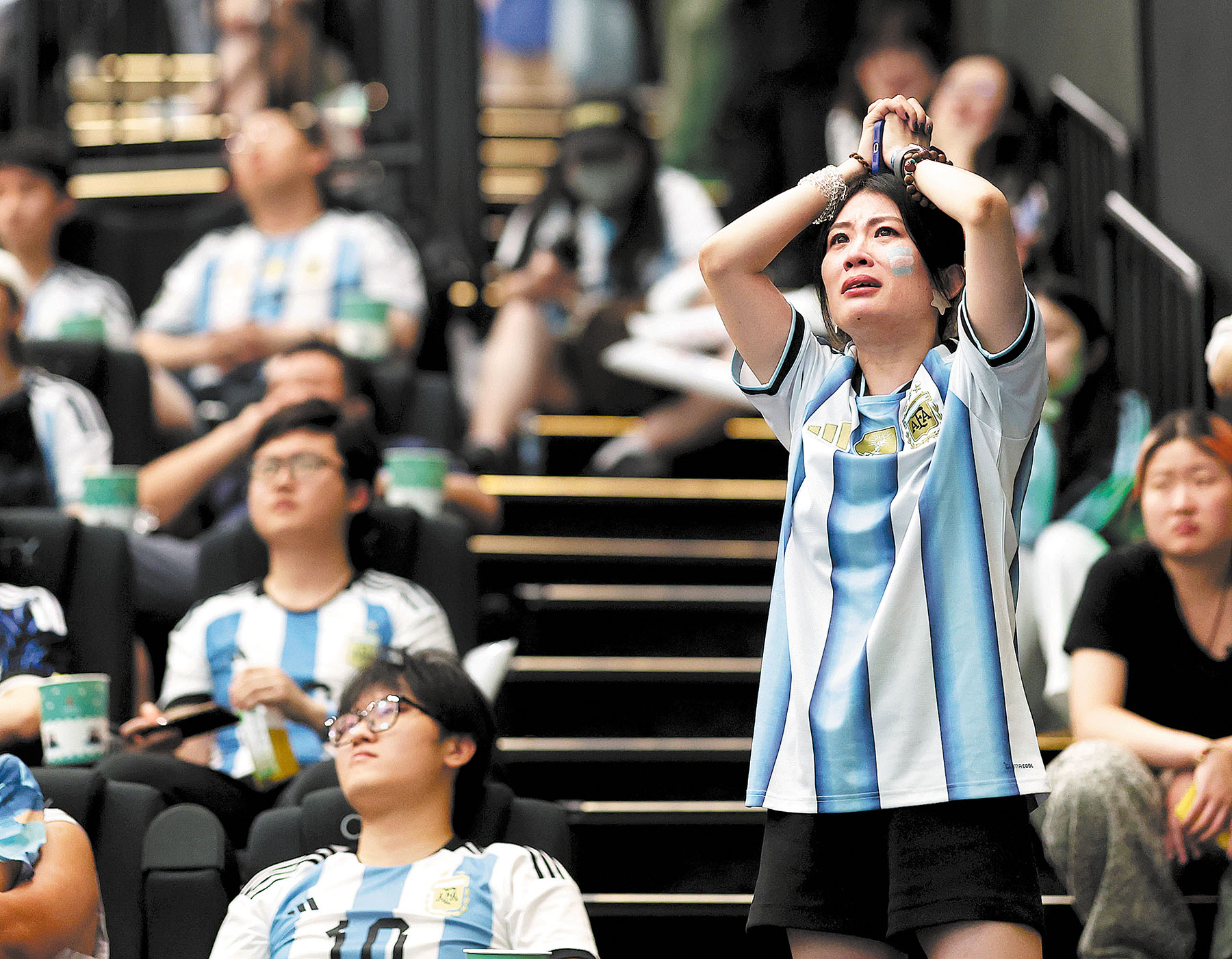
The World Cup remains a global benchmark in the game, and its expanded 48-team edition would require Chinese sports governing bodies, youth development promoters and league operators to invest a great deal of time and effort for the national squad to reenter the tournament, they said.
Former Chinese national soccer star Sun Jihai, 48, gave a running commentary in Beijing on the final match between Spain and defending champion Argentina.
He noted the involvement of Chinese sponsors, referees, and manufacturers in this year’s tournament.
“To see such a strong Chinese presence, we should feel proud. But, I believe, what we all hope to see is our men’s team making it there again,” said Sun, who was a formidable defender on China’s 2002 World Cup team.
“To do it again — not just once, but in a consistent way — we need to work harder, investing long-term effort in youth training and committing to grassroots promotion, instead of relying on the fantasy of a quick-fix,” said Sun, who also played with Manchester City in the English Premier League.
“That’s how all the global soccer powerhouses — and some of the emerging new contenders — do it. There is no other way,” he added.
Sun is not the only one calling for a more pragmatic and consistent plan to revitalize China’s men’s soccer program. After the country’s qualifying hopes for the 2026 tournament were crushed in June last year in the sixth consecutive failure, many in the industry highlighted the complex disconnect between ambitious administrative push and on-field performance.
Xie Hui, 51, top scorer for China in the 2002 FIFA World Cup Asian qualifying tournament, called for building a more robust, grassroots-led talent pipeline.
“We need to invest more in our young people and, quite encouragingly, that’s been a consensus within the nation’s sporting community. We’ve seen some positive signs,” said Xie, who contributed seven goals during China’s qualifying campaign 24 years ago, but was dropped from the final World Cup team roster due to injury.
“I think the examples of the world’s best teams, such as Spain — and those other fast-improving nations — have all proven that there is no shortcut to success,” he added.
On a more positive note, Xie pointed out that China’s Under-17 squad made it to the Asian Cup final in May and, thereby, secured a spot in the U17 World Cup scheduled before the end of the year in Qatar.
The Chinese Under-23 soccer squad also reached, in January, the Asian Cup final in that age category, a first for the team in 22 years. These achievements bode well for the revival of Chinese men’s soccer on the global stage in the future, Xie said.
The inspiring campaigns pulled off by the two youth squads, despite both losing to continental powerhouse Japan in their respective finals, have lifted the spirits of the whole nation, offering Chinese fans a rare reason to celebrate.
Sun, the former national defender, said, “Only by making soccer more popular among children on school campuses — and everywhere else in the country — do we stand a chance of joining the world’s best.”
Contact the writers at sunxiaochen@chinadaily.com.cn
