

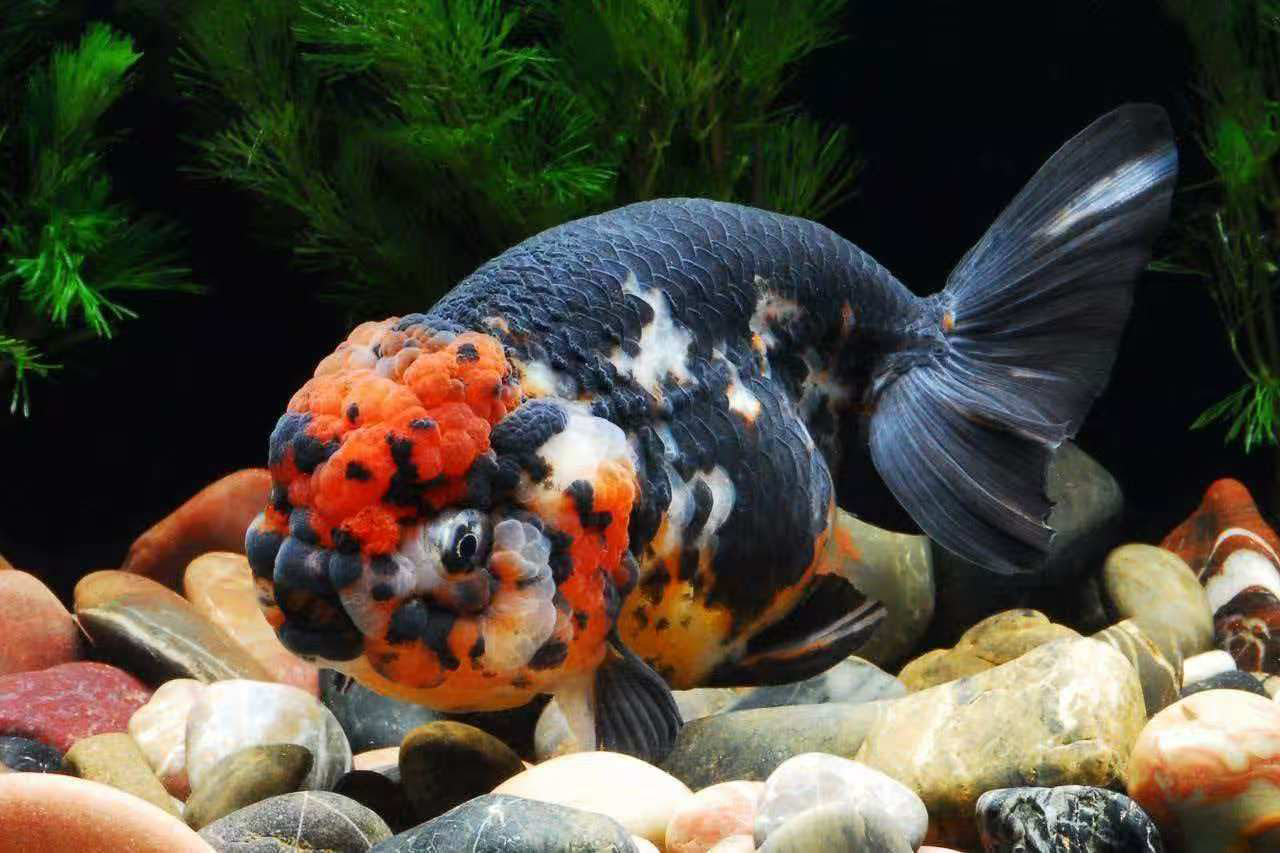
The opening day of the annual Hong Kong Book Fair on Wednesday saw the launch of two Chinese books on goldfish — a species whose ability to reproduce in a variety of mutated color combinations was recorded as early as the Jin Dynasty (265-420) and whose presence in Chinese households, both as household pets and in the form of cultural objects, remains a popular choice. Of the two titles, The Connoisseurship of Goldfish is a three-volume encyclopedia compiled by Patrick Chan, while The Story of Goldfish is its user-friendly concise version.
Volume I of the goldfish encyclopedia narrates the history of keeping goldfish as household pets. Goldfish became a part of Chinese royal households during the Song Dynasty (960-1279). The trend gathered momentum under successive emperors, reaching its peak during the reign of Emperor Qianlong (1711-99). This is evident in several artifacts from the Qianlong era, including a double-layered porcelain vase with swimming goldfish motifs, now part of the collection of the Palace Museum, Taipei.
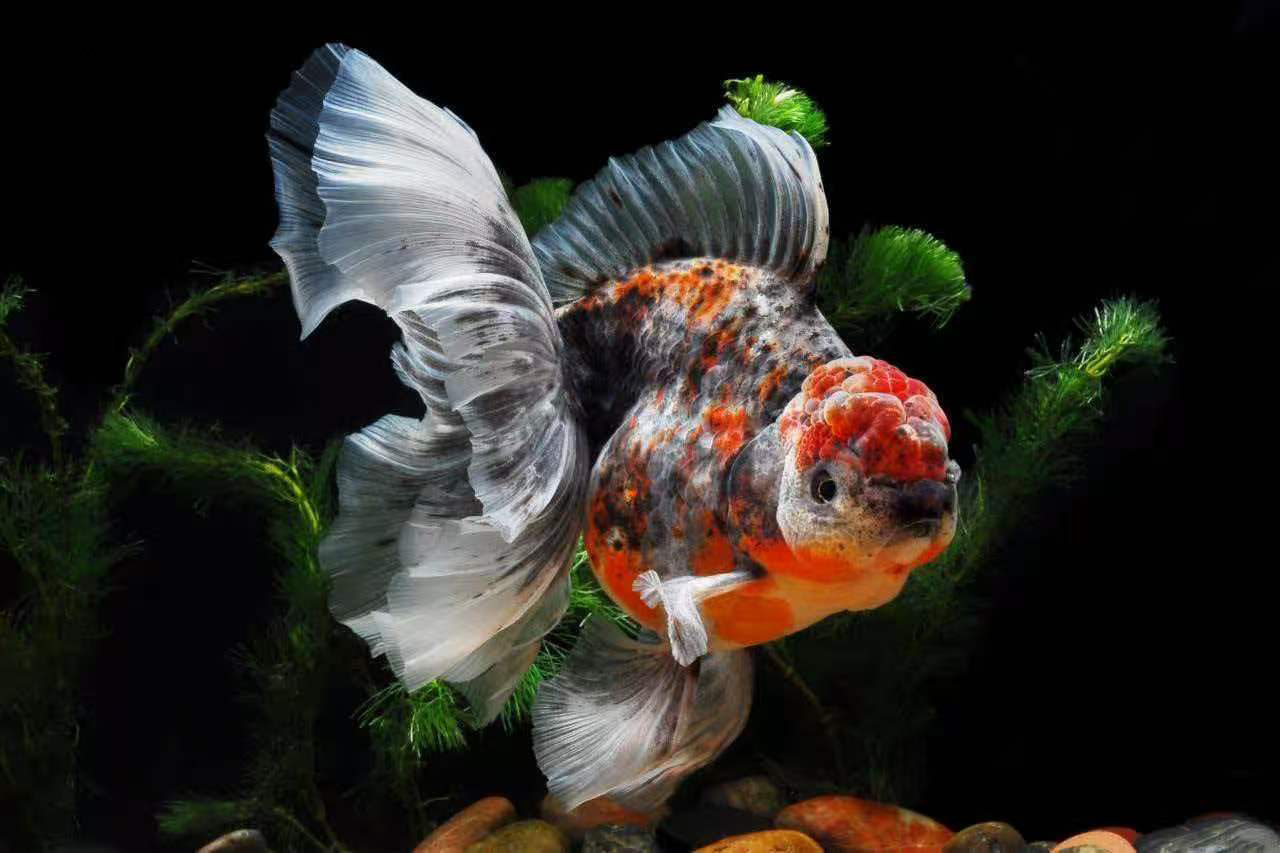
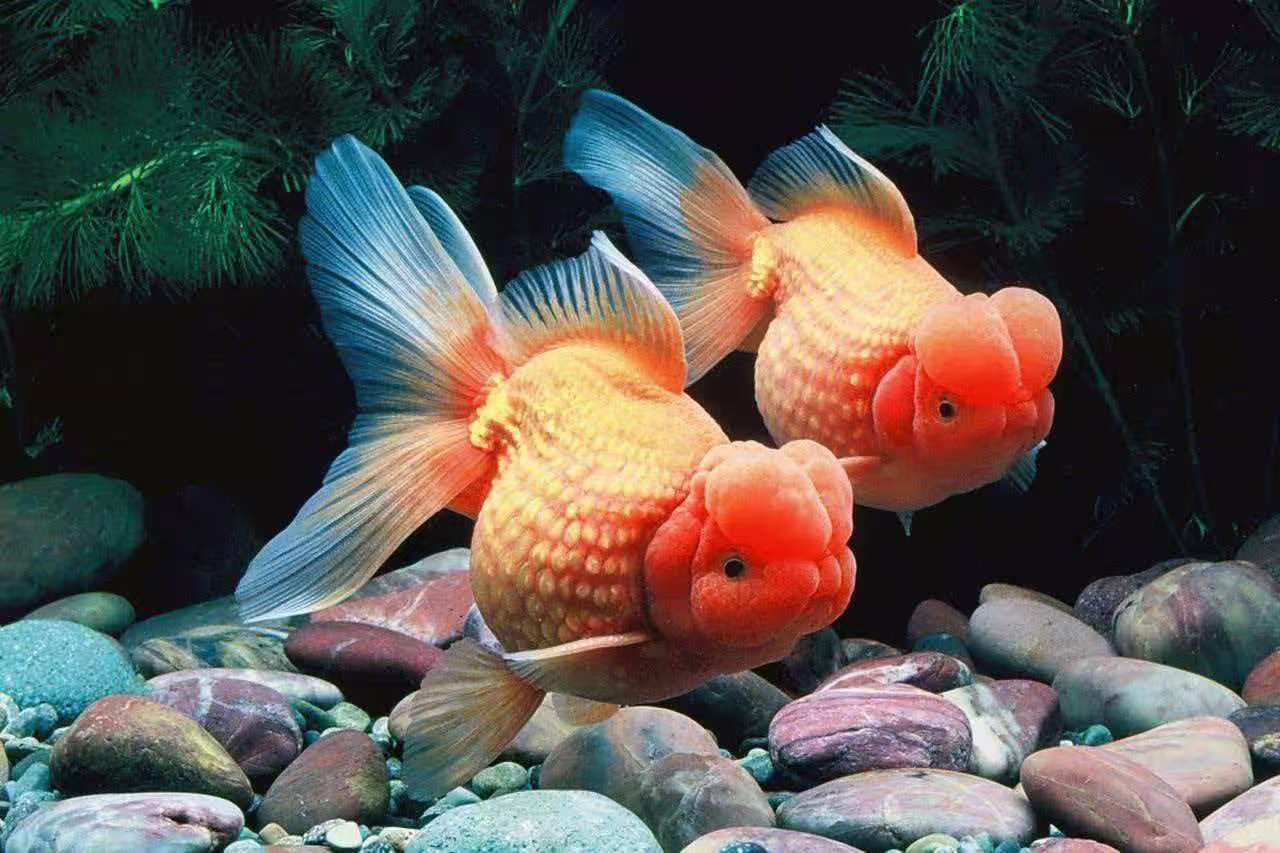
Volume II contains more than 1,000 photos of goldfish taken by Chan over three decades. These images serve as a record of the ways in which breeders have engineered genetic mutations of the species in keeping with market demand.
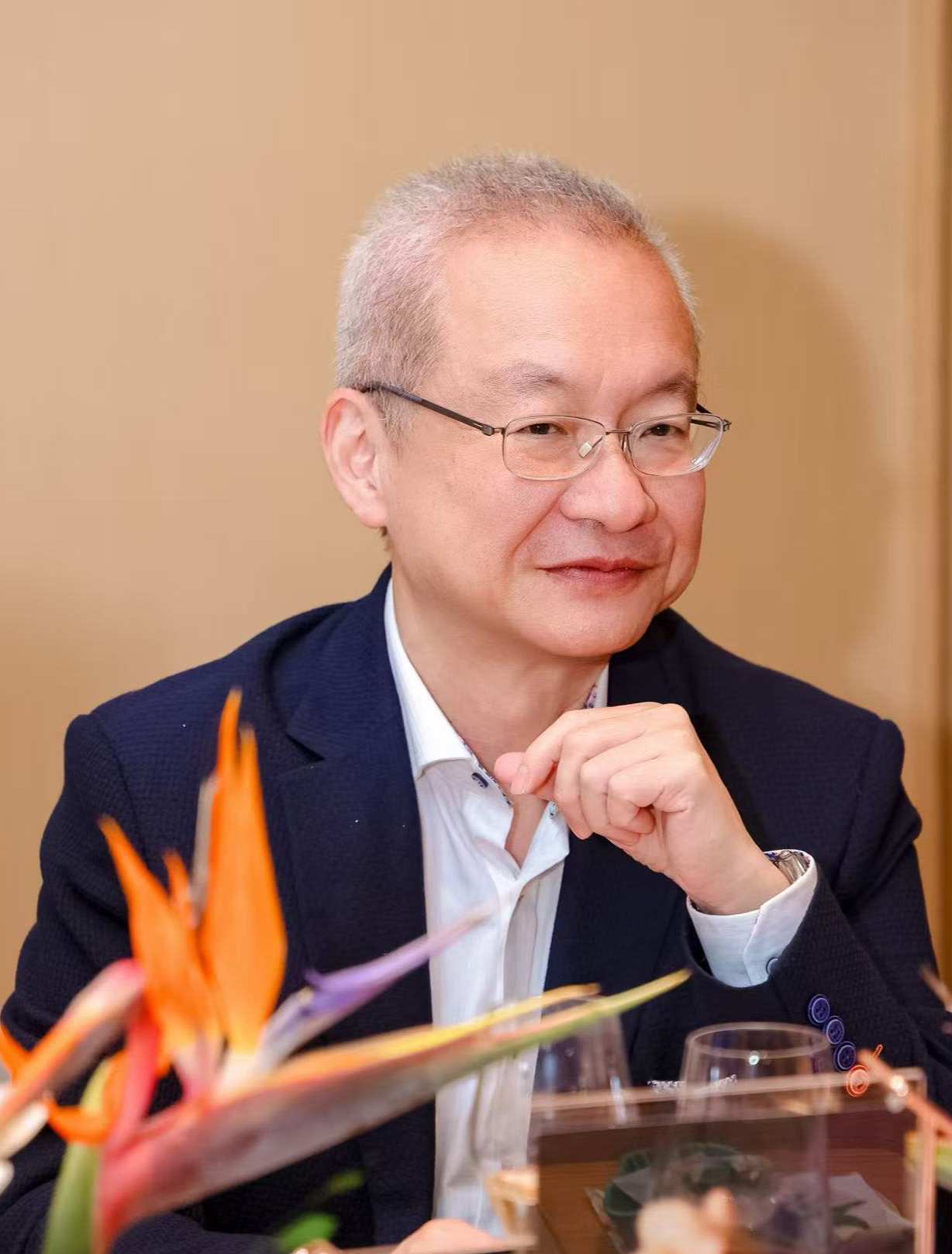
Chan says that Hong Kong’s dalliance with goldfish breeding did not last more than half a century. From the ’50s up until the ’80s, the city had thousands of licensed pig farms. The waste from these farms sustained the bloodworms used to feed the local goldfish. After the government launched a program to gradually downsize pig farming owing to environmental concerns, the majority of the city’s goldfish farms folded as well. Today the popular Hong Kong tourist spot — the goldfish retail shops in Tung Choi Street — get their stocks from the Chinese mainland, Thailand, and Japan.
Volume III turns the spotlight on the representation of goldfish in art and artifacts from the Ming Dynasty (1368-1644) to the present. It covers a diverse range of art forms, from Chinese calligraphy to Japanese Ukiyo-e prints, and everything in between.
Chan himself has an impressive collection of goldfish-themed antique objects, including a blue-and-white porcelain plate recovered from the Dutch East India Co ship Geldermalsen, which sank off the Indonesian coast in 1752. He says that the outwardly flipped gill cover of the goldfish images painted on the plate serves as an authentic record of the breed’s existence during the Qianlong era.
The author adds that he has spent half his lifetime working on the project. He consulted resources in the British Museum, the British Library, New York’s Metropolitan Museum, and the Museum of Natural History in Paris among other high-profile archives for his research.
ALSO READ: Book fair hailed as a gateway for deeper intl cultural ties
He says that the goldfish species is the result of one of “the earliest genetic engineering programs conducted by mankind” — a claim, he adds, even Charles Darwin, the proponent of the theory of evolution, took seriously enough to make a note of in On the Origin of Species (1859).
If his readers were to take away one thing from The Connoisseurship of Goldfish, Chan hopes that they recognize “the preciousness of our Chinese culture”, manifest in the fact that goldfish has such a special place in it. “It is something we should be proud of,” he says.
The writer is a freelance contributor to China Daily.
