

Ningxia offers glimpse of how country envisions one of its oldest and most important industries evolving
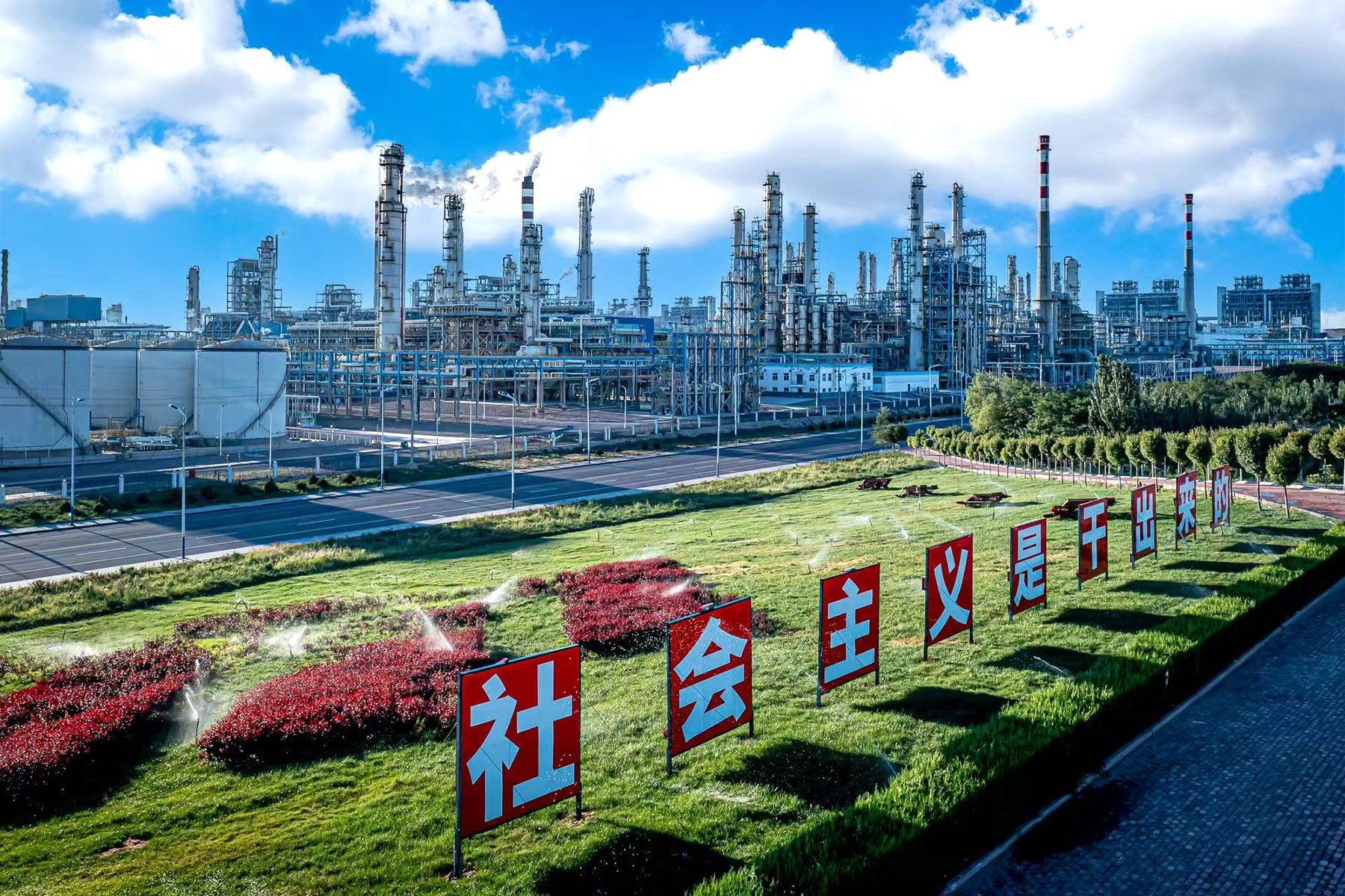
On the edge of the desert in the Ningxia Hui autonomous region, towering coal-to-liquid plants, sprawling solar farms and one of the world's largest green hydrogen projects are reshaping a landscape once known mainly for its coal reserves.
The transformation of the Ningdong Energy Chemical Industry Base, one of the world's largest modern coal chemical hubs, illustrates China's efforts to reconcile two often competing priorities: safeguarding energy security while accelerating the transition toward lower-carbon industrial growth.
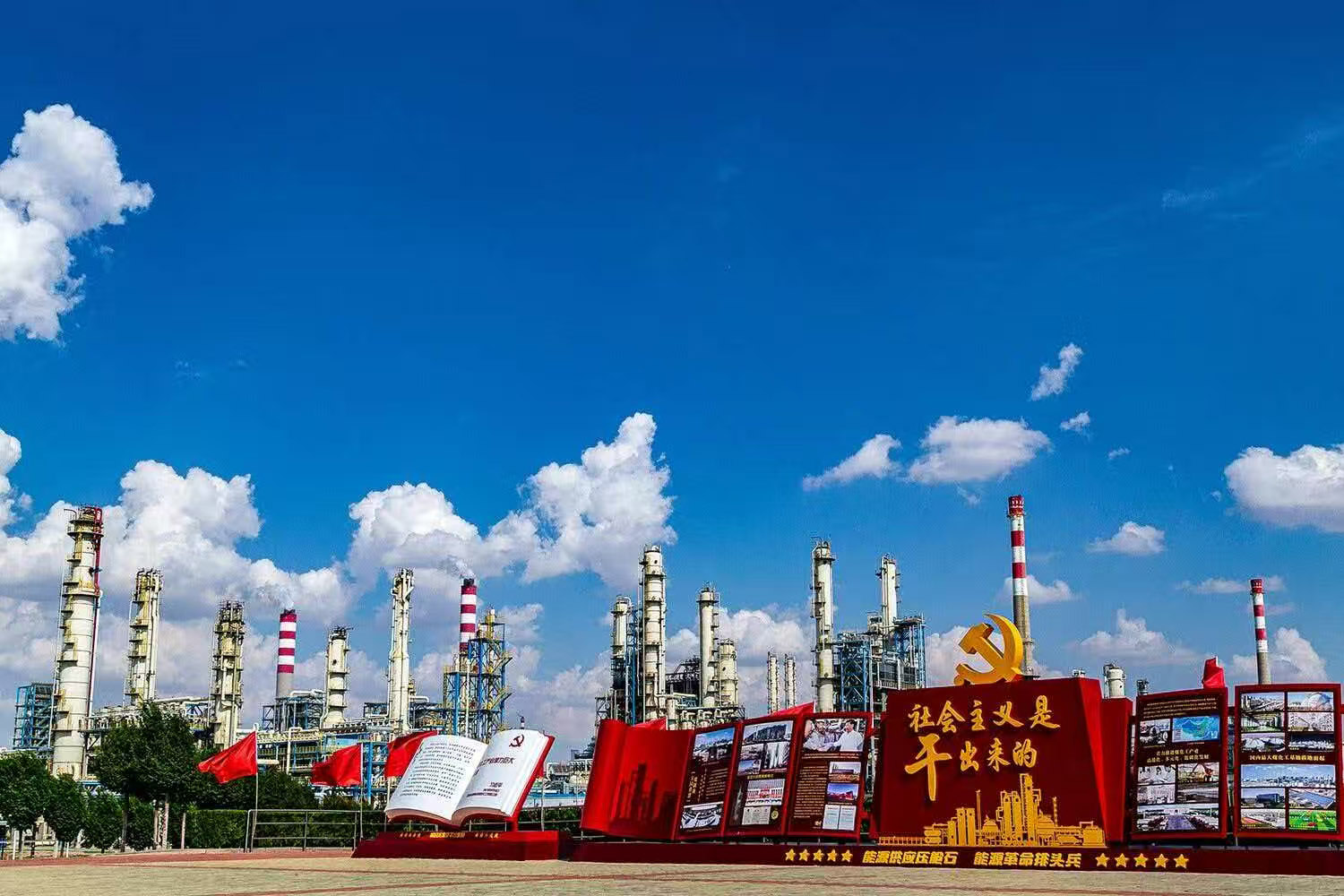
The industrial base has become a cornerstone of China's energy system ever since President Xi Jinping visited twice, most notably in 2016 when Xi called large-scale modern coal chemicals a strategic exploration for national energy security and declared that "socialism is built through hard work".
READ MORE: Diversification, innovation key to energy security
That message has become the base's defining slogan.
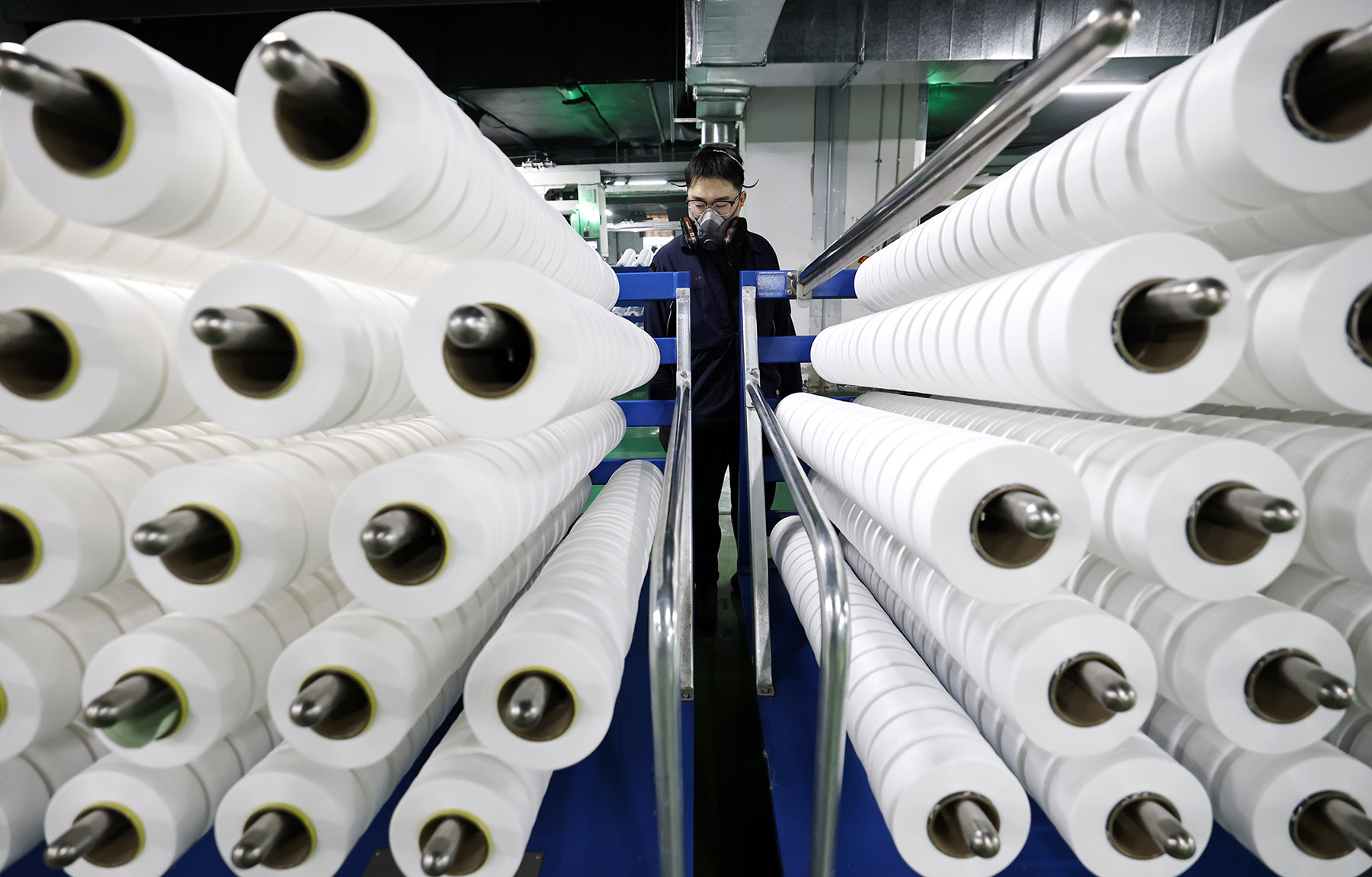
Over the past decade, Ningdong's annual industrial output has more than doubled to over 200 billion yuan ($29.5 billion), making it one of China's five largest chemical industrial parks and the first in western China to surpass the 200-billion-yuan threshold. Its industrial value-added has grown 2.3-fold since 2016 and now contributes more than half of Ningxia's industrial growth.
Rather than relying on raw coal production, the complex has expanded into higher-value manufacturing.
Its coal-to-liquids facilities now produce more than 4.6 million metric tons annually, the largest single-site capacity in China, while coal-based olefin capacity has reached 4.2 million tons, accounting for roughly one-fifth of national output.
At the same time, Ningdong is building one of China's largest integrated energy systems.
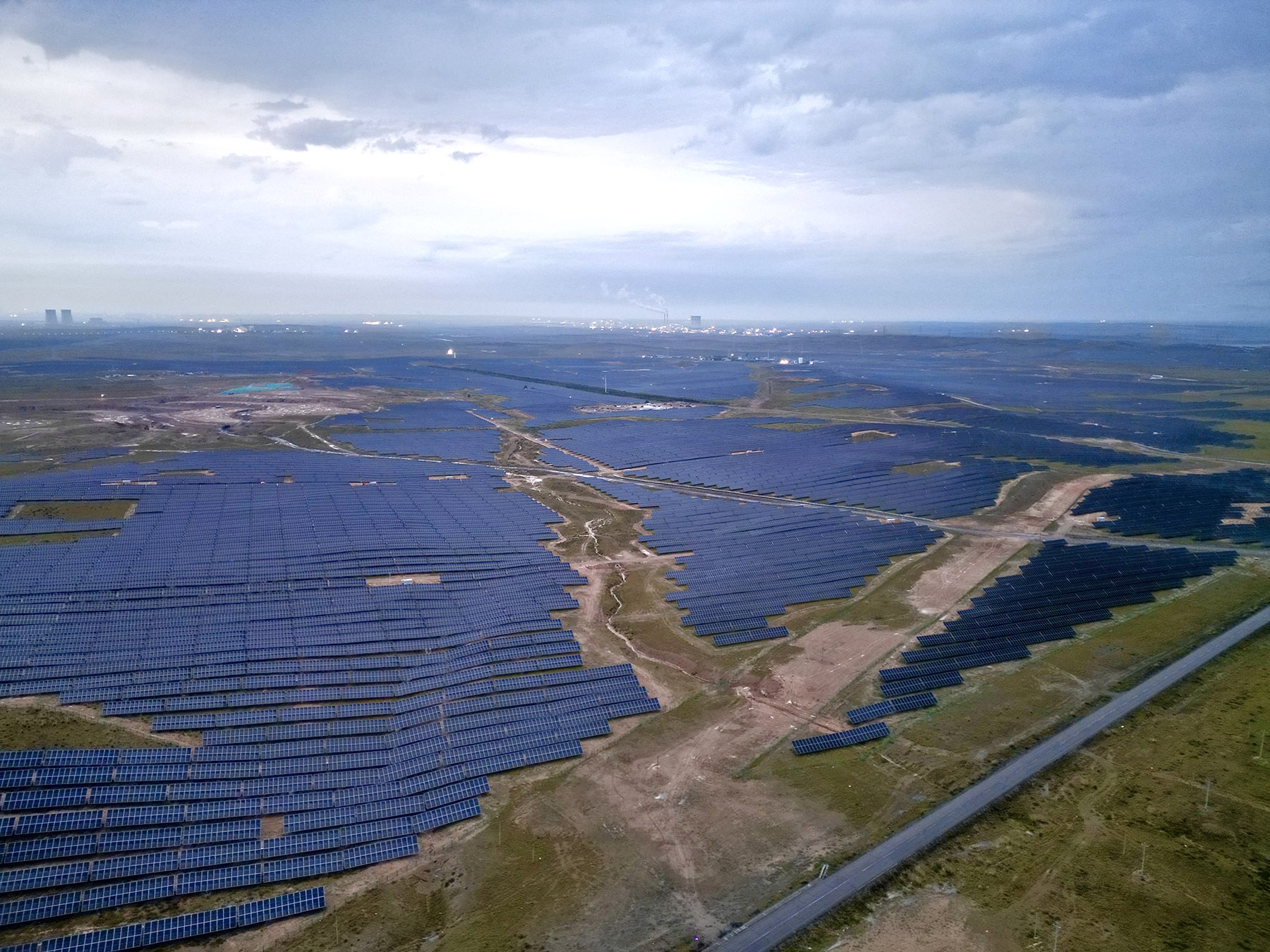
Installed thermal power capacity stands at 17.35 gigawatts, while renewable generation has exceeded 18 GW, supported by large-scale wind, solar and energy storage projects.
Innovation has become another pillar of Ningdong's strategy.
ALSO READ: Clean hydrogen gets green light
Research spending has risen by more than 30 percent annually for seven consecutive years, while research and development expenditure now accounts for 3 percent of regional GDP, above both national and provincial averages.
As pipelines carrying synthetic fuels run alongside solar arrays stretching across the desert, Ningdong offers a glimpse of how China envisions the future of one of its oldest industries: not abandoning coal overnight, but reinventing what it can produce.
Contact the writers at chengyu@chinadaily.com.cn
