

Performers share their journeys into an art that once lacked a community, and how they gave the genre a distinct identity, which in turn provided them with hope, Chen Nan reports.
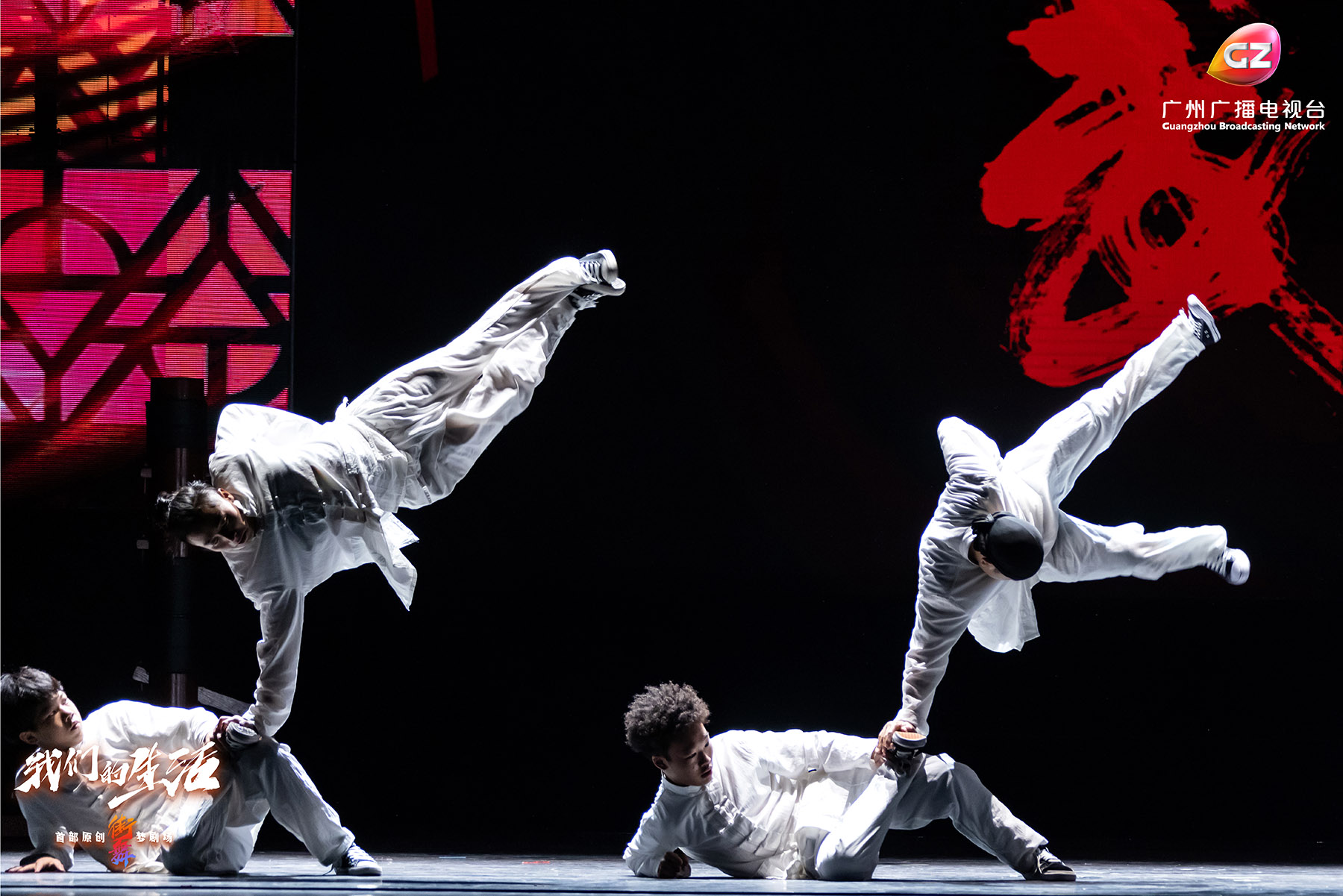
What do hip-hop dance moves and kung fu have in common? More than many people may think. Both demand rigorous training, reward improvisation, and celebrate physical mastery. These common threads will take to the stage on July 24 at New York City's Lincoln Center, where Chinese performers will blend the two art forms during Chinese Arts Week, part of the Lincoln Center's Summer for the City program.
Chinese dancers will weave together breaking, popping and martial arts, offering audiences more than a display of technical virtuosity. For the artists behind the production, the performance is intended as a statement about how Chinese street dance has evolved from an imported youth culture into a distinctly Chinese artistic language.
"We hope to present a more multidimensional, open and confident image of Chinese street dance," says Xia Rui, one of the performance's principal organizers. "Chinese street dance is not simply a copy of Western street culture, nor is it just youth entertainment centered on technical display. After years of development, it has become a contemporary artistic language through which young Chinese people express themselves, engage with tradition, and connect with the world."
READ MORE: Chinese street dance craze shakes up the world
In addition to the July 24 show, the Chinese street dance delegation will begin its US tour with a performance at the festival's opening reception in New York on July 23 and then travel to Philadelphia for a public performance on July 25. The tour concludes on July 26 with a youth street dance cultural exchange in New York, followed by creative workshops and a series of flash mob performances in the city.
As a major promoter of the dance genre in China, Xia is the deputy director of the China Hip-Hop Union Committee, founded by the China Dancers Association in 2013.
For Xia, presenting the showcase at the Lincoln Center carries symbolic weight.
"We want audiences to see that Chinese street dance is youthful, vibrant and creative. It is rooted in Chinese culture and Eastern aesthetics and is capable of engaging in equal dialogue with other cultures," he notes.
That confidence did not emerge overnight.
When 38-year-old dancer Chen Jie — better known in the dance battle scene as A K — first discovered street dance, China barely had a community for it.
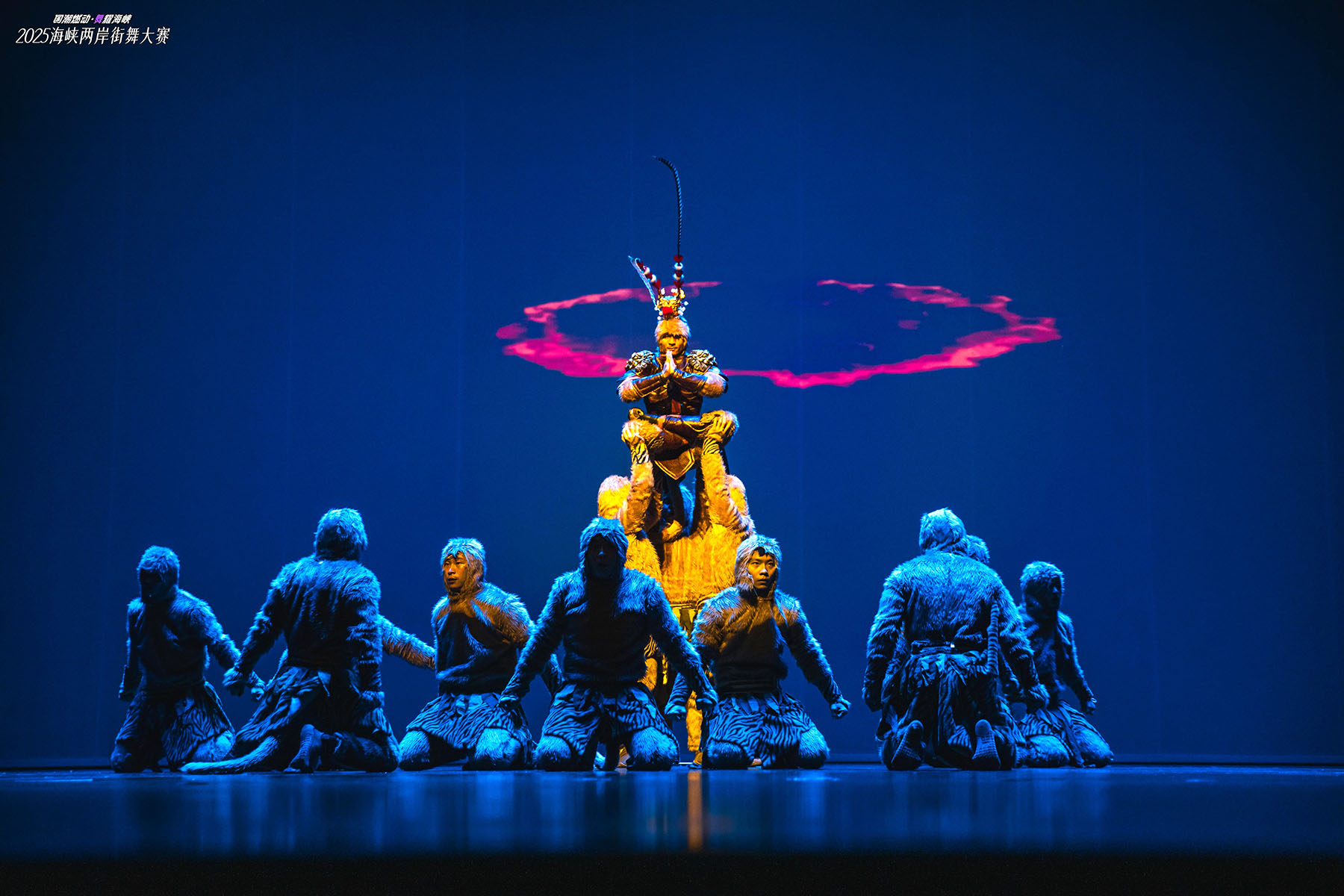
His performance at the Lincoln Center will expand on an earlier television work into a new work, a reimagining of Sun Wukong, or the Monkey King, combining hip-hop and breaking with projections, shadow imagery and music built around traditional Chinese musical instruments such as the pipa (a four-stringed lute), suona (a double-reed woodwind instrument) and guzheng (Chinese zither).
"American audiences have Marvel superheroes," he says. "China has its own hero — Sun Wukong."
The legendary Monkey King from the classic novel Journey to the West overcomes repeated setbacks through determination, a quality that resonates with Chen.
"My own story is very similar," he says. "I've encountered many obstacles, but I've kept moving toward my goal."
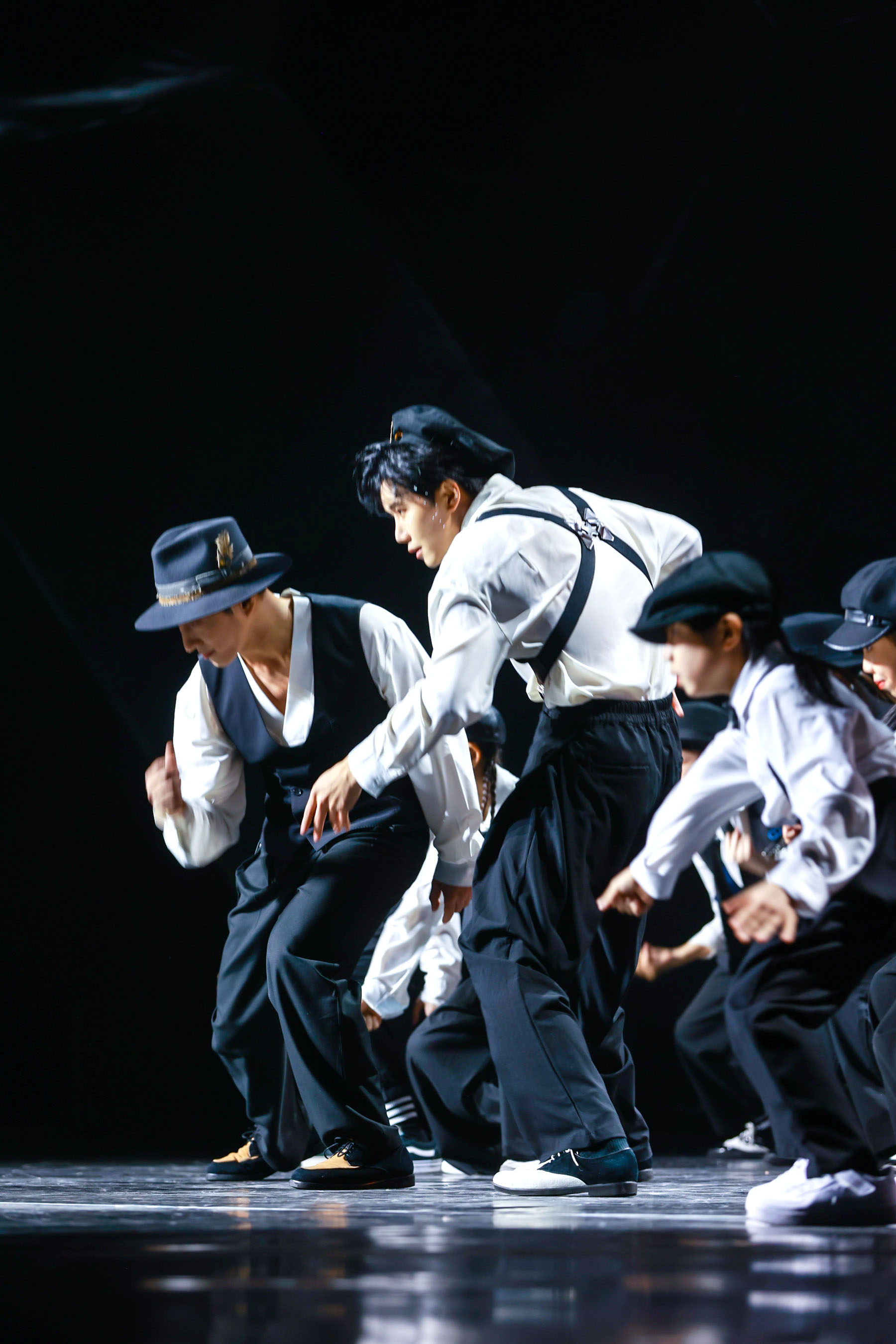
As a primary school student, he saw what a television program simply described as "popular dance". Soon after, he learned from his classmates who practiced something called street dance.
"I went to watch," recalls Chen, who was born and raised in Zhanjiang, Guangdong province. "I thought it looked incredibly cool. I fell in love immediately."
Learning was far more difficult than it is today. There were no online tutorials or social media clips to imitate. His older brother introduced him to Michael Jackson performances on DVDs, and Chen replayed them endlessly, studying the iconic moonwalk and every movement and musical accent.
His family struggled to understand his obsession.
"They didn't know what I was doing," Chen says. "Only after I won a competition in Guangzhou (Guangdong) did they stop criticizing."
Years of persistence followed before the trophies arrived. He trained first as a breaker before discovering hip-hop, whose groove, rhythm and musicality felt more natural.
"When I found hip-hop, I knew immediately it was the dance genre I'd been searching for," he says.
Today, Chen, who has gained a large fan base after appearing on hit reality shows such as Street Dance of China, sees street dance as carrying responsibilities that extend beyond competitions.
"I want young people to see hope. Street dancers are not troublemakers dancing on street corners. If we do this well, we can give others strength," he says.
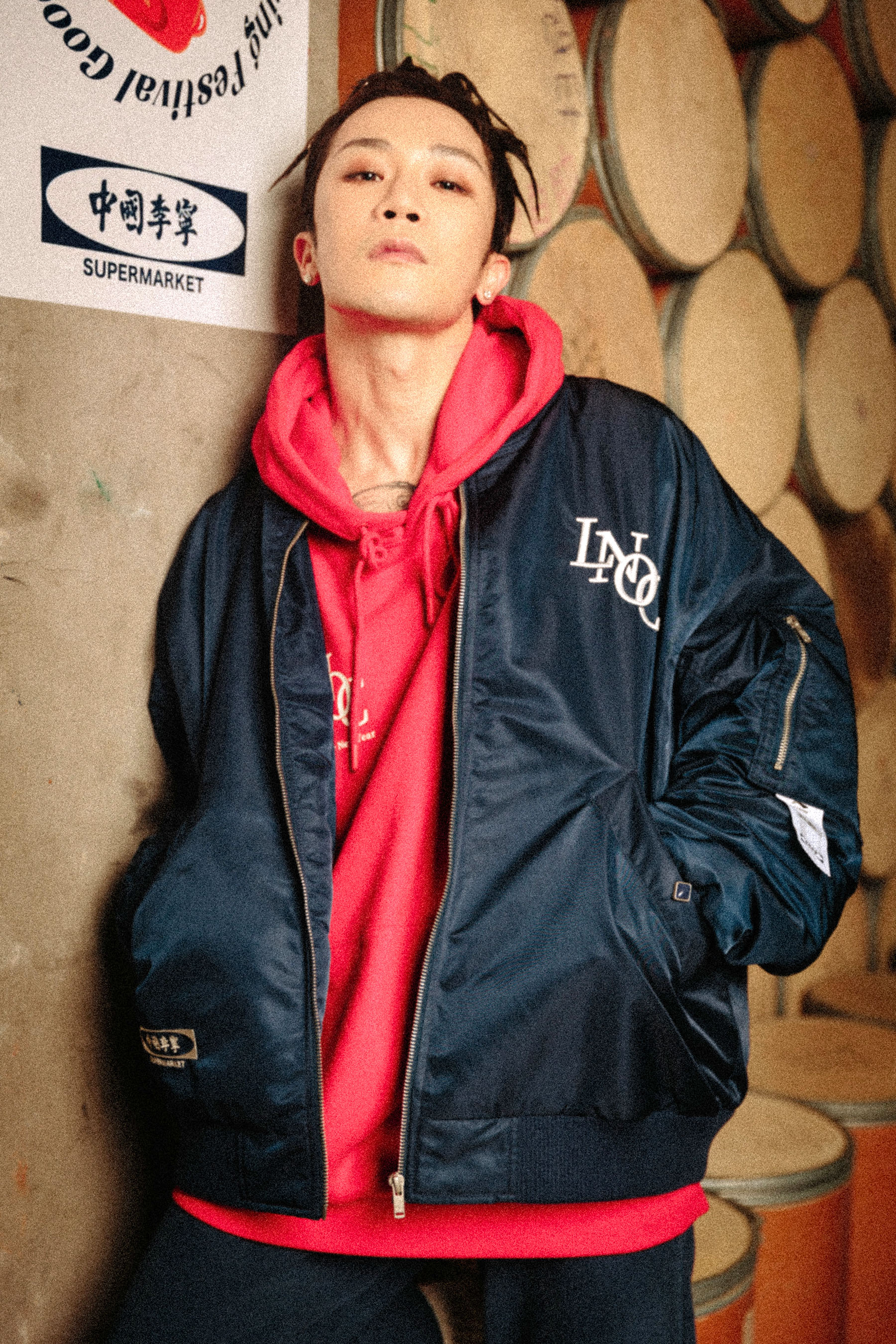
He has spent years teaching children, including students in remote mountain communities, traveling for hours by bus to conduct workshops.
"I was a quiet child myself," he says. "Dance made me confident. Seeing that happen for other children is one of the happiest things I've experienced."
China's street dance landscape has changed dramatically during his career.
"People, from 4-year-olds to 60-year-olds, are learning street dance," Chen says. "That wasn't imaginable before."
For the youngest performers, however, Chinese street dance has always been more than imitation.
Wu Mingrui, a 16-year-old popper, first danced in kindergarten after a teacher demonstrated a few simple moves.
"I learned them very quickly," she says. "I was always chosen to lead the performances. My mother realized I had talent."
She began studying popping at age 7. A video of a young South Korean female popper convinced her that the style's explosive power was not limited to men. "I realized girls have strength too," she says.
She remembers hearing doubts that popping demanded physical abilities girls simply did not possess.
"People thought girls would always struggle physically compared with boys," she says. "That only made me want to prove them wrong."
She trained relentlessly, often spending 12 hours every weekend in the studio.
At 9, she won her first competition while competing against adults.
"I never expected to win. When the judges raised my hand, I burst into tears. That moment made me believe maybe I really could do this," she recalls.
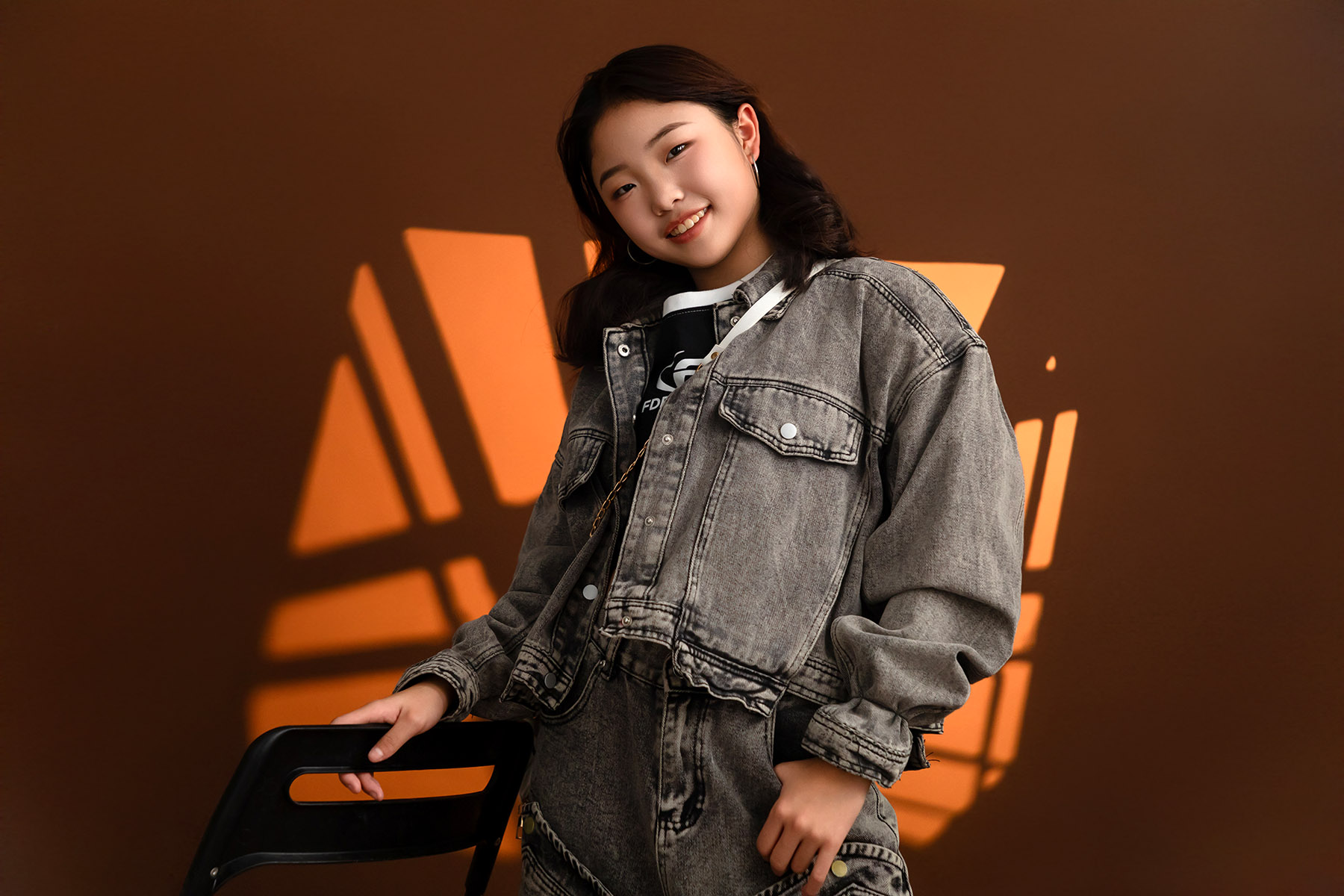
Her understanding of dance has changed with experience.
"I used to think of myself as an athlete," she says. "Now I think street dance is really about expression. Dance doesn't have one standard like sports. It's how you communicate your emotions."
She hopes audiences also see something else.
"I want people who watch me dance to feel that women are powerful," she says. "Girls can dance just as well as boys."
At the Lincoln Center, Wu will perform Daomadan, a work that combines street dance with Chinese opera traditions and martial arts, disciplines she has studied formally in preparation for the performance.
Daomadan translates to "knife-and-horse female role". Daomadan is a role type in traditional Chinese Opera, featuring a female warrior who combines martial arts, dance, acrobatics, and singing.
"Street dance wasn't originally connected with martial arts," she says. "Creating something new from both traditions is exciting. It's a way to share Chinese culture."
That approach also reflects Xia's broader philosophy.
"The point is not to insert traditional elements into street dance," he says. "The challenge is allowing traditional culture to become the inner character of the work."
He argues that successful cross-cultural performance does not depend on audiences recognizing every cultural reference.
"Even if people don't understand a different culture," Xia says. "They should still feel its spiritual strength, its physical rhythm and its aesthetic character.
ALSO READ: Tibetan street dance blends beats with traditional forms
"Street dance has explosive energy, kung fu has inner power. Street dance values freestyle expression, while Chinese culture offers deep spiritual roots. When those qualities truly come together, it isn't simply a fusion — it becomes a new contemporary Chinese expression."
For Xia, China's street dance ecosystem has been built over the years through national organizations, competitions, education, and artist development.
International appearances, he believes, should become part of an ongoing cycle rather than isolated events.
Ultimately, he hopes Chinese street dance will move beyond occasional overseas performances toward sustained artistic partnerships.
"The most important thing is not for the world to know that China also has street dance," Xia says. "It is for the world to understand that Chinese street dance is making its own cultural contribution."
Contact the writer at chennan@chinadaily.com.cn
