

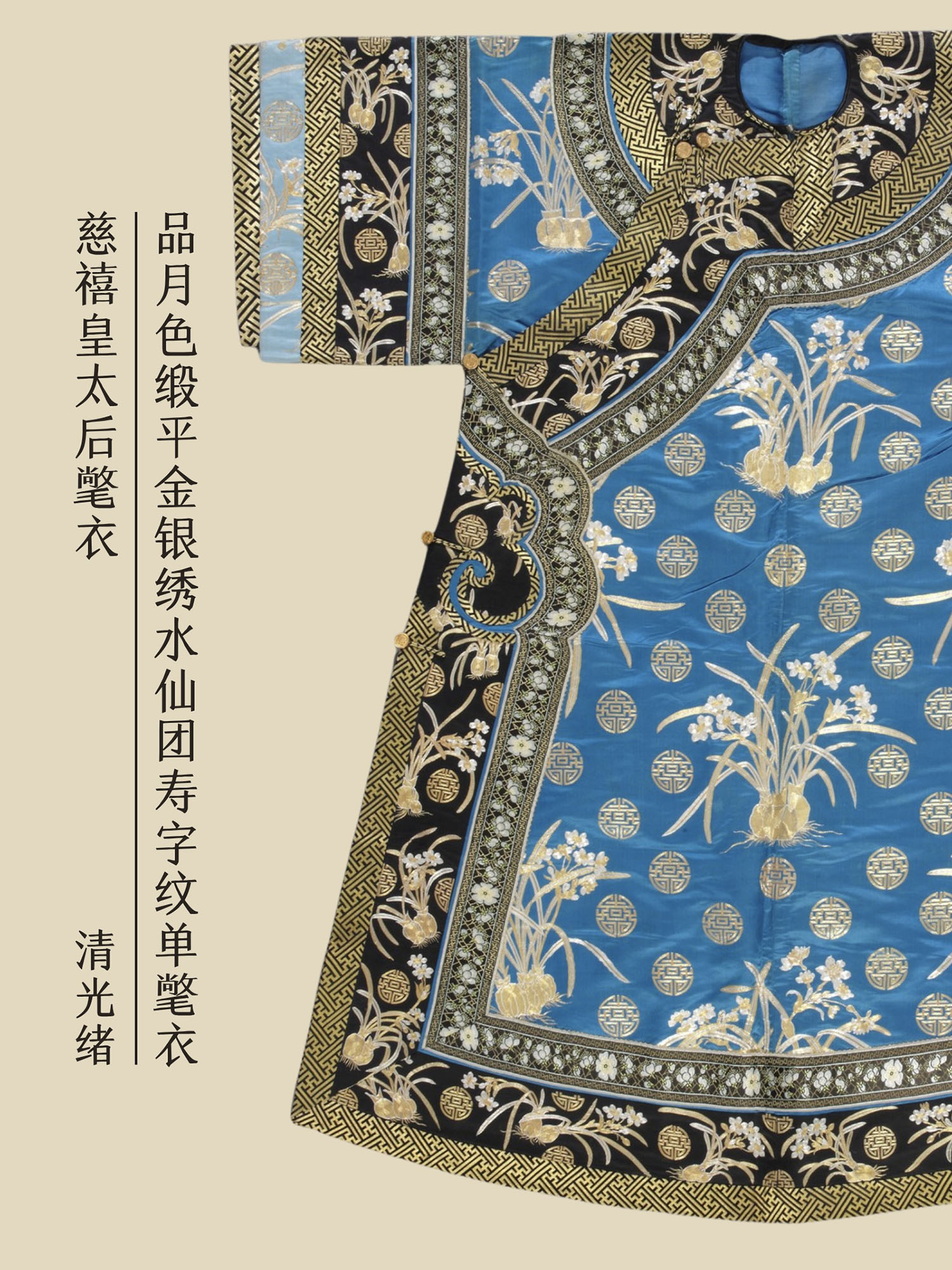
Loyal followers of fashion and couture will undoubtedly have their minds blown by the dazzling court costumes of ancient China's Imperial Palace hundreds of years ago.
Traveling from the Forbidden City in Beijing, over 100 rare pieces are arriving at an exhibition at the World Expo Museum in Shanghai from July 7 to Oct 7, with 90 percent on display for the first time outside Beijing and 30 percent making their public debut.
Silk textiles are among the most difficult cultural relics to preserve, rivaling paintings and calligraphy, as they are extremely fragile, protein-based fiber artifacts. Thus, these stunning pieces spanning hundreds of years rarely have the opportunity to be displayed to the public, particularly outside the nation's capital.
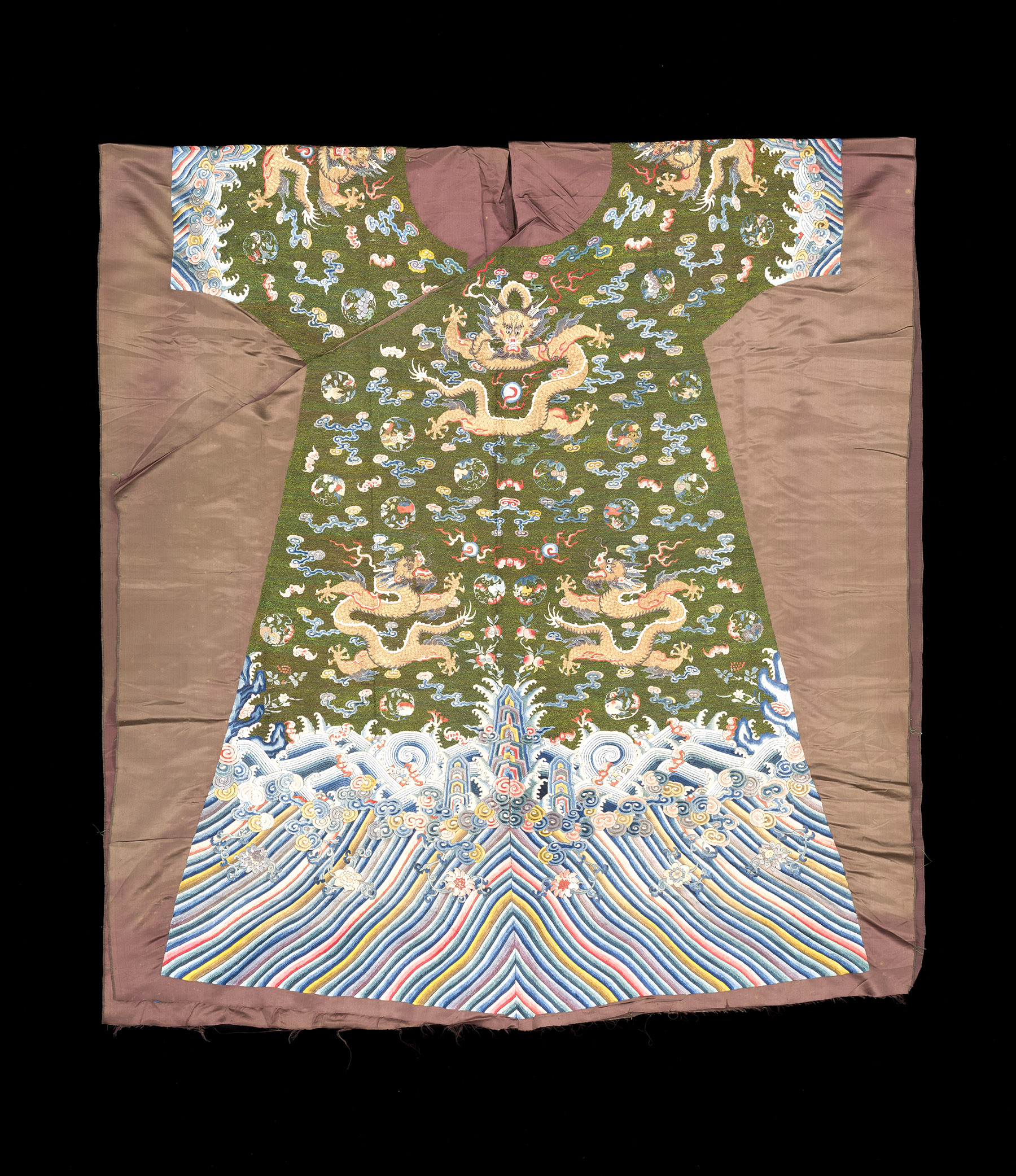
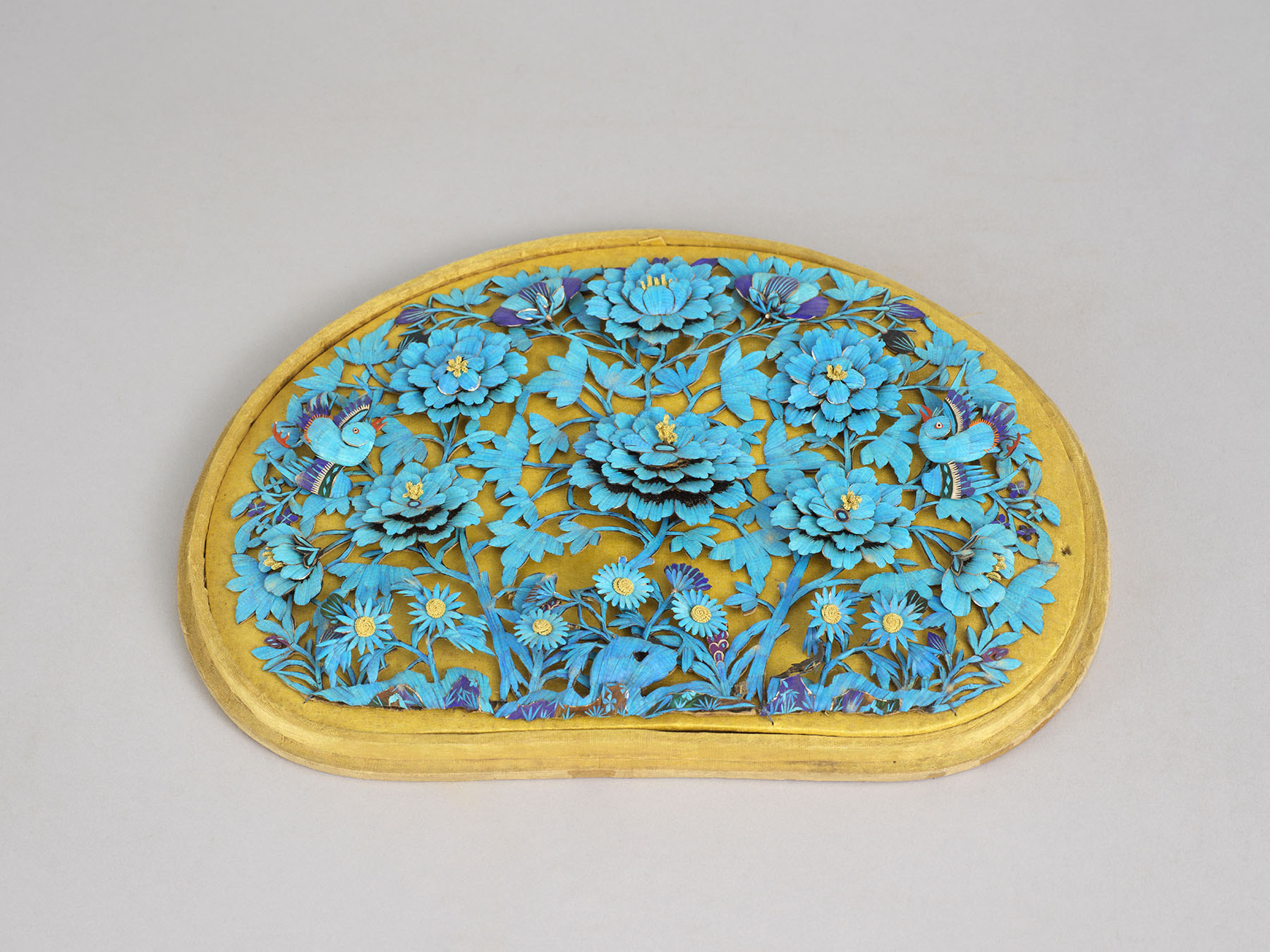
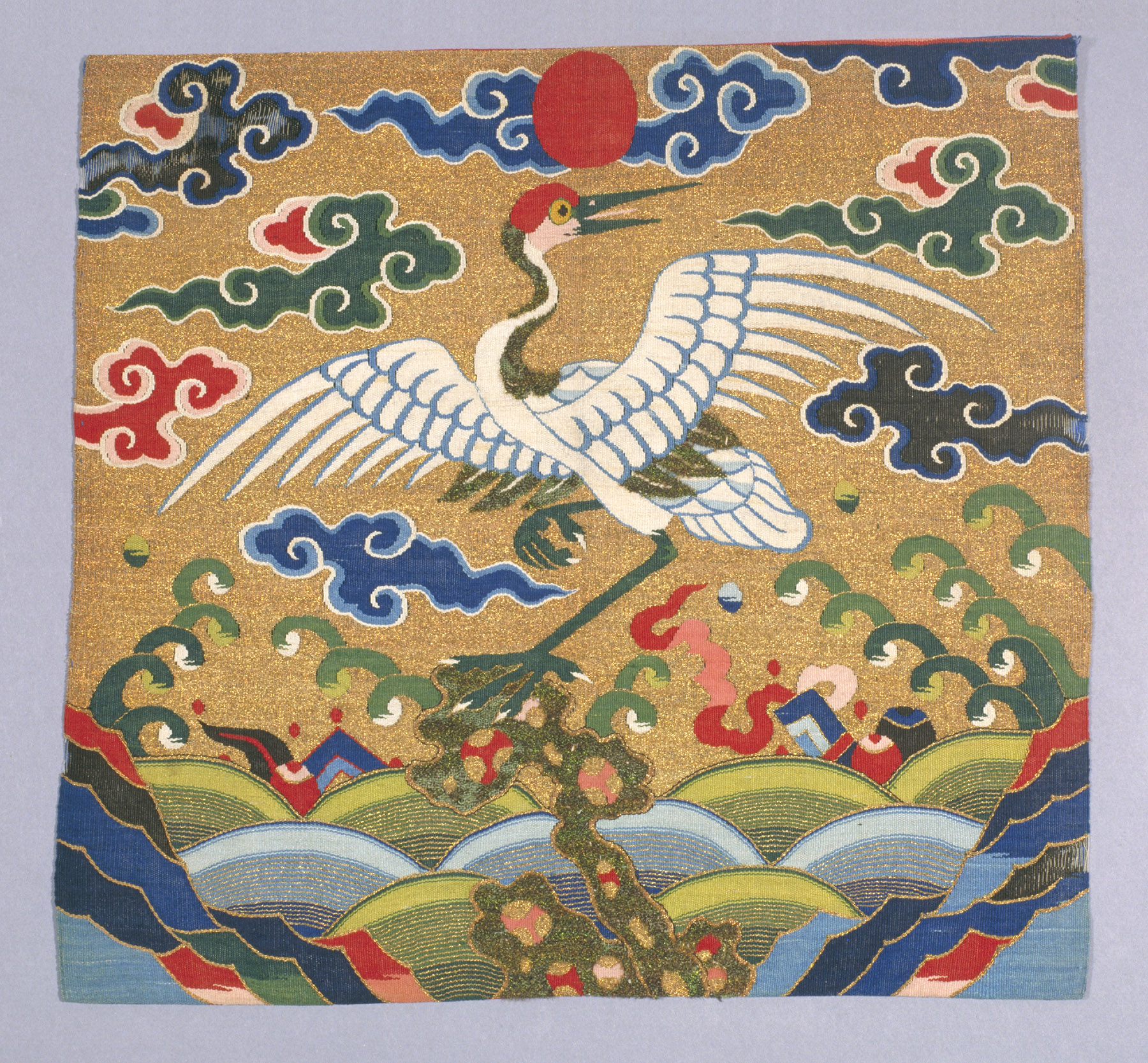
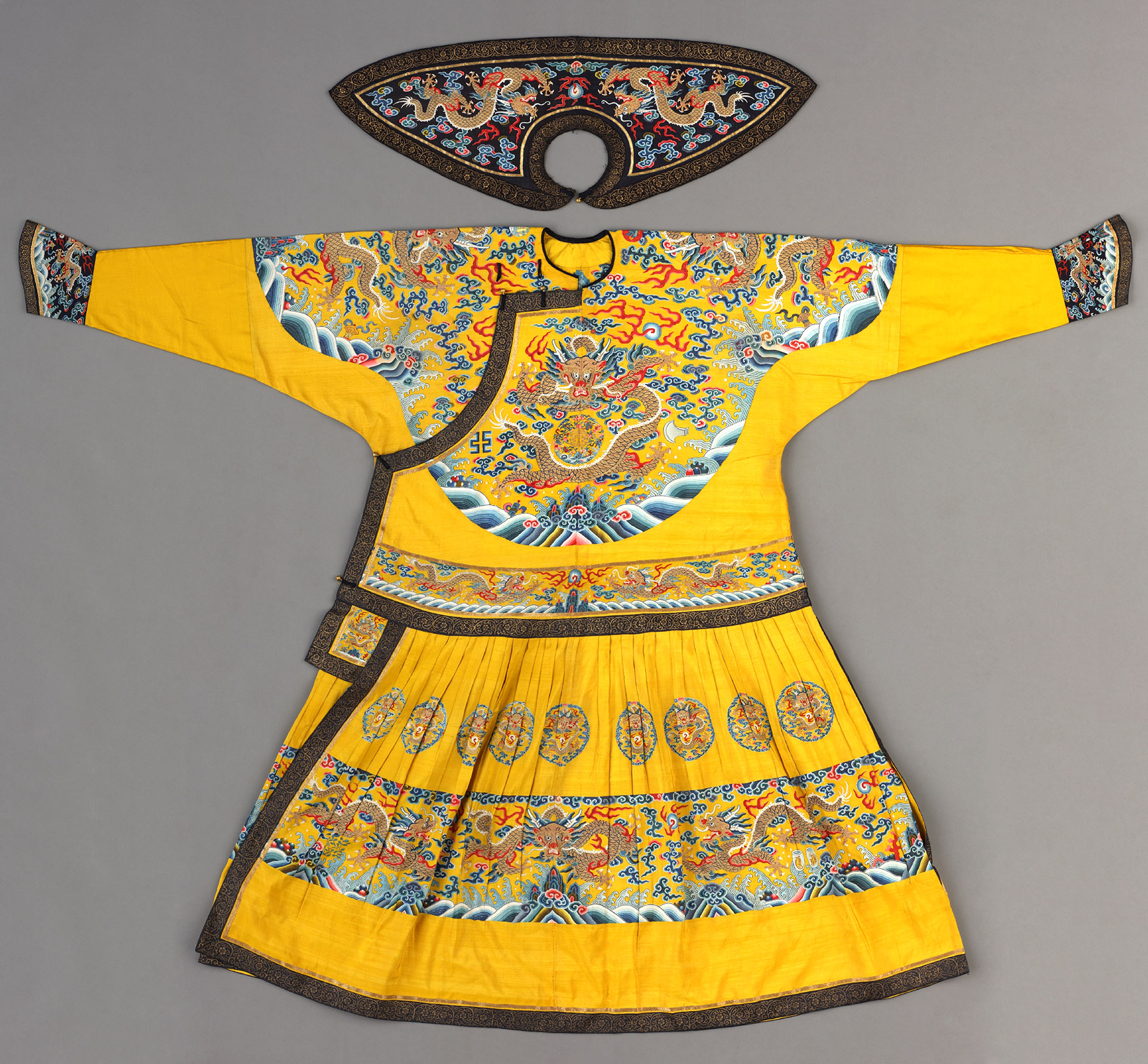
Themed Imperial Colors: Qing Dynasty Court Costumes from the Palace Museum, the exhibition brings together robes and jackets worn by emperors Kangxi, Qianlong, Jiaqing, and Tongzhi of the Qing Dynasty (1644-1911), garments and accessories from numerous concubines, as well as robes, fabrics and accessories belonging to six empress dowagers and empresses. Each piece epitomizes the pinnacle of ancient Chinese aesthetics.
The Palace Museum, co-organizer of the exhibition, houses over 170,000 pieces of woven and embroidered clothing artifacts from its historical collection. These items, representing the highest textile standards of that era, were custom-made for the imperial family.
Their designs were finalized by the emperor, and weavers were commissioned by imperial decree to create garments tailored to the wearer's measurements. Crafted with the finest materials, the best designs and the most delicate dyeing techniques, these pieces were regarded as the pinnacle of couture in custom tailoring, according to the organizers.
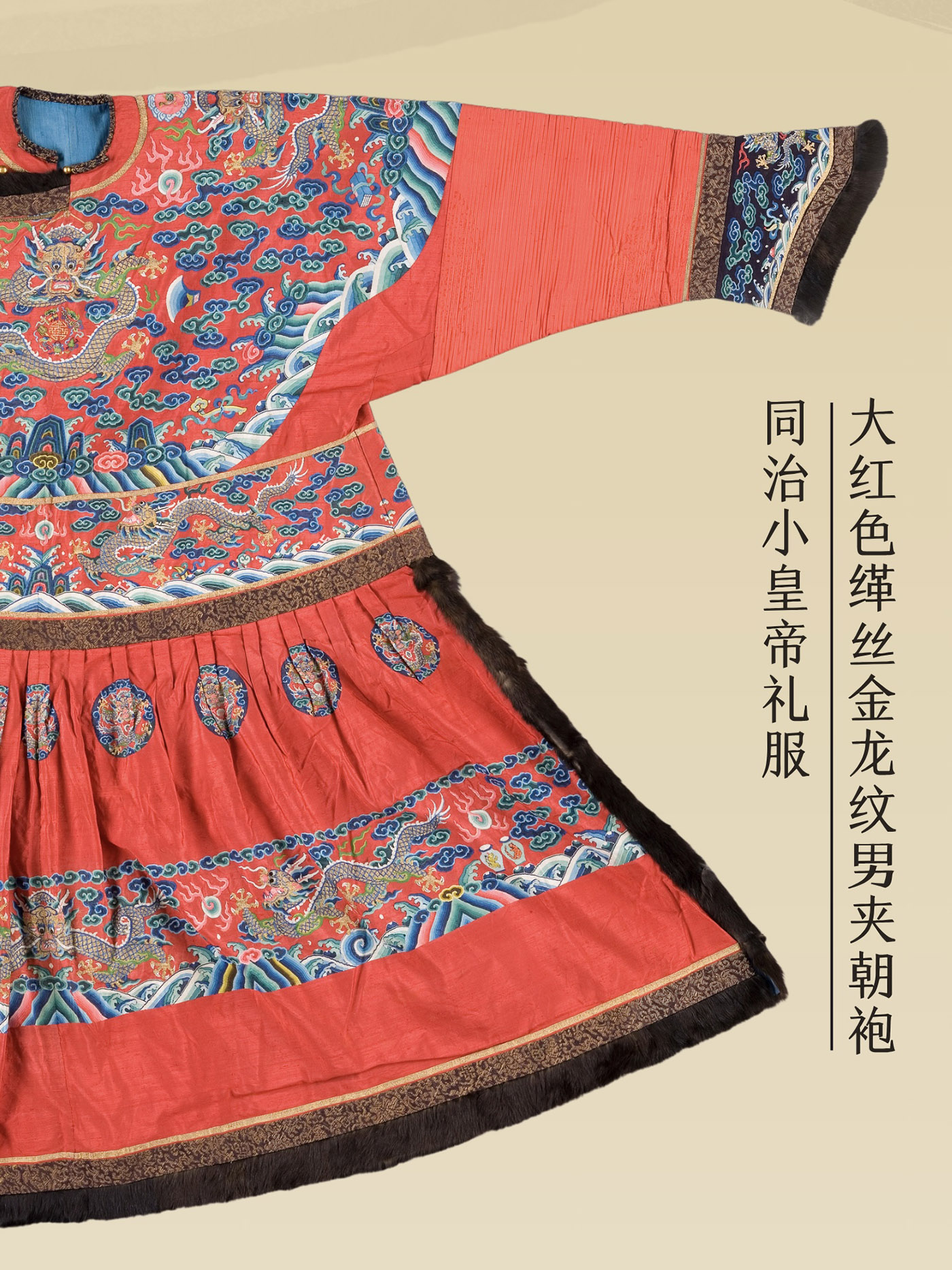
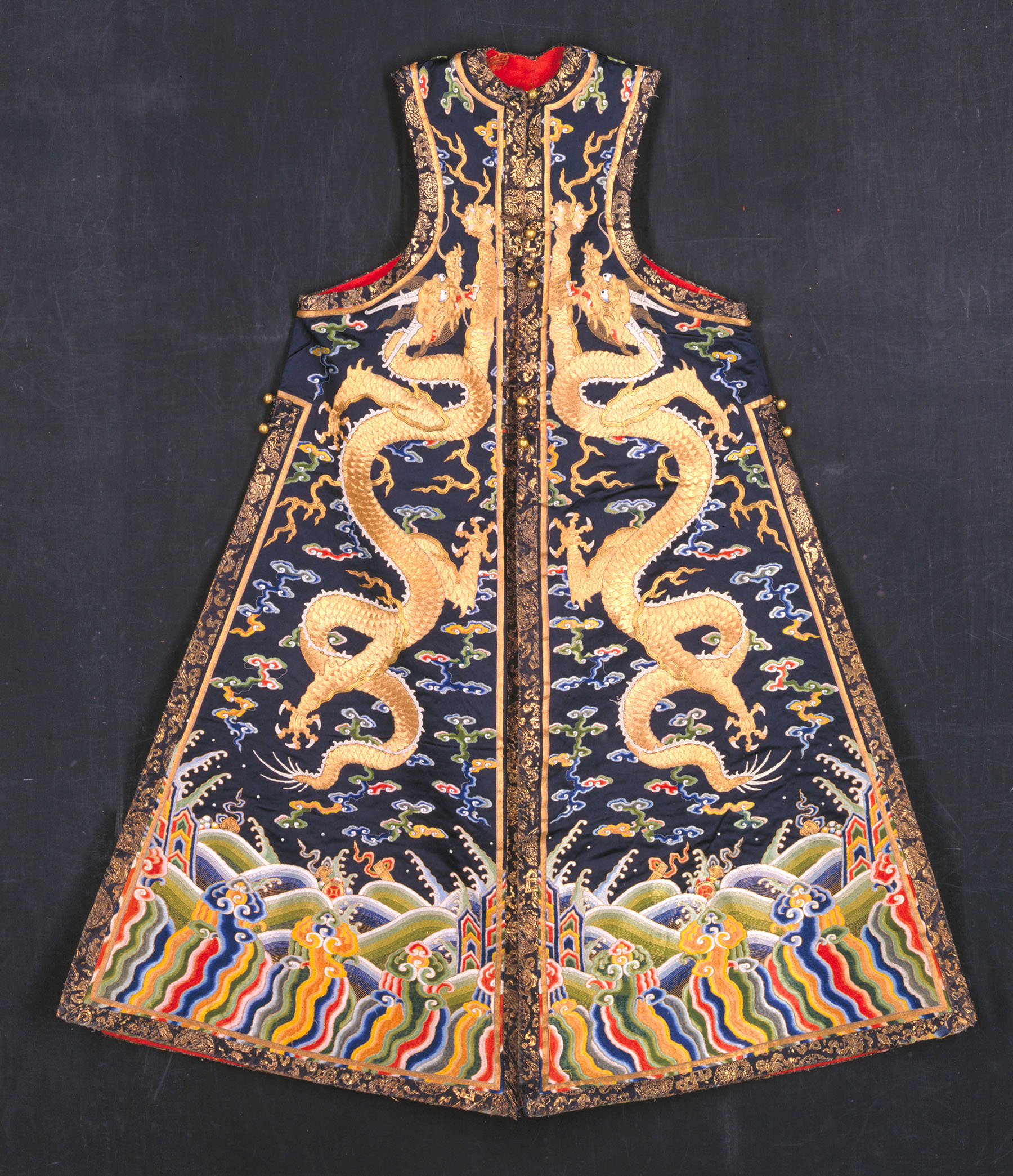
Among the artifacts on display are 14 rare treasures, 61 masterpieces and 26 significant artifacts. Selected from the best-kept items, 15 pieces are from the late Ming (1368-1644) and early Qing dynasties, with 36 others from the Qing Dynasty's golden age and 47 from the late Qing period.
Qing Dynasty court costume colors were derived from plants and are imbued with the heritage of traditional Chinese culture. The exhibited items are diverse in color, including bright yellow, moon white, lotus pink, and snow gray, whose trends have continually evolved throughout history.
Focusing on representative colors and consisting of six sections, the exhibition showcases a wide variety of costumes for different occasions, including ceremonial attire, festive attire, everyday attire, and casual wear, as well as fabrics for the longpao (an emperor's 12-symbol robe), colorful silk ribbons, and the finest satin brocades from across the nation, along with exquisite jewelry.
One of the most anticipated exhibits is the peerless longpao treasure "peacock-gold robe". This imperial robe's fabric features a base of peacock feather threads spread across dark brown satin, with dragon, cloud, bat, flower, sea, and cliff motifs embroidered in twisted gold thread and five-colored velvet. As a structural color unique to bird plumage, the peacock feather produces a dazzling interplay of gold and green at different angles and in different lighting conditions.
Such imperial robes, entirely covered in peacock feathers, were extremely rare even among Qing Dynasty court costumes, and the Palace Museum holds only two surviving examples. The breathtaking splendor and shimmering radiance of these delicately blended colors and techniques are difficult to capture or restore through any lens to this day. The best way to truly appreciate them is to get up close and in person.
"Ancient weaving and embroidery were not static arts. When you wear them, the light and shadow of the patterns would shift. Their colors and designs embodied and demonstrated the spirit of traditional culture," says Zhang Xin from the Palace Museum and one of the exhibition's curators.
To offer visitors the best experience while prioritizing the protection of the treasures, the World Expo Museum spent over a year preparing for the exhibition. It has specially customized display cases that can maintain constant temperature and humidity around the clock, and employs specialized lighting technology to ensure the artifacts remain in an optimal preservation environment consistently.
Moreover, the cases are equipped with non-reflective glass to provide a clear 360-degree view of the exhibits. Such efforts will allow visitors to fully appreciate the exhibits' intricate details as they shift under varying angles and lighting conditions. Free-of-charge bilingual audio guides and a digital exhibition are also available, offering visitors an immersive experience.
"We are extremely excited to present such a show. I see the costumes as the best and rarest couture. The supreme aesthetic expression and the highest level of craftsmanship they embody represent, arguably, the pinnacle of Chinese clothing over the past 300 years," says Liu Wentao, director of World Expo Museum.
"We expect to lead the audience to experience the power of traditional culture, the brilliance of our ancestors, and the charm of our profound history," Zhang adds.
Contact the writers at wangxin2@chinadaily.com.cn
