

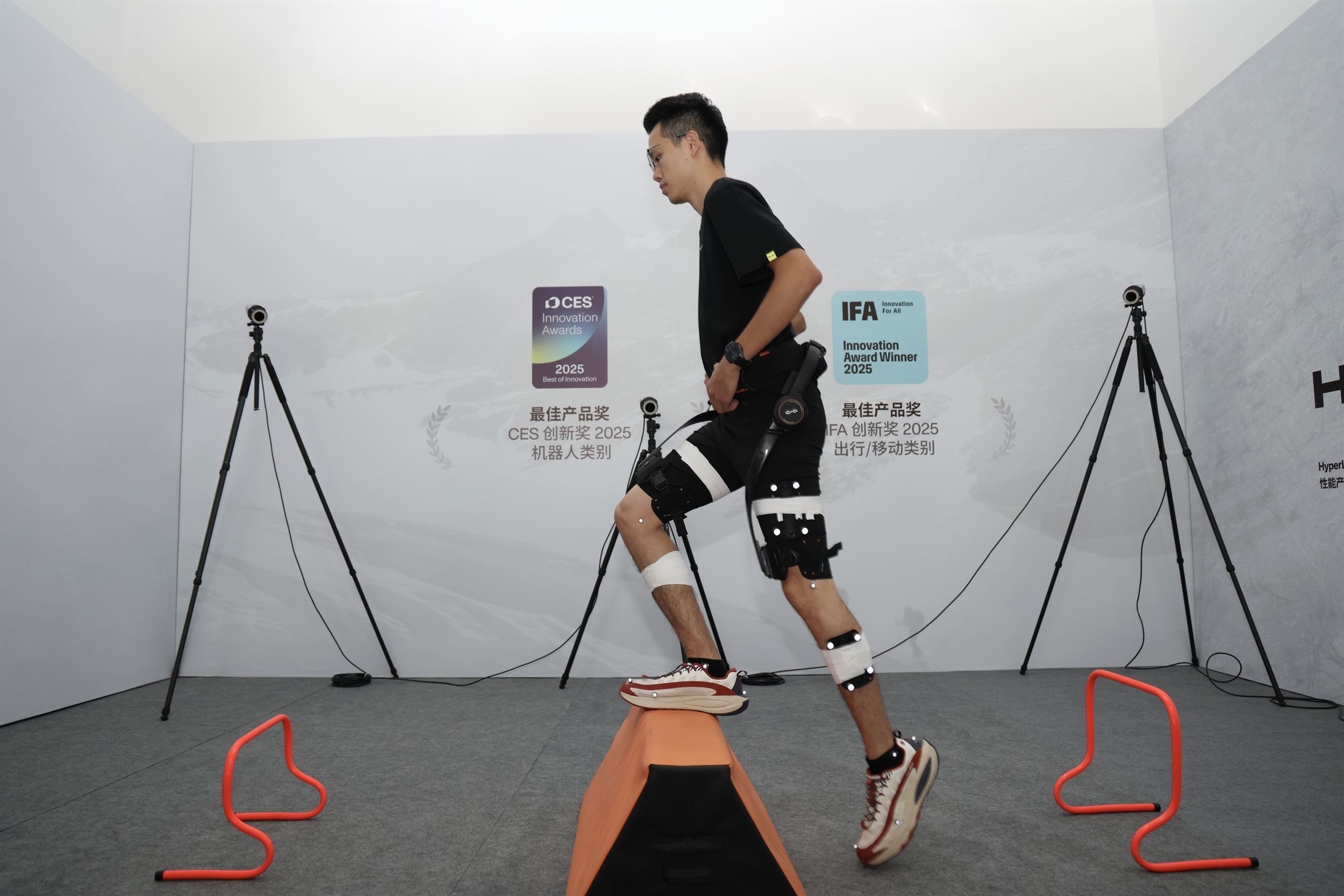
SHENZHEN – Step into the showroom of Hypershell Technology in Shenzhen’s Nanshan District, and you might feel like you’ve wandered onto a sci-fi movie set. The whir of tiny motors fills the air as testers stride across the floor and climb stairs with effortless grace. The secret? A sleek carbon-fiber suit strapped to their legs.
This is the world of the consumer exoskeleton — a wearable robot that once seemed like a fantasy of heavy, expensive machinery for hospitals or the military. But Hypershell is turning that fantasy into an everyday reality. Its latest product, weighing just 1.8 kilograms (about the weight of a thin laptop), is designed to augment human movement rather than replace it.
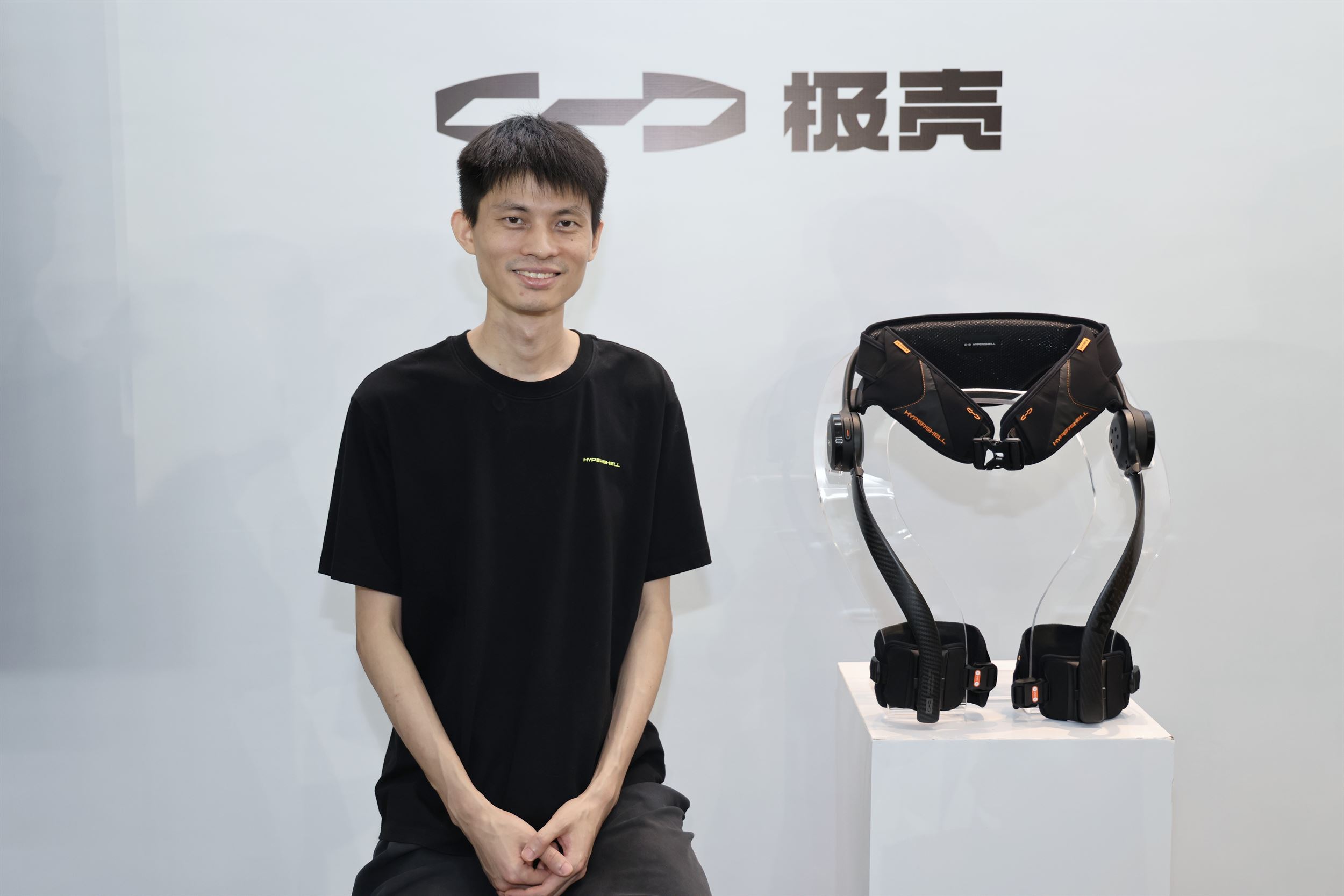
“Exoskeletons are a technology to empower humans, and they should belong to everyone,” said Sun Kuan, founder and CEO of Hypershell Technology. “Today, we have tens of thousands of users in over 70 countries. Our products are widely used in outdoor work and sports, and they are especially welcome among the 'silver-haired' generation and others with limited physical ability.”
From pivot to peak performance
The journey from a four-person team in 2021 to a global market leader has not been a straight line. Hypershell’s first-generation product raised $1.23 million on Kickstarter in 2023, but early user feedback was brutal.
“The machine was fighting the human,” Sun recalled. Testers reported a strong sense of restraint and awkward movement, as the exoskeleton’s rhythm clashed with their own.
ALSO READ: Tai Po blaze: Tech lends a hand to the farewell
In a decisive moment that defined the company, Sun made a difficult call: scrap the first product entirely and start over. He moved his desk to the factory floor, spending his days on the production line and his nights tweaking parameters with engineers. The result was a completely redesigned second-generation model.
The key breakthrough was treating the human leg not as a simple lever, but as a complex system. By introducing specific power modes for each joint, the new exoskeleton mimics natural human movement on uneven terrain like rocks and stairs. Powered by an AI engine trained on vast amounts of real-world motion data, the machine can now “read” the user’s intent in just 0.31 seconds, providing seamless assist without the feeling of being “pulled” by a machine.

The results speak for themselves. In May 2026, a team wearing Hypershell exoskeletons successfully summited Mount Everest. In Hong Kong, the company donated nearly 200 units to firefighters battling the Tai Po fire, helping them repeatedly ascend 30-story buildings with dramatically reduced fatigue.
The Silicon Valley of hardware
The company relocated its core team from Shanghai to Shenzhen’s “robot valley” in Nanshan in early 2025, drawn by the city’s unparalleled industrial ecosystem.
“This is an incredibly cross-disciplinary product, needing experts in robotics, human factors engineering, embodied intelligence, and sports medicine,” Sun explained. “In Shenzhen, we can assemble that team in a 30-minute radius. The hardware supply chain is right next door. If I modify a complex part in the morning, I can have the prototype by the afternoon.”
The city itself has become the company’s proving ground. “Shenzhen’s abundant greenery provides the perfect testing environment,” Sun noted, adding that the team often takes prototypes to local parks to conduct real-world tests — identifying problems in the morning and fixing them back at the office by the afternoon.
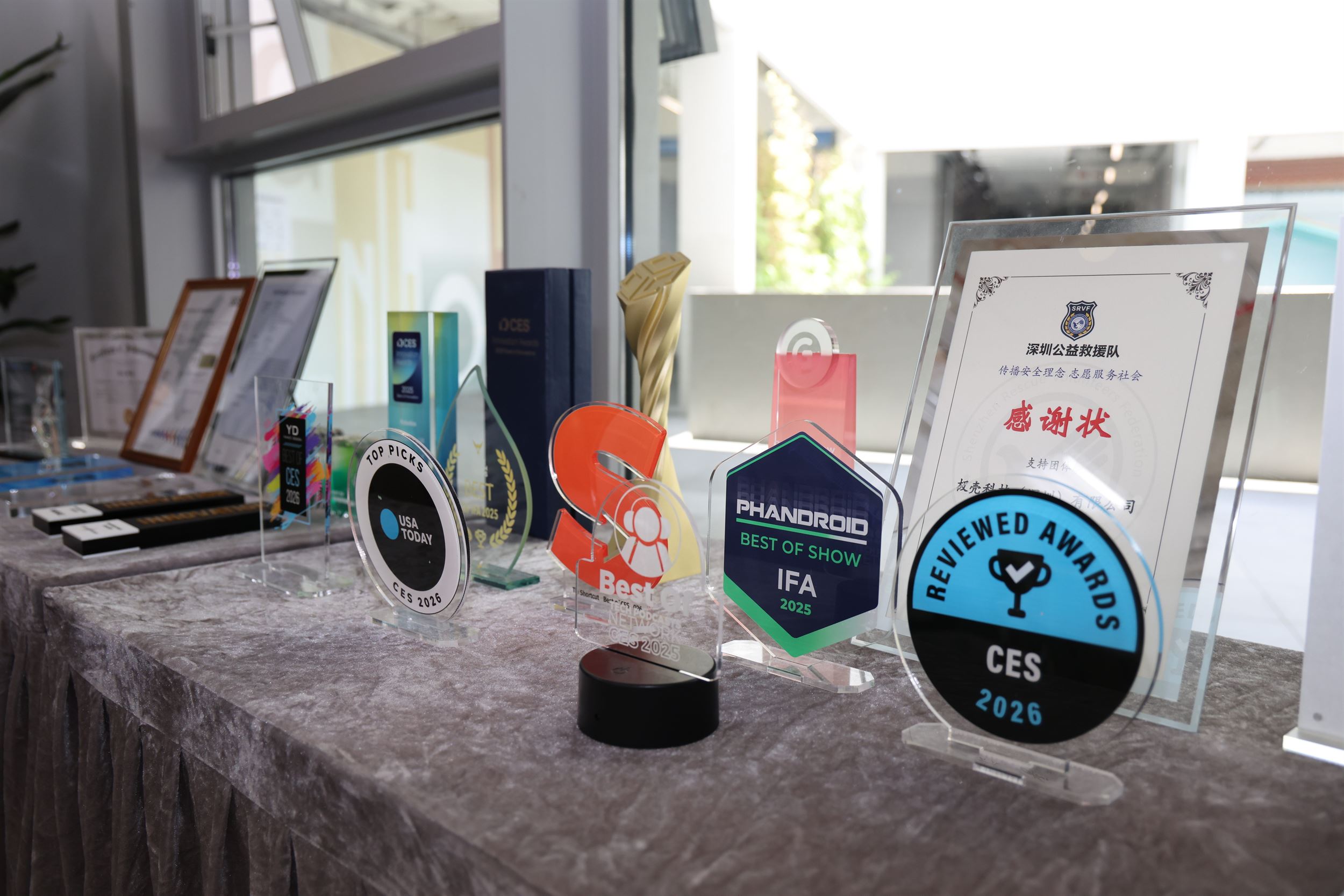
With more than 74,000 robot and AI-related companies forming a dense industrial ecosystem, Shenzhen has been hailed as a “robot testing ground.” From robot baristas and robotic soccer matches in Longgang District to robot-assisted elderly care facilities, the city is a living lab for the future of automation. In 2025, the city’s robot industry output value hit a record high of 242.6 billion yuan.
The potential market is enormous. In a report published on the official website of National Development and Reform Commission, Hu Zuquan, director of the Population Development Research Office at the Economic Forecasting Department of the National Information Center, projected China’s silver economy to reach 30 trillion yuan in 2035, accounting for 10 percent of China’s GDP.
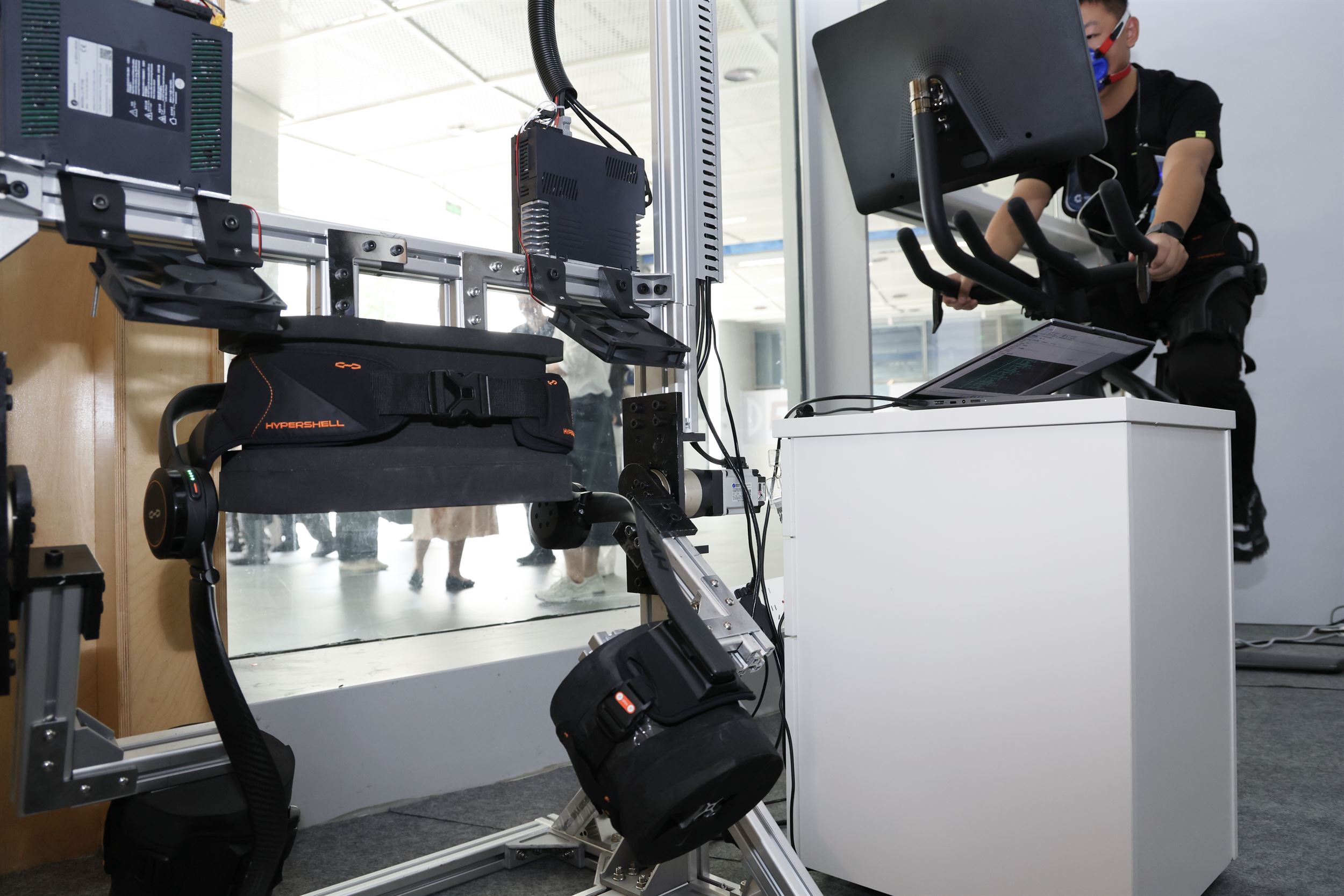
While exoskeletons are set to become a major new product category, Sun says he will stay focused not on competition, but on the mission.
“Not to do things that people don’t want to do, but to help people do the things they very much want to do,” he said.
This article is based on original report in Chinese as published on official websites of Xinhua news agency, People’s Daily and 21st Century Business Herald.
