

Foreign diplomats visit province to learn lessons of transformation to global tech, innovation hub
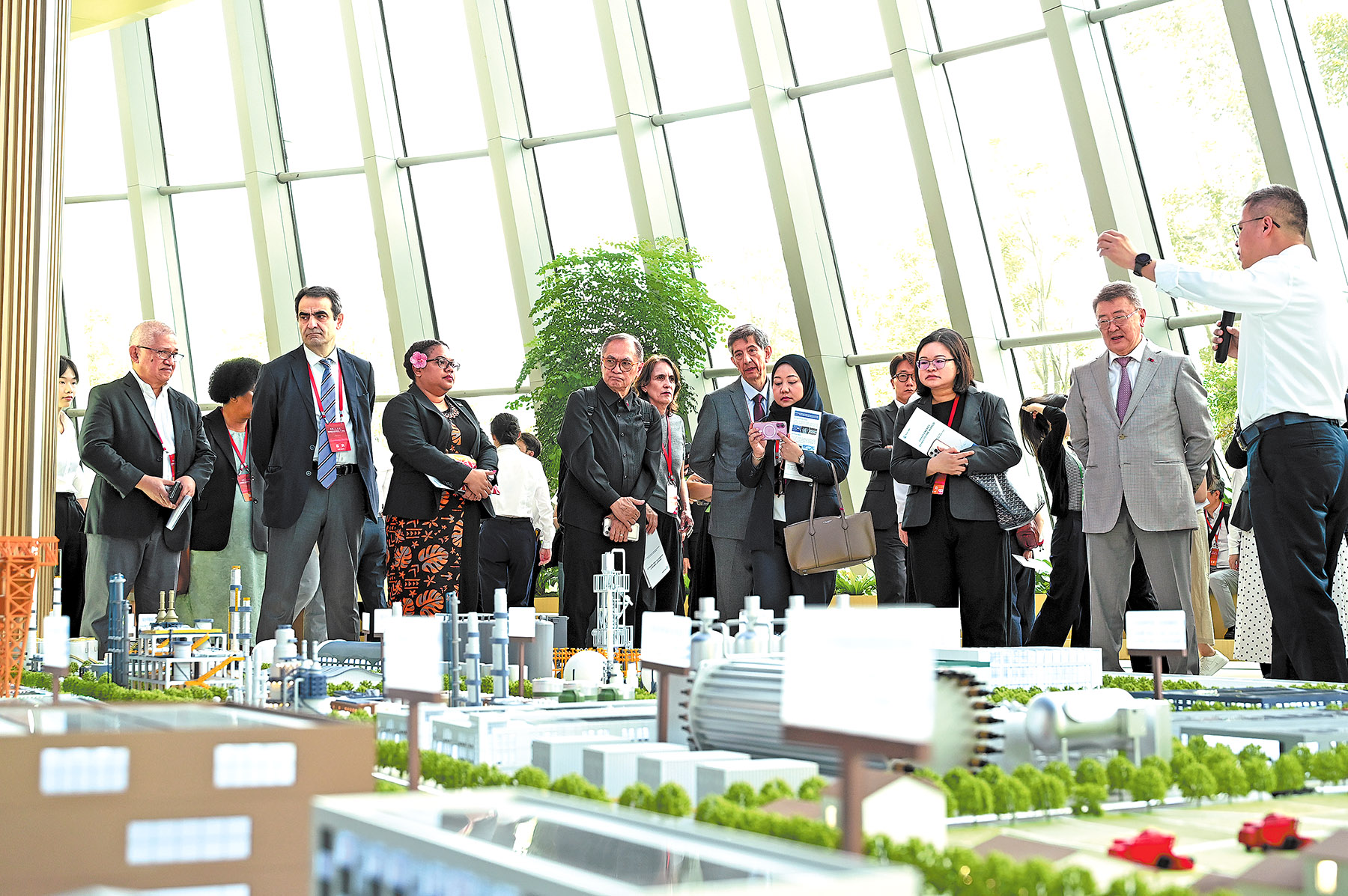
Jaime FlorCruz arrived in China in 1971 as a young Philippine student to undertake a three-week journey across the country.
Shenzhen in South China's Guangdong province was one of the stops on his travels. At that time, the city was little more than a fishing village. Within a few decades, however, he has seen Shenzhen develop into a global center for innovation, advanced manufacturing, technology, finance, and entrepreneurship.
During his visit in June, FlorCruz, now Philippine ambassador to China, reflected on the extraordinary transformation of the city into a leading global technology and innovation hub.
"Today, it is not only a symbol of China's reform and opening-up, but also a demonstration of what vision, experimentation and long-term commitment can achieve," he said.
READ MORE: French delegation eyes industrial, innovation collaboration with GBA
FlorCruz, a former journalist, said his introduction to China via Guangdong was the start of a lifelong journey learning about, reporting on, and engaging with the country.
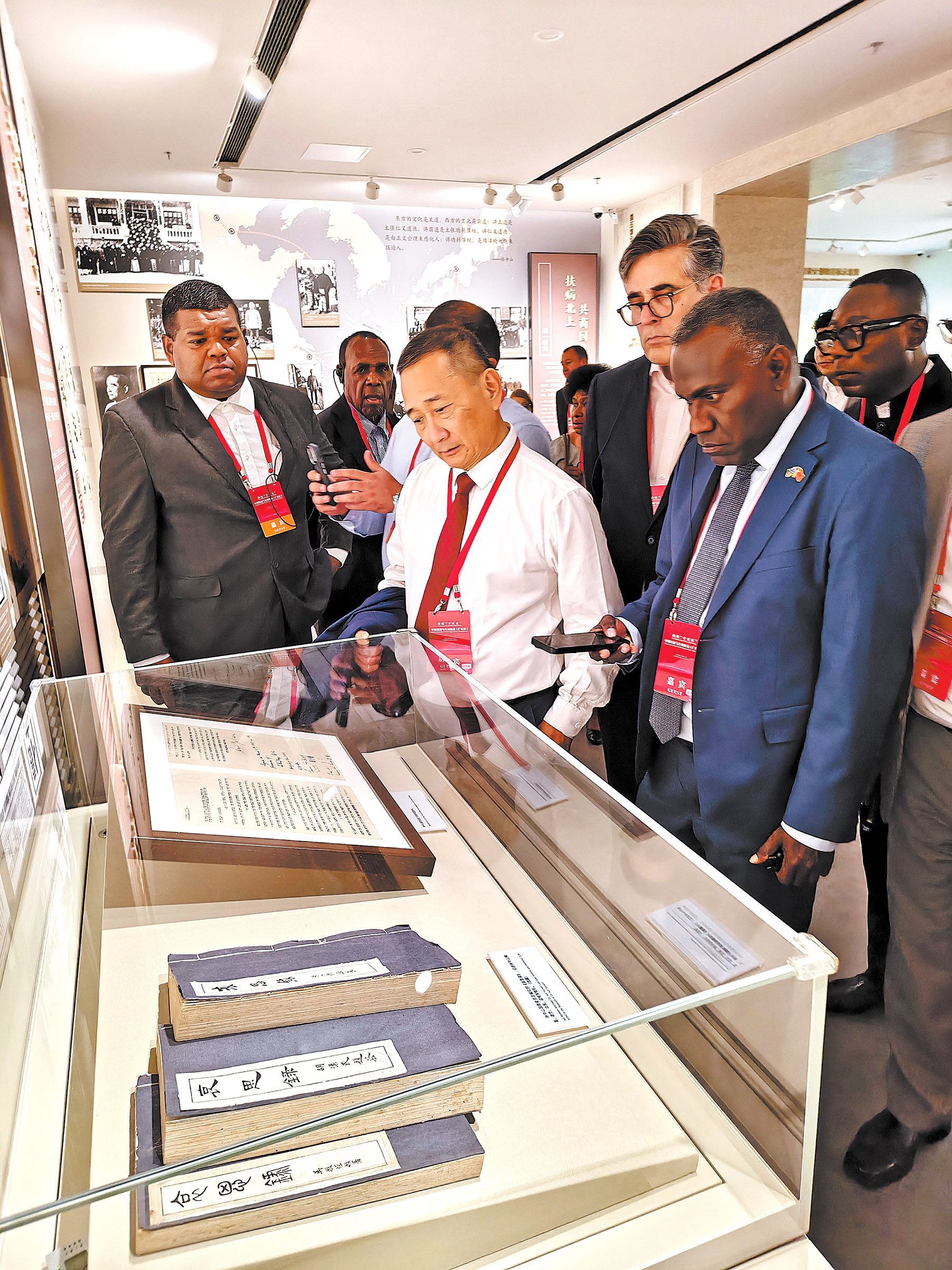
He was one of 60 diplomats from 37 countries who visited Guangzhou, Shenzhen, Zhongshan and Zhuhai in Guangdong last month.
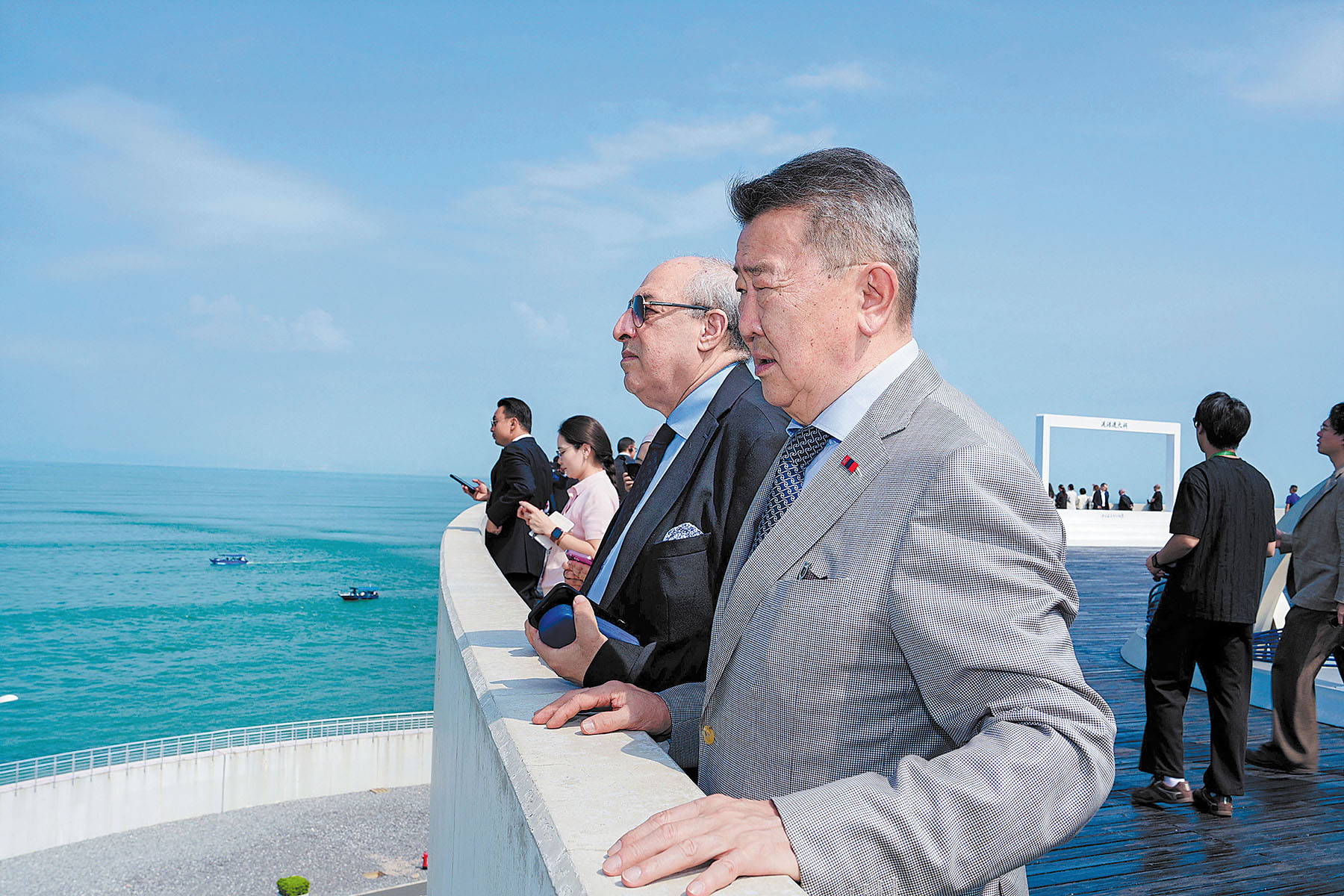
The visit allowed them to witness the province's innovation ecosystem through technology giants, advanced manufacturing companies, renewable energy enterprises, rural vitalization and the engineering marvel of the Hong Kong-Zhuhai-Macao Bridge.
For many of the diplomats, Guangdong is more than China's largest provincial economy. During the five-day visit to the four cities, they also witnessed what they called a clear vision for the future that combines technological innovation, sustainable development, cultural heritage, and international cooperation.
Experimental experience
FlorCruz believes that Shenzhen's rise reflects a key aspect of China's development model: experimentation before expansion.
China usually launches pilot programs, then scales up the process, he said. "It experiments, adjusts, and if the model works, it is replicated elsewhere," he said.
What began as a bold experiment in Shenzhen's Special Economic Zone eventually expanded to other parts of the country, including Pudong New Area in Shanghai, the Beijing-Tianjin-Hebei region, Xiong'an New Area and the Hainan Free Trade Port, he noted.
Shenzhen is also a good example of how a city can progress if there is strong leadership at the top, united support among the residents, and collaboration between the government and the public sector.
Mongolian Ambassador to China Nyamaa Enkhbold said the trip highlighted China's success in winning public understanding and participation in the reform process.
He was impressed by the government's ability to help people embrace new ideas and become active participants in development.
"The most difficult thing is to change people's mentality," he said."If you think something is too difficult and that you cannot do it, then you cannot do anything. But when you see other examples and learn from them, you start to think: if China can do it, why can't we?"
The ambassador, who first visited China in 1991, said that the country's progress over the past four decades has been extraordinary. "China was a completely different place at that time," he said. "In almost 40 years, it has developed beyond recognition."
Visiting Guangdong, the cradle of China's reform and opening-up, offered Enkhbold important insights into Mongolia's own transformation as it refines its development agenda.
Mongolia recently adjusted its five-year development plan and is paying close attention to China's 15th Five-Year Plan (2026-30), the ambassador said. Given the close economic ties between the two neighbors, policy coordination is of strategic importance, he added.
"At the moment, around 80 to 90 percent of Mongolian foreign trade and foreign investment is linked to China," Enkhbold said. "It is vitally important for us to align our policies and coordinate with the goals of our two countries."
Kenyan Ambassador to China Willy Bett said Shenzhen's experience in establishing itself as a special economic zone provides lessons his country can draw on.
He said Kenya now operates a number of special economic zones and is learning how to manage them effectively — from developing infrastructure to establishing the regulations and policies necessary for their operation.
Bett pointed out that China's special economic zones were established earlier under specific laws, which shaped policies, infrastructure layout, and legal frameworks.
"These are the experiences we are now picking up from Shenzhen to help our special economic zones work better for investors," he said.
Glimpse into the future
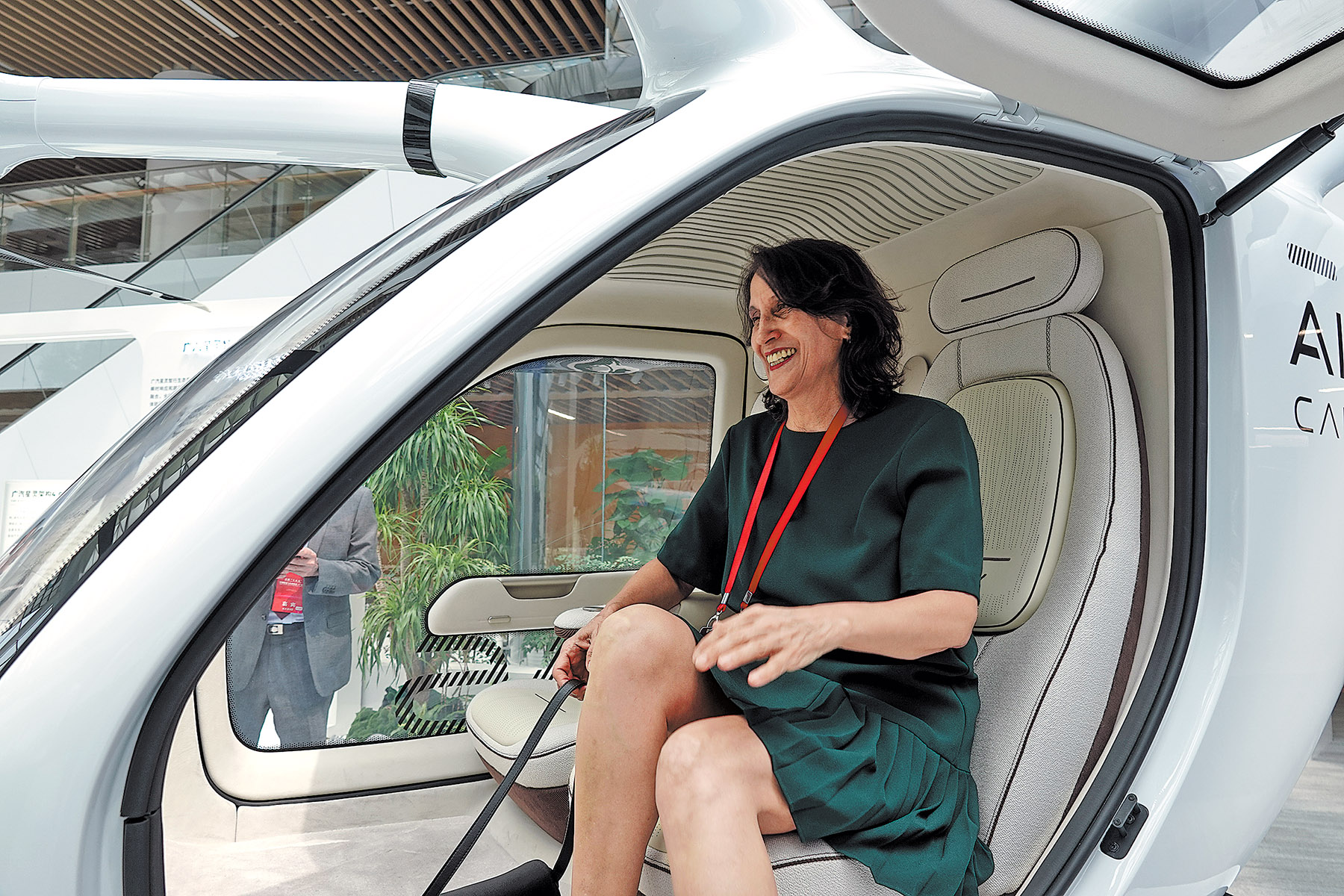
In addition to learning about experimental development in Shenzhen, the foreign envoys saw flying taxis, and robots playing the piano and brewing coffee. They also observed the fully intelligent manufacturing process for new energy vehicles and learned about the province's clean energy solutions.
Austrian Ambassador to China Wolf Dietrich Heim said one of the most memorable moments was seeing electric vertical takeoff-and-landing aircraft up close. "It was quite impressive to see in real life," he said, noting that some companies have already received certification for urban operations.
He also showed keen interest during his visit to Guangzhou Automobile Group Co. "China is now very successfully producing electric vehicles that are being manufactured in Austria, and from there are sold in many European countries," he said. Austria and China have a lot of successful cooperation in the mobility sector, and in energy and green transformation, the ambassador added.
At the headquarters of Mingyang Smart Energy Group, a wind turbine manufacturer and clean-energy solutions provider based in Zhongshan, representatives and foreign diplomats held talks on cooperation and other business matters.
Last year, the company signed a strategic cooperation agreement with Sindh province of Pakistan, with Khalil Hashmi, the country's ambassador to China, signing the agreement in person. "And now I am here at the headquarters of this great company," Hashmi said, adding that Pakistan is restructuring its energy mix by adding solar, wind, hydro and nuclear power.
The country is negotiating with Chinese enterprises to launch more projects and advance bilateral energy cooperation, he said.
Kenya's ambassador Bett said the country is also advancing its transition to non-fossil energy sources, with over 90 percent of its energy currently derived from renewable resources.
"This is something we are advocating for, and seeing happen now," he said. The company's implementation of net-zero strategies provides important models for collaboration.
He added that, given Kenya's aspirations, partnerships with Chinese provinces and companies are essential to accelerating the adoption of clean energy solutions and driving sustainable industrial development.
Gateway to the world
Guangdong has long served as China's gateway to the world, and many ambassadors pointed to the province's combination of local dynamism and global connectivity.
Bett described the policy of opening-up as "a blessing to the whole world", saying that opening of China means the technologies produced domestically will be shared globally and Kenya will benefit from it.
Bett said China's growing number of imports and tariff-free treatment for many African exports could create opportunities for products such as Kenyan coffee and avocados to reach more Chinese consumers.
He highlighted the deepening ties between Kenya and Guangdong, particularly Guangzhou, which has become a major hub for Kenyan traders.
"Enhanced connectivity is playing a vital role in bringing our peoples and businesses closer together," he said, adding that direct flights between Guangzhou and the capital Nairobi have significantly strengthened links between Guangdong, Kenya, and the East African region.
"These connections are facilitating tourism, investment, business travel, and cargo movement, while opening new opportunities for cooperation between our respective enterprises and institutions," Bett added.
Looking ahead, Kenya hopes to further deepen cooperation with the province in trade, investment and tourism, he said.
As the province is an integral part of the Guangdong-Hong Kong-Macao Greater Bay Area, one of China's most economically dynamic city clusters, the ambassadors also expressed their interest in leveraging their visit to deepen bilateral and multilateral cooperation with the GBA.
FlorCruz from the Philippines said that the GBA represents the next evolution of China's development philosophy.
The region seeks to bring together Guangdong's manufacturing and innovation strength, Hong Kong's international financial and professional services, and Macao's strengths in tourism, as well as international exchanges, he said.
FlorCruz said the GBA's significance extends far beyond southern China. It is increasingly shaping economic activity and supply chains throughout Asia and beyond, he said, adding that business decisions made here increasingly affect economies across the region.
"Many of the industries driving growth here are precisely the sectors where the Philippines hopes to attract greater investment and cooperation. We welcome partnerships that create jobs, transfer knowledge, develop skills, strengthen industries, and help our economy become more competitive and innovative."
Last year, Turkiye's trade with Guangdong reached $7.8 billion, which accounts for about 15 percent of the country's total trade with China, according to Turkiye's Ambassador to China Selcuk Unal.
Unal said cooperation with the province involves machinery, equipment, food products and industrial goods.
Guangdong has become an important destination for Turkish investment, while Chinese companies from the province are increasingly investing in Turkiye, he said. "We are going to investigate more ways to increase collaboration between Turkish and Chinese companies," Unal said.
Shared opportunities
As diplomats looked beyond Guangdong's present achievements, many focused on what China's next stage of development could mean for the world.
China is implementing its 15th Five-Year Plan, which is guiding economic and social development through the second half of this decade.
Unal said that Turkiye is carefully studying the plan. He believes there will be more, and better, opportunities to coordinate joint efforts for a fairer trade basis.
Fiji's Ambassador to China Robert Lee said one of the most striking aspects of China's development is its commitment to long-term planning.
"China's development is a spectrum," he said. "Whatever stage of development a country is in, it can find a relative point on that spectrum that China has gone through."
During his Guangdong visit, Lee said he was impressed by the clarity of development goals and the determination to achieve them."For small island countries, we need that kind of focus," he said."China is showing what is possible."
China is also engaging with the world, and it is demonstrating that not just in words but through actions.
The Fijian ambassador said the country's 15th Five-Year Plan is expected to bring significant benefits not only to China but also to other countries as Chinese enterprises expand abroad. As Chinese companies invest overseas, they are increasingly expected to adhere to higher standards, particularly in environmental protection, governance, and inclusive development.
He emphasized that this includes ensuring local communities benefit from investment and that host economies share in the gains of development. "There is a strong commitment to win-win cooperation rather than a win for one side alone," the ambassador said.
ALSO READ: Guangdong and Indonesia deepen ties under APEC
Such priorities create important opportunities for cooperation and shared growth, he added.
Luis Oswaldo Lopez Alvarez, ambassador of El Salvador to China, said China's 15th Five-Year Plan presents significant opportunities for cooperation, particularly in emerging sectors such as clean energy and agricultural technology.
He noted that during the Guangdong visit, discussions and demonstrations on new energy development, including ocean-based energy applications, were especially interesting and offered potential areas for further exploration in Latin America.
The ambassador said the visit allowed him to better understand China's development journey and the hard work, discipline and commitment that have driven its transformation over the past decades.
He believes that in the future China will continue to make progress through its long-term planning and vision.
"We have a lot in common, and I see great opportunities for our countries to deepen cooperation and work more closely together for the benefit of our peoples," he said.
Contact the writers at zhoujin@chinadaily.com.cn
