

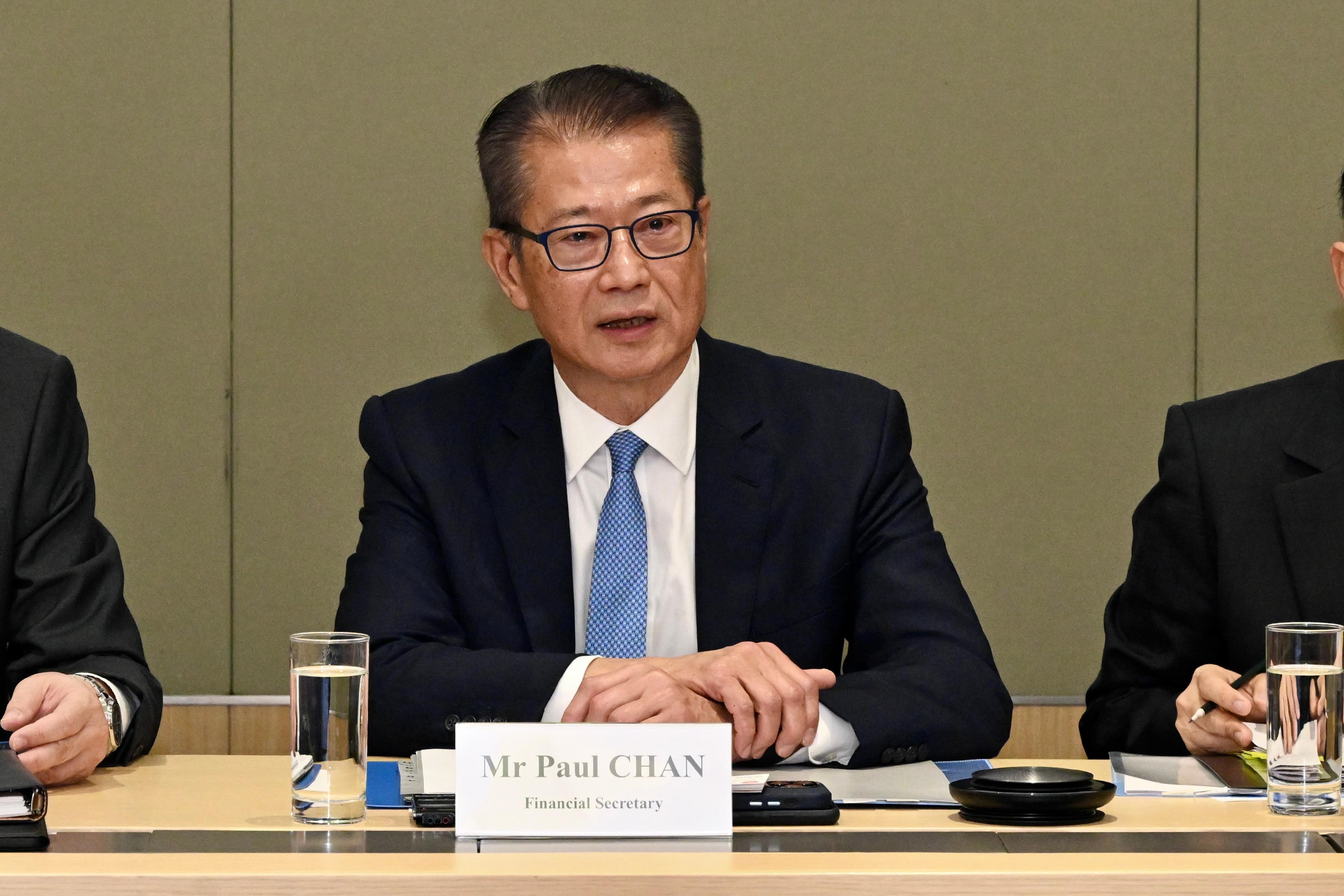
One of the Hong Kong Special Administrative Region's institutional advantages is its simple and low tax regime, as tax policy is a key component of enhancing the competitiveness of an economy, the HKSAR government’s financial secretary stressed on Monday.
Paul Chan Mo-po made the remarks during the first meeting of the Advisory Committee on Tax Policy, which he chairs.
At the meeting, members of the advisory committee were briefed on and discussed the preferential policies and measures under Hong Kong's current tax regime and the relevant measures in this year's Budget, including preferential policies for promoting investments and development of industries.
“Our tax policy is widely and internationally recognized. For instance, in the latest World Competitiveness Yearbook 2026 published by the International Institute for Management Development, Hong Kong's tax policy has topped the global rankings for two consecutive years,” Chan pointed out.
ALSO READ: Chan: HKSAR’s first five-year plan to better chart the future
Warning about the evolving and stiff global competitive environment, he said the HKSAR must continue to enhance its tax policy and create a more attractive business environment, in order to attract more quality enterprises and industry clusters to Hong Kong and support the diversified and long-term development of the city’s economy.
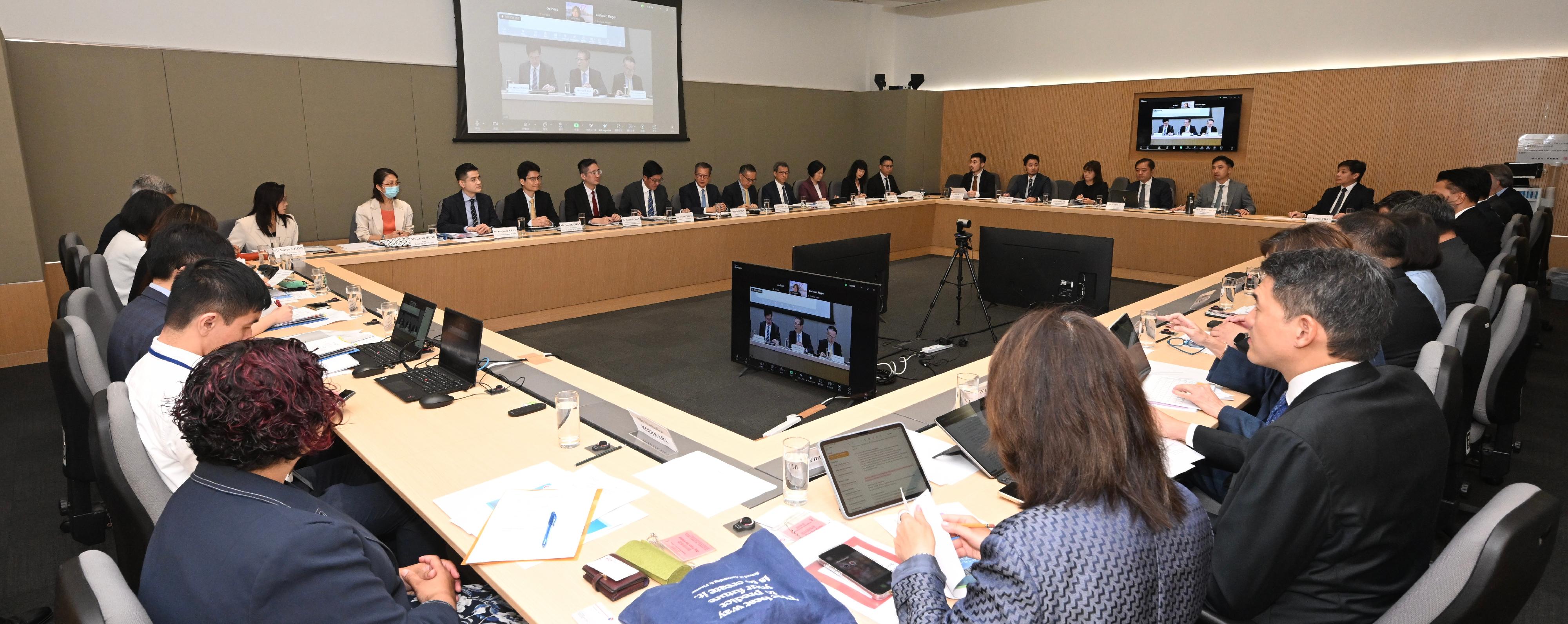
In the 2026-27 Budget, the financial secretary proposed the establishment of the advisory committee, whose terms of reference are to advise the government on tax policy matters, with a view to sustaining and enhancing the city’s economic development and competitiveness, taking into consideration the evolving global tax environment and the SAR’s international tax obligations.
Members of the advisory committee comprise representatives from the commercial, industrial, and professional sectors, as well as relevant government departments.
