

Comic Con, the latest large-scale event franchise celebrating comics, animation and pop culture to put down roots in Hong Kong, probably won’t be the city’s last. Amy Mullins reports.
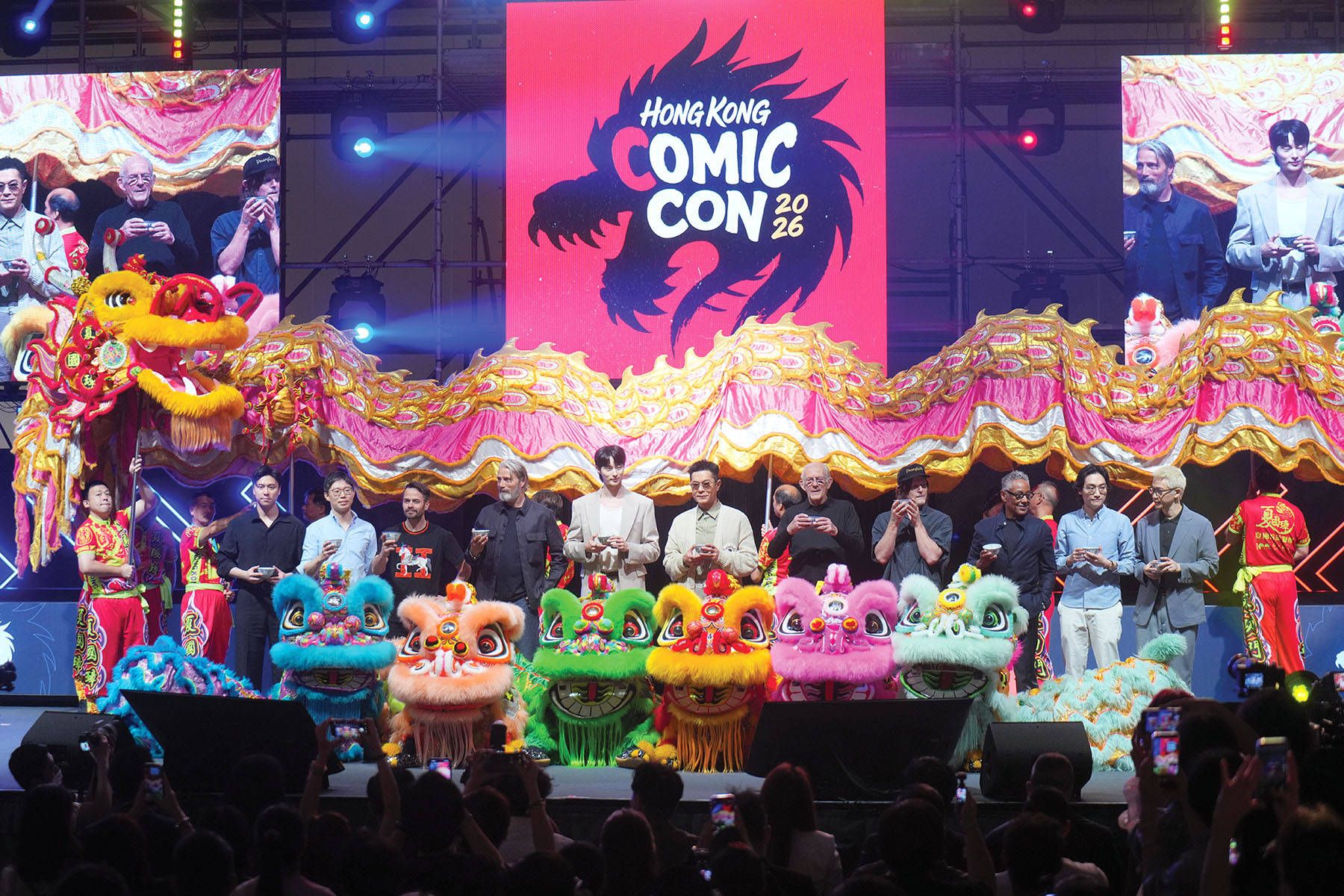
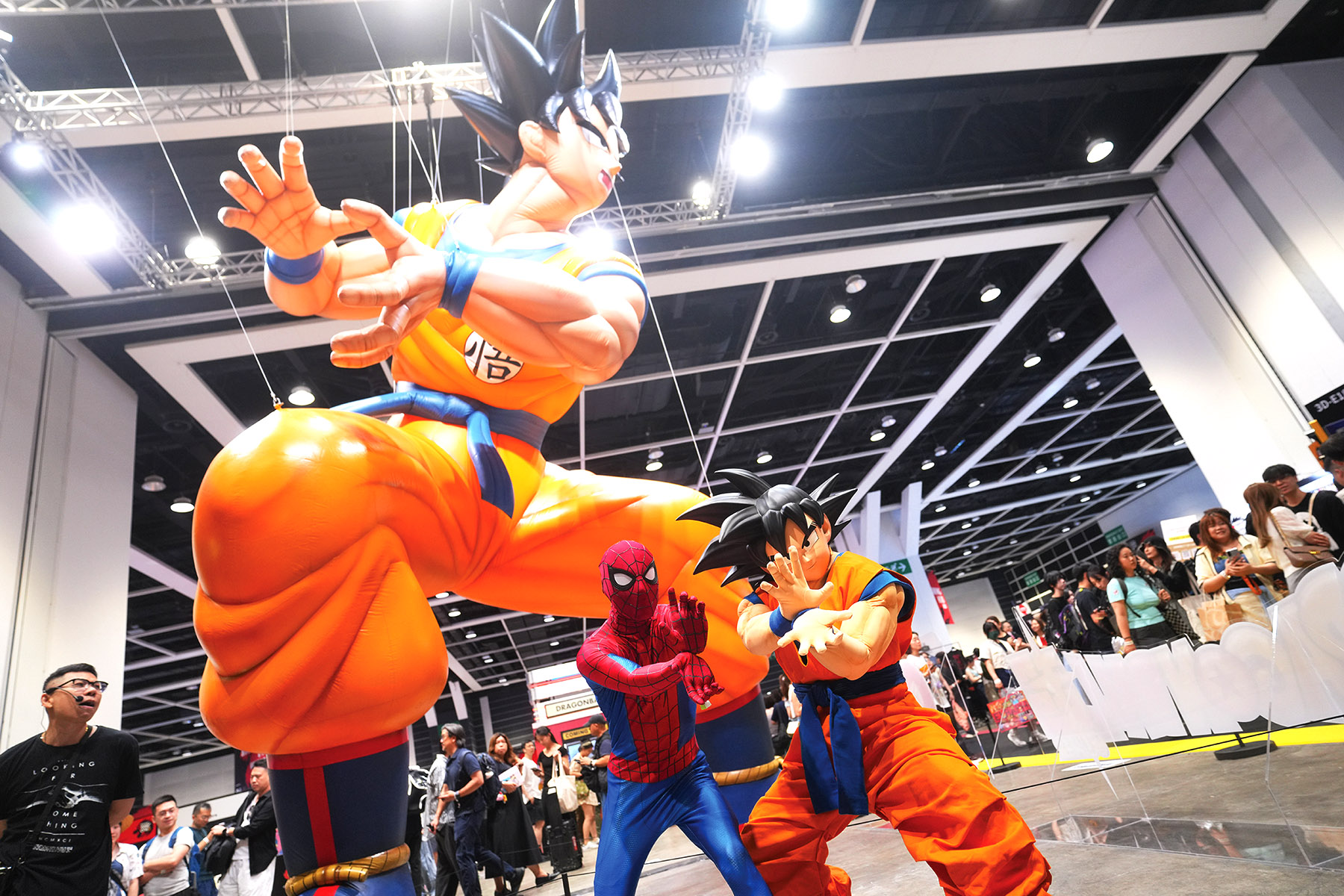
On May 31, the last day of the first-ever Hong Kong Comic Con (HKCC), the line for entry stretched from the door of Hall 3 at the Hong Kong Convention and Exhibition Centre, down the corridor and the escalator to the parking lot, the way it had done on the first two days of the event. The exhibition floor heaved with groups of friends in their preferred cosplay — scores of Spider-Men and Demon Slayers flooded the floor. Parents treated children to interactions with their favorite characters, while collectors squeezed into the corner beside the main stage of Artist Alley, looking to snag a sketch or portrait. The turnout, and the enthusiasm on display, exceeded expectations.
Which should be good news for the Hong Kong Tourism Board (HKTB), which — per its release on travel trade strategy for 2026-27 — is keen on MICE (meetings, incentives, conventions and exhibitions) travel, and cultural tourism that looks beyond traditional forms of art. The Mega Arts and Cultural Events (ACE) Fund, managed by the Culture, Sports and Tourism Bureau (CSTB), will support large-scale events with a potential to add significant cultural and economic value to the city. To that end, the likes of ComplexCon Hong Kong (CCHK) — its third edition was held at the AsiaWorld Expo in March — and HKCC will be counted among the city’s flagship cultural events such as Hong Kong Sevens, Art Basel Hong Kong and LIV Golf Hong Kong in HKTB’s bundled travel promotions.
READ MORE: Comic Con debuts in HK
That plan may be working, particularly in the so-called nerd circles — no strangers to the idea of cultural tourism. “Hong Kong, in general, has always been highly receptive and adaptive to shifts in the global pop-culture landscape. It is a city that doesn’t just consume culture, but actively engages with it in a very deep and enthusiastic way,” says Optics Ventures co-founder and HKCC organizer James Chen. “Historically, Hong Kong has also been one of the most influential cultural hubs in Asia. When people think of Hong Kong, they think of its golden age of cinema, iconic action films, Cantopop, and even a distinctive streetwear and urban culture. That legacy has created a strong cultural foundation where fandoms and creative communities have long existed.”

Competing for attention
The home-grown Ani-Com and Games Hong Kong, which has its roots in manhua (Chinese-language comics) and was started in 1999, is still going strong. A new edition is due in July. For two decades, the annual event was the key destination for the city’s comics and animation fans, gamers, collectors and cosplayers, but today faces competition from a rash of global-brand cons.
The inaugural Japan-heavy Con-Con Hong Kong in April, organized by film distributor Medialink, followed close on the heels of CCHK in March, and was held at the same venue. It featured interactions with intellectual properties (IPs) Gundam, and Jujutsu Kaisen and performances by Tyson Yoshi, Flow and Anson Kong. HKCC, a franchisee of San Diego’s renowned event founded in 1973, launched its first edition in May. In addition to being magnets for tourists, all three cons meet CSTB’s criteria of contributing to Hong Kong’s development into an arts and culture hub, and providing opportunities for exchanges among creative sectors.
Widely regarded as a cultural barometer, CCHK’s record-breaking attendance this year was an almost even split between local and international visitors, most of whom flocked to its signature marketplace, a curated hub for brands, artists, creators and product activations. In addition the show featured live music, panel discussions, and a food festival with guests such as American artist and graphic designer Eric Haze, street-culture vanguard Jeff Staple, and rappers Jay Park and MC Jin. It was the brand’s first event outside the United States and was launched in conjunction with the ACE fund. “The consistent recognition of our stage by world-class icons over these past three years is a testament to the festival’s growing prestige,” says Bonnie Chan Woo, CEO of event organizer SV Vision.
Stellar show
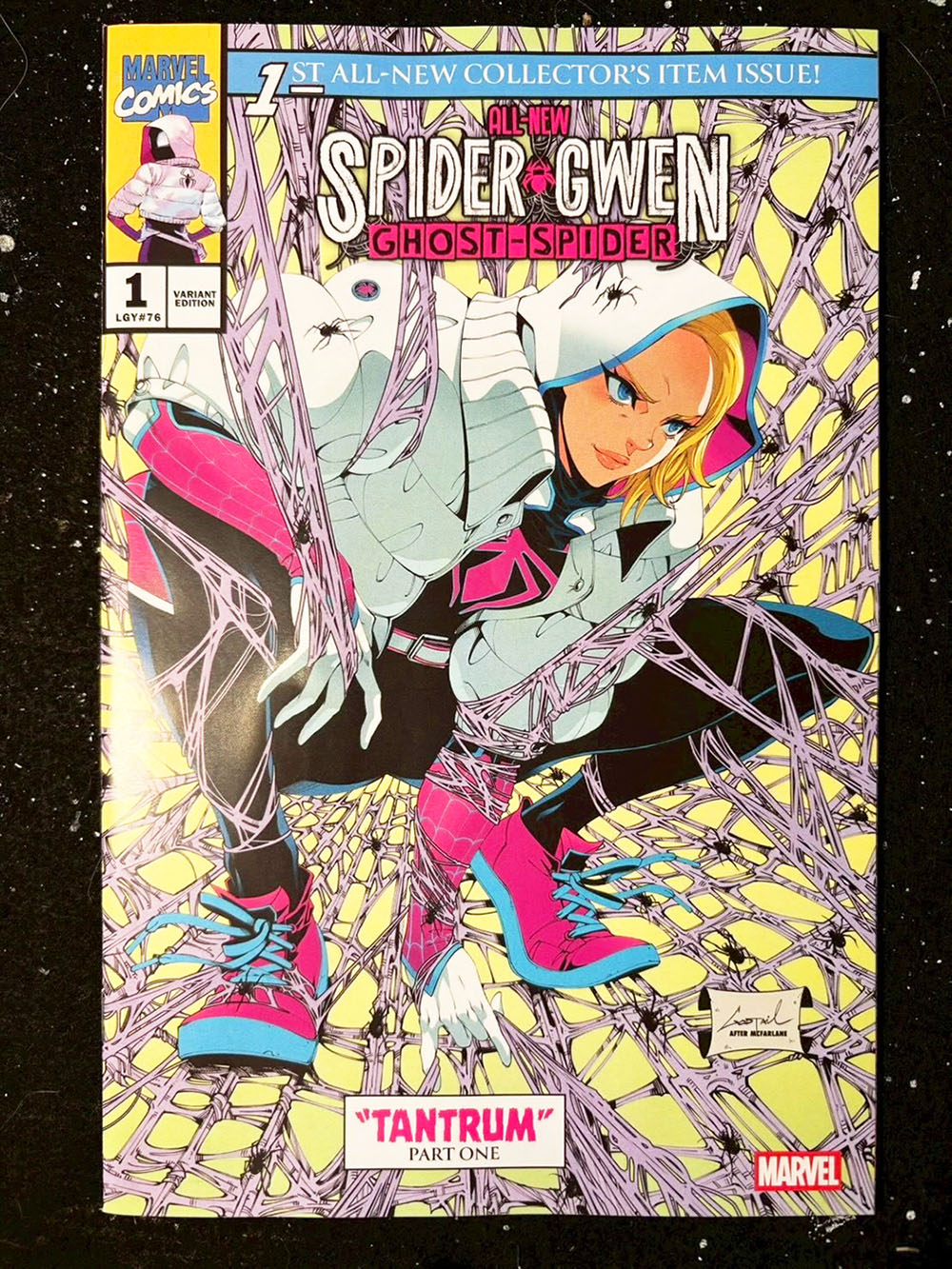
In its first year, HKCC sought to distinguish itself from its San Diego roots by creating a program tailored to the region and its audiences. There was a cosplay component — though not as robust as that of Ani-Com’s — new game trials, e-sports tournaments and an Artist Alley packed with artists and their works. Renowned as a launchpad for all types of IPs, the brand drew artists from across the spectrum — Japanese illustrator Tomonori Kamio, aka Godtail; Hong Kong’s manhua creator Man Tsang; My Little Pony illustrator Agnes Garbowska; and the legendary comic artists Dexter Soy (Uncanny X-Force) and Bob Layton (New Gods), among others.
Tsang, who created a manga version of the novel Star Wars: Thrawn, says that he was attracted by the reputation of the flagship event at San Diego, so that he could “see and learn”. As someone with a stake in both the IP incubator Mibocool, launched at the event, as well as the Star Wars franchise, “I felt I should attend for both work and personal reasons. I hope to meet local fans and creators,” Tsang says. Kamio similarly hoped to find new opportunities.
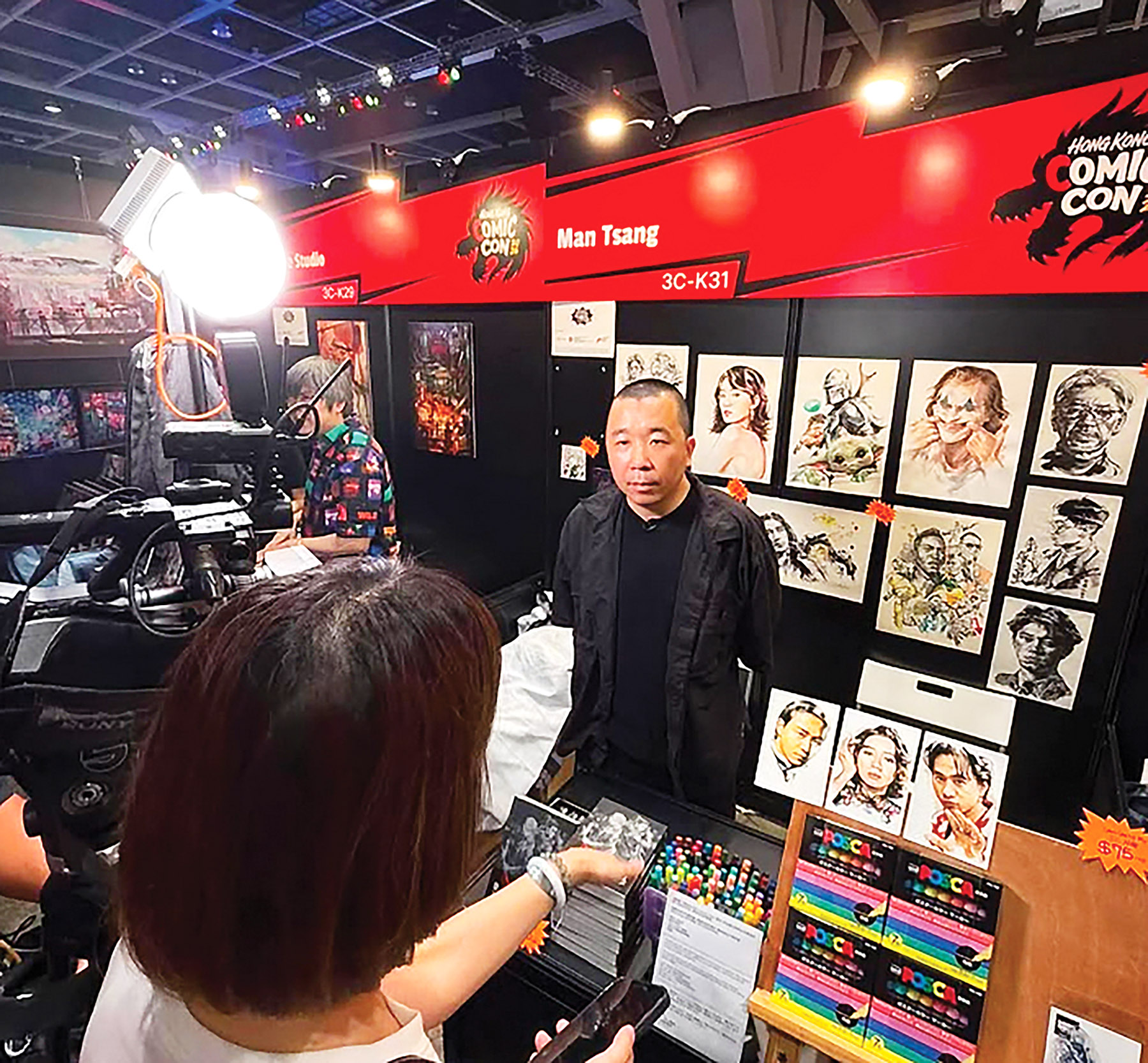
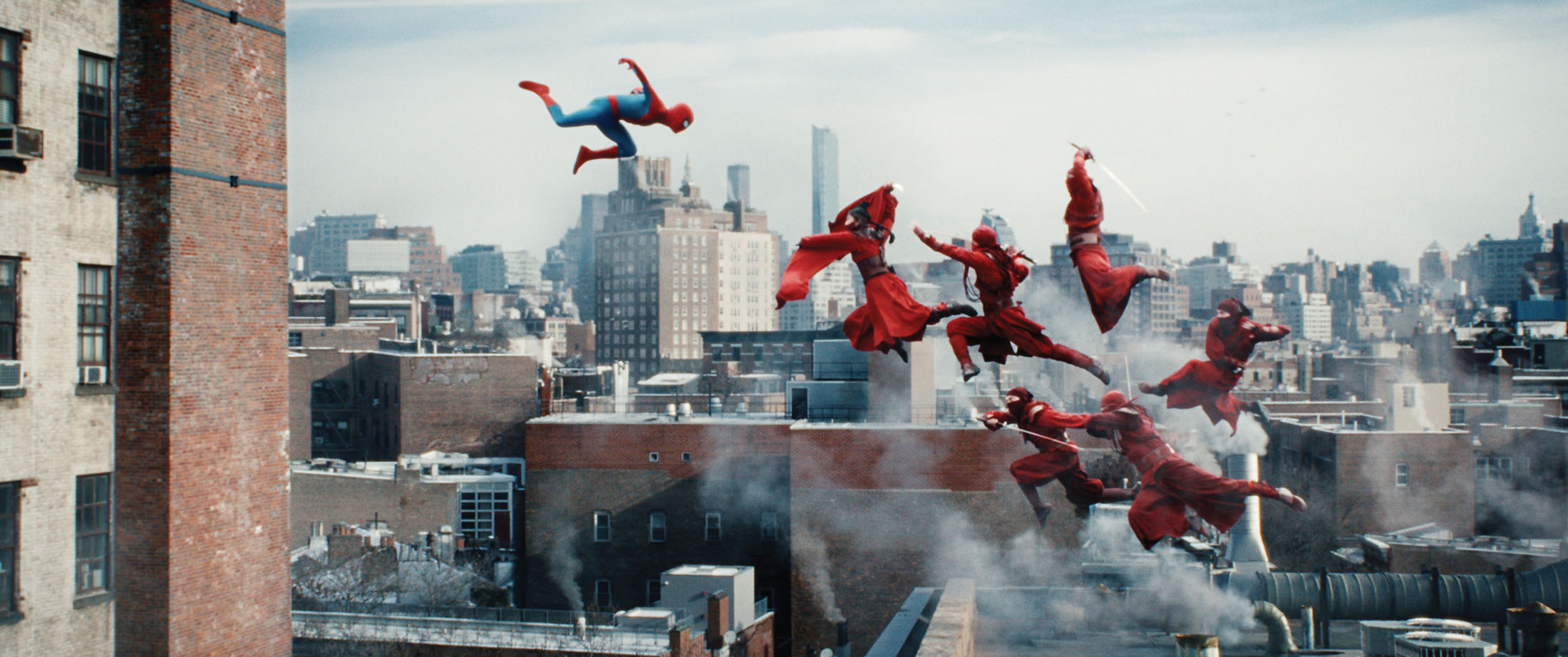
The major attraction of the Comic-Con brand is the chance to get early peeks at forthcoming media projects and, as an attendee from Hangzhou stated, at international stars. Sony Pictures Hong Kong was actively promoting its forthcoming Spider-Man: Brand New Day, which opens in July, and the animated Spider-Man: Beyond the Spider-Verse (2027), but it was the only global studio showcasing new IPs.
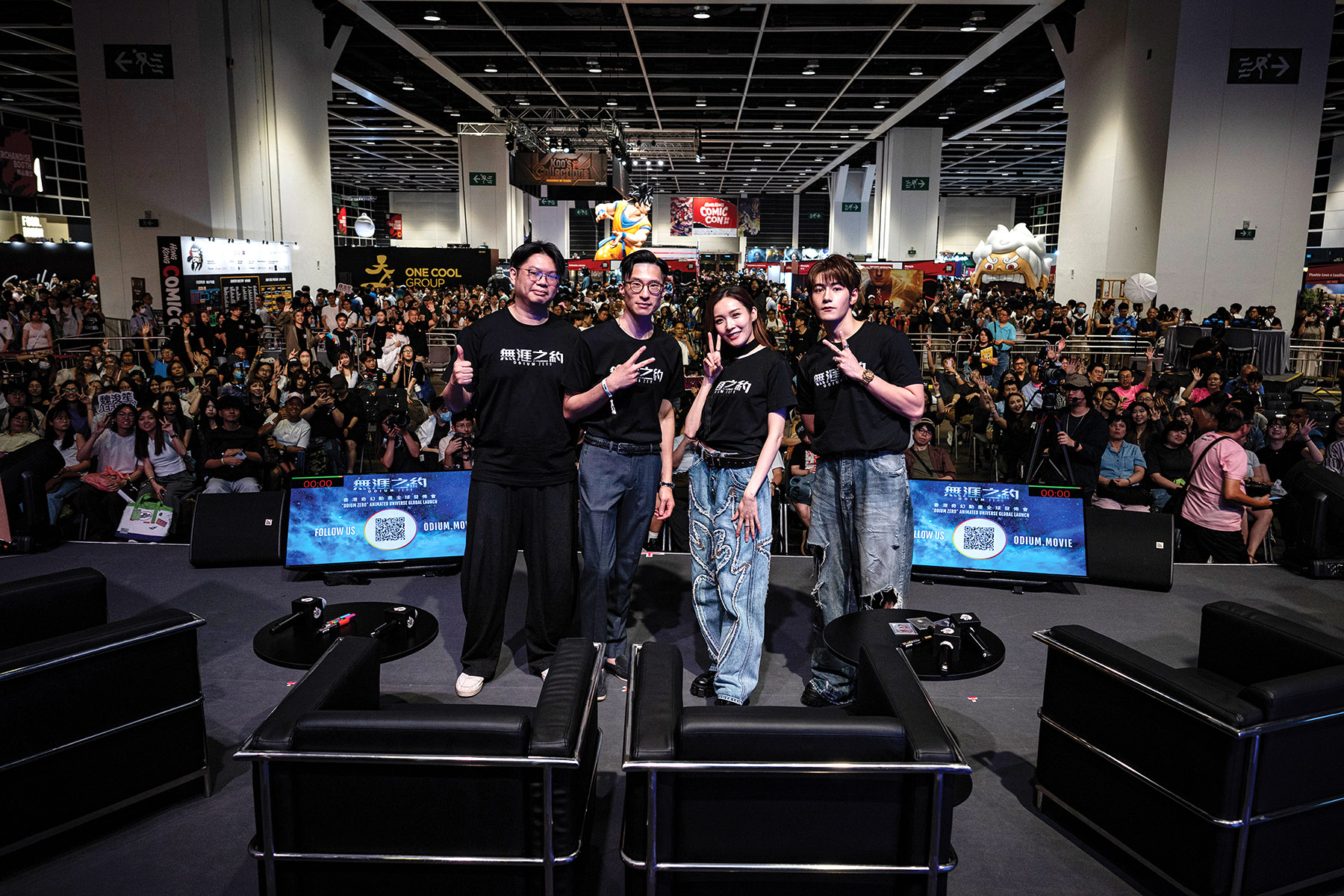
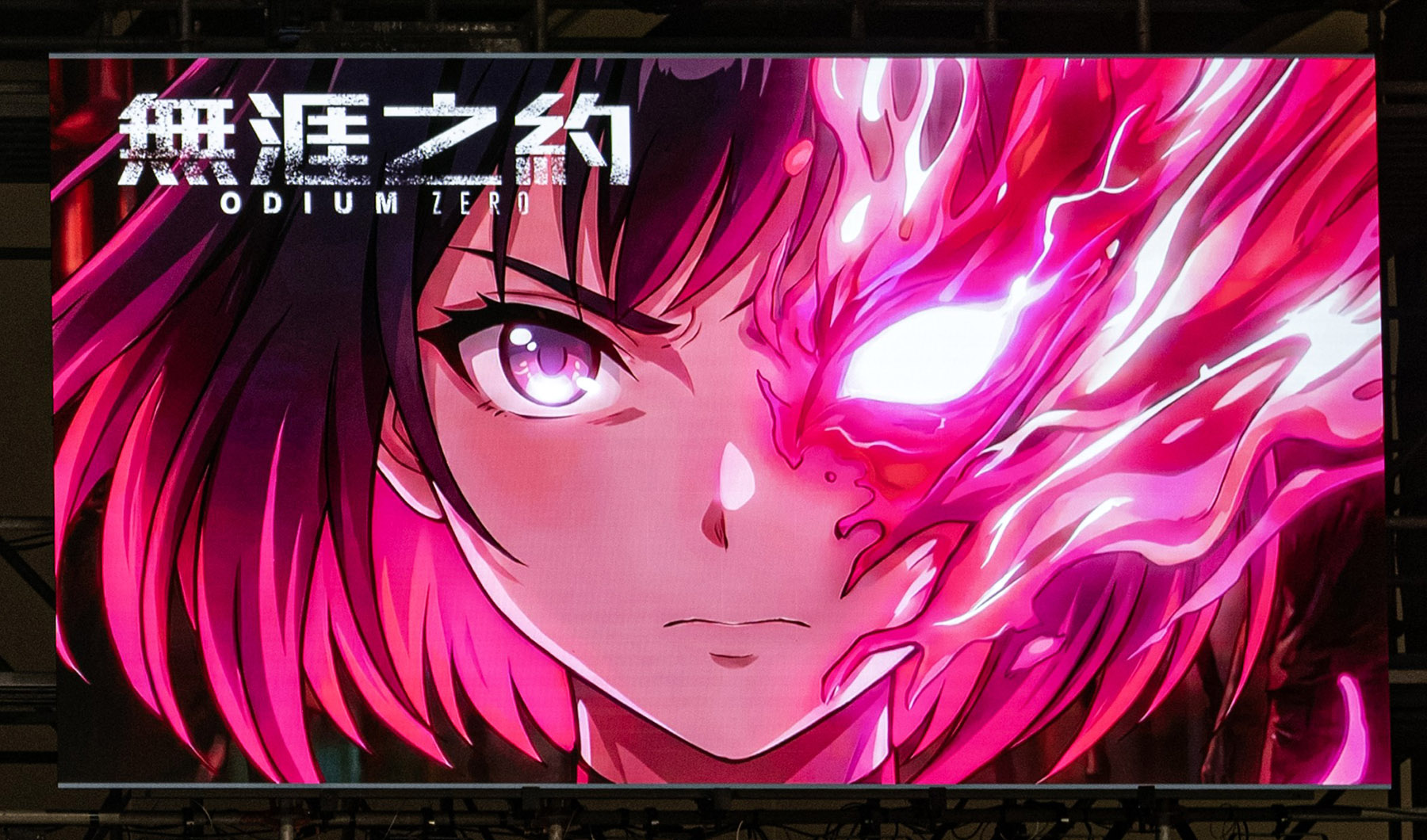
Similarly, local director James Hung was the only filmmaker to announce a new venture. “As a next-gen Hong Kong writer and director, I chose HKCC as the global launchpad for my original fantasy-action animation Odium Zero,” says the California-raised Hung. “San Diego Comic-Con grew out of a culture that shaped global animation and genre storytelling. That world of comics, film, and fan culture was part of my everyday landscape. Comic-Con was a destination — something you grow up chasing without even realizing it. Now, seeing the first official HKCC take shape feels almost like a thread snapping into place. It connects back to something I’ve carried since childhood.”
Eye on Asia
Connecting stakeholders is one of HKCC’s mandates, which aligns with a broader, global trend toward rethinking ways of creating and consuming culture. HKCC co-founder and co-organizer Ryan Li says that while Comic Con has a presence in Tokyo and Singapore, the brand “is looking to take things a step further” in Hong Kong. “We see this not just as another convention, but as a cultural meeting point for the region, and a platform that connects industry stakeholders, creators, and fans in a more integrated and meaningful way. Ultimately, we hope it can serve as a catalyst to further revitalize and expand Hong Kong’s pop culture landscape.”
ALSO READ: Homegrown comic icons
HKCC launched in a year of economic uncertainty and rising costs — at a time when even major producers such as Amazon, Disney and Marvel are bowing out of the San Diego event, while the local production environment faces its own set of challenges. Nonetheless the event welcomed international guests — actors Mads Mikkelsen, Giancarlo Esposito and Byeon Woo-seok — alongside local stars Stephen Fung and Louis Koo, whose One Cool Group was the event’s co-organizer.
Li is probably right to expect a bigger sophomore event. As One Cool’s director of business development and communications, Sean Man, says, “At its heart, pop culture is about connection, and what we witnessed over these three days was the passion, creativity, and energy shared by fans and cosplayers from across the region. … We look forward to bringing Hong Kong’s pop culture scene to an even bigger international stage.”
If you go
Ani-Com and Games Hong Kong 2026
Dates: July 24-28
Venue: Hong Kong Convention and Exhibition Centre, 1 Expo Drive, Wan Chai
https://ani-com.hk
The writer is a freelance contributor to China Daily.
