

As younger generations and urbanites face mounting stressors, the olfactory is shifting from consumer demand for commercial brand fragrances to empirically proven therapy, report He Qi and Wang Xin.
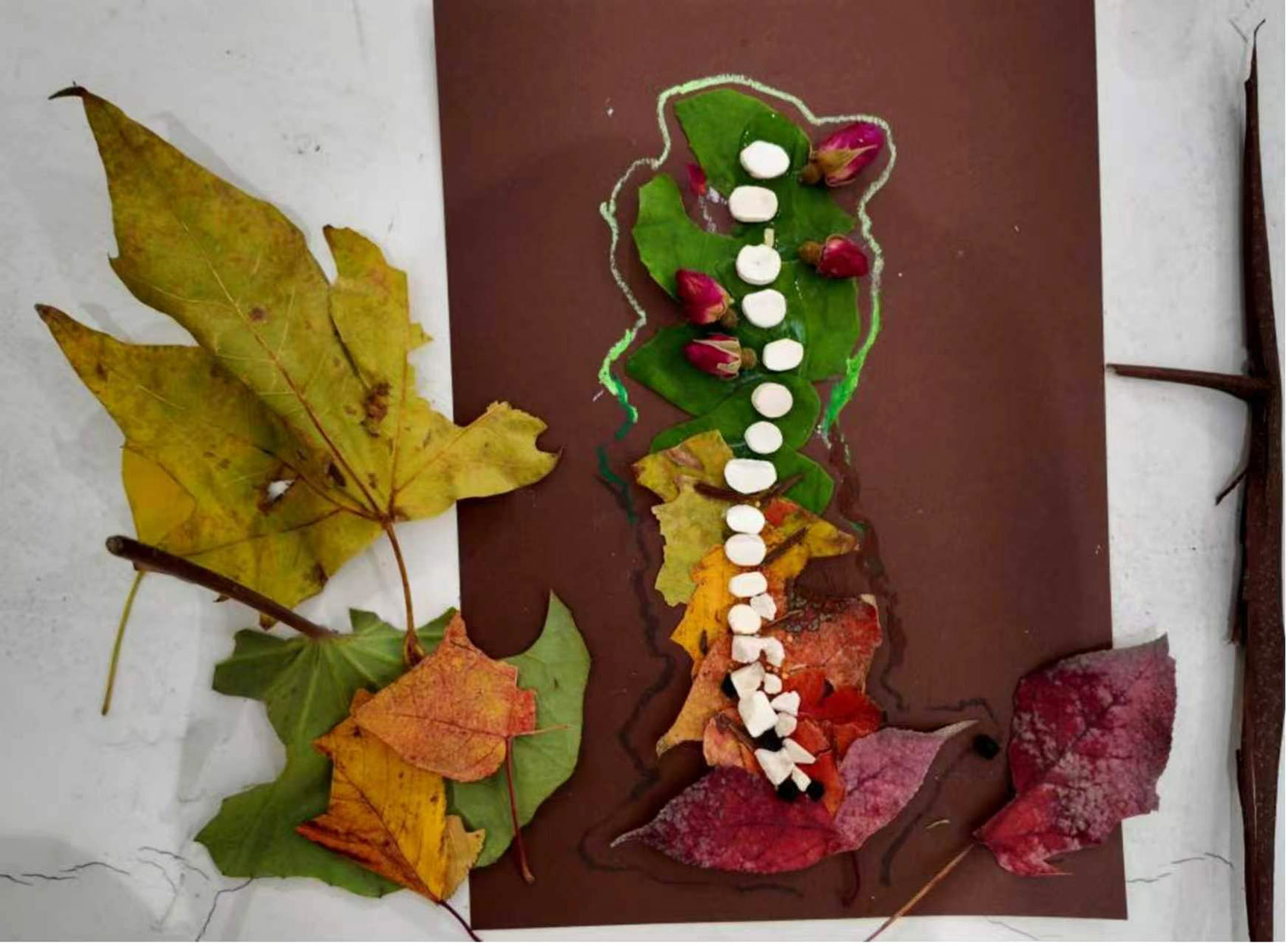
As a participant twisted a dried mugwort leaf between her fingers, its familiar medicinal scent filled the air, bringing tears to her eyes. Like that, when participants piece together their own artistic creations, they'd find a release of certain emotions they've held back, and are healed by the power of nature.
This intimate moment unfolded at a special eco-art therapy exhibition on the East China Normal University campus in Shanghai, offering a gentle emotional outlet for urban dwellers grappling with anxiety.
READ MORE: Slow living shapes young lifestyles
Against the backdrop of a significant rise in emotional distress among the general public, particularly China's younger generations, new approaches to emotional healing are breaking barriers in traditional psychological counseling and bringing mental health care into daily life: eco-art therapy integrated with mindfulness and traditional Chinese culture, and fragrance-based emotional regulation backed by neuroscientific and empirical research.
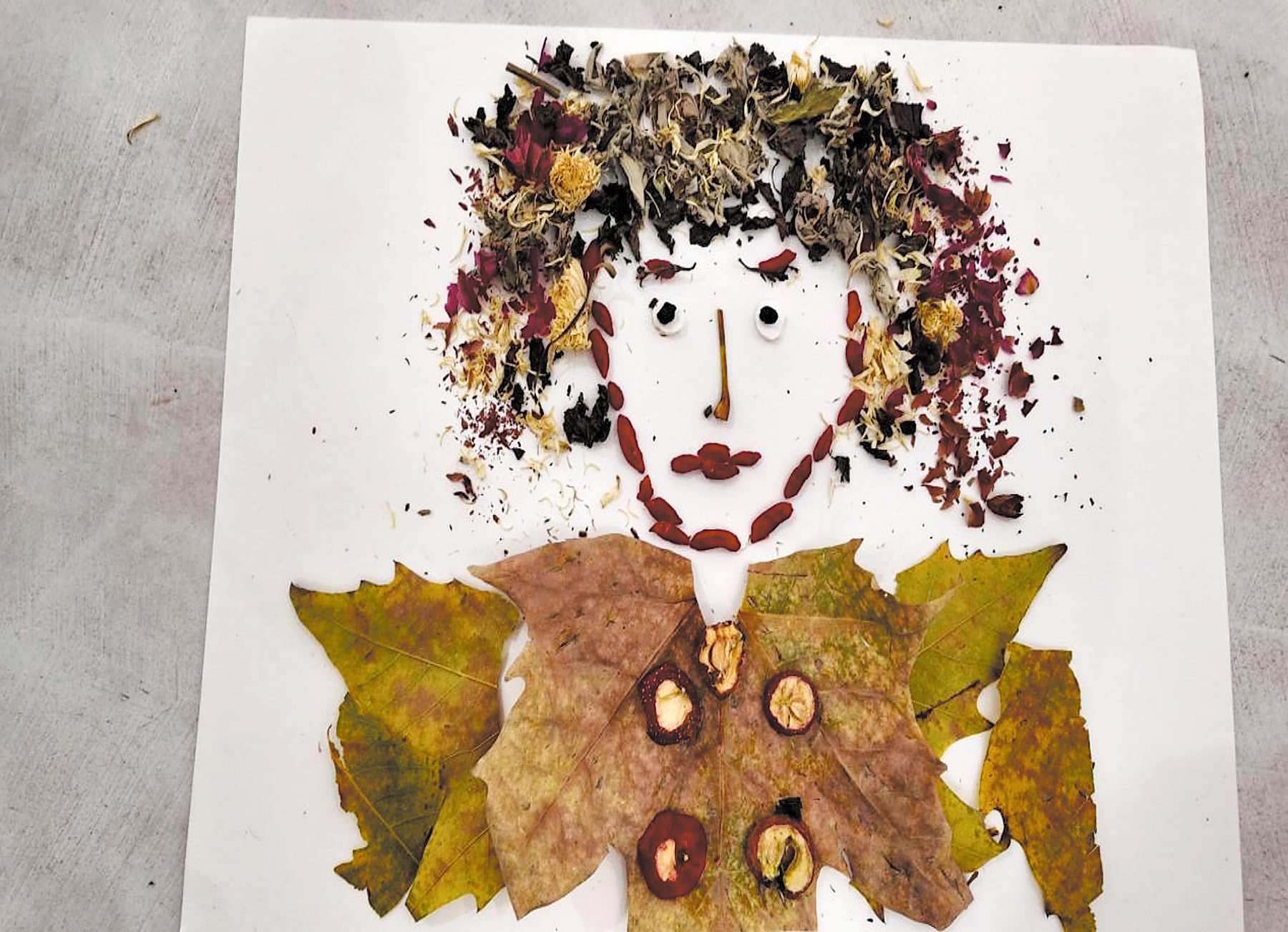
According to clinical data, emotional issues are no longer confined to severe cases requiring specialized treatment, says Qiao Ying, an expert from the Shanghai Mental Health Center.
"In the past, people thought you needed to see a doctor only if your condition was serious. But now, the number of people experiencing sub-threshold depression and anxiety has increased significantly," Qiao notes, adding that the number of children and adolescents seeking treatment for mental health has risen each year.
To address demand, the eco-art therapy exhibition curated by Yan Wenhua, a professor at the School of Psychology and Cognitive Science of East China Normal University, explores a low-cost, accessible healing path. The exhibition, running through July 3, features hundreds of works created by ordinary people in nearly 40 public healing activities organized by Yan's team recently.
"Eco-art therapy basically refers to an ecological approach in art therapy, an innovative method aimed at restoring the deep connection between man and nature through creative activity," explains Yan.
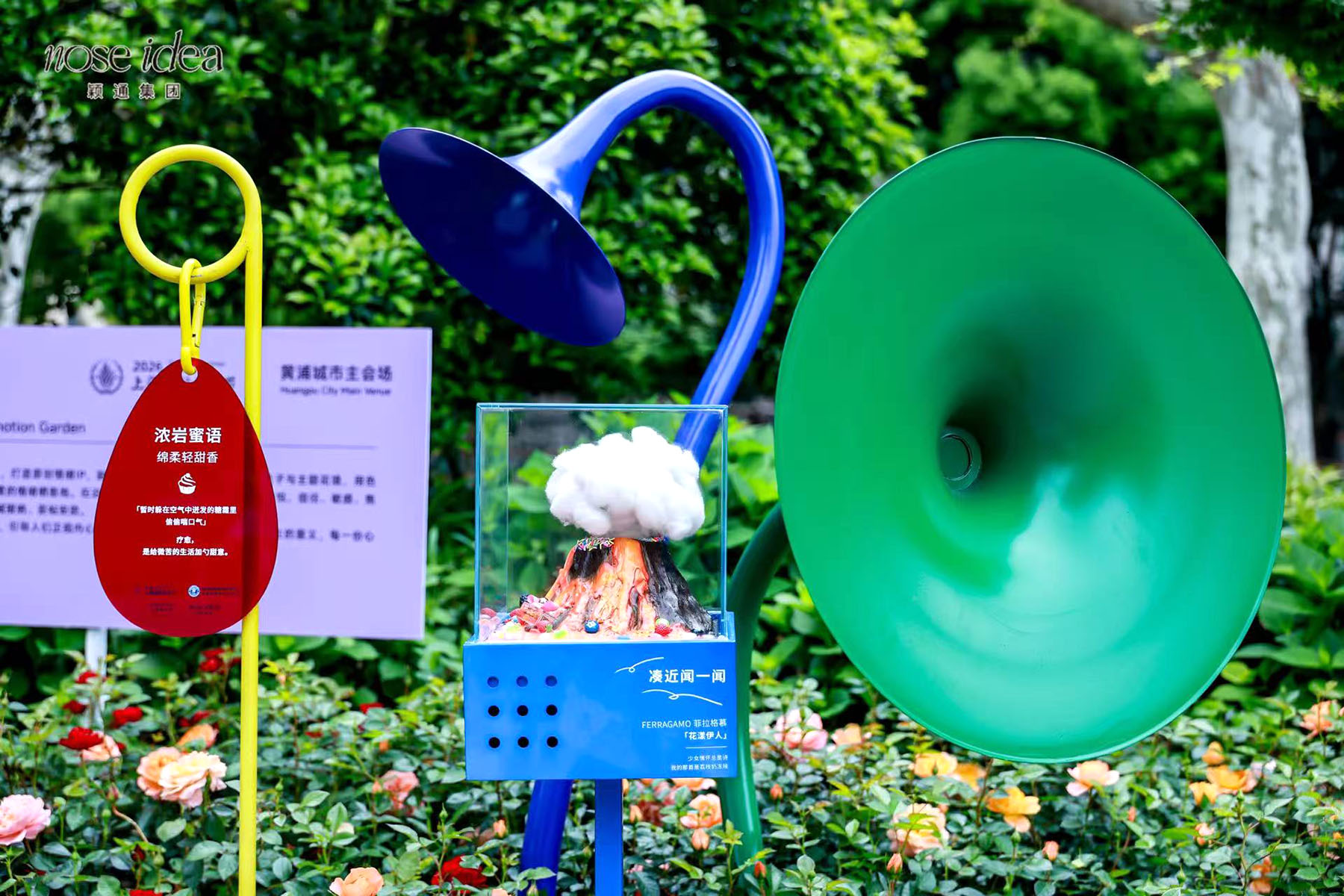
Mindfulness techniques are integrated throughout the exhibition. With green plants, written words and audio instructions spanning the display space, they lead visitors to fully focus on and connect with the present.
Originating from traditional Chinese Zen meditation, mindfulness was systematized and simplified into a practical psychological technique before being reintroduced to China. Yan's team has deeply integrated mindfulness with the 24 solar terms and traditional Chinese medicine to create culturally relevant healing activities.
During Minor Cold (xiao han), participants were guided to paint their true selves on blank masks; in spring and summer, they observed growing plants, smelled them, and expressed their feelings through art.
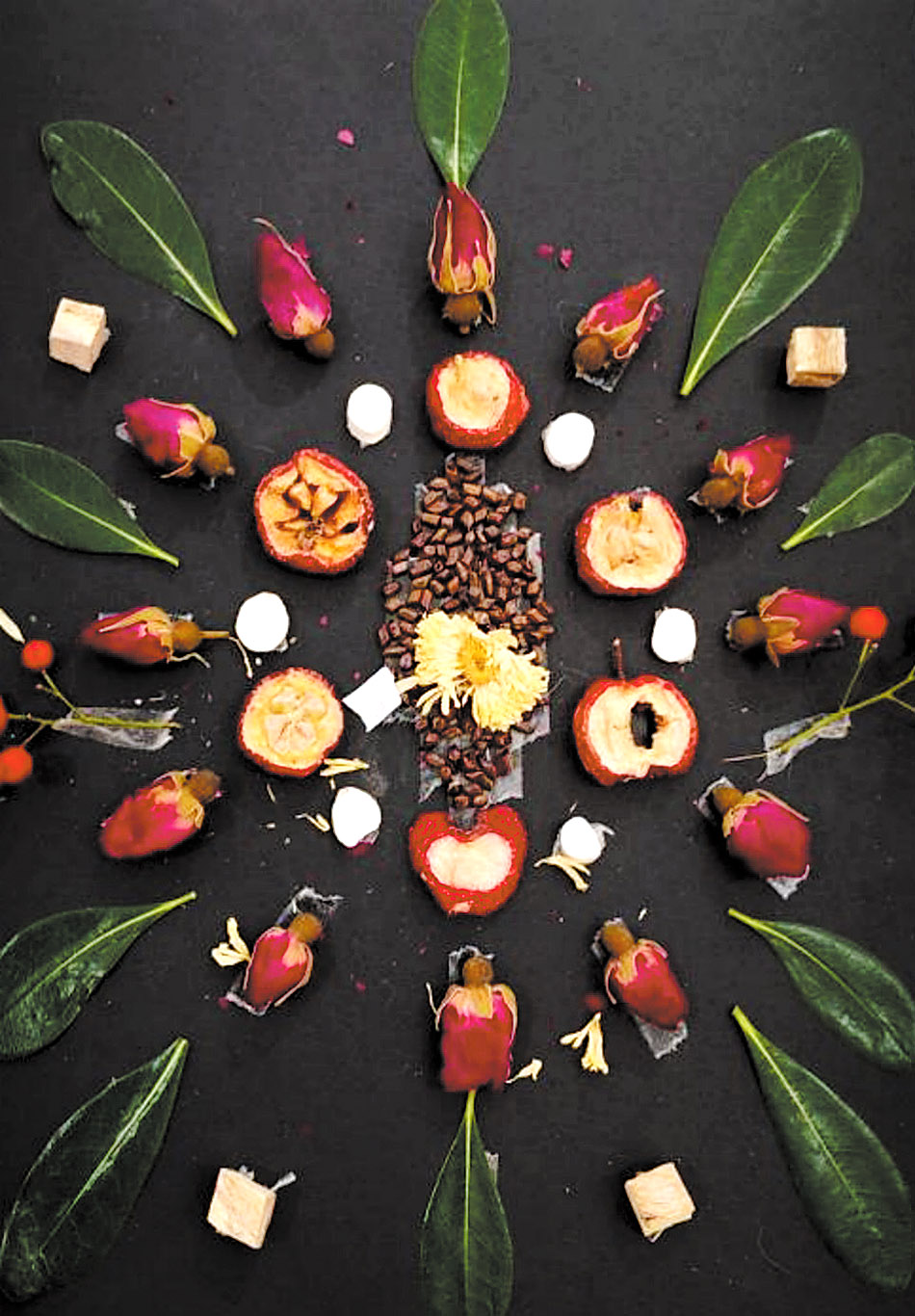
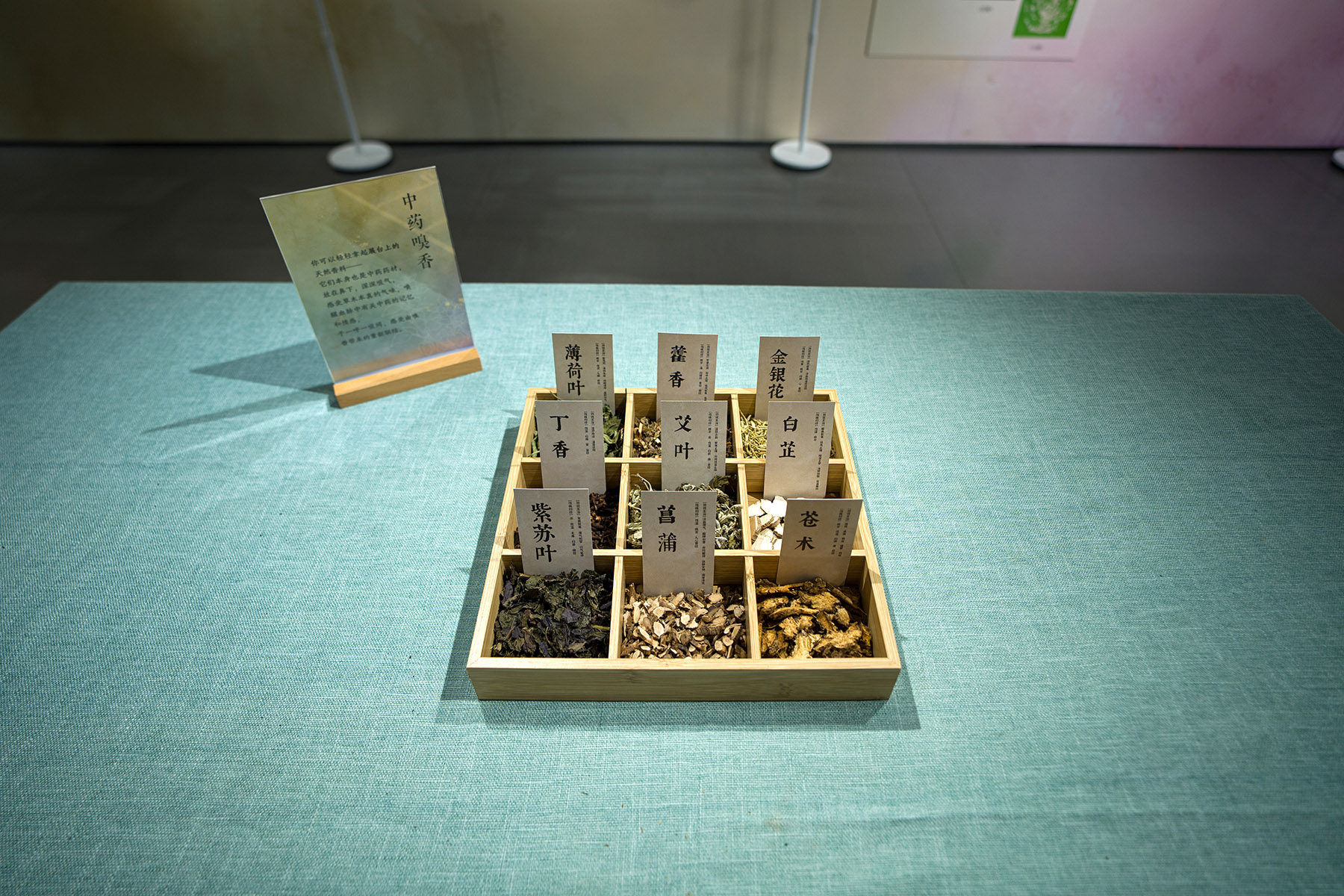
At a leaf and TCM creation event in December, the aroma of medicinal herbs evoked family memories, allowing participants to release suppressed emotions through their creations.
"We never judge their creations; there is no good or bad, right or wrong. They just need to follow their hearts and express themselves in a totally free, open manner," Yan explains, adding that the power of TCM deeply connects with Chinese people. "It is unique in that it is embedded in our growth and family bonds.
"We can build an alliance with nature and learn from it. Nature never abandons you, and you can always gain nourishment from it, at any time," Yan adds.
Qiao offers a professional interpretation of the method's core logic: "The essence of eco-art therapy is not 'treatment', but reconnection; reconnecting with nature, with yourself, and with your creativity. Much of today's anxiety stems from a sense of loss of control and disconnection. Eco-art therapy lets you touch the soil, smell the grass after rain, and observe the veins of a leaf.
"When your brain switches from ruminating about the past or worrying about the future to being fully present in the moment, anxiety naturally finds an outlet," Qiao says.
As another important carrier of emotional healing, fragrance has solid scientific support for its therapeutic effects.
"Smell is the only sense that goes directly to the amygdala — the emotional center of the brain — without passing through the thalamus. This means it can reach your heart before you even have time to rationally think," Qiao states.
In clinical interventions, scent is used as a crucial "emotional anchor". Qiao explains that her team does not simply use lavender to calm people; instead, it guides patients to form an association with a specific natural scent, such as citrus or cedar, while in a deeply relaxed state. Later, when they feel anxious in their daily lives, that scent acts like an "emotional switch", helping them regain calm quickly.
"In this sense, fragrance is not a 'placebo', but a direct shortcut to the emotional center," she adds.
The booming fragrance market reflects the growing recognition of scents' emotional healing potential.
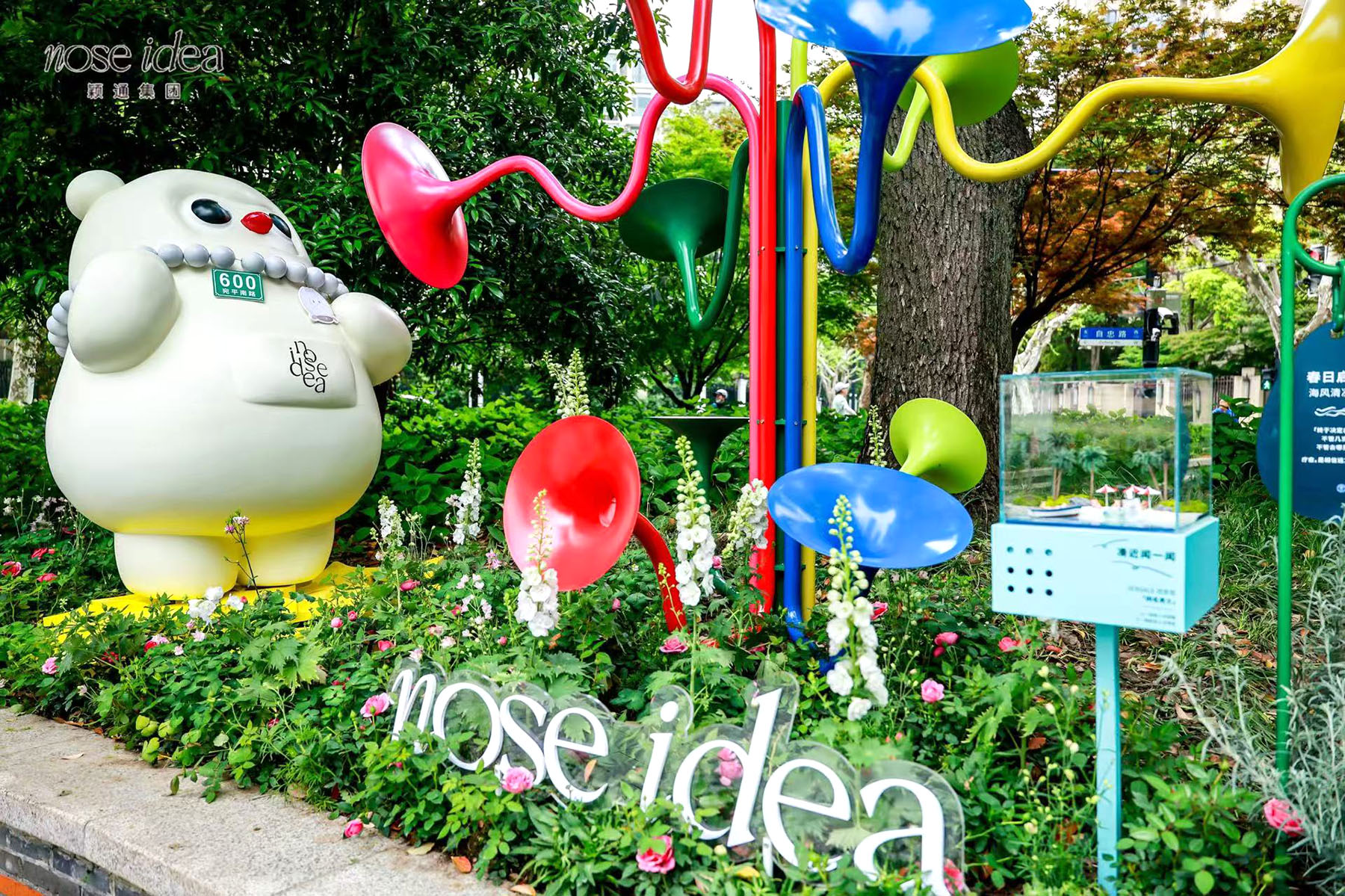
Wang Wei, chief operating officer of Eternal Group, says that China's fragrance market has moved past the niche fragrance bubble and the misconception that "commercial fragrances are outdated". Consumers no longer follow labels blindly but return to the intrinsic emotional value of scents.
"Instead of blindly chasing viral niche fragrances on social media, consumers now clearly state their need for scents that help them relax and reduce stress," Wang says.
To empirically validate fragrance's healing value, the group introduced brainwave-based fragrance emotion detection technology in collaboration with the Shanghai Institute of Technology at the 30th China Beauty Expo in May. The technology converts subjective emotions such as pleasure and relaxation into visual data, providing scientific backing for fragrance therapy.
ALSO READ: A trendy twist on tea
Wang emphasizes that the company has transformed from a brand agent into an ecological enabler in the fragrance industry, making fragrance a practical tool for daily emotional regulation through scientific research and scenario-based innovation.
"We hope to provide consumers with more accurate and locally adapted emotional fragrance experiences through continuous product innovation, scientific empirical research and scenario-based empowerment, truly bringing olfactory healing into people's daily lives," Wang says.
Contact the writers at heqi@chinadaily.com.cn
