

Rise in sleeplessness reveals underlying anxiety, depression of younger generation, experts say
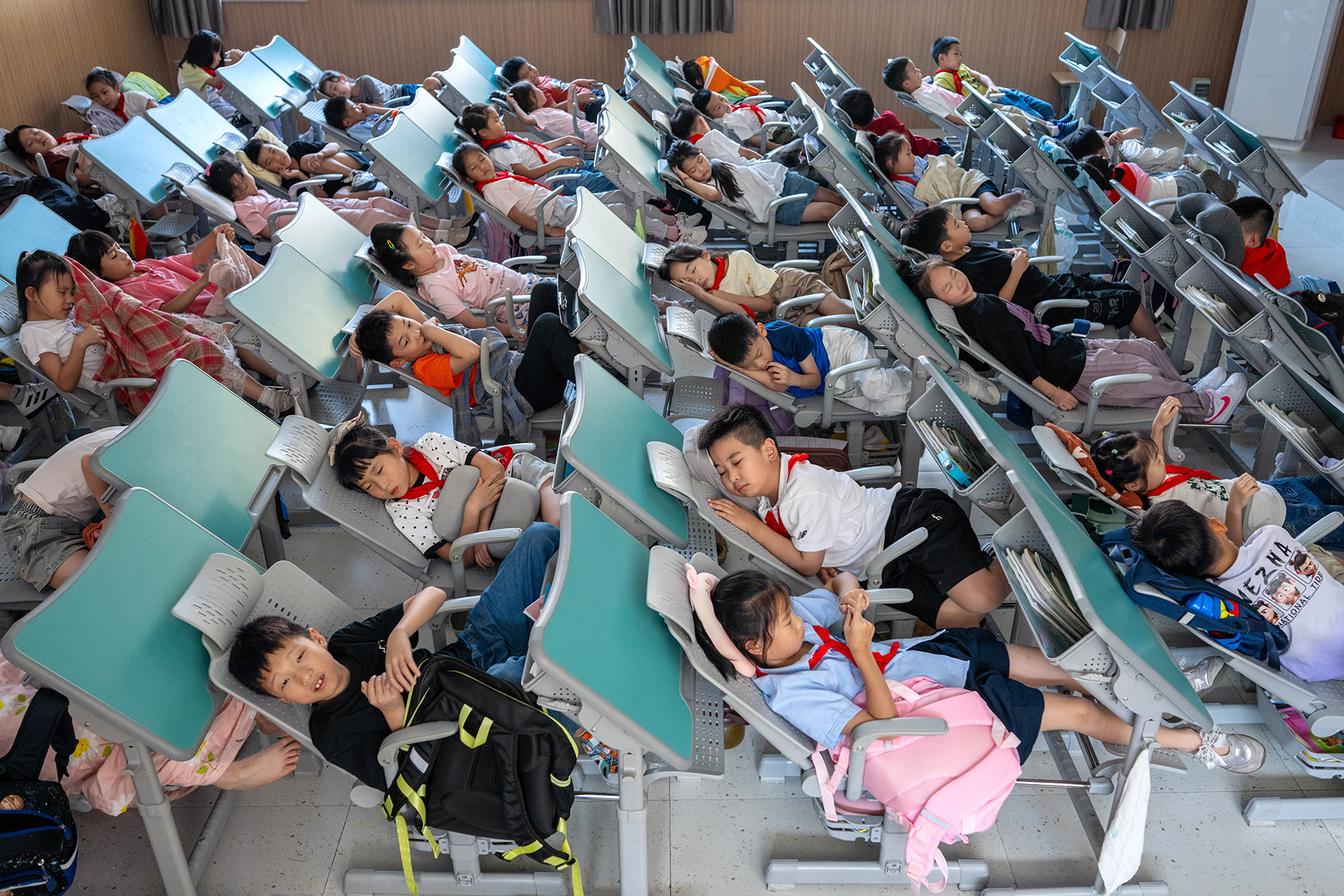
Cheng Jingyang sets his phone aside at midnight, closes his eyes, and waits to fall asleep. Nothing happens.
The 23-year-old student of Hangzhou Dianzi University who is finishing fieldwork in Beijing for his thesis, recently spent more than 1,000 yuan ($146) on a memory-foam "deep sleep pillow" recommended on social media. He had already cut out caffeine and set a screen curfew. None of it had worked.
"I know it probably won't fix anything," he said. "But I wanted to try at least."
His mind endlessly drifts, he said — first to his thesis, then to the job market, then to a comment a professor made weeks ago that he cannot stop replaying in his head.
"It's not that I'm not tired. My body is exhausted, but my brain won't stop. It's like a browser with 30 tabs open and you can't find which one is playing the sound," he said.
READ MORE: Expert: More youth in China affected by sleep troubles
Cheng's restless nights are part of a national pattern that researchers say is slowly worsening. A new study by the Chinese Center for Disease Control and Prevention, drawing on a nationwide survey of more than 100,000 residents conducted in 2024, found that people age 15 and above now sleep an average of just 7.24 hours a night.
Two decades ago, similar surveys put that figure closer to 7.5 hours. The drop of roughly 15 minutes sounds small, but spread across a population of 1.4 billion, the researchers warn, it adds up to a substantial public health concern.
A closer look at the numbers tells a sharper story. On average, Chinese adults now lie awake for approximately half an hour before falling asleep — a figure that climbs further among younger respondents, who tend to go to bed later, take longer to drift off, and increasingly reach for products or pills to try and fall asleep.
For many young Chinese, the findings only confirm what they already know from their own bedtime restlessness. Sleep has become a struggle — and for a growing number, a medical condition.
A 2024 white paper published by the China Sleep Research Society, which surveyed more than 10,000 people, found that college students born after 2000 spent an average of eight hours a day on screens, with many not putting their phones down until well past midnight.
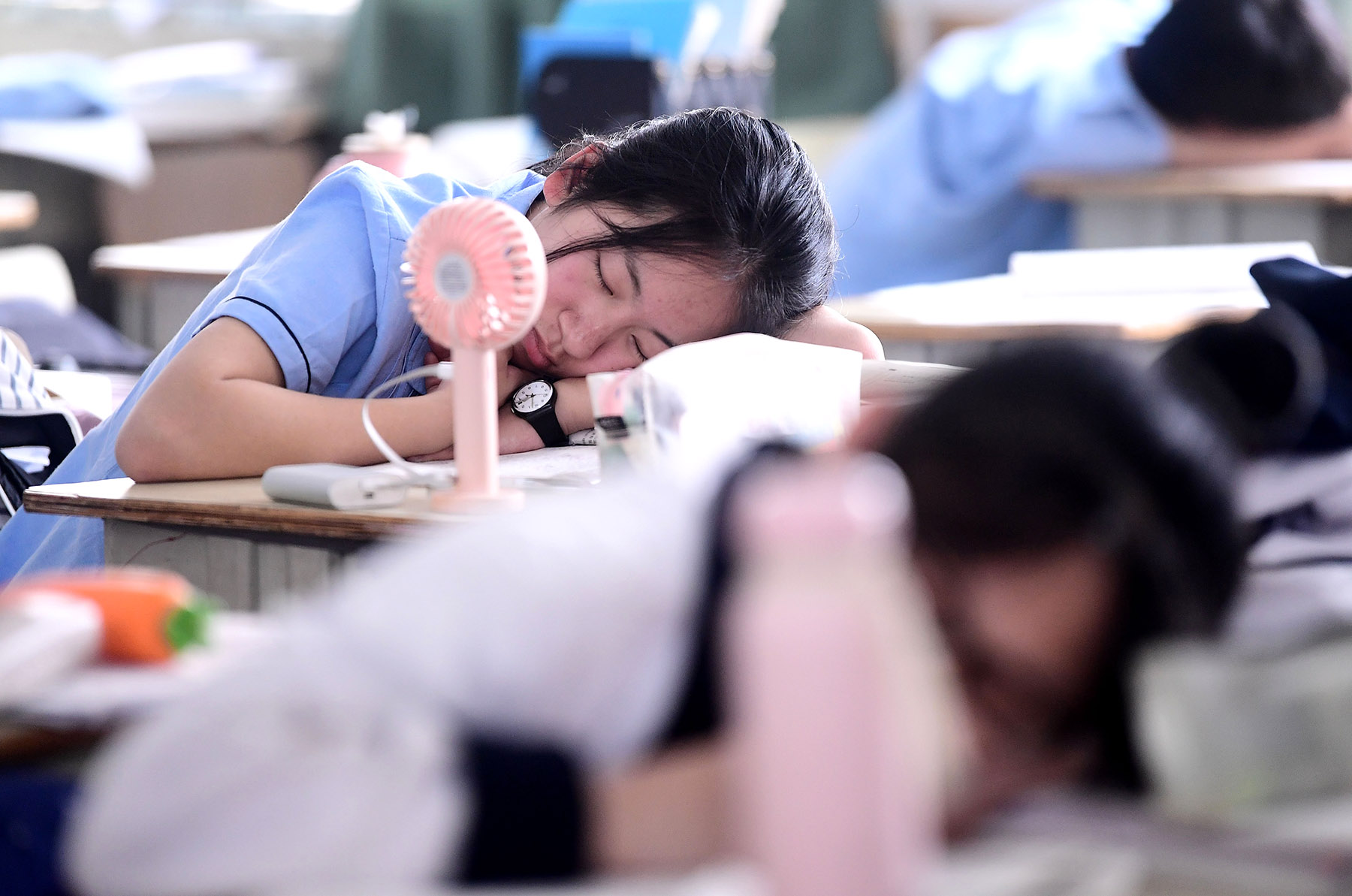
Turning to pills
When all else fails, some of the sleep-deprived turn to stronger measures.
A 28-year-old office worker in Guangzhou, Guangdong province, who asked to be identified as Li, has been struggling with chronic insomnia for more than two years. After special pillows and supplements made no difference, he began seeking pharmaceutical help — cycling between zopiclone and zolpidem, two prescription sleep medications, and trying to find a balance between effectiveness and side effects.
"Zopiclone knocks me out, but I wake up with a metallic taste in my mouth and feel groggy the whole next day," he said.
"Zolpidem works faster, but I have read about people doing things in their sleep without remembering. That scares me," he added.
Li said he also tried traditional Chinese medicine, including herbal formulas prescribed by a TCM practitioner and a course of acupuncture sessions targeting what his doctor described as liver qi stagnation. The results, he said, were negligible. "I went for six weeks, but was still staring at the ceiling at 2 am."
He now takes zolpidem two or three nights a week, a pattern he knows is unsustainable but feels unable to break. "I'm not sleeping well with the pills. But I'm not sleeping at all without them," he said.
Pan Jiyang, director of the Sleep Medicine Center at the First Affiliated Hospital of Jinan University in Guangdong, said the demographic shift in sleep problems is visible at his own clinic. Sleep medicine departments, which a decade ago treated mostly middle-aged and elderly patients, are now seeing a surge of people in their 20s and early 30s. Appointments that were once easy to book are now difficult to secure, with waiting times stretching to weeks at major hospitals.
"Our department used to be one of the quieter corners of the hospital," he said. "Now it is fully booked. The age of our patients has dropped, and their conditions are often tied not to physiological decline, but to anxiety, career pressure, and emotional exhaustion."
'Constant craving'
For clinicians working with adolescents and young adults, insomnia is rarely the illness itself — it is the most visible trace of something deeper happening.
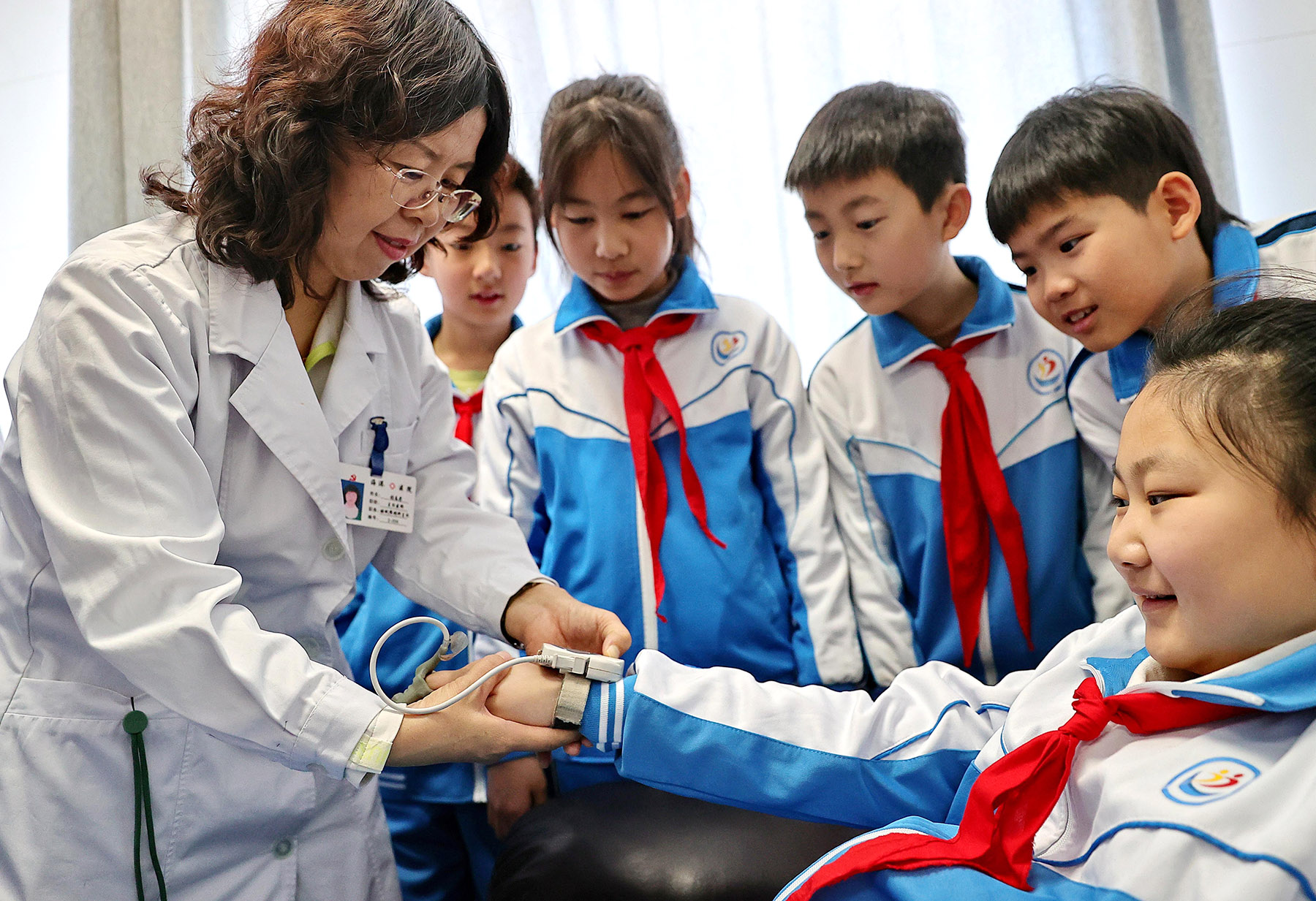
Ni Zhe, an associate chief physician at the Social Psychological Service Department of the Mental Health Center affiliated with Zhejiang University School of Medicine, also known as Hangzhou Seventh People's Hospital, said the rising visibility of sleep complaints among young patients reflects a broader deterioration in adolescent mental health. Rates of school refusal and medical leave from school have climbed sharply, he said, and both typically indicate underlying anxiety and depression.
"In our clinical work, we see three phenomena that almost always appear together," Ni said.
"Disturbed sleep, overuse of the internet, and social disconnection. They form a vicious cycle. The patient falls out of the ordinary rhythm of life — they stop eating to a schedule, they barely exercise, and then of course they cannot sleep normally either."
Ni explained that the prefrontal cortex in adolescents is still developing, and its job is to "inhibit, control, coordinate, and organize".
"When young people are exposed to high-intensity stimulation — short videos, mobile games — over long periods, the stimulation threshold rises significantly," he said. "They live in a state of constant craving, and that craving does not dissipate on its own. Daily self-regulation fails. And at night, when the body is supposed to lower that threshold in order to sleep, it resists."
Double stigma
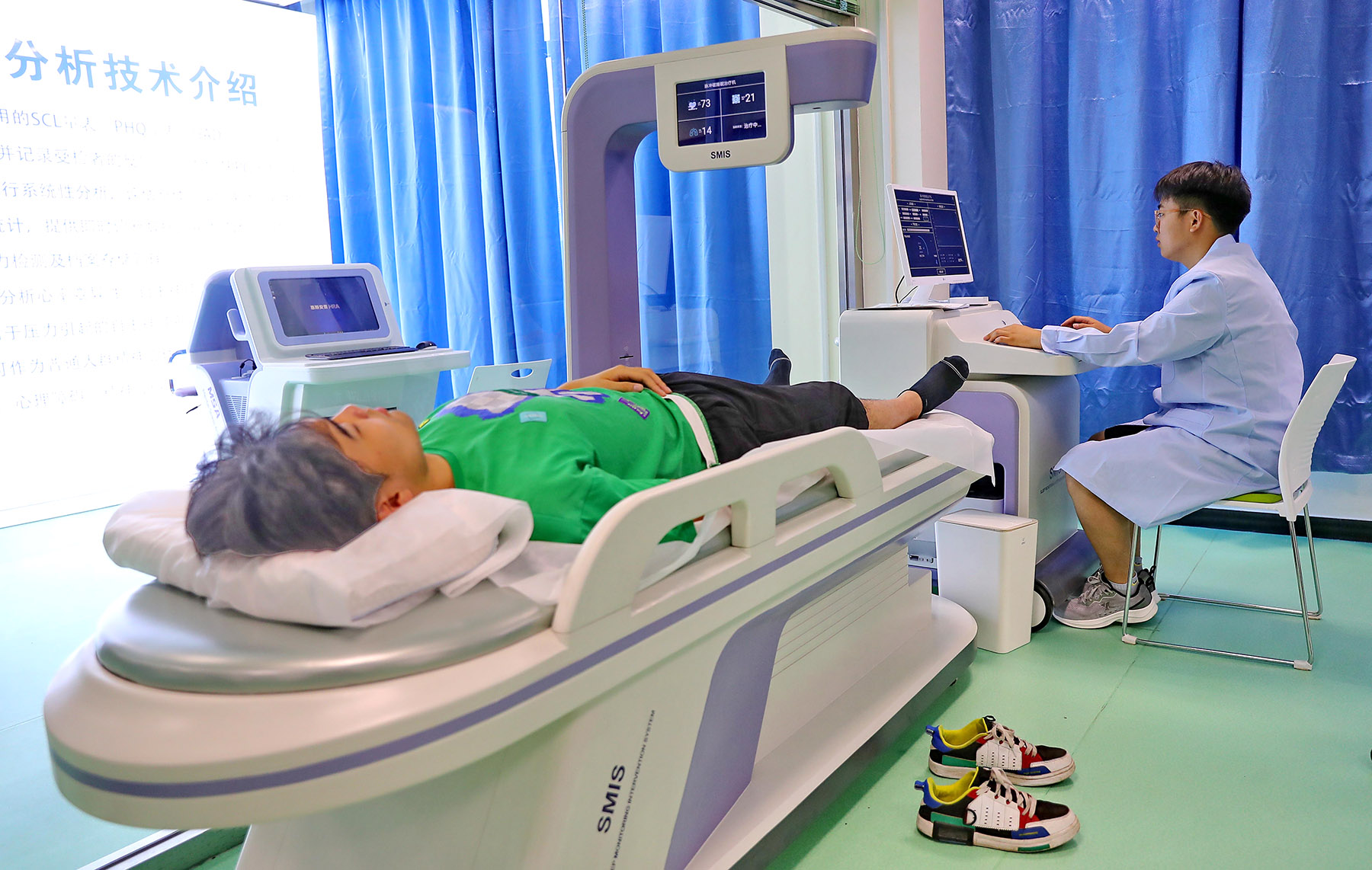
Shi Yu, founder of Beijing's Mentaverse Psychological Service Studio, said that among the adolescents she treats, sleep disorders are almost always a surface expression of conditions that deserve direct psychiatric attention — depression, anxiety, and bipolar disorder. But many of these patients never reach the psychiatric clinic in the first place.
"A lot of children end up at sleep clinics because their parents refuse to take them to the psychiatric department where they actually belong," Shi said. "For many parents, a psychiatric visit is a double stigma — evidence of the child's illness, and evidence of their own failure as educators. They cannot accept it. So the family settles on insomnia as the acceptable diagnosis."
Shi described a second layer of the problem that she said is routinely underestimated: a generation of Chinese adolescents who have grown up chronically short of sleep, never meeting the hours recommended for their age.
"Their bodies and minds are in a prolonged state of fatigue. Insomnia is just one of many symptoms."
A third factor, she said, is how sleep has become entangled with adolescents' search for autonomy. With weekends consumed by tutoring and extracurricular activities, real social life has shrunk, and phones have filled the gap.
"They understand that the daytime belongs to their parents — to school, to tutoring, to adult supervision. But the night is theirs. Staying up late is the one act of self-governance they have left. It is the only territory in which they feel free. And so they expand it, night after night, at the expense of sleep."
The fourth factor is the atmosphere inside the contemporary Chinese household, Shi said. "There is a lot of insecurity. Repetitive drills, crowded schedules, parents who do not trust their children, children who cannot see a clear future. Internal conflict grows. Over years, this produces a subclinical mental state — not quite illness, but nowhere near health. Sleep problems settle into that space and cycle on their own."
Setting targets
Policymakers have begun to respond, and largely through the school system rather than the mental health system.
In 2021, the Ministry of Education issued a sleep management directive setting targets of 10 hours of sleep for primary school students, 9 hours for middle school students, and 8 hours for high school students, and requiring that middle schools begin classes no earlier than 8 am and primary schools no earlier than 8:20 am.
The policy was tightened in October 2025, when the Ministry of Education tied academic stress, internet overuse, and sleep deprivation to adolescent mental health outcomes. The ministry called for a national student mental health monitoring and early-warning system, "exam-free weeks" at schools, a ban on ranking students by test scores, and a requirement that all students engage in at least two hours of daily physical activity.
ALSO READ: Policies keep students rested
The effects have begun to reach classrooms. In the spring 2026 semester, a wave of schools across Chengdu, Ningbo, Nanjing, Nantong, Huizhou, and Dongguan canceled mandatory morning reading sessions and pushed arrival times later.
But researchers and clinicians caution that school-hour adjustments, while welcome, cannot resolve a crisis whose roots lie elsewhere.
Yin Fei, deputy director of the Family Education Research Institute at Nanjing Normal University, has argued that delaying school start times without meaningfully reducing academic load risks producing a generation that arrives at school later and still goes to bed just as late.
She called for a more systemic approach, including greater investment in campus mental health services, stronger regulation of work hours for young professionals, and better screening for sleep disorders — and for the psychiatric conditions behind them — in primary care settings.
For young adults like Cheng, the pillow arrived a few weeks ago. Some nights are slightly better, he said, but most are about the same.
"I think what I really need is less stress," he said. "But that's not something you can buy."
Contact the writers at weiwangyu@chinadaily.com.cn
