

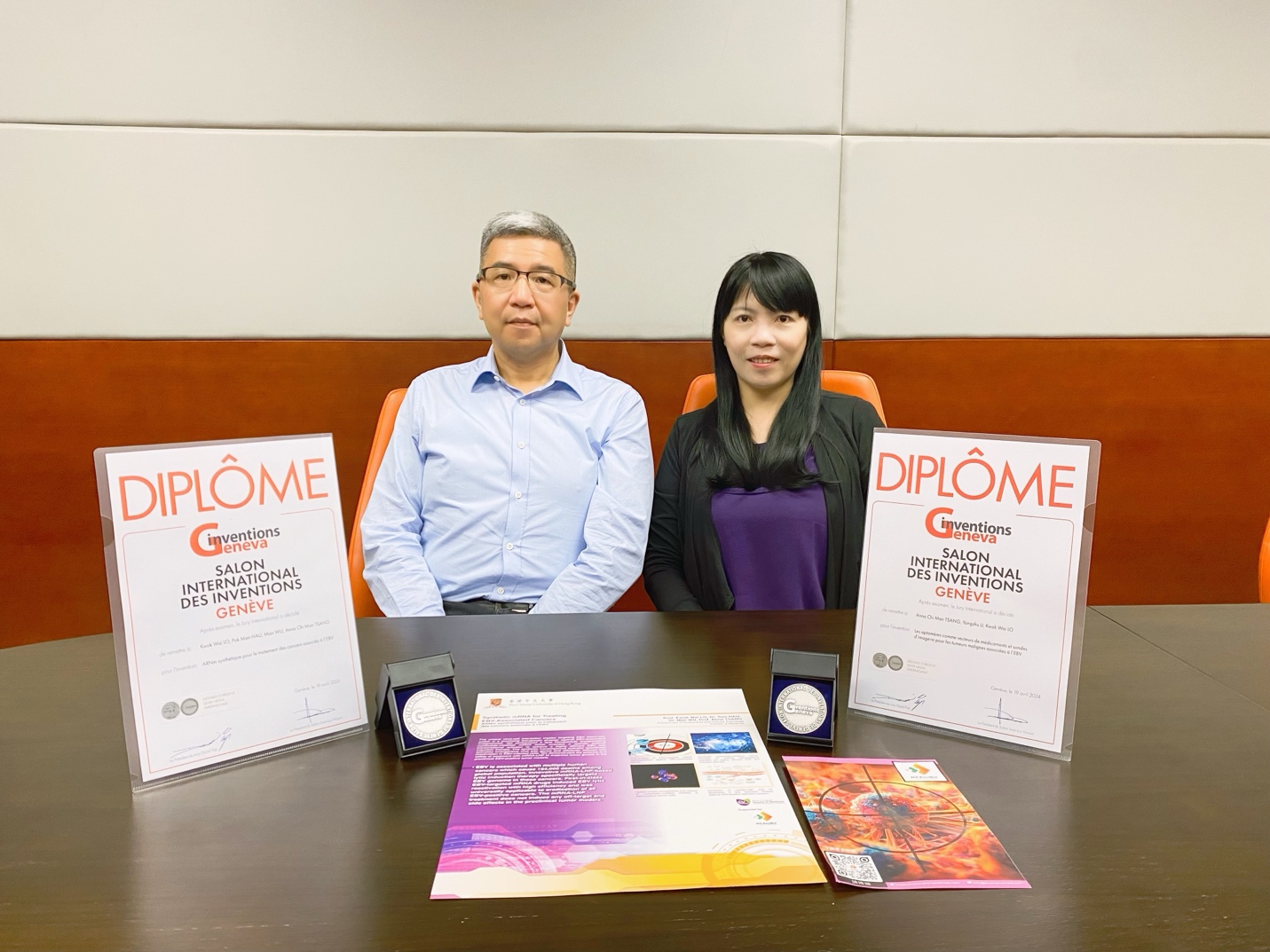
Medical researchers from The Chinese University of Hong Kong (CUHK) are turning to the Chinese mainland to commercialize their newly-developed cancer drug and surgical robot through funding backed by the Hong Kong Special Administrative Region Government.
A university team has clinched a strategic partnership with one of the country’s top drugmakers, seeking to commercialize targeted therapies for nasopharyngeal cancer – a disease that has struck Guangdong province at 25 times the world’s average.
“The goal is direct access to the Chinese (mainland) market,” said Cobe Tsang Chi-yan – chief executive officer of ACE NanoMed, a prominent biotechnology spin-off company founded by researchers from the team.
He revealed the plan to China Daily shortly after the project, along with two others by CUHK researchers in advanced manufacturing and urinary stone treatment, was included in the latest batch of recipients of the SAR government’s Research, Academic and Industry Sectors One-plus Scheme subsidy program.
Designed to be the world’s first targeted therapy for the Epstein-Barr virus-related nasopharyngeal carcinoma, the nanomedicine has shown good therapeutic results in animal trials, and is now under review for clinical trials, according to the project’s leader, Anna Tsang Chi-man who’s a professor at the CUHK medical school’s Department of Anatomical and Cellular Pathology.
According to Cobe Tsang, the funding will be channeled accordingly into drug development for market launch, and will be primarily used for financing human clinical trials, filing patent applications, and engaging contract manufacturing organizations.
The team said it’ll focus on the mainland market with a clear context.
Nasopharyngeal carcinoma is more prevalent in Guangdong’s coastal areas where the incidence rate is about 25 times higher than that in other parts of the world, according to the Hong Kong Cancer Fund. The three known risk factors of the disease are inheritance, infection by the Epstein-Barr virus, and living and eating habits, including heavy consumption of alcohol or salted fish.
Industry reports show that the global drug market for nasopharyngeal cancer is projected to grow from $400 million in 2020 to $800 million by 2030, while China’s market alone is forecast to swell from 600 million yuan ($83 million) to 2.8 billion yuan during the same period – an increase that would see the country account for nearly half of the world’s total by the end of the decade.
ALSO READ: Experts hail TCM’s role in cancer treatment
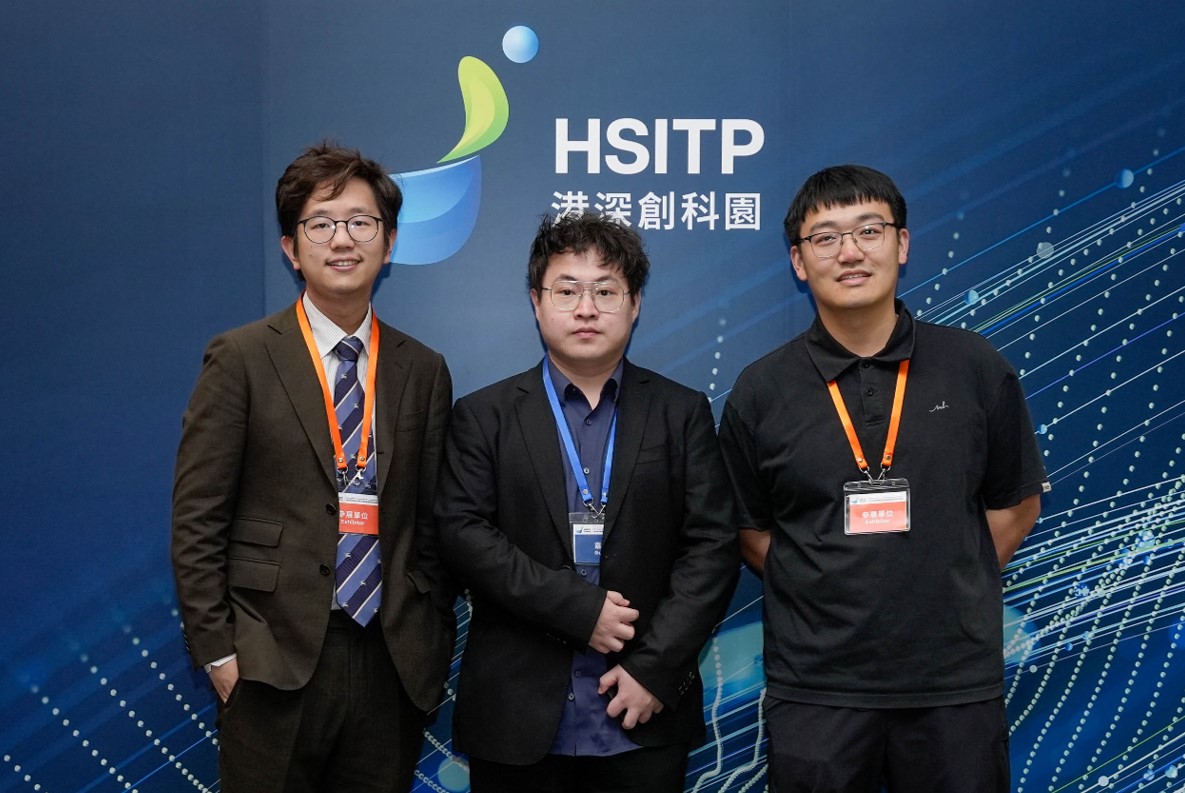
Another “RAISe+”-backed project is chasing another global first – an artificial-intelligence-empowered robot for retrograde intrarenal surgery with what engineers call “level-3 supervised autonomy”.
The system is expected to take over key surgical procedures, such as intrarenal navigation and laser positioning – tasks that are currently performed manually with inconsistency by human surgeons, while doctors retain supervisory control.
Once the product is market-ready, the research team plans to promote it initially in cities in the Guangdong-Hong Kong-Macao Greater Bay Area, to be followed by overseas markets in the longer term, said project leader Alex Liu Qinyang – an assistant professor at the CUHK’s Department of Surgery.
Liu said the “RAISe+” funding will allow the team to continue optimizing the robot and apply for medical device registration with the National Medical Products Administration. The aim is to prepare the device for clinical use between 2028 and 2030.
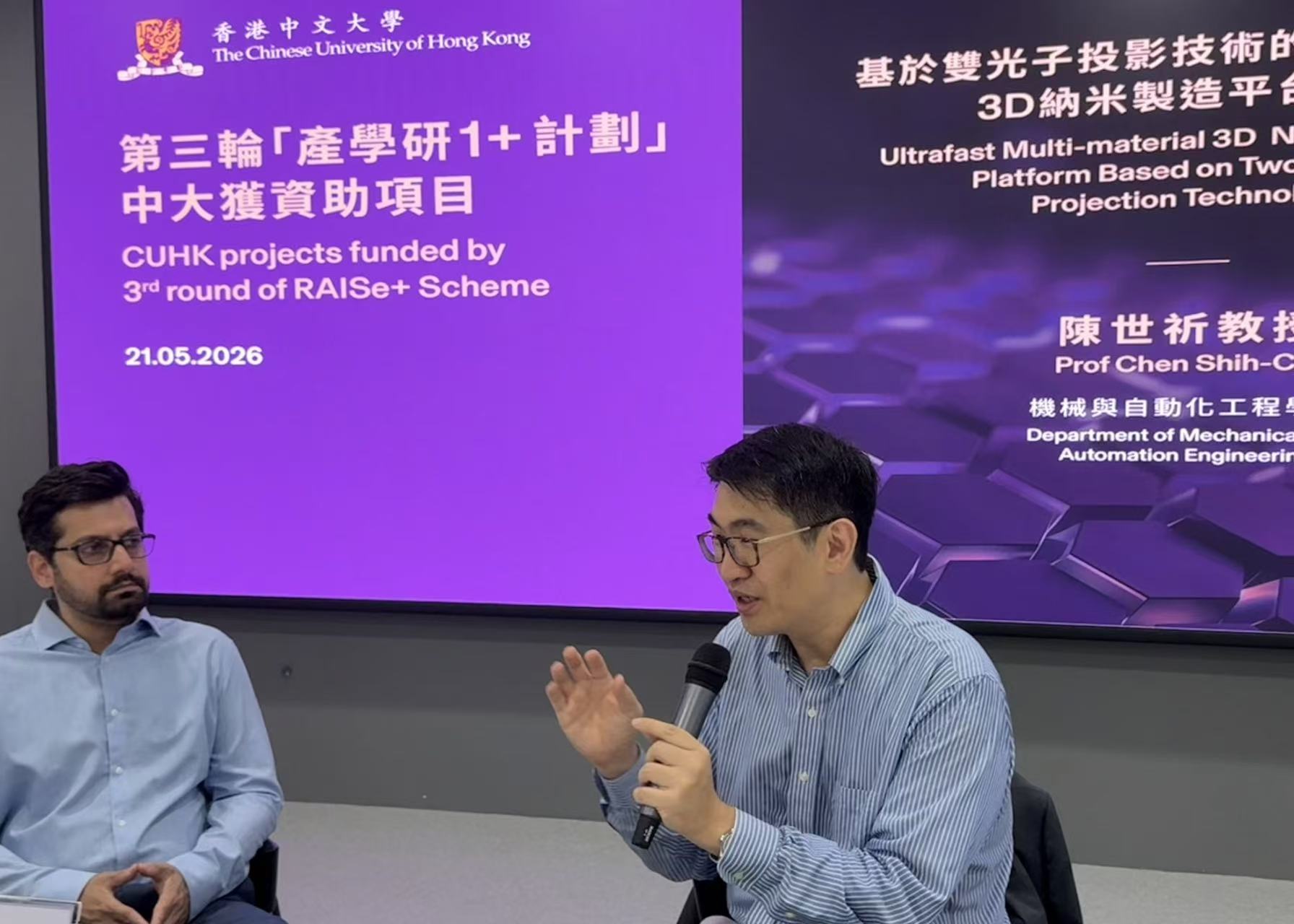
The CUHK has also received “RAISe+” funding for a three-dimensional nanofabrication that can manufacture functional nanoscale structures at costs that are 95 percent lower than most off-the-shelf printers. It has also set new world records for both speed and resolution, according to Chen Shih-chi – a project leader who's also a professor at the university’s Department of Mechanical and Automation Engineering.
The latest round of “RAISe+” funding, announced last month, supports 24 projects across multiple key innovation and technology fields – from health and medical sciences, new materials and new energy, artificial intelligence and robotics, to advanced manufacturing.
Zeng Ziwen contributed to the story.
