

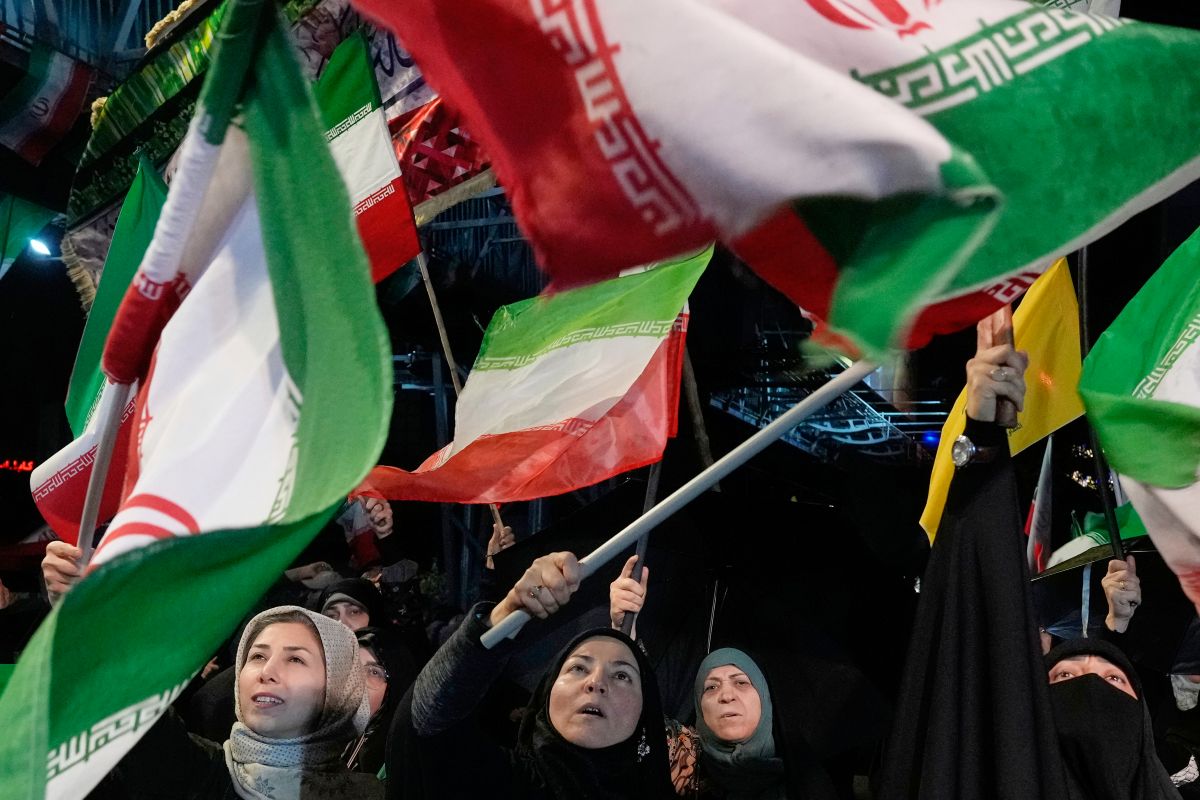
TEHRAN/WASHINGTON/JERUSALEM – The Iranian Foreign Ministry said on Wednesday that the exchange of messages between Iran and the United States is continuing through the Pakistani mediator and Tehran is reviewing the latest US views.
In an interview with state-run IRIB TV, ministry spokesman Esmaeil Baghaei said messages have been exchanged on several occasions, noting that the Pakistani Interior Minister Mohsin Naqvi's visit to Tehran on Wednesday aimed to facilitate the exchange and provide clarification on draft proposals exchanged between the sides.
Iran is focused on ending the war on all fronts, including Lebanon, with clear demands, including releasing Iranian frozen assets and ending the US "maritime piracy" and hostile actions against Iran's shipping, he said.
Baghaei said Iran has entered the diplomatic process with goodwill and seriousness, but views Washington with deep distrust due to its "very bad" track record over the past 18 months.
Iran, in cooperation with Oman, seeks to create a mechanism to guarantee "lasting security" in the Strait of Hormuz and is ready to develop protocols for safe maritime traffic in the waterway in coordination with other coastal states, he said.
Citing a source close to Iran's negotiation team, the semi-official Tasnim news agency reported that Washington has sent a new draft proposal to Tehran through Pakistan after Tehran submitted its 14-point proposed plan three days ago.
The mediator is currently in Tehran seeking to bring the two sides' drafts closer, though nothing has been finalized, according to the source.
Also on Wednesday, Iranian President Masoud Pezeshkian said on social media platform X that Iran has consistently honored its commitments and sought to avert war. "All paths remain open from our side. Forcing Iran to surrender through coercion is nothing but an illusion," he said.
Trump: Iran talks ‘in final stages’
US President Donald Trump said on Wednesday that his administration is "in final stages of" peace talks with Iran and is willing to wait a few days for the "right answer."
"We'll either have a deal or we're going to do some things that are a little bit nasty. But hopefully that won't happen," he added.
The president claimed he is in "no hurry" to finalize a peace agreement with Iran, suggesting that he would not consider making a "limited deal" only focused on reopening the Strait of Hormuz. “We're going to give this one shot," Trump said of a potential deal, ruling out the idea of a partial compromise.
"I'm in no hurry. You never think, 'Oh, the midterms, I'm in a hurry.' I'm in no hurry," Trump said.
Trump said he had a "very good" phone call with Turkish President Recep Tayyip Erdogan earlier on Wednesday. Türkiye is seen as one of key mediators during US-Iran negotiations.
Israeli forces on ‘highest alert’
Israeli military chief Eyal Zamir said on Wednesday that the Israel Defense Forces are at the "highest level of alert", as the United States threatened to resume attacks on Iran.
Zamir made the remarks during a meeting with all division commanders to assess troop readiness and the progress of Israel's multi-front fighting, according to a statement issued by the military.
At the meeting, Zamir and the commanders held an "operational situational assessment" and discussed force readiness and the continuation of combat in various arenas, the statement said. The military had in recent years carried out "systematic, powerful and step-by-step strikes" against Iran and its allies, and is currently reinforcing forces in several border areas, said Zamir.
He said the military needs to expand its active-duty personnel to carry out its missions and ease pressure on reservists, calling it a "critical issue" for the military's operational capacity.
Epic resistance against two ‘global, terrorist armies’
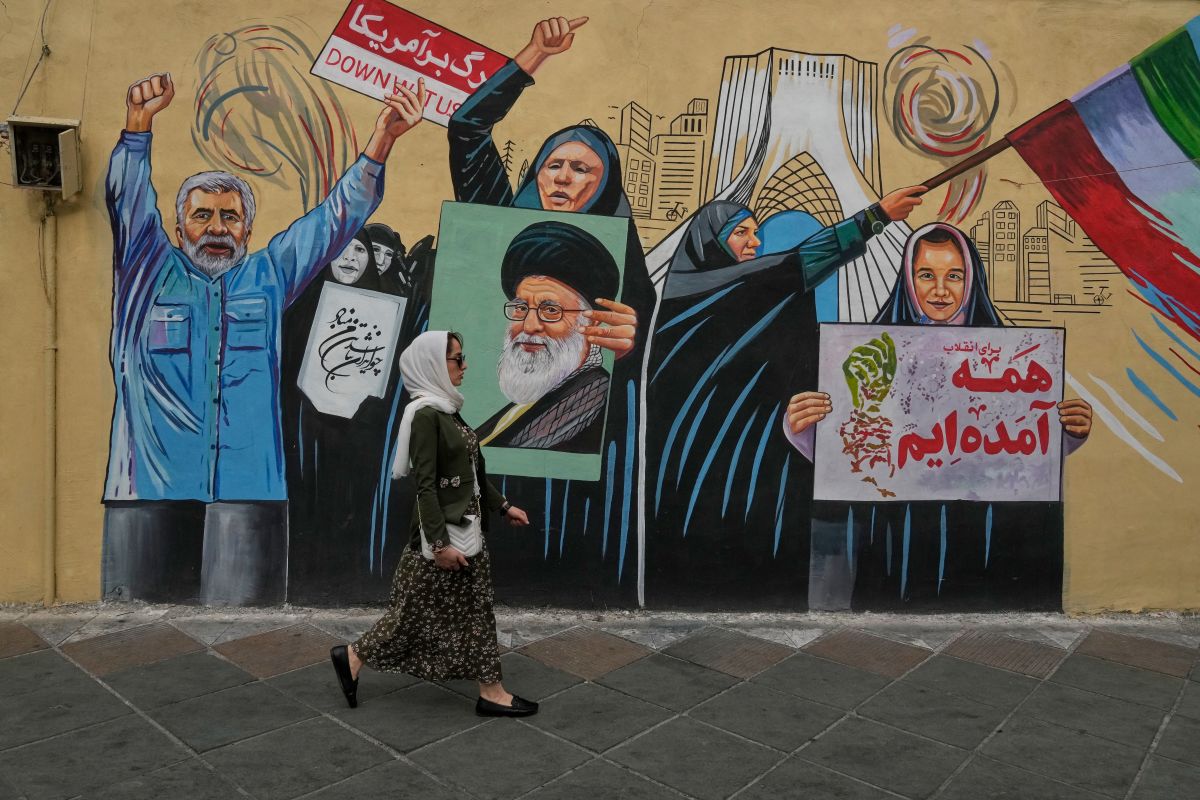
Iran's Supreme Leader Mojtaba Khamenei on Wednesday lauded the nation's "epic and historically unique" resistance against two of the world's "terrorist" armies, namely those of the US and Israel, during the 40-day war and after that.
In a message carried by Iranian media, Khamenei also commemorated late Iranian President Ebrahim Raisi on the second anniversary of his death.
Khamenei said the reality places a heavier burden of responsibility on the Iranian officials, from the Leader and the heads of the three branches of government to managers at all levels, saying the country is addressing the people's problems and concerns, particularly in the areas of economics and livelihood.
He praised Raisi and the members of his accompanying team, who died in a helicopter crash in northwestern Iran on May 19, 2024.
Khamenei said Raisi was a responsible and popular figure who paid attention to youth and the promotion of justice, as well as to active, interest-based diplomacy.
Also on board Raisi's helicopter at the time of the crash were former Foreign Minister Hossein Amir-Abdollahian and Mohammad Ali Ale-Hashem, the representative of Iran's Supreme Leader to East Azarbaijan.
Fear of extension of war
Iran's Islamic Revolution Guard Corps (IRGC) on Wednesday warned that if the US and Israeli "aggression" against the country is repeated, the war will extend beyond the West Asia region.
"Although they attacked us with all the capabilities of their armies ... we did not use all the capabilities," the IRGC said in a statement published on its official news outlet Sepah News.
Iranians are "men of war," it said. "You will see our strength on the battlefield, not in empty statements and social media."
On the same day, Iranian Foreign Minister Seyed Abbas Araghchi, in a post on X, warned that returning to war with Iran will have many more surprises for the US, citing a recent report by the US Congress that acknowledged the loss of dozens of aircraft.
In its report, released on May 13, the US Congress said 42 fixed-wing or rotary-wing aircraft, including drones, were reportedly lost or damaged in the military operations against Iran, citing news reports and statements by the Department of Defense and US Central Command.
Iran, the US, and Israel reached a ceasefire on April 8 after 40 days of fighting that started with joint US-Israeli attacks on Tehran and other Iranian cities on Feb 28.
Following the truce, Iranian and US delegations held one round of negotiations in Pakistan's capital Islamabad on April 11 and 12, which failed to yield an agreement.
Following the eruption of the war, Iran tightened its grip on the Strait of Hormuz, barring passage to vessels belonging to or affiliated with Israel and the US. After the Islamabad talks collapsed, the US imposed a naval blockade on the strait, preventing ships to and from Iranian ports from transiting the waterway.
