

Shanghai festival sees international and Chinese brands showcase signature beverage offerings
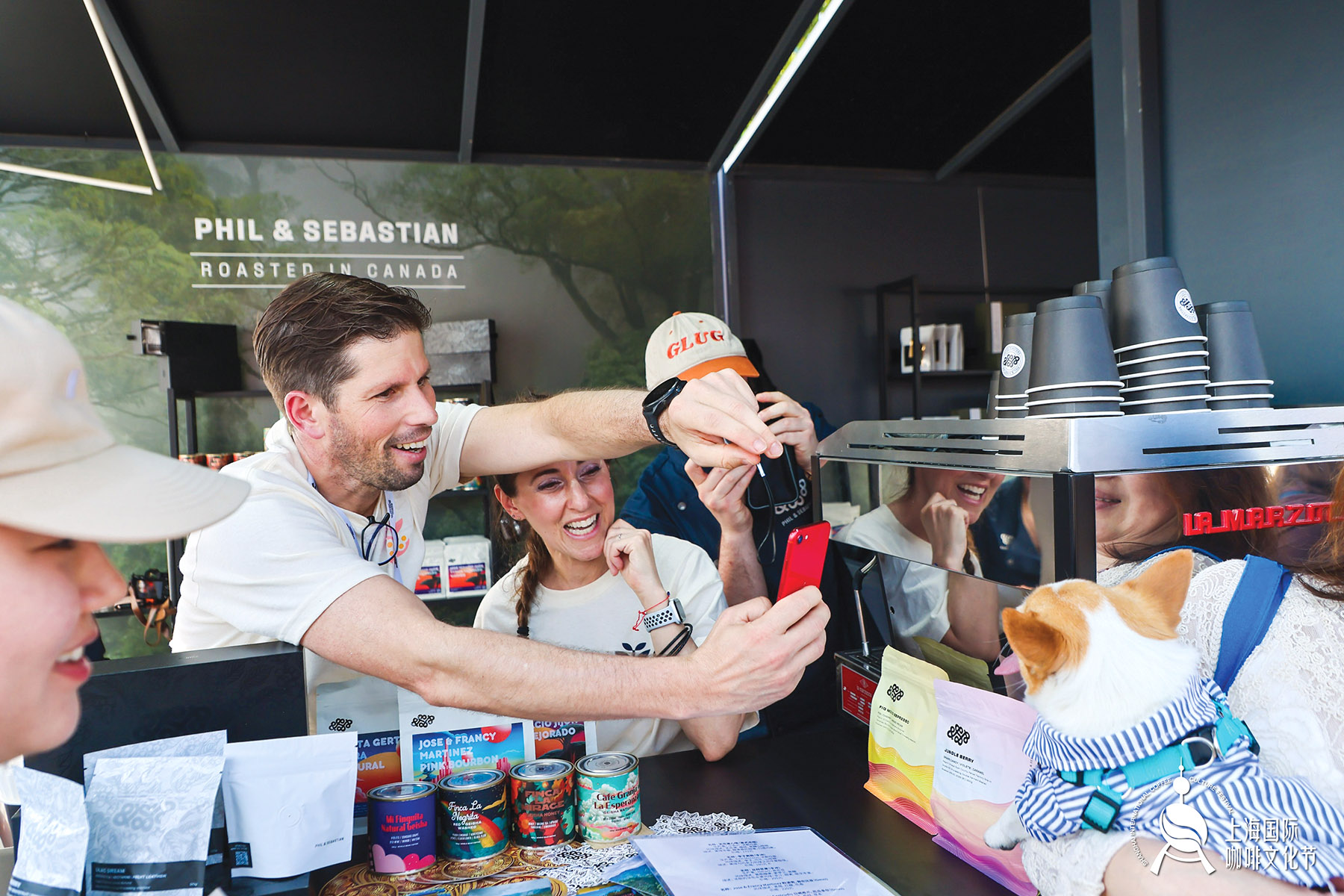
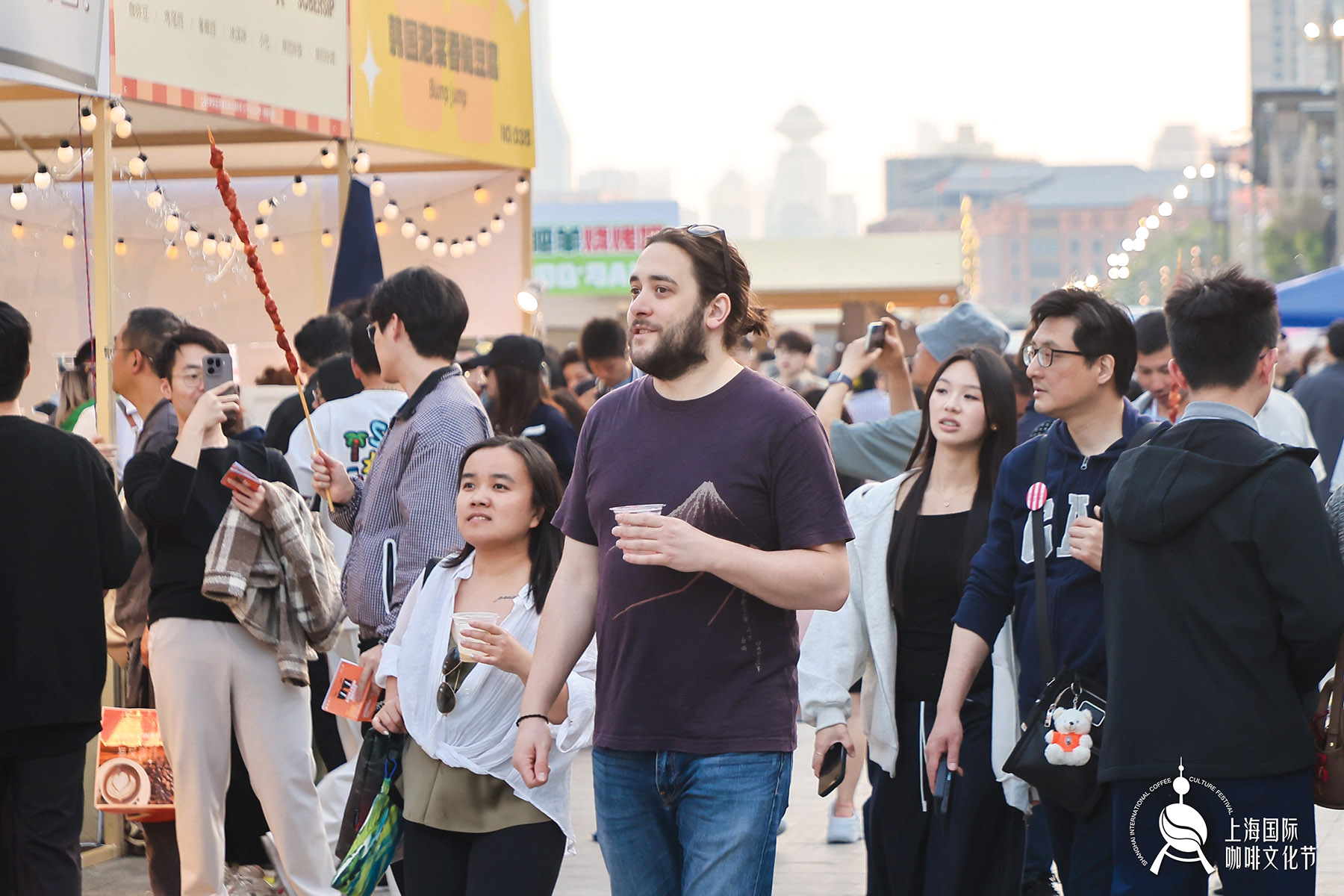
During the May Day holiday, the 2.3-kilometer North Bund waterfront in Shanghai’s Hongkou district was filled with rich coffee aroma, as crowds surged to the 2026 Shanghai International Coffee Culture Festival to sample coffee offerings across booths.
Nathan Manfredi, marketing director of Canada’s Phil & Sebastian, a 19-year veteran specialty roaster, visited Shanghai for the first time for the festival, and was overwhelmed by the on-site enthusiasm.
“We’re sharing coffee stories and learning about local coffee culture, and we can see people in China are crazy about coffee,” Manfredi said.
Running from April 30 to May 4, the main venue for this year’s festival featured nearly 300 brand booths and over 20 international coffee brands, divided into international, industrial chain, cross-border integration, and interactive experience zones.
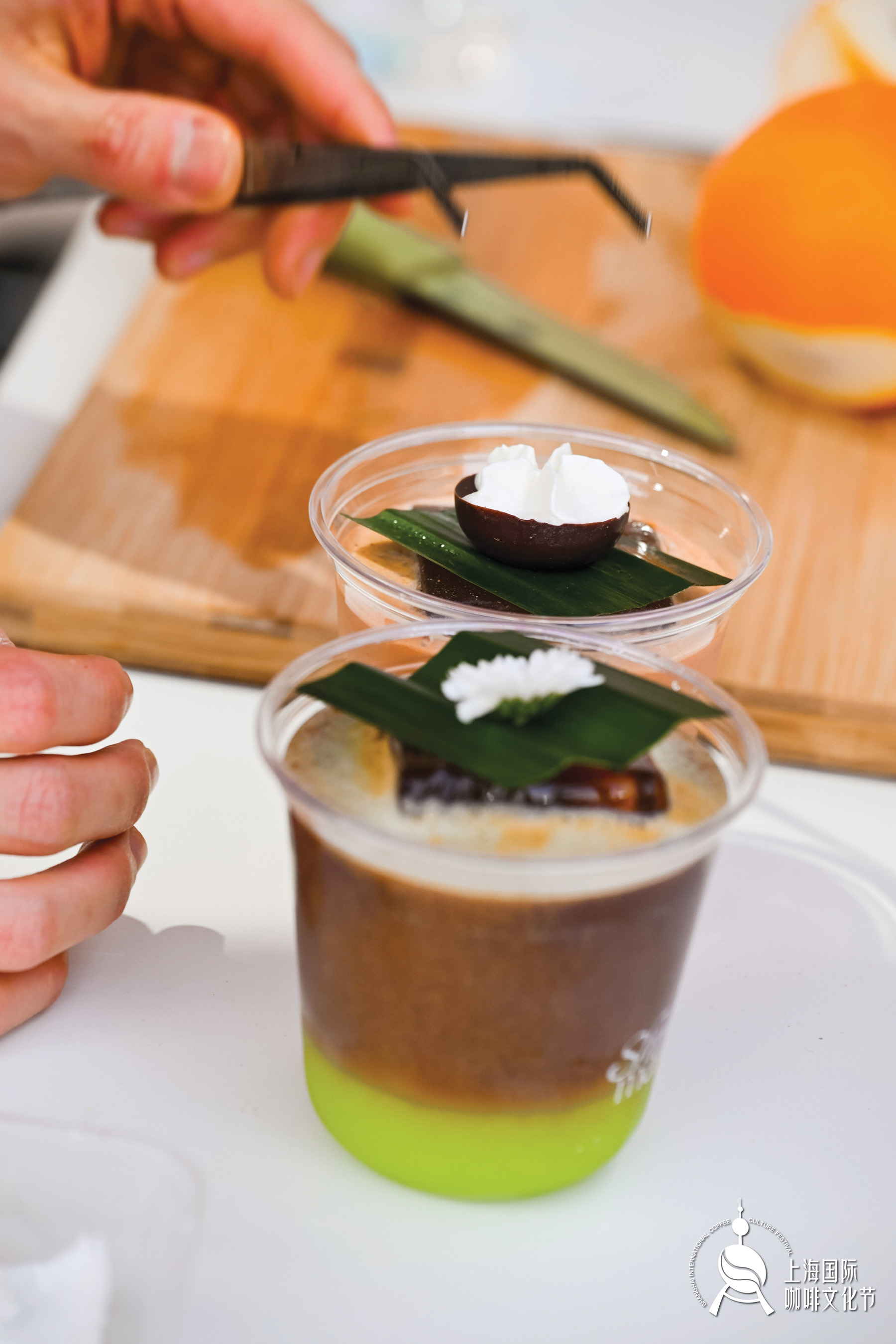
Standout draws included a slate of Shanghai-style signature coffee creations from Jinjiang International Holdings’ luxury hotel portfolio: from the Hudec Orange Sparkling Iced Americano paired with Park Hotel Shanghai’s iconic palmier to the nostalgic Lacovo (Le Kou Fu) Mocha of Golden Tulip Shanghai Rainbow, which all emerged as the event’s most popular as visitors captured photos at the booths.
“Shanghai’s coffee festival is more than a local celebration — it’s a global bridge connecting the world’s top coffee players to China’s booming market, and a showcase of the city’s inclusive, open urban character,” said Xu Jian, deputy dean of the China Institute for Urban Governance at Shanghai Jiao Tong University, who unveiled the 2026 China Urban Coffee Development Report at the opening ceremony.
The report shows China’s coffee industry hit 354.9 billion yuan ($51.9 billion) in 2025, a 13.3 percent year-on-year increase, while Shanghai’s coffee outlets reached 10,336, crossing the landmark 10,000-outlet threshold.
“In 2017, Shanghai had 5,500 coffee shops, already the highest in the world. By 2025, the number almost doubled in less than 10 years, and it has consistently ranked first in the world,” Xu said. “Coffee shops have become part of the fabric of life in Shanghai, as ubiquitous as convenience stores.”
The gala has also become a core gateway for global specialty coffee brands to enter the Chinese market.
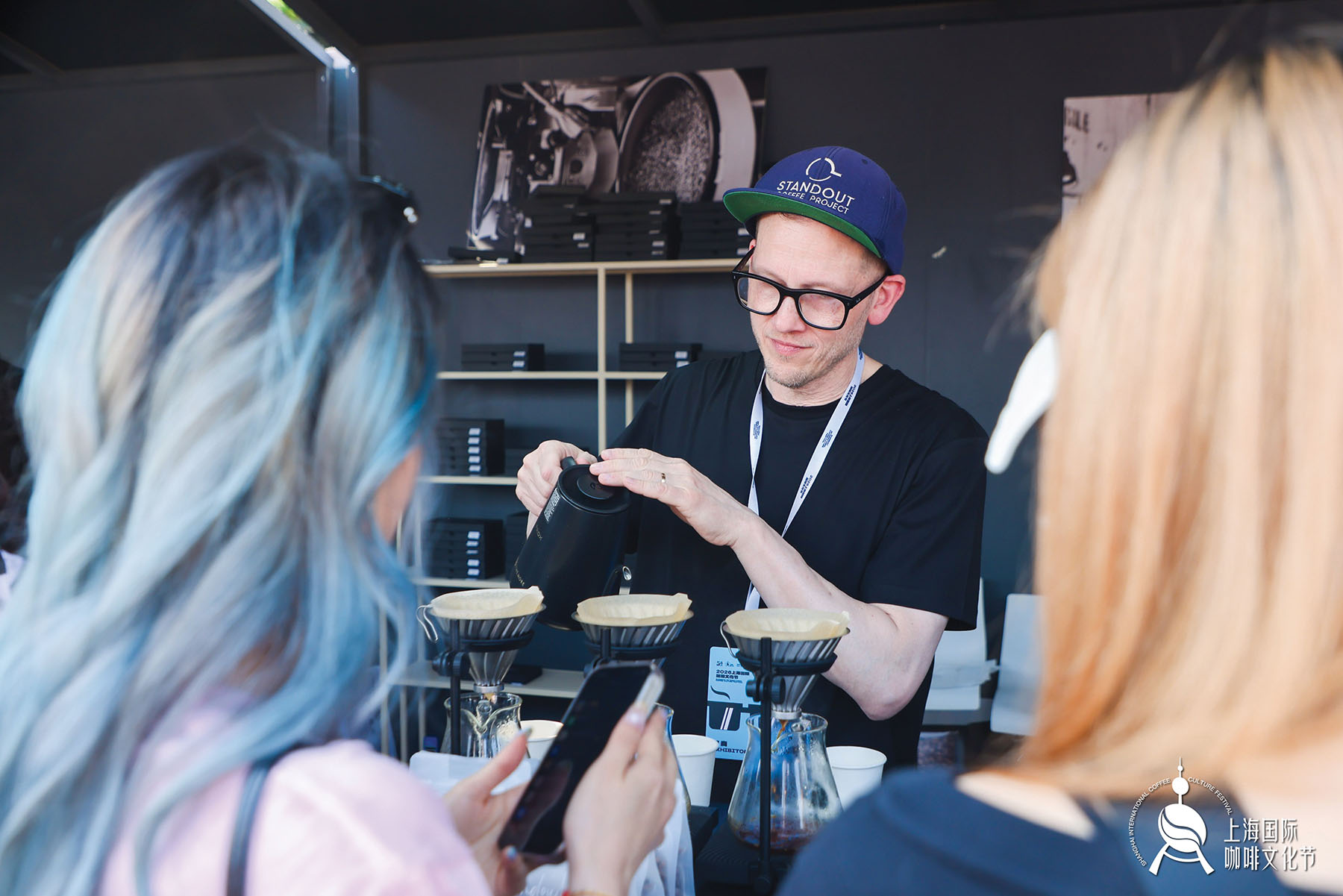
Oskar Garberg, co-founder and CEO of Standout Coffee and the 2013 Swedish Barista Champion, was a highlight of the event.
“I’ve been to numerous coffee shops, and the standard is so high here. Shanghainese have deep tea knowledge from childhood, and now you can embrace coffee very well,” Garberg said.
The niche Stockholm-based roaster has built a loyal following in Shanghai. “We are a small Swedish brand from Stockholm, from the other side of the world. But people recognize us here, I even sign autographs,” he said, making no secret of his expectations for the Chinese market.
“I would love to open a shop here. We have two locations in Stockholm, and Shanghai could definitely be our third,” Garberg added.
Park Hyeri, co-founder of Aery, an 18-month-old specialty coffee brand from Busan, South Korea, made her festival debut and was struck by Shanghai’s unique coffee culture.
“Shanghai’s coffee culture is unique, with each shop offering its own signature combo,” Park noted. “This isn’t common in Korea, so we introduced combo sets here to showcase our personality to Shanghai, which we don’t do in our Korean shops.”
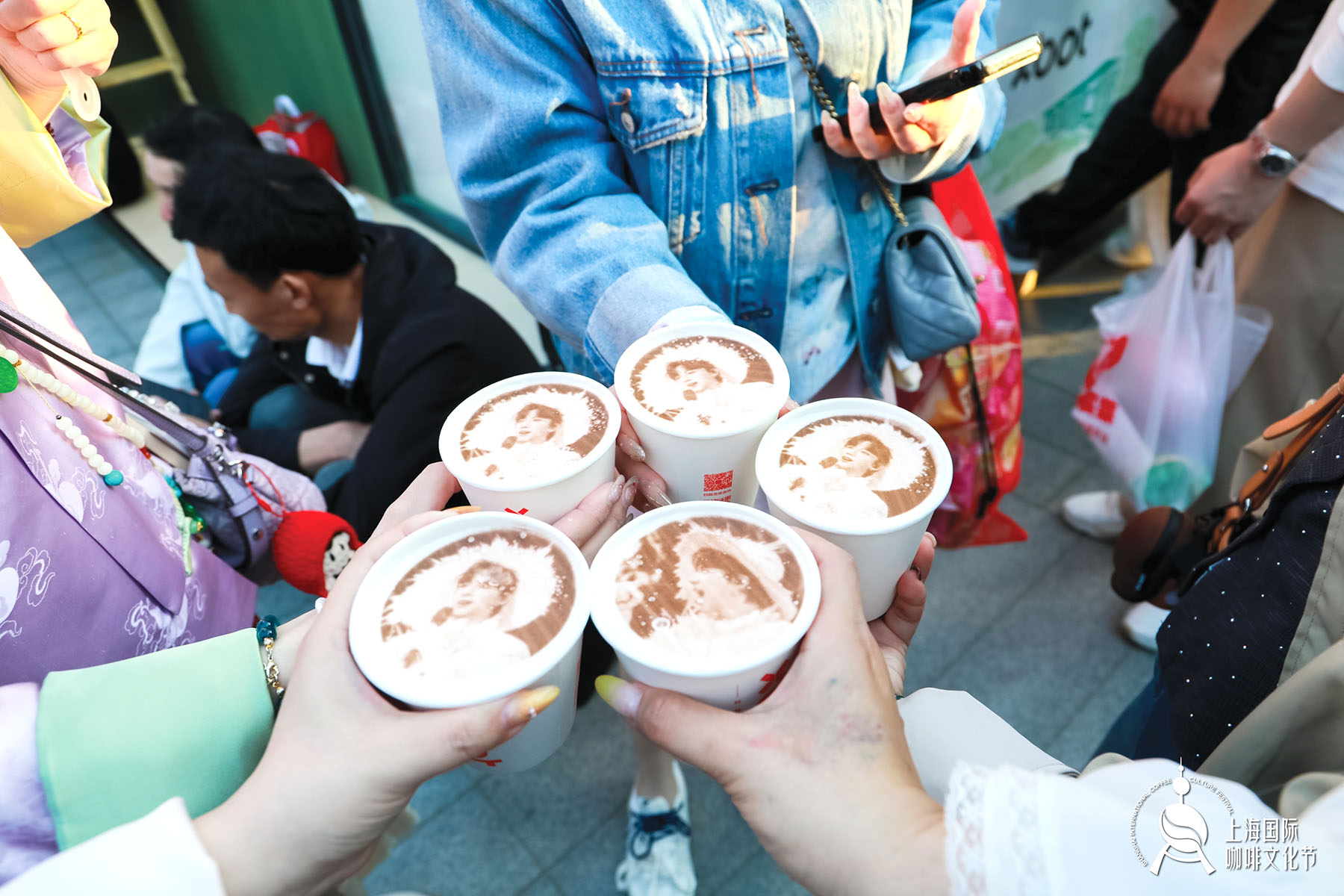
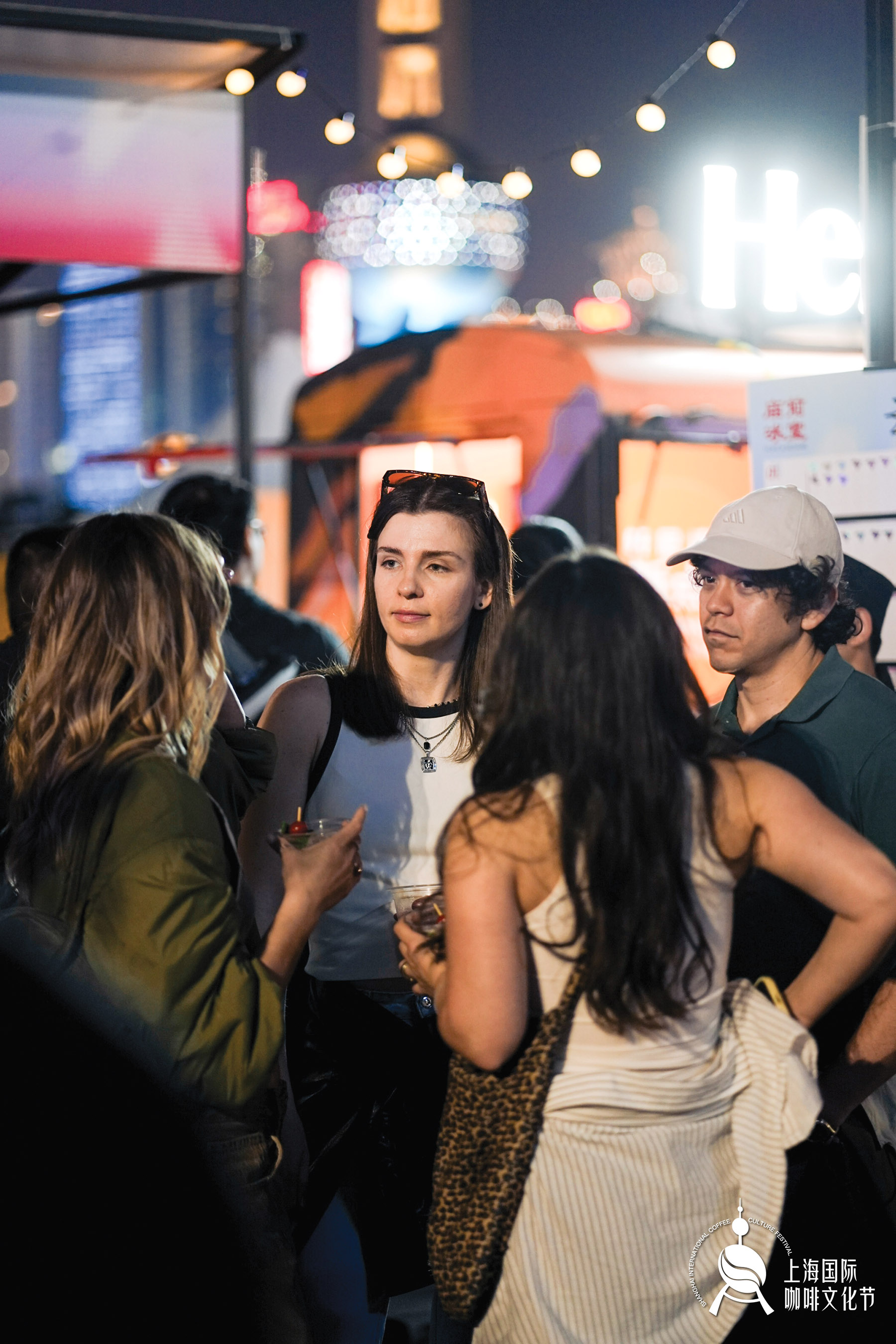
Beyond industry insiders and hardcore enthusiasts, the festival drew a steady stream of casual visitors and expats. Edvard Tadevosyan, a Swedish finance major at Shanghai University of Finance and Economics, was stunned by the city’s thriving coffee scene. “I never thought Chinese people love coffee so much. Coffee shops are the best here.”
The festival’s energy extends beyond the main venue, with a “one district, one feature” coffee culture map being implemented across all 16 Shanghai districts and the Lin-gang Special Area in Pudong.
Nearly 50 flagship events and over 40 international professional competitions are planned in the following months, alongside citywide promotions at more than 6,000 merchants.
These festivities link bookstores, cinemas, museums, and commercial districts, offering themed activities and consumption subsidies, providing residents and visitors more opportunities to immerse themselves in Shanghai’s unique coffee culture.
Li Junfeng contributed to this story.
Contact the writers at heqi@chinadaily.com.cn
