

A number of exhibitions celebrating the time-tested tradition of enamel work on watch dials are claiming the attention of Hong Kong collectors and horology enthusiasts. Gennady Oreshkin reports.
It is no secret that Hong Kong is a horological paradise. Its tax-free watch market, combined with a high density of watch collectors and a diverse offering of brands — both multinational giants and independent players — makes the city an attractive destination for connoisseurs.
Lately, several city exhibitions are drawing attention to one of the most beautiful and enduring decorative crafts associated with watchmaking — enameling. The process involves applying powdered glass to heated metal. The high temperature causes the glass particles to melt and stick to the surface, producing vibrant, durable colors that can last for centuries. Enameling can turn the most ordinary-looking wristwatch into a miniature masterpiece.
On at the Liang Yi Museum, Fabergé and Cartier: Rivals, Visionaries, Mastersmiths — which delves into the creative rivalry between two legendary jewelers of the early 20th century — features some fine examples.
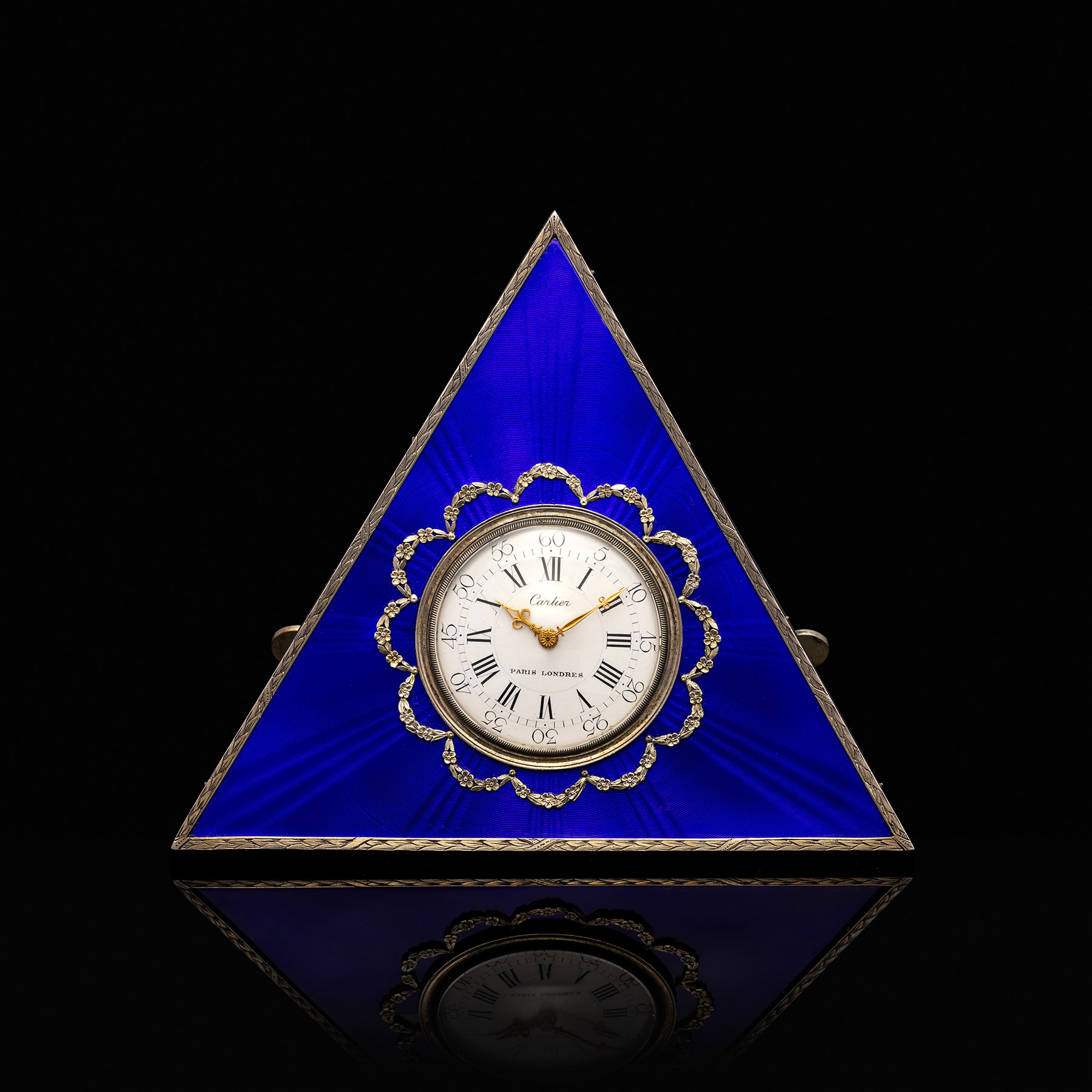
For instance, a pyramid-shaped table clock from 1908 stands out for its luminous, vivid, blue-enameled surface. The fine engravings around its dial are created by braiding metallic strands, or the guilloche technique. Beside this piece sits a matching cube-shaped minute repeater bearing the same striking hue. “In terms of technique, these clocks were influenced by Fabergé,” says Olivier Bachet, jewelry consultant and author of Cartier: Exceptional Objects and In The Beginning Was The Line: Cartier Art Deco Drawings 1910-1930. “Yet Cartier distinguished itself by using a more limited palette of colors, achieving greater refinement.”
In the exhibition, these Cartier clocks are placed next to a similarly enameled Fabergé bracelet with a Russian Imperial crest, highlighting how one brand borrowed techniques from another. Fabergé’s workshops in St Petersburg invited master artisans skilled at producing a wide range of colors. “At the time, Fabergé was still based in St Petersburg, so they had direct access to the best artisans who could create diverse enamel colors, including orange, which is a shade that is extremely difficult to get right,” says antique jewelry dealer and founder of Palais Royal Paris — co-hosts of the exhibition — Gilles Zalulyan.
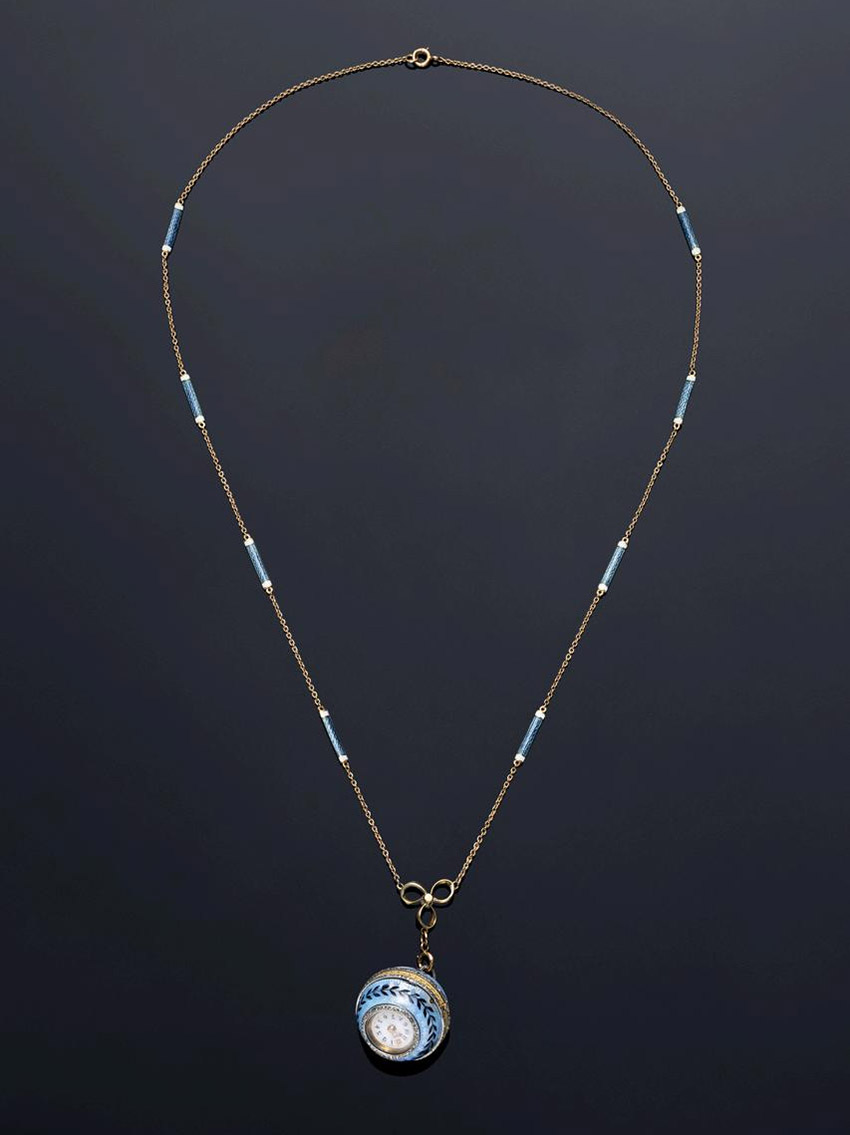
Though better known as jewelry-makers, Fabergé also produced intriguing watches, judging from the showcase. One of the exhibits is a hexagonal secret pin watch made between 1896 and 1908, with a guilloche enamel front and a hidden dial that allowed ladies who attended the royal court to check the time discreetly. Another treasure is the Boule de Genève secret watch, created for Cartier in 1910 at the workshop of Heinrich Yahr, owned by Fabergé at the time. Its dial can remain hidden inside a blue enamel spherical pendant adorned with painted wreaths.
Hidden treasures
While the Liang Yi show focuses on a historic rivalry, Van Cleef & Arpels’ Poetry of Time exhibition at Central Ferry Pier 4 earlier this year offered a broader look at the evolution of enameling. The patrimony-dedicated wing of the exhibition, for example, featured a 1912 necklace with a hidden watch in a baby-blue enamel case, embellished with platinum garlands and natural pearls — reflecting its graceful Edwardian style. The piece appeared in visual dialogue with the maison’s Art Deco creations, such as a hexagonal chatelaine watch from 1924 with green enamel resembling jade.
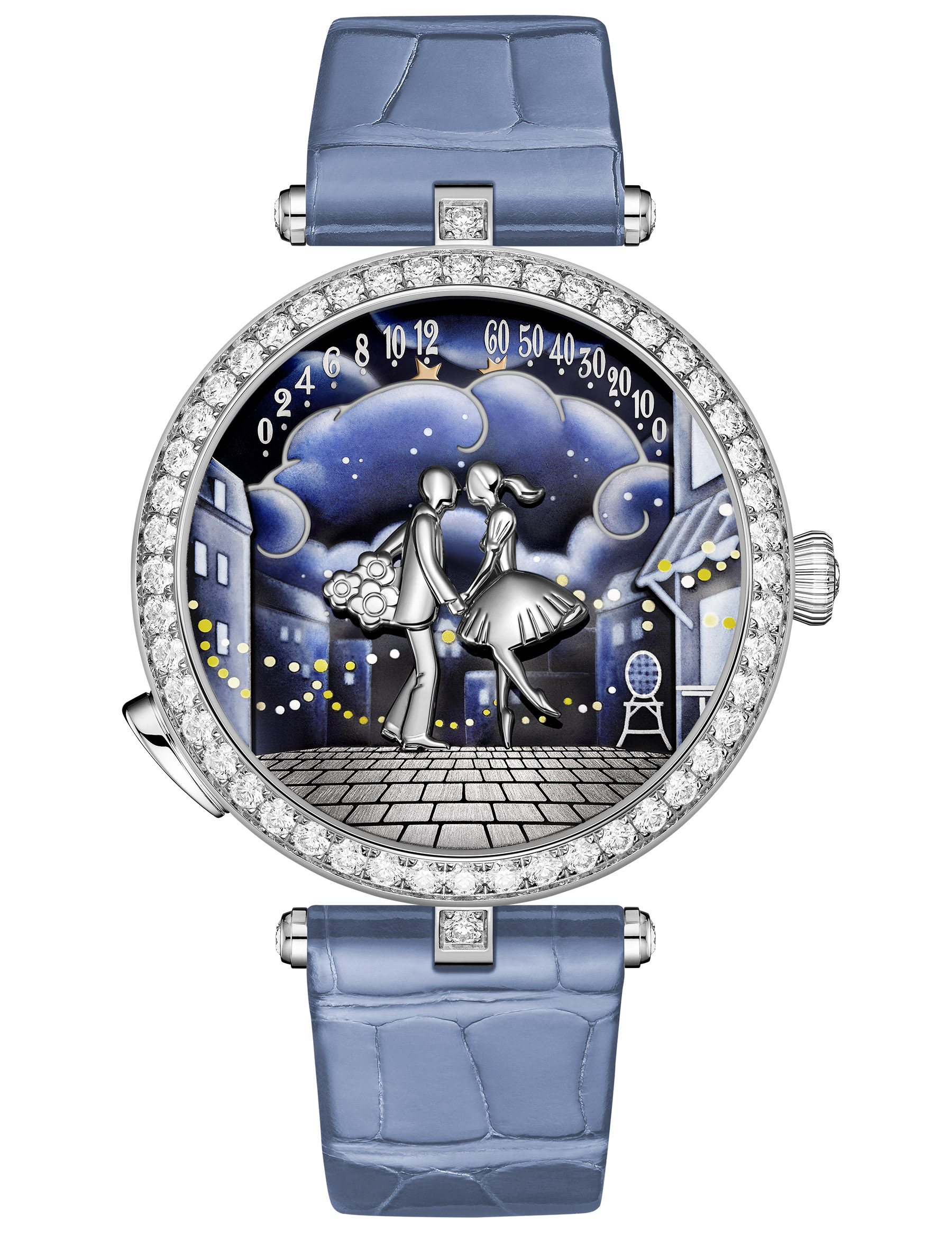
Poetry of Time also featured the brand’s contemporary offering, showcasing an even wider breadth of enamel expertise. For instance, the Lady Arpels Bal des Amoureux and Pont des Amoureux automata watches show a pair of lovers cast in white gold against a moonlit Paris scene on the dials, executed in Grisaille technique — creating monochromatic landscapes using Blanc de Limoges pigment.
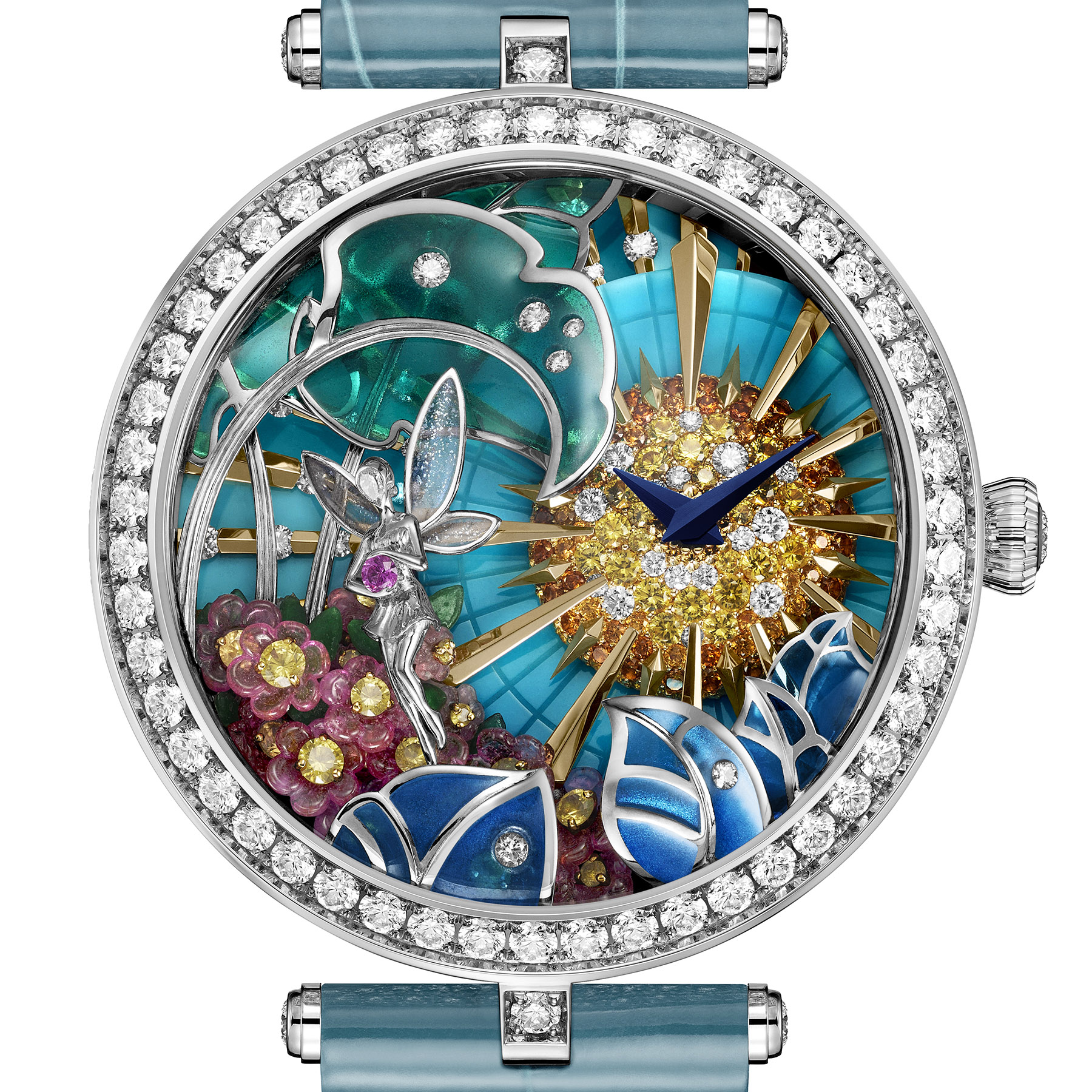
Van Cleef & Arpels invented a new enamel technique called Façonné in 2023. Three-dimensional transparent enamel sculptures, such as those on the dial of the Lady Arpels Jour Enchanté watch, were made by pouring enamel powder into a mold and firing it twice at precise temperatures. The Lady Arpels Brise d’Été, an automated watch, featuring dynamic flowers was made using Valloné, a technique that sees the enamel work cut into the metallic base of the dial.
Van Cleef & Arpels’ Timepieces Director Pascal Narbeburu says that to create the impression of moving flowers, “We mounted them on the sapphire glass and linked them to the watch movement, which is located right at the base of the dial. This link is hidden behind the bezel, so it is impossible to see”.
Sculpted in time
Later this month, French May Arts Fest 2026 is hosting an exhibition of horological masterpieces with enamel work.
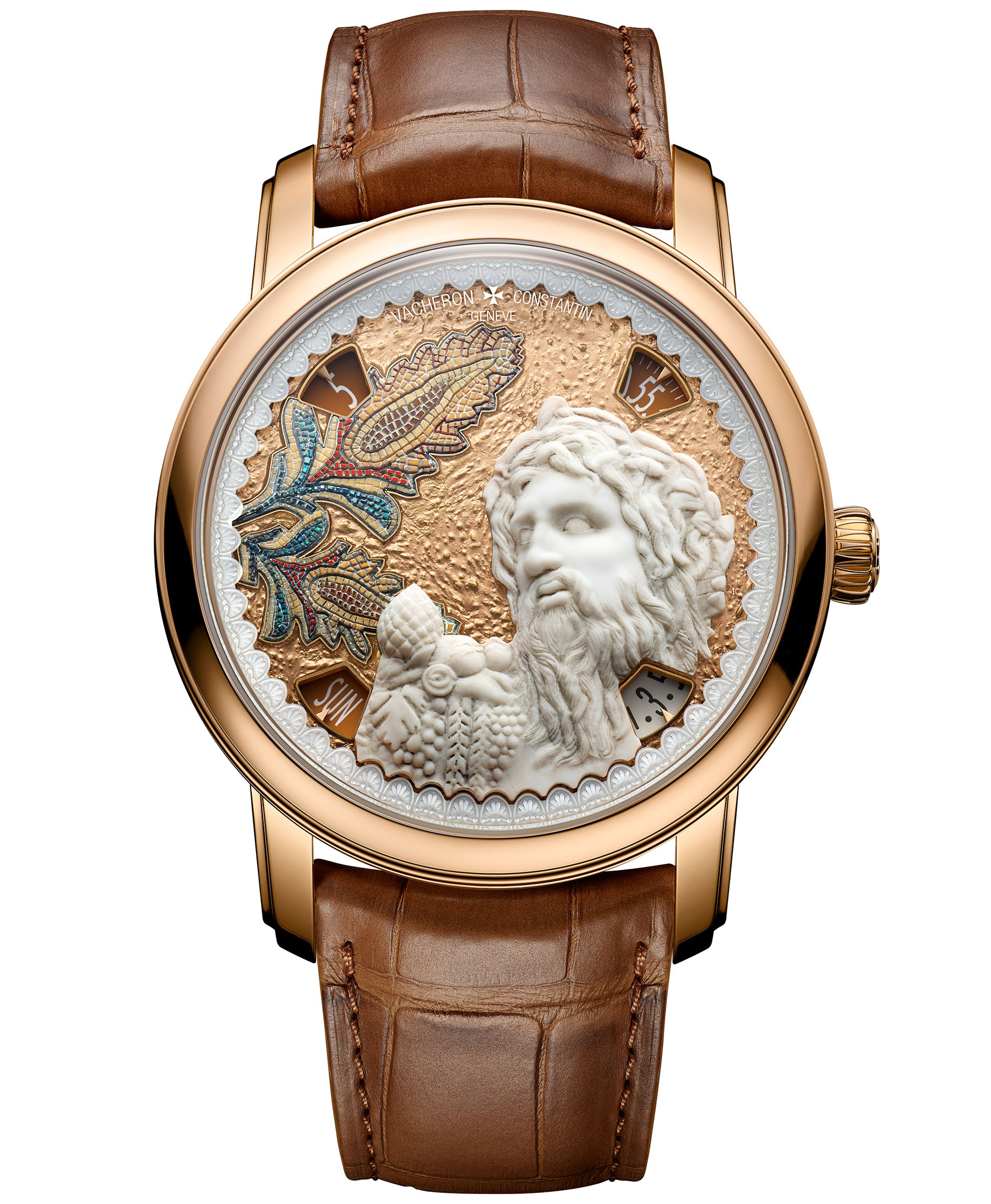
Tribute to Great Civilisations: An Artistic and Cultural Dialogue between Vacheron Constantin and the Louvre highlights the latest collaboration between the brand and the museum. Unveiled at Watches and Wonders in Geneva in April, the collection is inspired by ancient art and antiques.
Three of its four exhibits were created using champlevé and flinqué enameling techniques. The Buste D’Akhénaton — Egypt watch, for example, features a ring made using the champlevé technique — which involves filling recesses carved onto metallic surfaces with enameling — surrounding the profile of Akhénaton, sculpted out of Sinai limestone and sandstone. Flinqué enamel has been used to create an uncharacteristically sculptural effect in The Lamassu De Sargon II — Assyria. The feathers of the human-bird hybrid Lamassu were carved onto the watch dial before applying successive layers of translucent red enamel. In Athéna De Velletri — Greece, showing a marble profile of the Greek goddess of wisdom, is framed by a frieze of black champlevé enamel on a yellow gold base. The design references floral motifs commonly seen on ancient Greek pottery.
East meets West
Enameled watches are a new favorite with serious collectors. “When pocket watches gained popularity in the early 20th century, artistic enamels were highly sought after,” says Joshua Srolovitz, head of trading at The 1916 Company. “Recently brands like Patek Philippe have sparked renewed excitement with intricate cloisonné enamel dials,” he adds, referring to a technique that involves dividing the surface into compartments using gold wire before filling it with enamel. “This has inspired other major houses as well as independent makers around the world.”
A perfect example of this revival sits in the vault — and sometimes on the wrist — of Hong Kong collector G Lau. He owns a rare Patek Philippe Ref 5089 with a cloisonné enamel dial showing a detail from Henri Rousseau’s 1910 painting, The Dream. Limited to just 10 pieces and launched in 2017, the watch carries the initials of Anita Porchet, sometimes credited as the greatest living enamel maker. “Each piece like this requires about 10 firings at 800 C, and the artisans need to ensure that all the gradients and shading come out exactly right,” says the collector. “You cannot let the gold wires collapse at any point during the process, because then you will have to throw the dial away and start over.”
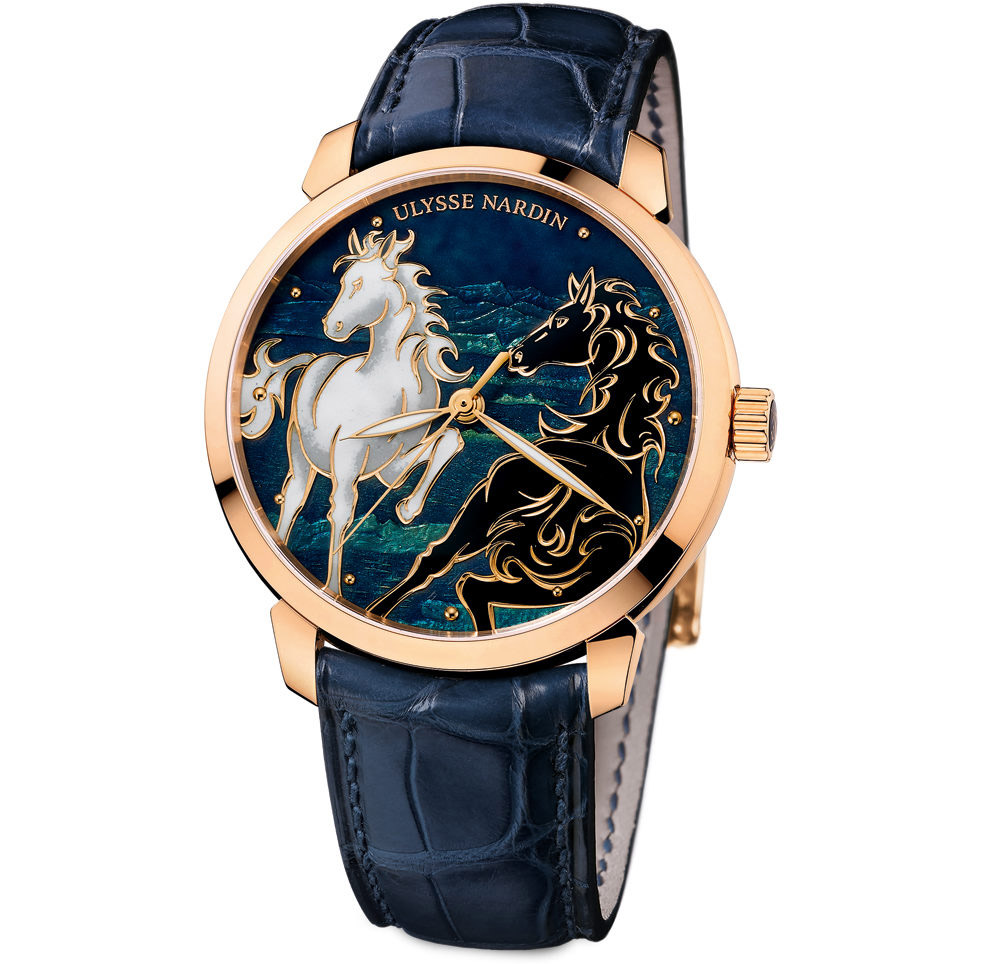
Lau has also assembled three uber-rare Ulysse Nardin Chinese New Year watches — bearing images of horses, serpents, and dragons. Using the champlevé technique, the animal images were created in collaboration with Swiss specialist Donzé Cadrans. “It can sometimes take artisans up to 60 hours to engrave the motifs into the metal baseplate of the dial alone,” Lau says.
At a recent high jewelry showcase hosted by French maison Chaumet at its new boutique at Pacific Place, connoisseurs particularly liked the Grand Feu firing technique, prized for the thick, glossy surface with striation-like marks, achieved through multiple high-temperature firings. The range includes a secret necklace watch with “feathers” of Grand Feu enamel adorning the rosette covering the dial.
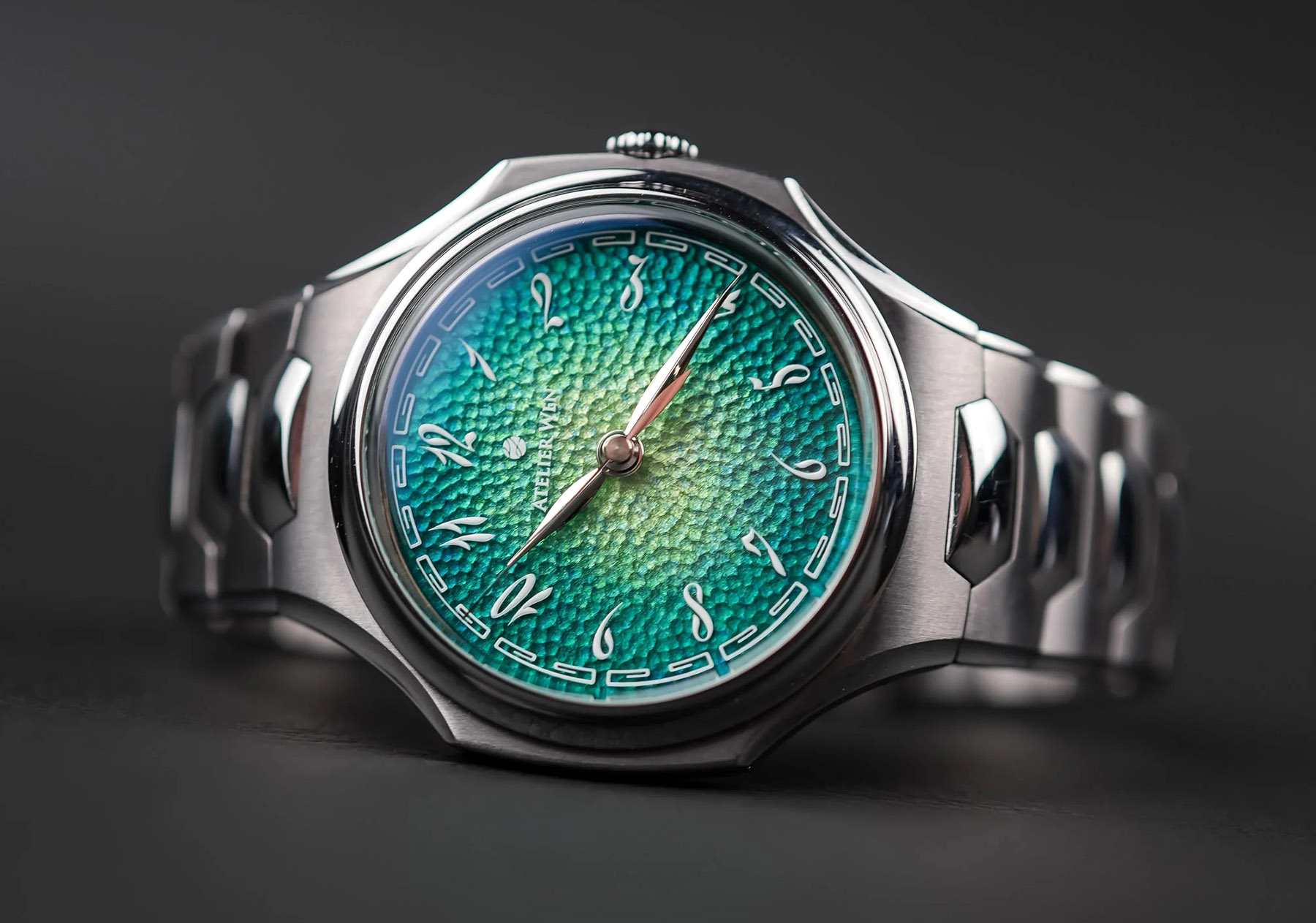
This technique also features prominently in pieces marketed by independent brand Atelier Wen, which skilfully fuses French watchmaking traditions with Chinese cultural heritage. Its Inflection collection, which frequently sells out in Hong Kong, comes with hypnotic Grand Feu dials displaying a rippled transition of colors — from soft pale green to deep viridian — evoking a sense of depth and serenity.
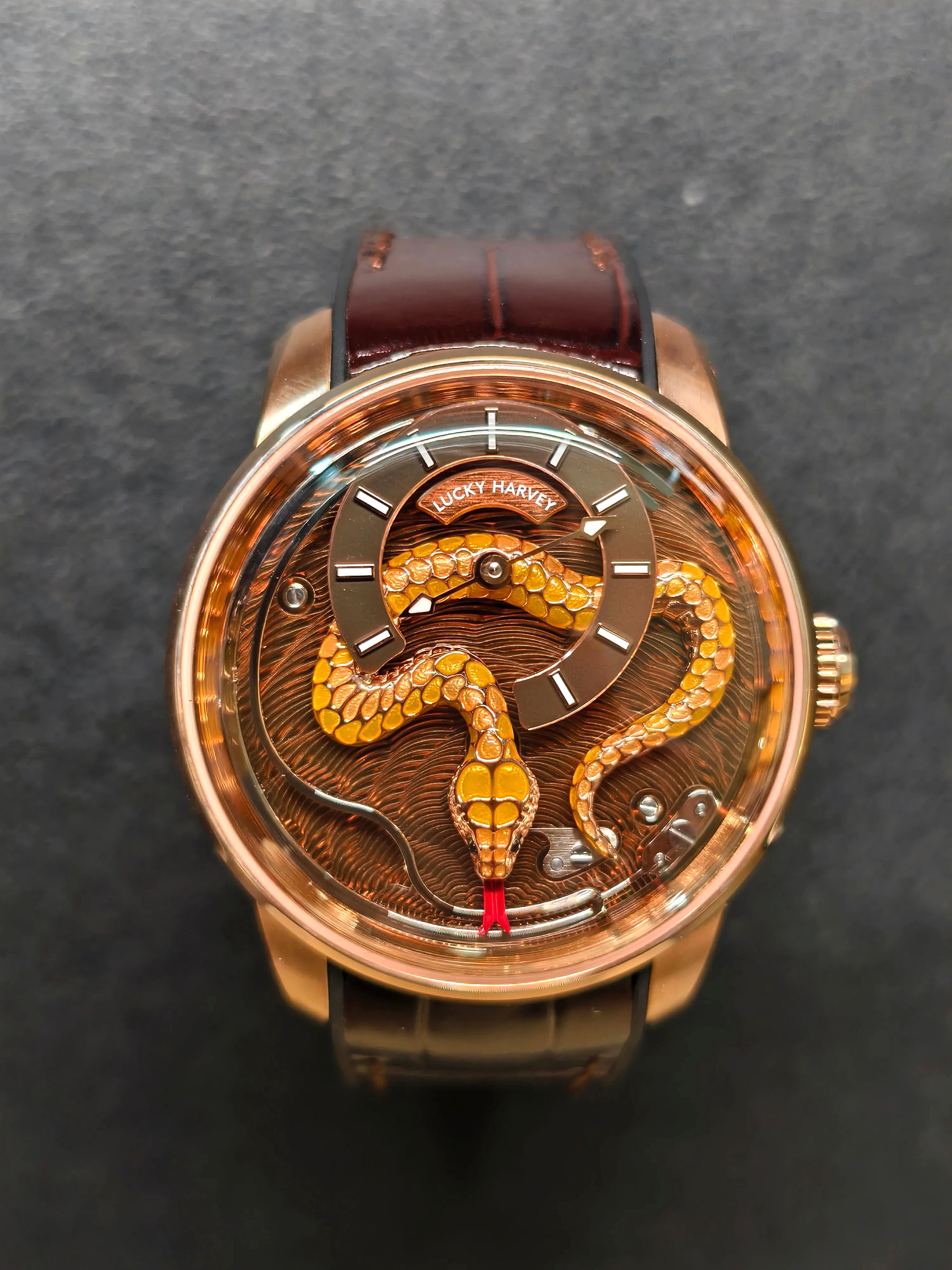
Meanwhile, Lucky Harvey’s limited-edition enamel automata pieces stand out for the precision involved in crafting each scale on the figures of a snake, or a dragon, on the dial. Celadon Haute Horlogerie, on the other hand, uses motifs from traditional Chinese bird-and-flower paintings in its The Four Nobles range. The plant and bird combination depicted on each piece represents a season and a corresponding human virtue — bamboo with birds of Paradise signifying summer, for example.
Fabergé and Cartier: Rivals, Visionaries, Mastersmiths
Dates: Through Sept 1
Venue: Liang Yi Museum, 181-199 Hollywood Road, Sheung Wan.
www.liangyimuseum.com/faberg%C3%A9-and-cartier
Tribute to Great Civilisations: An Artistic and Cultural Dialogue between Vacheron Constantin and the Louvre
Dates: May 23-25
Venue: Tai Kwun, 10 Hollywood Road, Central
www.frenchmay.com
The writer is a freelance contributor to China Daily.
