

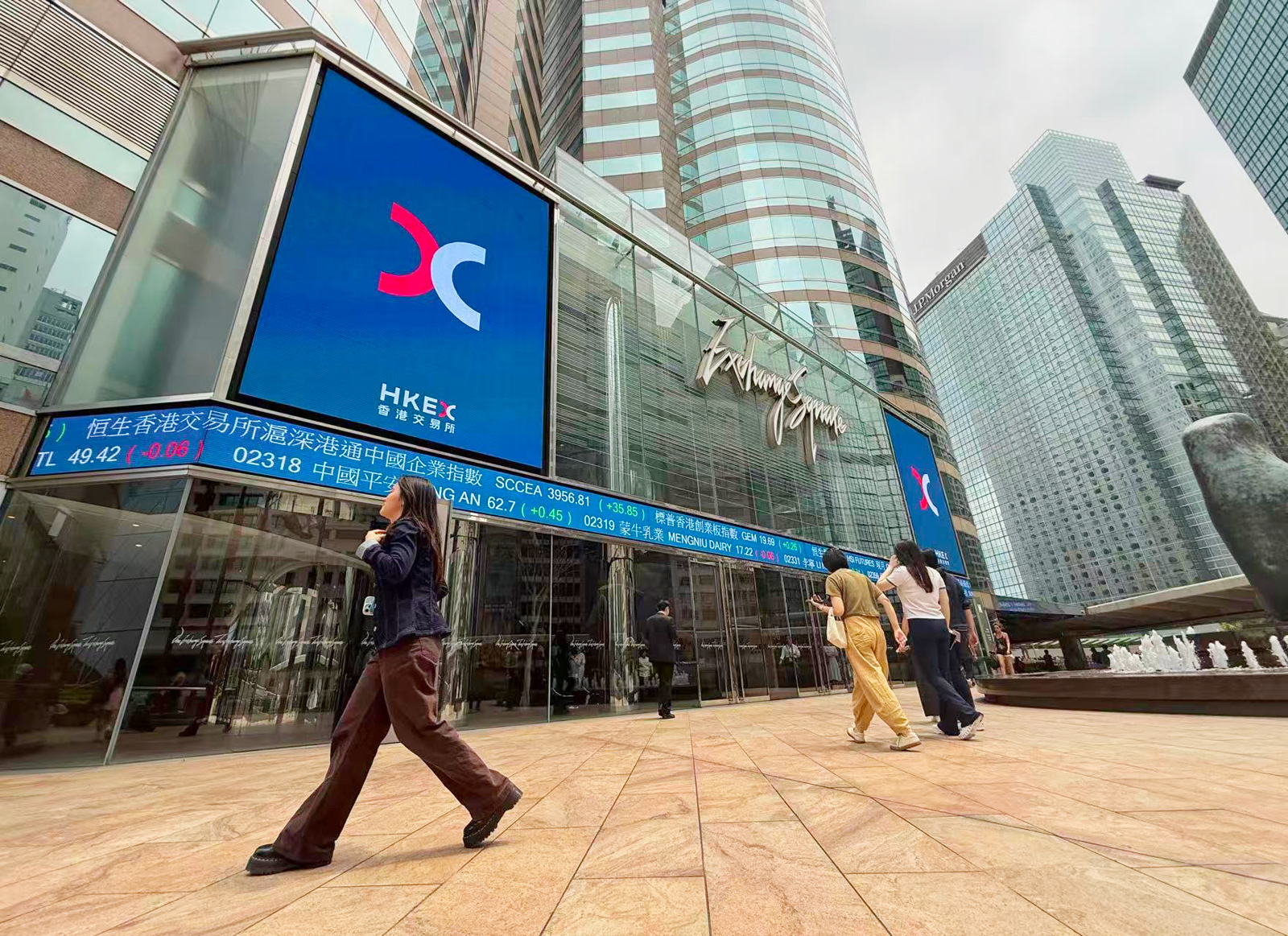
Hong Kong’s stock exchange operator is planning to halve the time it takes to settle stock trades, matching a global push toward shorter settlement windows despite concerns over the operational hurdles for Western investors.
Hong Kong Exchanges and Clearing Ltd proposed moving to a T+1 cycle, settling trades one day after the transaction, from the current two-day requirement, according to a consultation paper released Friday.
The shift could take effect in the fourth quarter of 2027.
The proposed change covers assets including equities, exchange-traded products, structured products, real estate investment trusts, and listed debt securities. It also applies to the physical settlement of equities resulting from exercised stock options.
Initial public offerings will be excluded from the shift, maintaining their current T+2 schedule for listing after price discovery.
The public and market participants have until May 18 to submit comments on the proposal.
The move aims to align Hong Kong’s $7.5 trillion market with international peers, most notably the US, which transitioned to T+1 in 2024. This marks the second major structural overhaul for the city’s exchange in three years, following the 2023 decision to slash the IPO settlement period from five days to two.
RELATED ARTICLES
- HKEX plans a multi-asset product ecosystem to capture capital flow
- HK moves to lower threshold for dual-class share listings
- HK bourse mulls micro futures on Hang Seng, tech index
- Hong Kong to launch uncertificated securities market regime in Nov
The transition presents significant logistical challenges for global funds. In a preliminary discussion paper released in July, HKEX acknowledged that a T+1 cycle in an Asian time zone creates a same-day settlement pressure for European and US investors.
Global firms will likely need to bolster overnight trade processing capabilities and potentially staff desks on Sunday afternoons to manage Hong Kong’s Monday settlements, the exchange said.
Industry advocacy groups have also signaled caution regarding the accelerated timeline.
The Asia Securities Industry & Financial Markets Association warned in December that compressed cycles increase the risk of failed trades.
The group highlighted that many post-trade functions in the region remain manual, and restricted convertibility in some Asian currencies could make it difficult for firms to secure emergency funding within the tighter window.
