

Today following sustainable practices is de rigueur for many Hong Kong restaurants. Faye Bradley meets the people leading the transition to conscious dining.
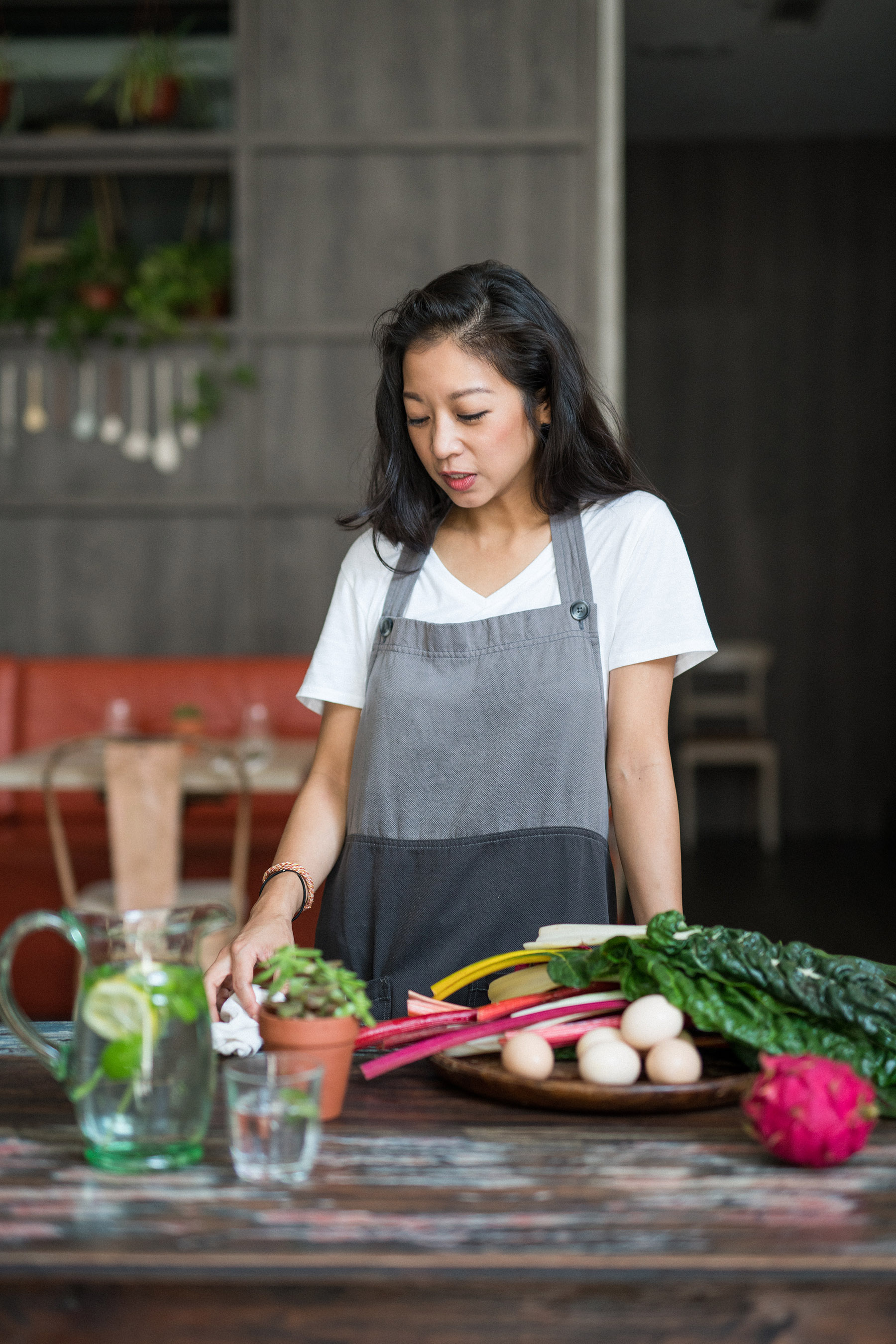
For years, the menu was the yardstick for measuring the extent of sustainable practices followed in Hong Kong’s restaurants. The key indicators of a conscious dining enterprise used to be plant-forward tasting courses, inclusion of seasonal vegetables, perhaps a note about reducing the use of plastic. However, a handful of the city’s food sustainability activists have been trying to redirect the conversation away from the dining room and toward the farms, supply chains, and economic systems that actually shape what we eat.
Peggy Chan — executive director of Zero Foodprint Asia — has been at the forefront of this movement. In January, she won the inaugural Champions of Change Award at the 2026 Asia’s 50 Best Restaurants awards, held for the first time in Hong Kong; indeed, Asia.
However, for Chan, the accolade is not so much a personal victory as a recognition of the dining industry’s changing perceptions of sustainability. She points out that in Hong Kong, there is no dearth of restaurant businesses backing the cause of sustainability. “We can create beautiful plant-forward tasting menus. We can reduce single-use plastics. We can highlight local farms.”
But in order to make a real difference, food-sustainability advocates like her have to do more: “Changing food systems at the source — land use, import dependency, supply-chain transparency, agricultural incentives — that’s a much deeper transformation.”
The city imports more than 95 percent of its food. This means that much of Hong Kong’s environmental footprints are made far beyond its borders.
“If we’re serious about systemic change, we need to invest in regional regenerative agriculture, shorten supply chains where possible, and redirect capital toward producers, not just plate presentation,” Chan says.
She set a pioneering example with the launch of Zero Foodprint Asia, sustained by a “1 percent of sales” funding model that invites diners to contribute directly to regenerative farming projects.
Participating restaurants charge their patrons an extra 1 percent on their bills. Their contributions go into the organization’s Restore Fund, financing soil regeneration and biodiversity projects across Asia.
Initially, restaurant owners worried about thinner profit margins and negative customer reactions. “They would say, ‘Let’s donate profits, not revenue,’ or ‘What if customers complain?’”
“What’s often misunderstood is that the 1 percent is pledged and funded by customers,” Chan explains. “The restaurant simply becomes the conduit.”
The business model also marks a powerful shift, integrating sustainability into everyday transactions rather than relying on occasional goodwill of patrons.
“Embedding it into each transaction makes impact structural, not discretionary,” Chan says. “If you give only when you’ve made a profit, impact becomes an afterthought.”
Waste is wealth
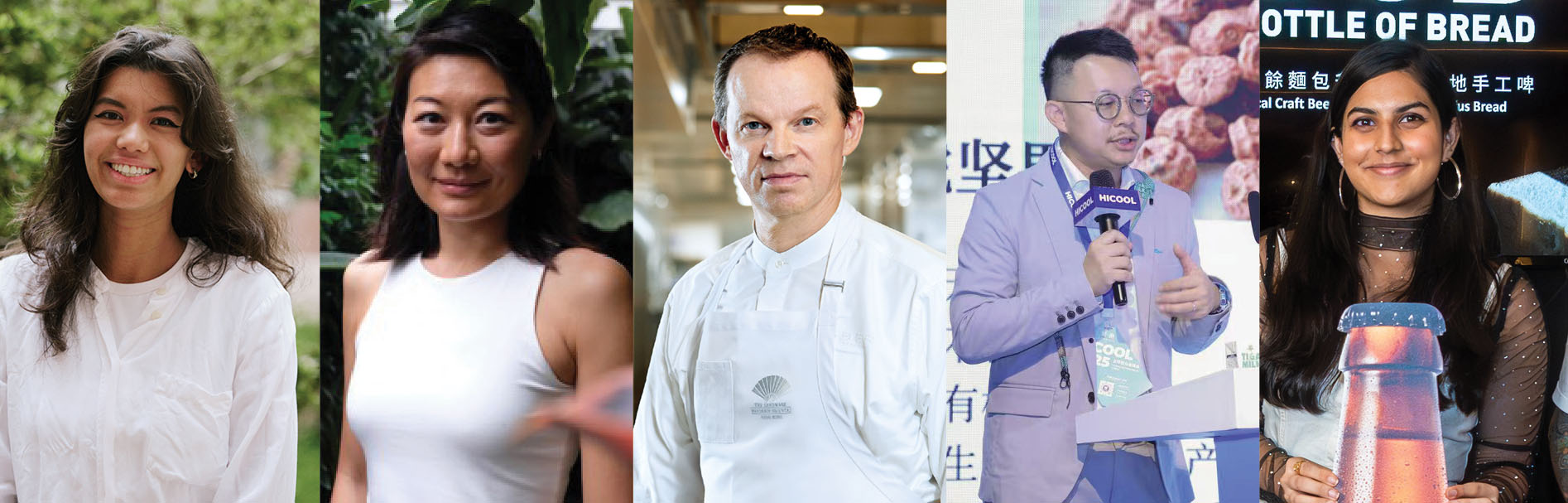
Daisy Tam Dic-sze, associate professor at Hong Kong Baptist University and founder of Breadline, the city’s “first public digital platform for food rescue”, says that most food sustainability-oriented startups often fail not because of technological challenges or inadequate funding, but rather because customers are guided by preconceived notions.
“I met a developer who built an award-winning food-waste app,” Tam recalls. “It had amazing features, but almost no users. It was an example of how we sometimes prioritize technology over understanding what people actually need.”
She reminds us that we do not need to take recourse to the latest technology in order to reduce our ecological footprints. “Small behavioral changes — from the way we cook to the way we eat”, can serve us better. Her advice to the next generation of food-sustainability entrepreneurs is: “We need a nose-to-tail approach, a systems approach — farm-to-table, seasonal, nutritious. Education is central.”
Carla Martinesi, founder of food-saving app Chomp, points out that because of Hong Kong’s reliance on imports, “the connection between farm, climate, and food on the plate isn’t always visible” to the city’s people. “It’s taught in schools as recycling or environmental science, not as a holistic food-systems issue.”
However, Martinesi says that a clear generational shift has already taken place. “Kids today are more exposed to climate conversations. They ask more questions and are curious”, while the older generations’ approach to food could be informed by memories of experiencing scarcity.

Mindset shifts
And yet, sustainability-driven food enterprises often struggle to make ends meet.
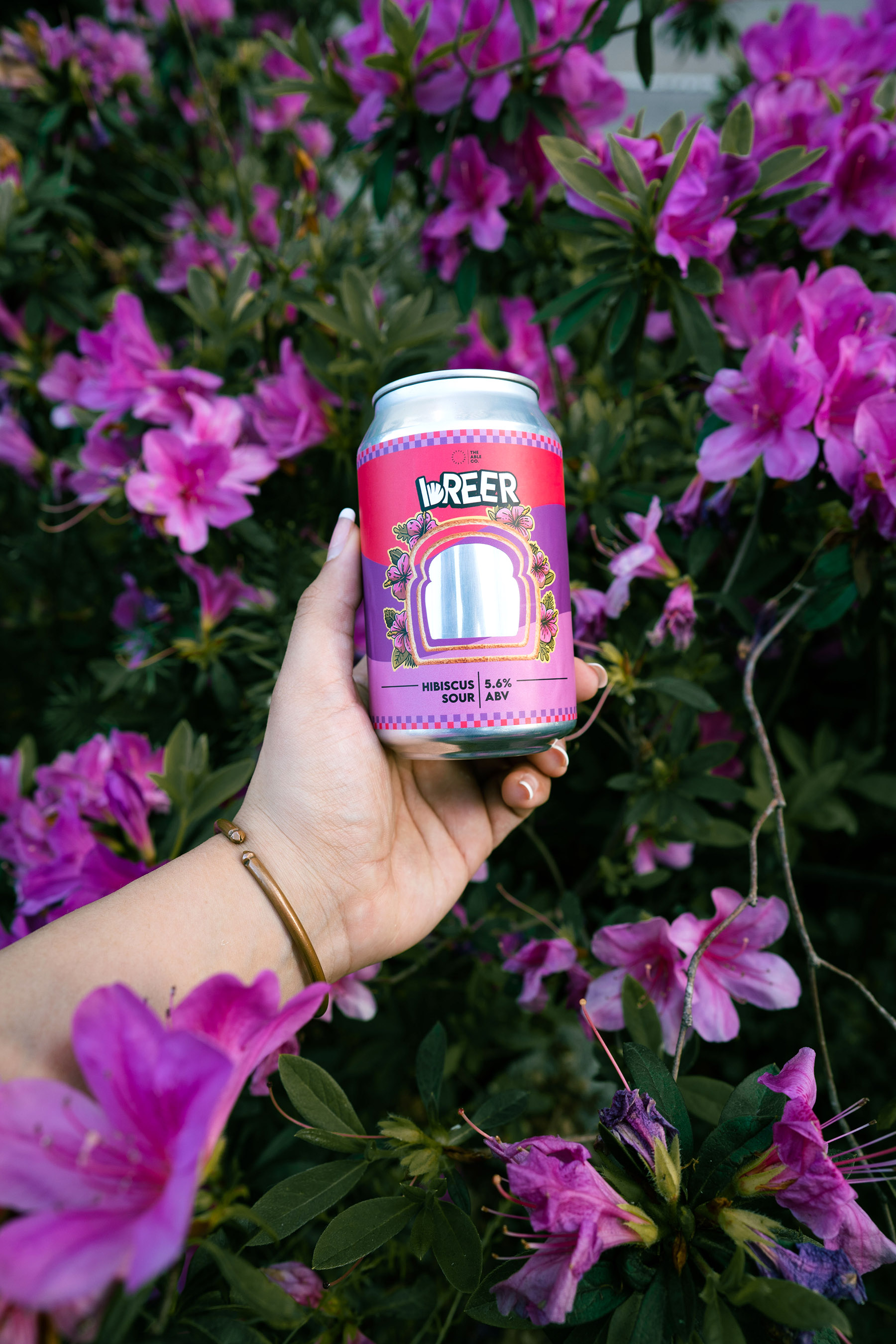
Anushka Purohit, CEO of Breer — a food upcycling startup that converts surplus bread into local craft beer — says that prospective financiers are often led by preconceived notions about sustainability-oriented startups not making any money and therefore not worth investing in.
Also, the idea of redistributing or recycling food that would otherwise go to waste can trigger negative associations. “For example, convincing bakeries to give us food they would be discarding anyway was one of the toughest roadblocks we faced in the beginning. They were worried about being branded a high-wastage enterprise. At the same time, the lack of policy regarding food wastage meant that they were not compelled to look for solutions beyond discarding waste,” Purohit says.
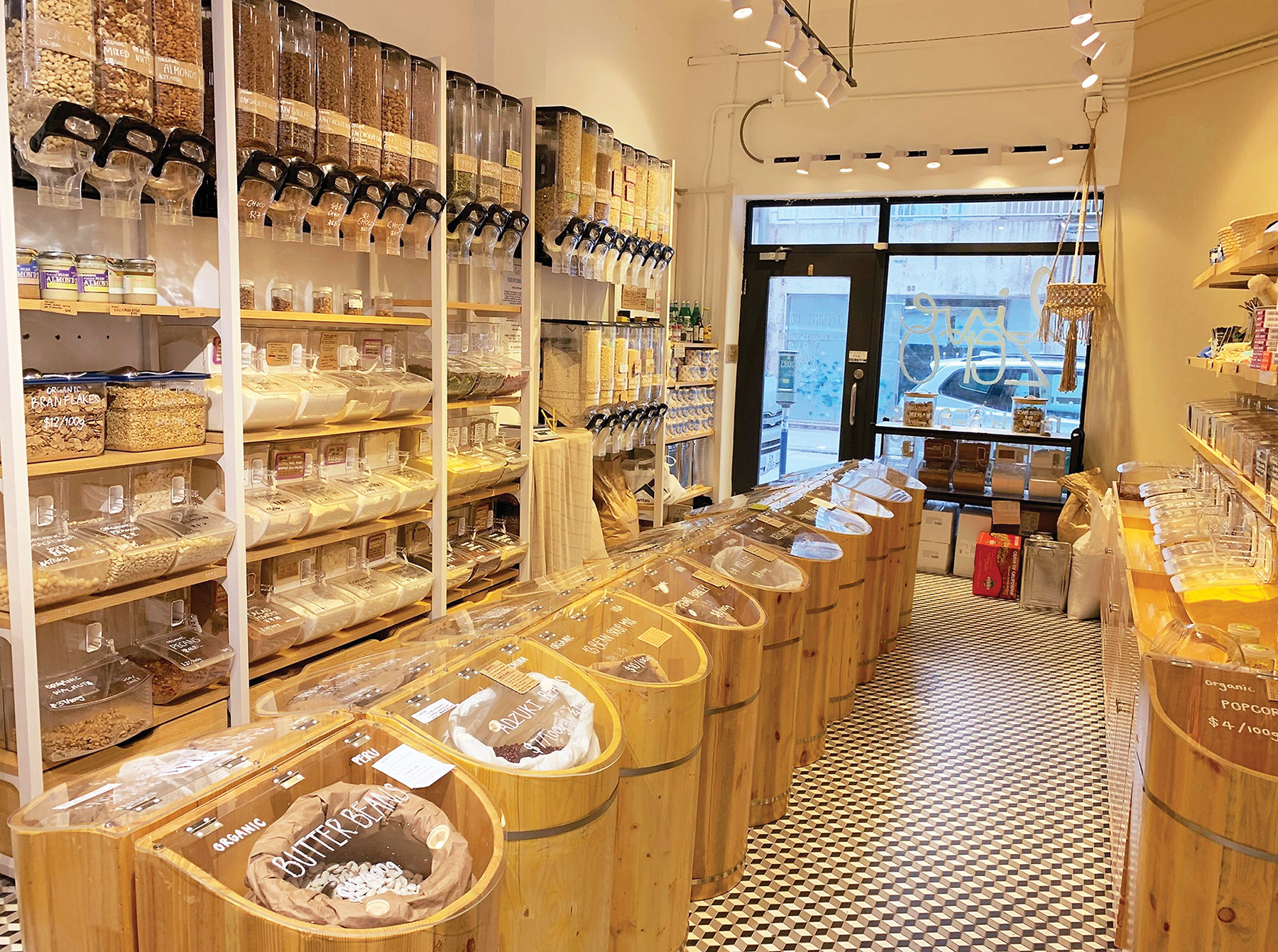
Tamsin Thornburrow, founder of Hong Kong’s “first zero-waste” store, Live Zero, points out that the fast pace of life in Hong Kong may not be conducive to adopting a conscious lifestyle. She adds that it would take a mindset shift on a systemic level for takeaway customers to bring along their own containers and eateries mandating the practice. “It’s less about lack of care and more about convenience.”
She explains that allowing customers to customize the amount of food they pick up from the store helps them to spend less and avoid waste. “Many customers now see it as a sensible everyday choice,” she says. Fair pricing, reduced packaging, and responsible sourcing encourage sustainable consumption. Thornburrow anticipates that refill culture will soon permeate mainstream retail.
Rethinking protein
While meat consumption remains a sensitive cultural touchpoint in Hong Kong, people are increasingly leaning toward plant-based alternatives. Edmund Chan, co-founder of green tech firm Meat the Next and its plant-based brand, Tiga Milk, says, “Five years ago, if you mentioned alternative proteins, you were met with raised eyebrows. The question always was: ‘But does it taste like the real thing?’ Today, people ask, ‘Which one is healthier and tastes better?’” Chan attributes the growing awareness to climate shocks and supply-chain disruptions, especially during the COVID-19 pandemic, bringing food security into sharp focus.
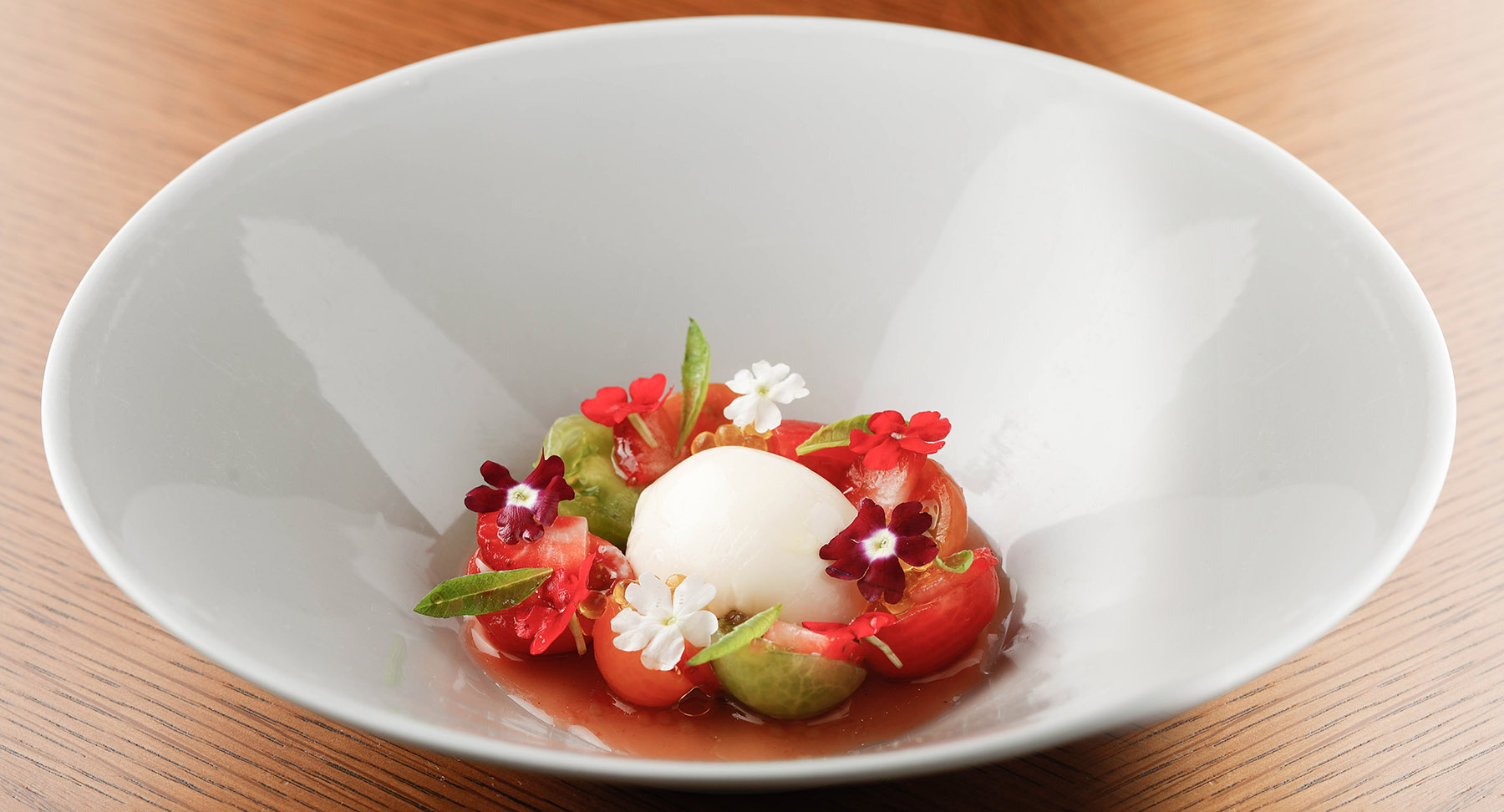
Even Hong Kong’s most elite diners are recalibrating their processes for the sake of greater sustainability. Chef Richard Ekkebus, who is culinary director at Mandarin Oriental, The Landmark Hong Kong, and runs the Michelin Green Stars-winning restaurant Amber, says that the idea of what constitutes fine dining is changing. “There’s a perception that sustainability means compromising on indulgence. But one of the most expensive dishes on my menu is plant-based. The labor involved in preparing vegetables far outweighs that needed for animal protein,” he says.
Today, vegetables anchor Amber’s menu: 60 to 65 percent of the dishes are plant-based, depending on the season. “Before using any ingredient, we vet it. Was the animal raised ethically? Is the seafood certified? Are the vegetables organic or regenerative?”
His advice to chefs is to go slow and steady when they make the transition to a more sustainably driven model. “Make incremental improvements year on year. Replace dairy with plant-based alternatives. Start with amuse-bouches. The small shifts compound into real impact.”
Ripples across Asia
The arrival of Asia’s 50 Best Restaurants in Hong Kong is likely to trigger a healthy competition for innovation in food sustainability among the city’s culinary leaders. “Hong Kong carries outsized influence. What lands here ripples across Asia,” Peggy Chan says.
She is optimistic about Hong Kong’s potential to bring about systemic change in the field of sustainable dining, through sourcing a substantial percentage of raw food from the regenerative farms in the south of the Chinese mainland. She also advocates greater focus on the truth about climate change in the media and food awareness integrated into school curricula.
“The question isn’t whether change will happen. It’s whether we lead the redesigning of the system — or react to collapse,” she says.
