

Automated intelligent parking garages are moving from pilot projects to scaled commercialization in first-tier cities on the Chinese mainland, becoming a new form of urban infrastructure that improves city governance and land-use efficiency.
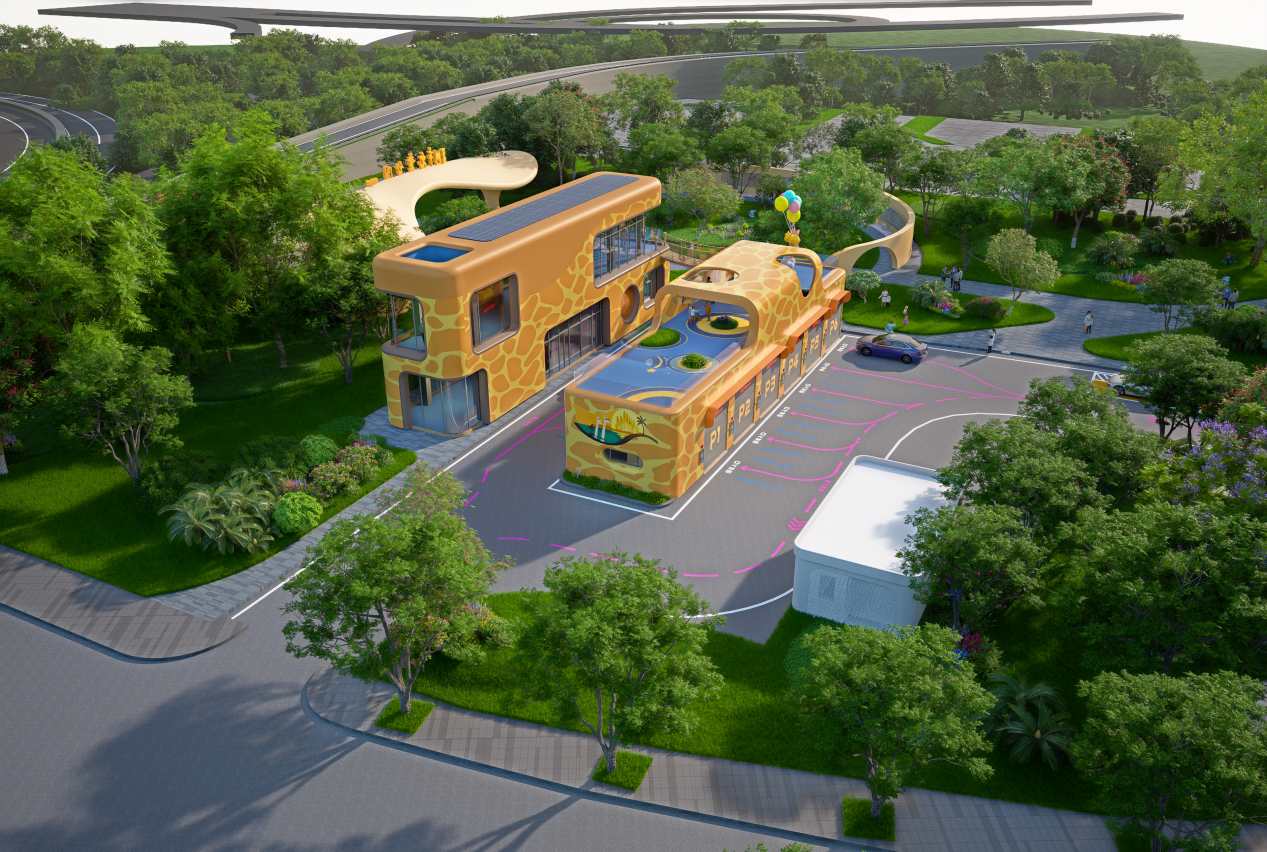
Shenzhen will inaugurate a new large-scale robotic parking garage in June this year -- the first underground, two-story automated guided vehicle car park in Guangdong province, and the largest of its kind in the country.
ALSO READ: Shenzhen sees major efficiency boost in e-commerce export clearance
With 440 smart parking spaces, the project is located at Shenzhen Children’s Park in Luohu District and due to open next to the renovated park.
Automobile owners only need to park their vehicles in the ground-level parking area. AGV robots will automatically handle the entire parking process, including positioning, transport, storage and retrieval.
The garage will be equipped with nine AGV robots and nine lifts, cutting parking time to within three minutes. The system is compatible with most vehicle types, increasing the garage’s overall space utilization by 300 percent. In addition, the project can alleviate traffic congestion in the adjacent Dongmen commercial district and improve overall travel efficiency.
With a sharp surge in automobile ownership, traditional parking garages can no longer meet demand, and expanding parking supply in core urban areas is also difficult. As a result, intelligent parking solutions have become popular, and are being rolled out across commercial complexes, transportation hubs and older residential communities.
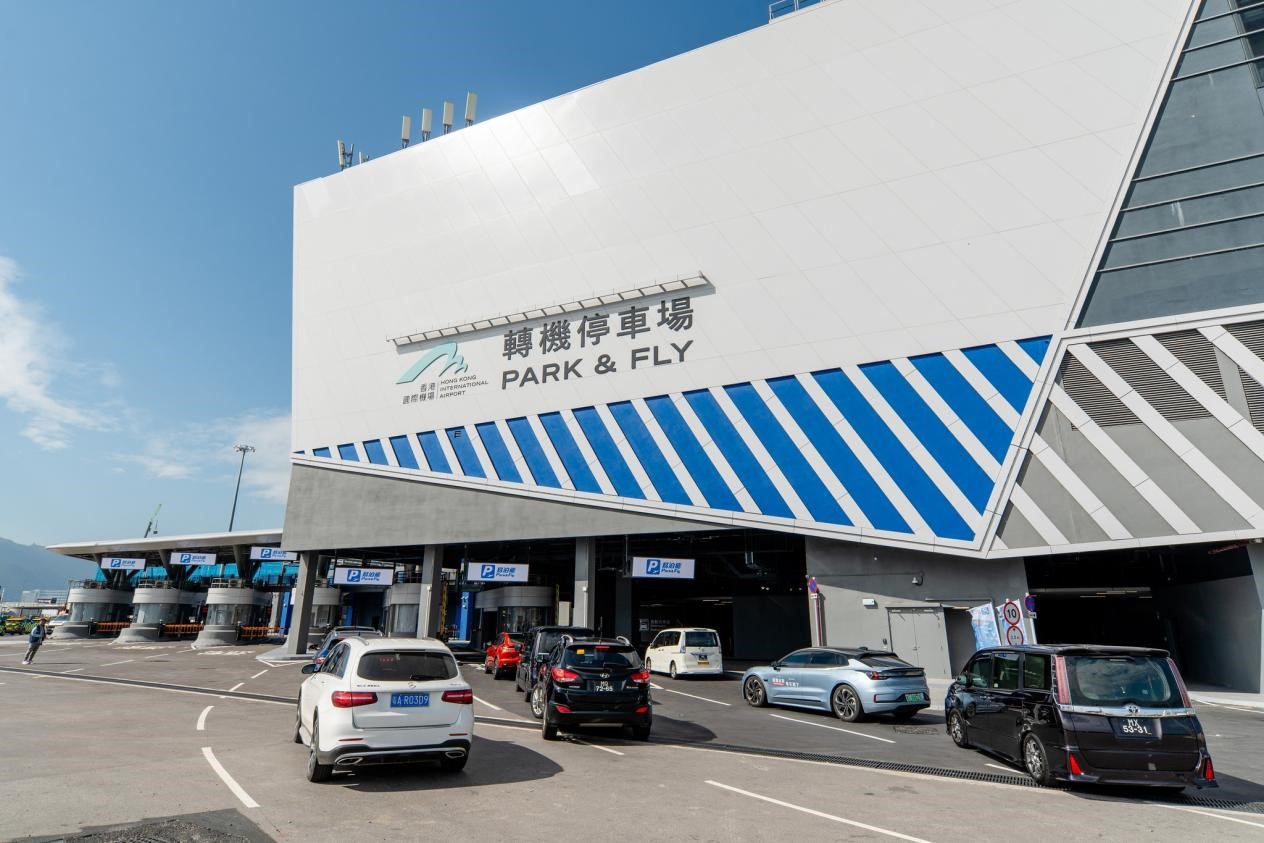
Such projects also play a significant role in handling cross-boundary traffic. The Southbound Travel for Guangdong Vehicles policy, which enables Guangdong residents heading to Hong Kong to catch flights or just to visit, has generated massive parking demand for Guangdong vehicles entering the special administrative region via the Hong Kong-Zhuhai-Macao Bridge.
To meet demand, Shenzhen-based CIMC IOT Technology Company built an automated parking facility at the HZMB’s Hong Kong Port which opened in November last year to coincide with the policy’s launch. With the first phase offering more than 1,500 smart parking spaces, it has become one of the world’s largest AGV-operated parking facilities.
Contact the writer at bingcun@chinadailyhk.com
