

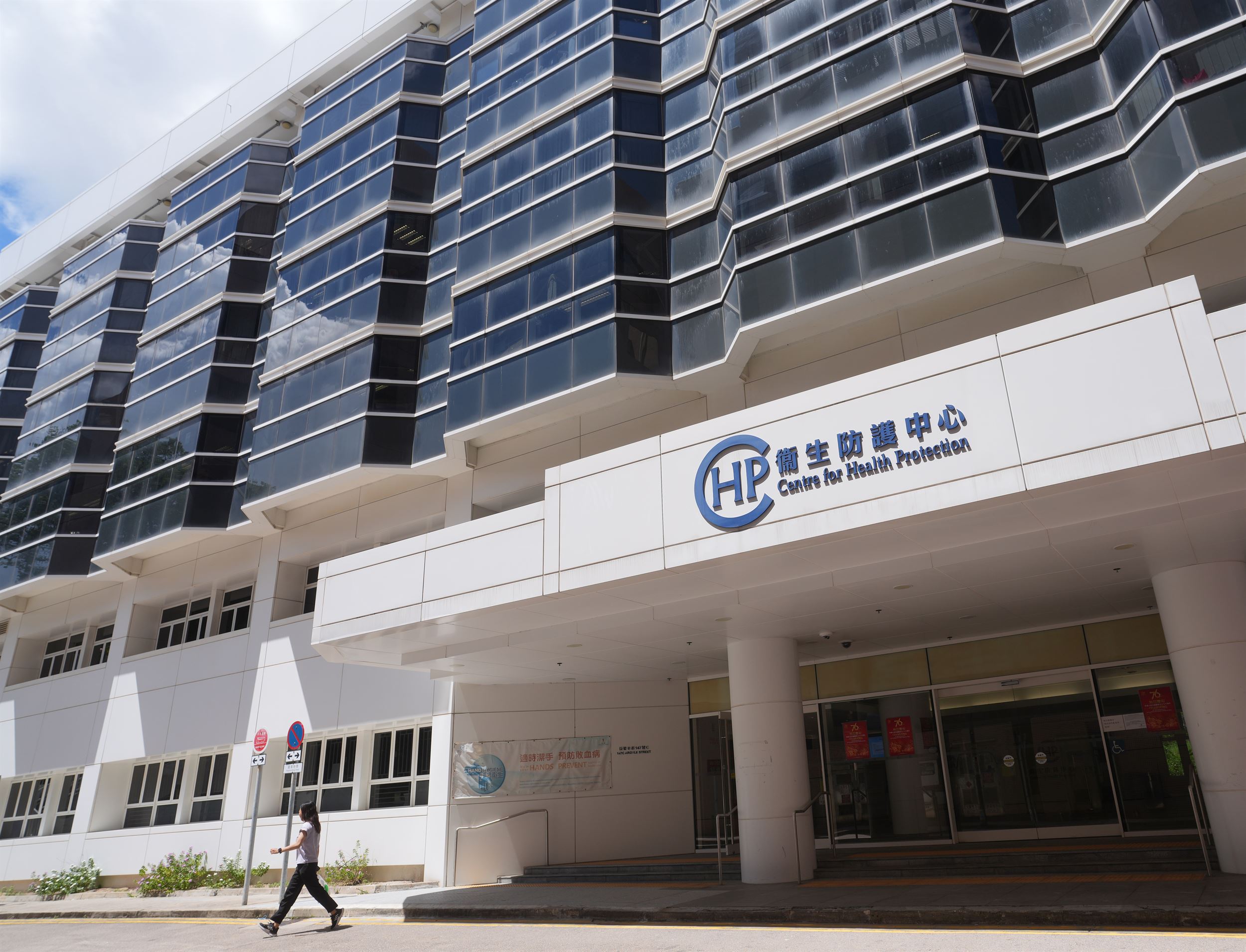
HONG KONG – The number of new HIV infections in Hong Kong has declined for the tenth consecutive year, data released on Tuesday showed.
Total 331 new HIV cases were reported in 2025, bringing the cumulative number of locally reported HIV infections to 12,734 since records began in 1984, according to data released by the Centre for Health Protection (CHP) of the Department of Health.
Among the 331 new cases, 258 were male and 73 were female, aged between 6 and 76.
Of the cases with a reported route of transmission, 279 cases acquired the infection through sexual contact, including 158 through homosexual or bisexual contact and 121 through heterosexual contact, the CHP said in a statement.
The CHP also reported 86 new cases of Acquired Immunodeficiency Syndrome (AIDS) in 2025, involving 61 men and 25 women. Since 1985, a cumulative total of 2,643 AIDS cases has been reported in Hong Kong.
"The prevalence of HIV infection in Hong Kong has remained far below the global average, accounting for 1 in 1,000 of the adult population. The number of new HIV infections has declined for 10 consecutive years since the peak in 2015, when over 700 new cases were reported, representing a more than 50 percent drop,” said Bonnie Wong Chun-kwan, consultant (Special Preventive Programme) of the Public Health Services Branch of the CHP.
She warned that the proportion of late presenters among newly reported cases in Hong Kong has remained high at about 50 percent in recent years.
Late presenters refer to individuals with a very low CD4 cells – one kind of immune cell – count or those with HIV infections that have already progressed to AIDS at the time when they are diagnosed with the illness.
ALSO READ: Trump-era global funding cuts devastate HIV prevention programs, UNAIDS says
According to analyses by the CHP, the proportion of late presenters among high-risk populations—such as men who have sex with men and sex workers—was approximately 40 to 50 percent. Among individuals not classified as high-risk, the proportion was even higher, reaching 60 to 70 percent.
Late presentation indicates that these individuals were not diagnosed and treated in a timely manner during the earlier stages of infection. Such delays can lead to a higher risk of opportunistic infections and malignancies, as well as a tenfold increase in the mortality rate compared to other people living with HIV, the CHP warned in the statement.
Mentioning that 2026 marks the 30th anniversary of the introduction of highly effective antiretroviral drugs for HIV treatment, Wong said HIV infection is a manageable chronic disease, and people with HIV should seek specialist care and receive HIV treatment as soon as possible to achieve viral suppression.
Emphasizing the importance of community engagement in the prevention and control of HIV and AIDS, she said two initiatives – Priority Populations Testing and Counselling Programme and the People Living with HIV (PLHIV) Support Services Programme – under the Partnership Programme for Community Engagement will be launched on April 1.
The CHP will subsidize NGOs to provide target participants with free HIV and syphilis antibody testing, personalized psychological support and counseling, health advice on safer sex and methods to prevent HIV and other sexually transmitted infections.
"These two programs address different groups and needs with precision. The former promotes early testing and early prevention to align with the CHP's core objectives of expanding testing services and implementing target-based prevention, control and intervention; the latter helps PLHIV better manage their health and further strengthen the existing support for them and their families,” Wong added.
