

Popular senior content creators offer wisdom, warmth to inspire new generations
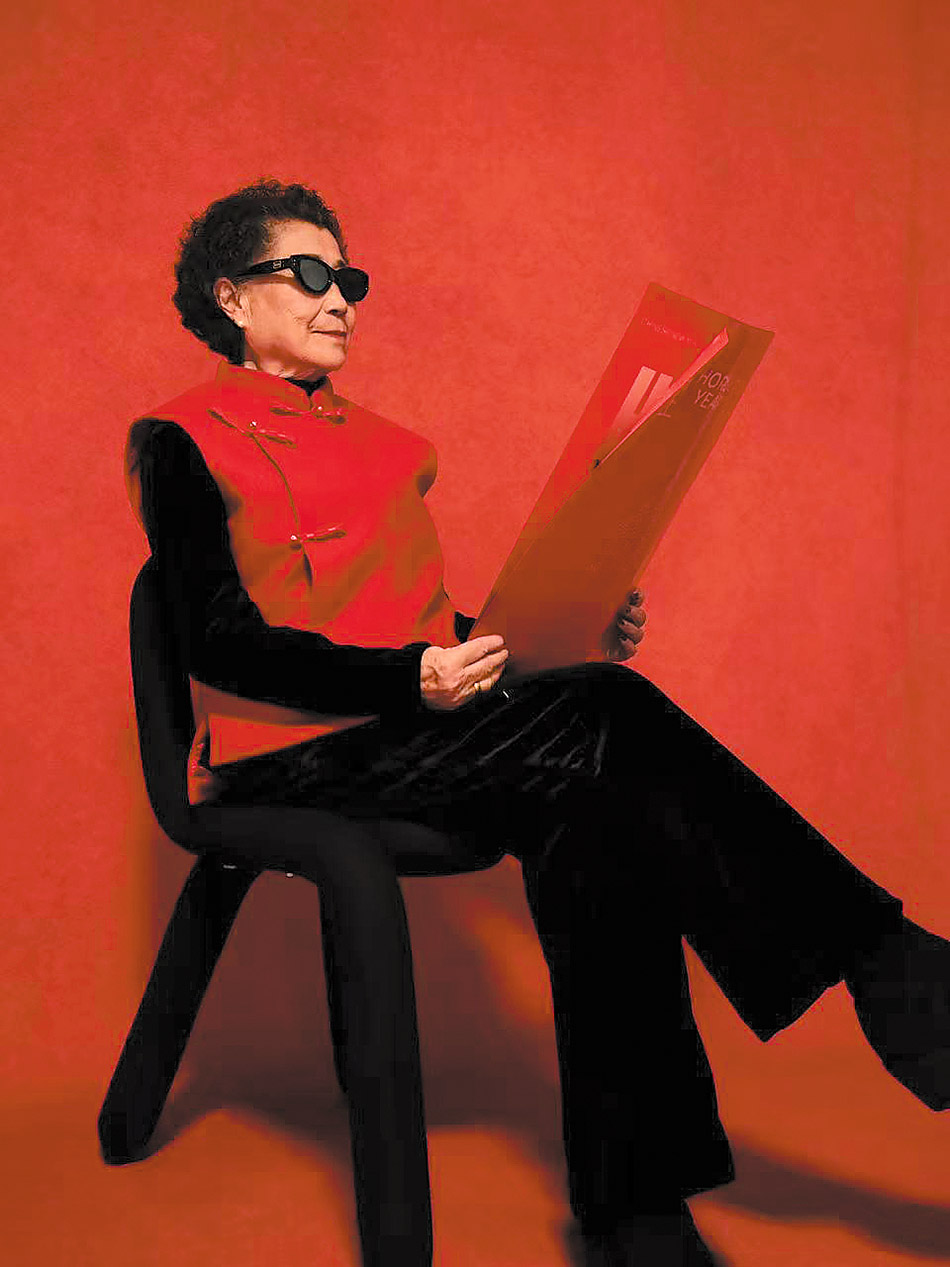
Yuan Suyu, who turned 83 in February, joined the trending birthday transition on social media, appearing in festive attire as she blew out candles on a decorated cake.
"Since becoming a content creator, I've been exposed to many new things," Yuan said, describing vlogging as a bright spark in her twilight years.
Through her vlog series, "A day in the life of an 82-year-old girl spending her pension",Yuan has built a following of more than 25,000 people on her RedNote account, "Grandma Liuliu", which has received nearly 200,000 likes.
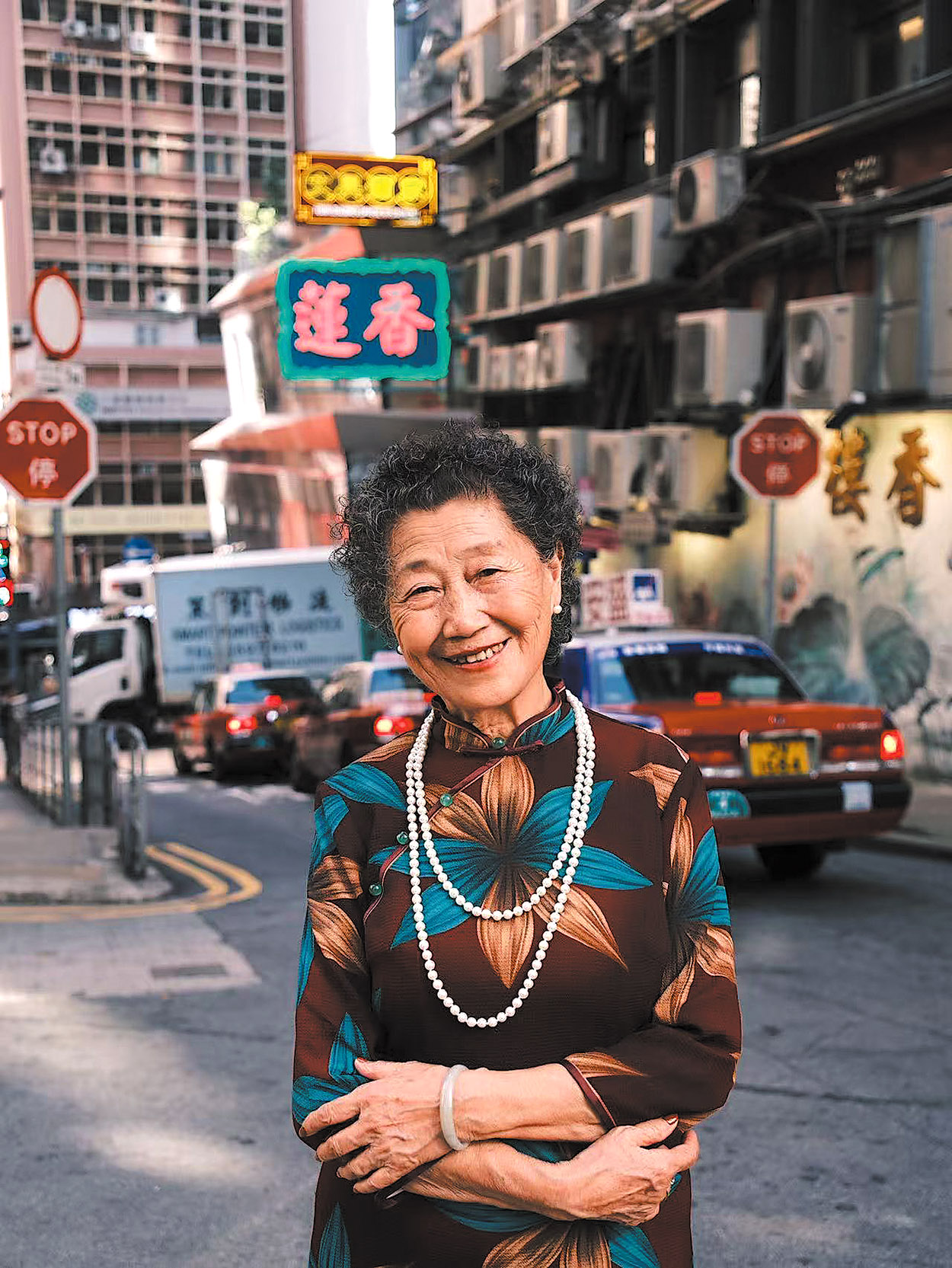
In her short videos, Yuan visits cafes in Shanghai, takes city walks in Hong Kong, and attends major events such as the China International Import Expo. "I had never imagined experiencing these big events before, and it has truly broadened my horizons," she said.
READ MORE: Pursuit of 'silver dividends' redefines Chinese seniors' golden years
The octogenarian, who loves wearing qipao and painting her nails, joined the platform in 2024. At first, she used social media to learn about health and wellness. But her distinctive style and enthusiasm for fashion and beauty inspired friends and family to encourage her to share her content.
With help from her granddaughter, Yuan began documenting her daily life on Red-Note, or Xiaohongshu.
Many users responded warmly, leaving comments such as, "Grandma, you look so trendy", and "Wishing you happiness and good health every day". Yuan said the positive feedback has motivated her to take better care of herself and to live a full and joyful life.
Unlikely trendsetters
In recent years, Chinese social media platforms like RedNote have seen a growing number of users over 60 sharing content online. Accounts featuring words such as "grandpa", "grandma", "auntie", or "uncle" in their user names have emerged across these platforms.
The seniors post short videos and updates about their daily lives, fashion choices, travel experiences, and practical know-how, creating their own takes on Gen Z–style "A day in my life" and "Outfit of the day" trends.
Notably, these "silver-age" accounts often attract more attention on social media than those run by younger users.
The account "Kangkang and his grandpa" regularly shares street-style snapshots featuring the 90-year-old grandfather's "Outfit of the day". In the photos, he might be seen heading out for coffee in a hoodie with headphones on, or standing on the street in a leather jacket and jeans. The account has over 1.3 million followers on RedNote.
"Grandma Pan", an account of a 66-year-old devoted to sharing experiences of village life and cooking tips, has also amassed more than 5 million fans on RedNote.
According to statistics released by Red-Note, the number of monthly active users aged 60 and above surpassed 30 million by the end of 2024, while the number of senior content creators has tripled over the past two years. Similarly, on Douyin, the shortvideo platform, about 13 percent of users are over 60.
Du Peng, dean of the School of Population and Health at Renmin University of China, described it as a dual trend: older adults are eager to participate in society through online expression, while the rapid development of the internet has made social media more accessible to them.
Those who began using the internet in their 40s or 50s are now in their 60s and have become senior netizens, Du said.
"They are generally well-educated and in good health, which lays the foundation for their active participation online," Du added."Different from the past, using smartphones and the internet has now become part of many elderly people's daily lives."
Passion never retires
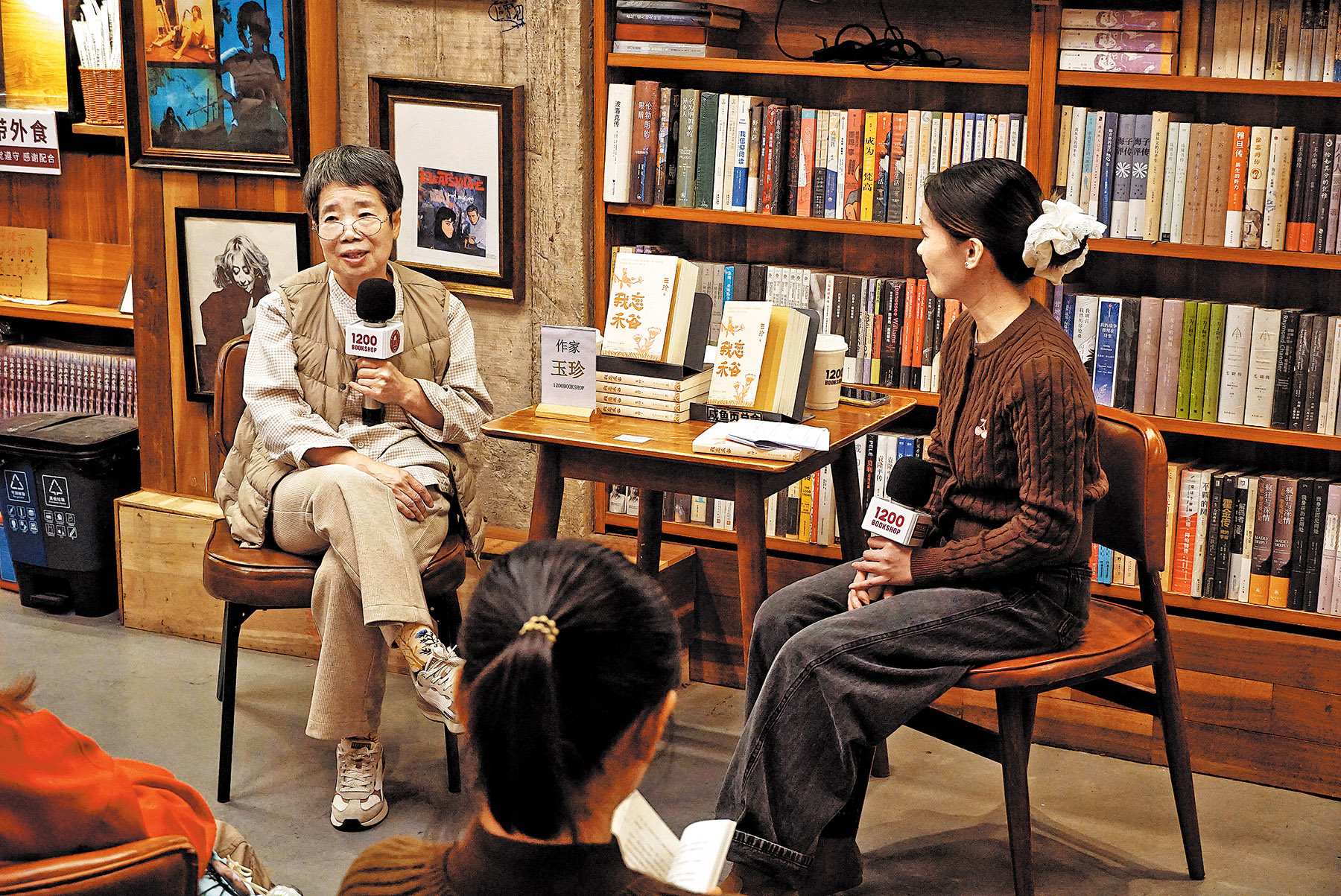
Wang Yuzhen, 70, who lives alone in Tangshan, Hebei province, said posting literary works online helped her overcome the sense of isolation and marginalization she felt after losing her husband.
She began writing essays on RedNote in 2023, and her account "Wo lian he gu" — literally "I love crops" — has attracted more than 110,000 followers.
Before retiring, Wang worked as a teacher and later as a public servant. "When I suddenly had nothing to do, I felt really uncomfortable and couldn't quite adjust," she said.
At first, Wang's niece helped her set up a RedNote account and suggested she watch cooking and knitting tutorials. But Wang soon found herself drawn to the platform's blend of photos and text, and decided to share her own writing instead.
She published her first essay on the eve of Mother's Day in 2023, expressing gratitude to her late mother. "I love this noisy world because my mother was here," she wrote.
The simple yet heartfelt words resonated with many readers. Hundreds of views and several encouraging comments on her first post gave Wang the confidence to continue.
"Even if no one reads my work, I would keep writing because of my passion for literature," she said. "But when people do read it, I feel that I am valuable."
By the time she published her 78th post, she had 1,000 followers.
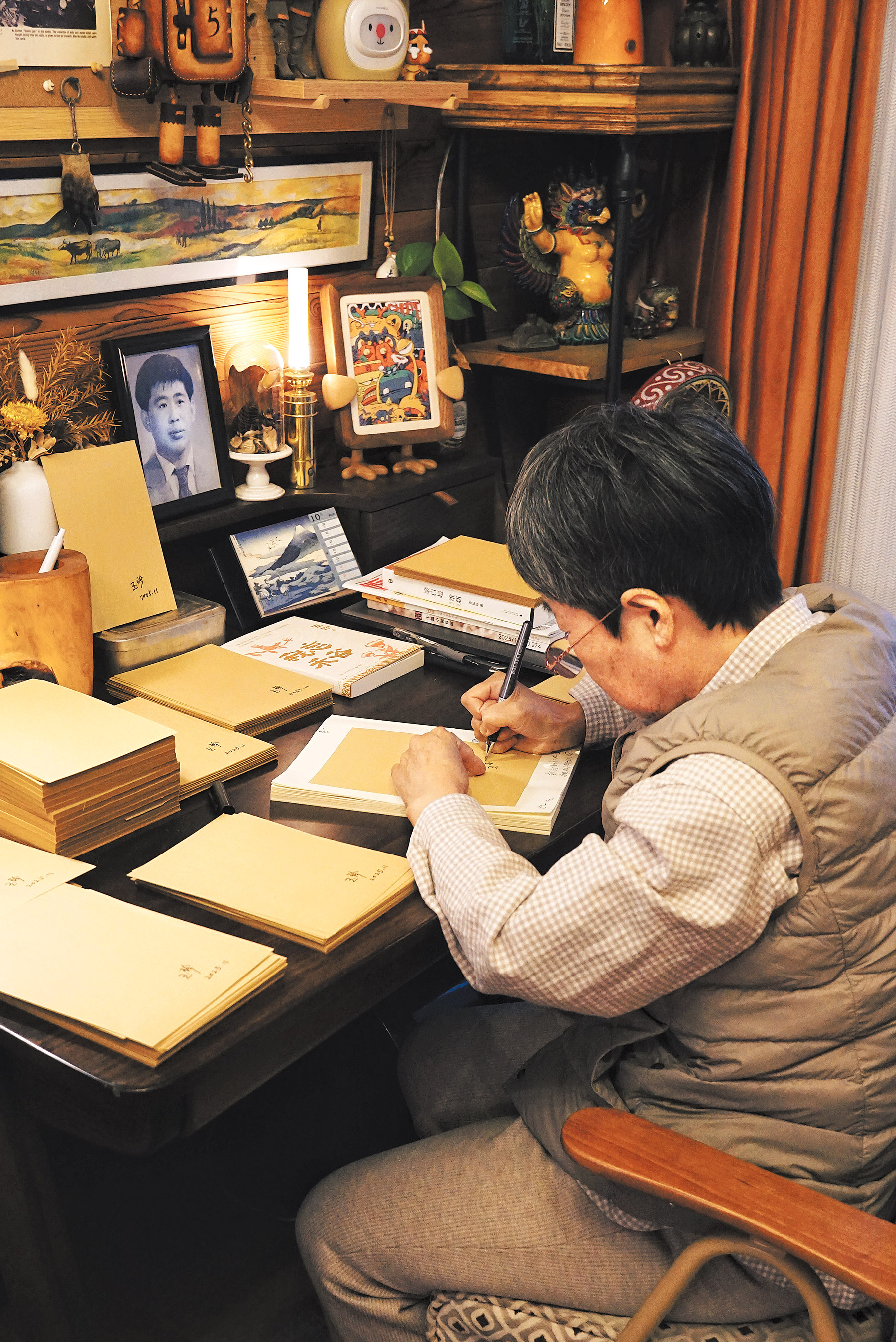
Writing has since become part of Wang's daily routine. Every afternoon, she sits at her desk, first scribbling her thoughts on paper before typing them into the computer. She said her previous office experience helped her adapt quickly to digital tools. Now, she often speaks into her phone and uses voice recognition apps to convert her words into text.
"Maybe we're slow when it comes to posting procedures," Wang added with a smile,"but at our age, we have plenty of time."
Most of her essays draw on memories of her husband, parents and grandmother. Her life experiences shape her stories, which are largely nostalgic and sympathetic, she said.
In November last year, her first book, I Love Crops, an essay collection bearing the same name as her account, was published.
"It was a turning point in my life," Wang said. She had never imagined that she would one day publish a book. For Wang, the title "author" carries significant weight as her generation looked up to literature with reverence in the 1980s.
Today, Wang is recognized as an author and has participated in book seminars across the country. She jokingly described herself as a "growth-style" blogger.
Wang said that writing and sharing her work online have enriched her inner world and given her a valuable opportunity to reflect on her life and release long-held emotions.
"I'm much busier now, but I feel happy and fulfilled," she added.
Beyond age barriers
On a platform where most users were born after 1990, senior accounts like Yuan's and Wang's are a reassuring presence and have become especially popular among younger adults.
Under their posts, users from different age groups have left comments such as "you gave me strength" and "your experience has inspired me". Many also share their small joys and personal struggles, interacting with their "elder" online friends.
When responding to young people's anxiety and confusion, Wang tells them she still feels confused at 70. "The confusion that once kept me awake at night has now become the most vivid writing," she wrote in one post.
Many readers say they find comfort in her essays. "I believe this warmth goes both ways. If my writing has ever warmed them, then their interactions with me have warmed me as well," the writer said.
As Wang realized that her words have influence, especially among younger readers, she began polishing her work more carefully before posting and even considered young people's reading habits. "Using some of young people's language is … also a way of becoming younger," she said.
Yuan's fashion vlogs have also surprised many online viewers, with some saying they hope to live as stylishly and freely as she does in their later years.
"Young people like coffee, but they might not expect that older people like me enjoy it too," Yuan said, noting that her spending habits also contradict the stereotype that seniors are necessarily frugal.
According to Du, the RUC professor, elderly accounts, shaped by the unique perspectives of their generation, present a more authentic image of older adults. This helps younger people pay greater attention to this age group and deepen their understanding of life in old age.
After retirement, many seniors share online their professional skills and knowledge. Retired English teachers run accounts offering practical language lessons, while former doctors share information about traditional Chinese medicine.
Du pointed out that information shared by older users tends to have greater credibility with young people.
As young people follow these "elder" accounts, they can share what they learn about seniors' fashion, fitness and travel with older family members.
"It is a good thing that more older people are willing to express themselves online, which enables young people to understand us better and encourages them to spend more time with people our age," said Yuan, who also follows several of her peers' accounts.
Seeing people in their 90s or even age over 100 sharing their lives online has inspired her as well. "Looking at it this way, I could keep doing this for at least five more years, which is quite exciting," Yuan said.
Du said that social media platforms, by offering diverse forms of communication, have expanded the reach of older adults and helped them engage in more online interactions. This gives them a stronger sense of accomplishment and motivation to continue creating and participating, he said.
"As more senior users engage online in various ways, the boundaries between age groups will gradually narrow rather than widen," Du said.
Aging with fulfillment
"For a 70-year-old like me, being busy and feeling needed is a source of happiness," said Wang. "When life slows down, loneliness and confusion are amplified, and the world feels increasingly distant."
China's population aged 60 and above reached 323 million by the end of 2025, accounting for 23 percent of the total population, according to the National Bureau of Statistics. The growing size of this demographic has drawn increasing attention about ensuring their well-being.
Du noted that the lifestyle of today's elderly has shifted from simply aging with security to aging with fulfillment. Their recreational activities and consumption needs have become a key focus of the market.
Projections indicate that by 2035, China's silver economy, which refers to economic activities related to people aged 50 and above, is expected to reach 30 trillion yuan ($4.36 trillion), accounting for around 10 percent of GDP.
The silver economy is not only about how older adults spend their lives, but also about how younger generations envision their own later years, Du said.
Developing content industries, including short-video platforms, to better serve older users was included in a 2024 guideline issued by the central government to promote the silver economy. Last year, Red-Note released a user's guide for seniors to help them become familiar with the platform's main functions.
According to a report released by the China Internet Network Information Center in February, as of December 2025, China's internet penetration rate had surpassed 80 percent, with 53.7 percent of people aged 60 and above being internet users.
ALSO READ: Robotics, AI innovations put elderly care on fast track
By June last year, users over 60 accounted for about 14.4 percent of the country's total internet population, according to the center.
As some senior accounts have gone viral, the commercial value of well-known elderly influencers has been tapped as well. Some engage in profit-driven activities, such as selling products or offering online courses.
Many senior online celebrities' accounts are operated by family members or multichannel network agencies, and their videos are often professionally produced and frequently updated.
Du cautioned that elderly influencers should be especially careful when endorsing products, as their recommendations are often more readily trusted by their peers.
Social media platforms, he added, should not only make their services more accessible to senior users but also strengthen oversight of content promoted by them. "From the beginning, it wasn't about making money, but about expressing themselves and participating in society," Du said.
Contact the writers at lishangyi@chinadaily.com.cn
