

From F1 success to climbing global best cities list, there is much to celebrate
When roars from the grandstand erupted at the Shanghai International Circuit as 19-year-old Kimi Antonelli from Mercedes won his first race in Formula 1, the city was feeling the same excitement, as it embraced a flood of visitors by holding this internationally renowned pinnacle of motor sport.
Over 230,000 people poured into the Shanghai International Circuit for the 2026 Chinese Grand Prix, setting a new attendance record in two decades. As many as 79 percent of the spectators were non-local Shanghai residents and 16 percent has traveled from overseas for the event that took place earlier this month.
Carmen Paclos from Spain visited Shanghai for the first time. Not only was she impressed by the “amazing atmosphere” of the race that started on March 13, she took the liberty of enjoying a shopping spree in Shanghai.
“We went to the business district and shopped at the Adidas store. There is so much Chinese cool stuff. I saw a lot of people wearing the Adidas Chinese-style red jackets, which I think they only sell in China. I really want to get that one,” she said, holding a local milk tea — also a must-try for visitors as deemed by travel guidance.
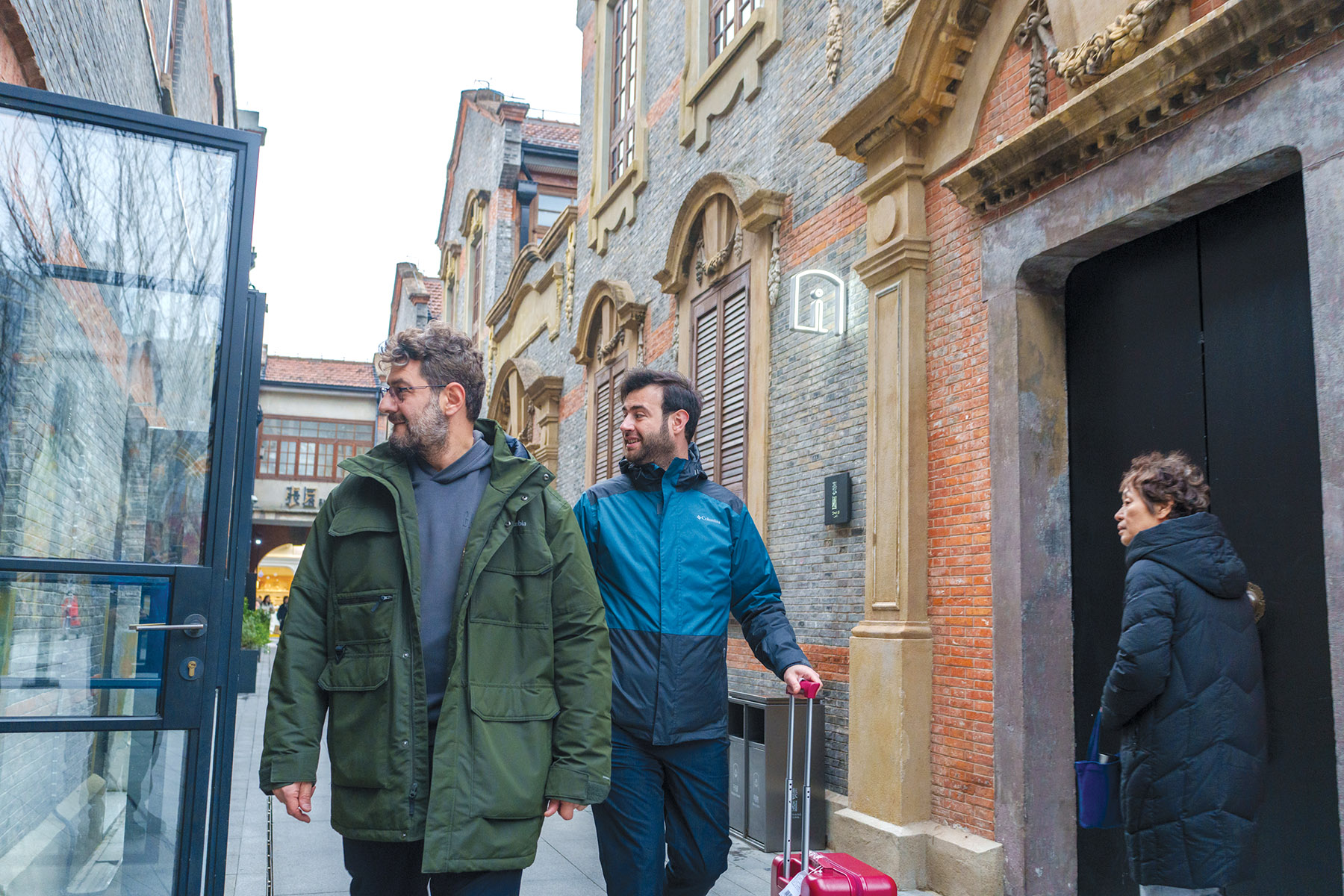
The buzz even extended to Huangpu district in central Shanghai, which is 40 kilometers away from the racing venue. The historic buildings with traditional Chinese architecture features become an ideal option for travel photography, a novel consumption model combining tourism, photography and cultural experiences which has gained rapid popularity among visitors.
Zheng Lingling works as a manager at a travel photography shop in Yuyuan Garden, a landmark spot in Huangpu district which embodies classical Chinese landscaping and bustling bazaar.
“Foreign visitors take up nearly 70 percent of our clients, mostly from Europe, Indonesia, Thailand, Japan and South Korea. Therefore, the price list has been made available in multiple languages,” she said.
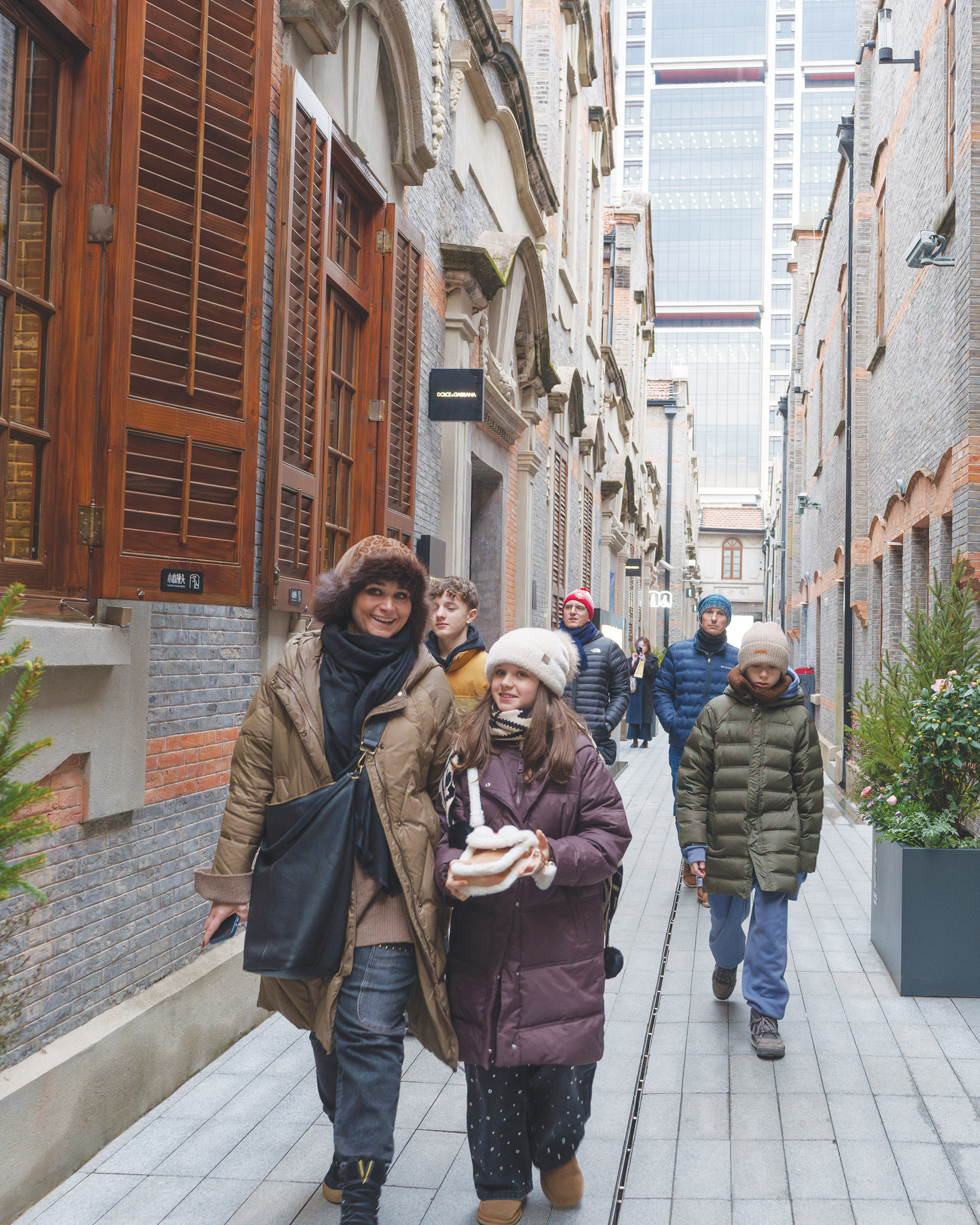
A love for Shanghai seems to be a consensus among those who have lived or visited the city. The number of foreign visitors may serve as one indicator. The city received over 9.36 million inbound visitors last year, up 39.58 percent from the 2024 level.
A more-recent indicator is the 2026 list of the world’s 50 best cities from British city culture magazine Time Out on March 11. Shanghai came in second overall, only behind Melbourne.
Shanghai received the highest overall affordability score, with 88 percent of locals agreeing that it is cheap to eat out at a restaurant and 90 percent saying the same for grabbing a coffee and going to the cinema.
It was also ranked among the most cycling-friendly cities on the list, with 78 percent of local residents saying it is easy to get around on two wheels.
Now in its 10th edition, the Time Out annual global best cities ranking was first published in 2016. Surveying 150 cities worldwide and gathering feedback of over 24,000 respondents this time, the list evaluates 44 indicators, including food, culture, nightlife, affordability, happiness and overall city atmosphere.
Shanghai ranked 17th in the 2021 edition and rose to the ninth position last year.
Sammi Sowerby, a Time Out editor, said Shanghai’s steady ascent on the list reflects the ongoing transition in regard to the international community’s understanding of China. Outdated perceptions are giving way to curiosity about China’s culture, cities and innovation.
Chinese and historic architecture coexisting with cross-disciplinary projects is one appeal of the city. For coffee lovers, Shanghai is there to satisfy their most discerning tastes, as it proudly possesses the most number of coffee shops in the world.
“You’ll likely pass multiple specialty coffee counters on a single block, with each pushing increasingly creative concoctions,” Sowerby noted.
Official data from the municipal government shows that Shanghai was already home to 9,115 cafes by the end of 2024, overtaking New York, London and Tokyo.
For coffee aficionados, there is more to look forward to, as the Shanghai International Coffee Culture Festival will be held from April 30 to May 4 along the North Bund in the northeastern part of the city. Spanning 2.3 kilometers, the festival will offer more than the aroma of coffee. More than 300 brands specializing in camping, e-sports and even intangible cultural heritage will be present, as the organizer aims to bring all-round experiences combining culture, businesses, sports and exhibition.
During an on-site survey in late January, Shanghai’s Party Secretary Chen Jining stressed that festivals and signature events held in the city should serve as key pivots to address the latest consumption trends and enrich consumption scenarios. The deeper integration of culture, businesses, sports and exhibitions should be further advanced so that the city can truly stand on the frontier of consumption, he said.
He Qi contributed to this story.
Contact the writers at shijing@chinadaily.com.cn
