

HK to leverage its financial strengths, and Macao to boost higher education
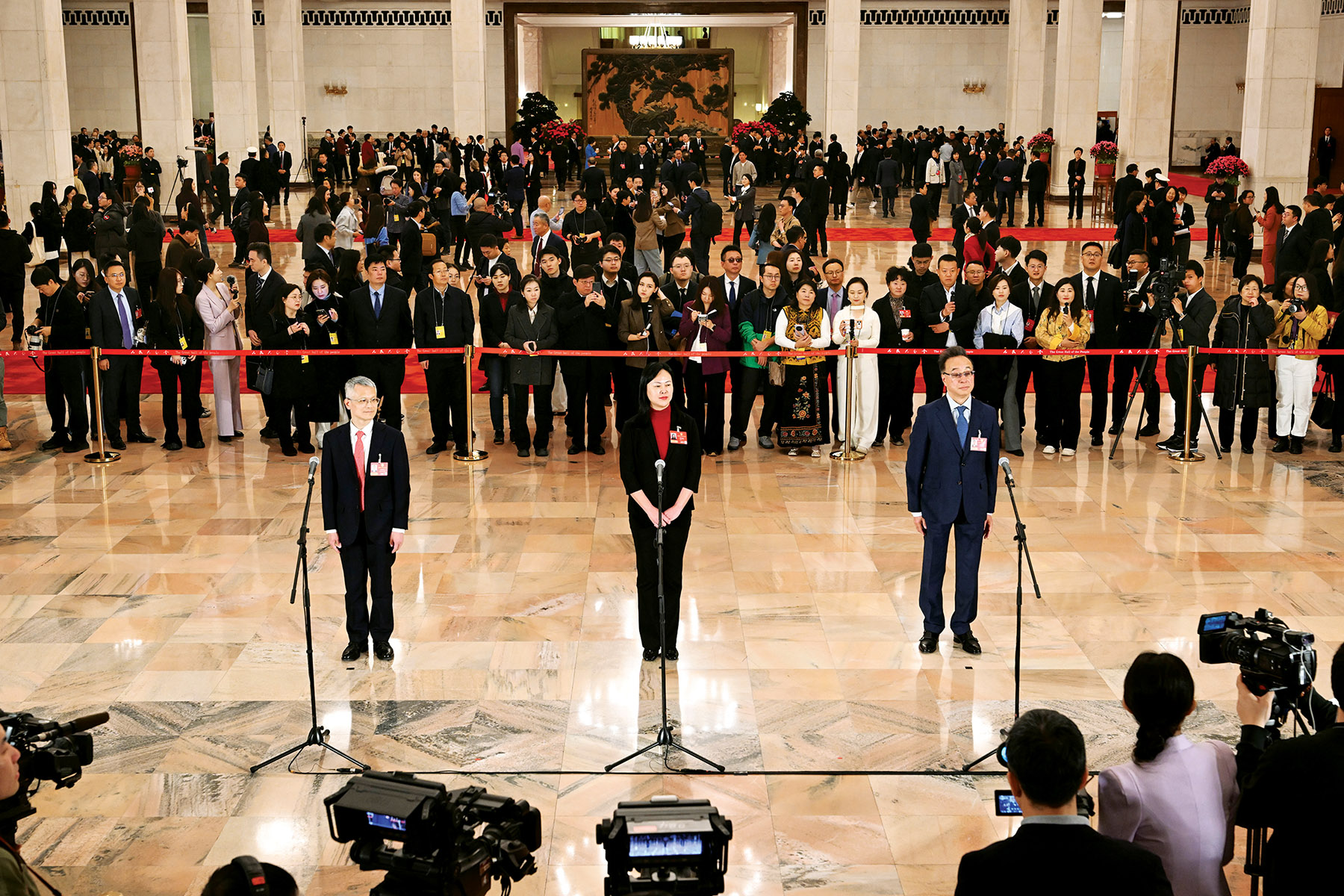
National political advisers from Hong Kong and Macao have pledged that the two special administrative regions will capitalize on the opportunities presented by the nation’s 15th Five-Year Plan (2026-30) “without delay”, promoting deeper integration into national development to unlock greater growth potential for both regions.
They made these remarks during the Members’ Passage — a high-profile group interview during the fourth session of the 14th National Committee of the Chinese People’s Political Consultative Conference (CPPCC). The weeklong session, part of the national two sessions, concluded on Wednesday morning at the Great Hall of the People in Beijing.
“Aligning with the nation’s 15th Five-Year Plan, Hong Kong SAR must seize the moment without delay. It is the city’s duty to better integrate itself into the country’s overall development,” said Tu Haiming, vice-chairman of the Committee on Liaison with Hong Kong, Macao, Taiwan and Overseas Chinese of the CPPCC.

Tu said Hong Kong can contribute to the 15th Five-Year Plan with its unique strengths. With rich international market experience, the city can serve as a launchpad for Chinese mainland enterprises going global.
ALSO READ: Two sessions building a more sustainable future
Its status as a leading financial center can also support innovation and technology industries by “injecting more financial momentum” into new quality productive forces, he said. Its institutional strengths and green finance expertise can also drive the nation’s high-level opening-up, external reforms, and institutional opening-up and attract global capital to support the mainland’s green projects, Tu added.
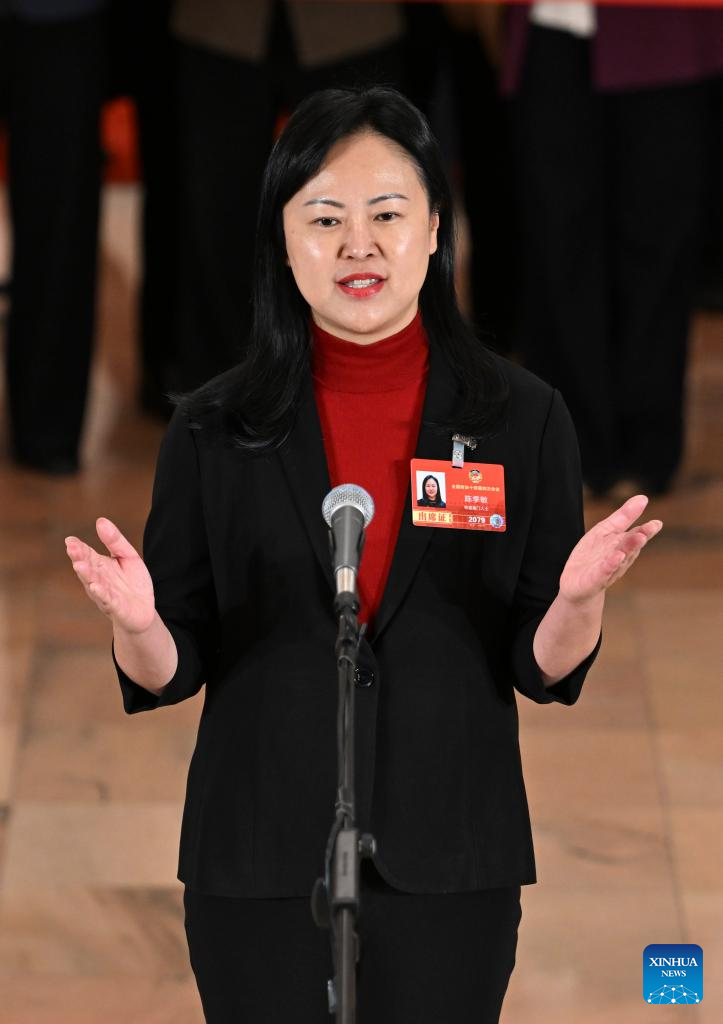
Chen Jimin, a Macao member of the National Committee of the CPPCC and vice-chairwoman and secretary-general of the university council at the Macau University of Science and Technology, highlighted the city’s progress in higher education, particularly in scientific research and innovation.
She said that since Macao’s return to the motherland in 1999, higher education enrollment has surged, with the number of university researchers skyrocketing from 13 to 1,773. The city now hosts four State key laboratories, spanning fields such as traditional Chinese medicine, microelectronics, smart city of internet of things, as well as lunar and planetary science.
ALSO READ: SARs urged to contribute to national goal
Chen added that Macao is able to raise a new generation of young scientists, with an increasing number of top international scientists establishing themselves in the Guangdong-Hong Kong-Macao Greater Bay Area. The SAR is shaping into an international talent highland, aligning with the goals outlined in the draft of the 15th Five-Year Plan.
Kingsley Wong Kwok, a Hong Kong lawmaker and national political adviser, told China Daily that he was most impressed by the 15th Five-Year Plan’s clear strategic direction and robust support for Hong Kong. As Hong Kong drafts its first five-year plan, he pledged to work with the executive branch to align it with the national blueprint, promote economic growth, and improve residents’ livelihoods.
Wong also praised the mainland’s tech and machinery progress, expressing hope that Hong Kong can advance in these areas to fuel economic transformation and upgrades.
READ MORE: Five-Year Plan: Hong Kong cannot afford to wait
John Lee Chi-kin, a CPPCC National Committee member and president of the Education University of Hong Kong, highlighted education as a key strength the city can contribute to national development. He added that both public and private universities, as well as its primary and secondary education system, are “excellent”.
Lee added that the development of the planned university town in the Northern Metropolis will serve as an important channel for future talent cultivation. Its success, he said, hinges on the overall planning of the Guangdong-Hong Kong-Macao Greater Bay Area and the synergy among the cities. The seasoned educator pledged to keep championing this vision.
Contact the writers at amberwu@chinadailyhk.com
