

Beijing-Tianjin-Hebei cluster steps up efforts to play strategic role in nation's high-tech push
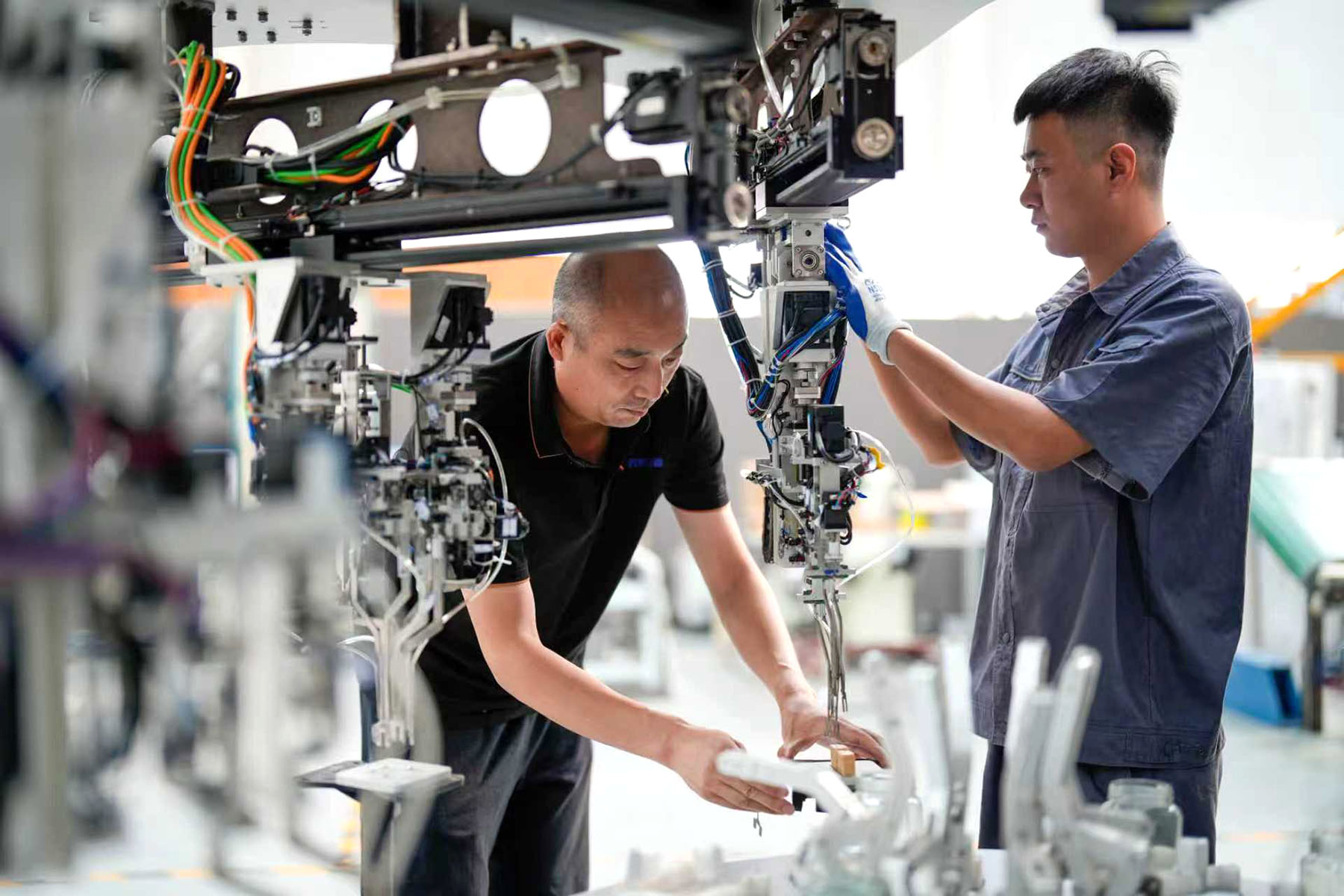
Inside a satellite assembly plant in the Xiong'an New Area in Hebei province, robotic arms perform with precise, identical movements along a production line. One arm grips a satellite component, lifts it into position, and snaps it onto a panel inching down the line.
This is where Xiong'an No 1, the first satellite made in the new area, rolled off the production line in October 2025, marking a milestone not just in manufacturing, but in the region's capacity for intelligent aerospace innovation.
For Xiong'an, it represented a leap from the concept stage to a tangible high-tech product, a proof that the city is quickly establishing itself as a hub for cutting-edge aerospace development.
Founded in January 2025, Land-Space HongQing (Xiong'an) Space Technology Co also achieved a rare industrial feat in China: registration, construction, production and satellite rollout, all done in the same year. "The speed of this project is exceptionally fast by national standards," said Shi Yaozhong, the company's general manager.
READ MORE: Beijing to boost new productive forces with Tianjin, Hebei
The company's structure also exemplifies a practical collaboration model between Beijing and Xiong'an.
"Our headquarters is in Beijing, and Xiong'an is a subsidiary," Shi explained. "Beijing handles management and R&D, while Xiong'an focuses on what we call 'pilot production'."
Pilot production happens after a product is developed, but before full-scale manufacturing. This stage is when engineers refine the production process and test technologies in real-world conditions.
Shi said the company chose Xiong'an as a base mainly because the area is prioritizing the development of the satellite internet industry. Being based there allows closer collaboration with partners across the supply chain and a better understanding of customer needs.
"Those needs can be reflected immediately during the pilot-production stage, helping us continuously improve the product," he said.
Ni Yuefeng, Party secretary of Hebei and a deputy to the 14th National People's Congress, said Xiong'an is strengthening its innovation capacity, with more than 60 upstream and downstream companies now clustering in the aerospace information and satellite internet sectors.
"High-end industries such as artificial intelligence and new materials are also being nurtured, and the city's innovation atmosphere is becoming stronger while its popularity continues to grow," he said, according to Xinhua News Agency.
Hebei is deepening coordinated innovation and industrial cooperation with Beijing and Tianjin while actively integrating into the Beijing (Beijing-Tianjin-Hebei) International Center for Science and Technology Innovation.
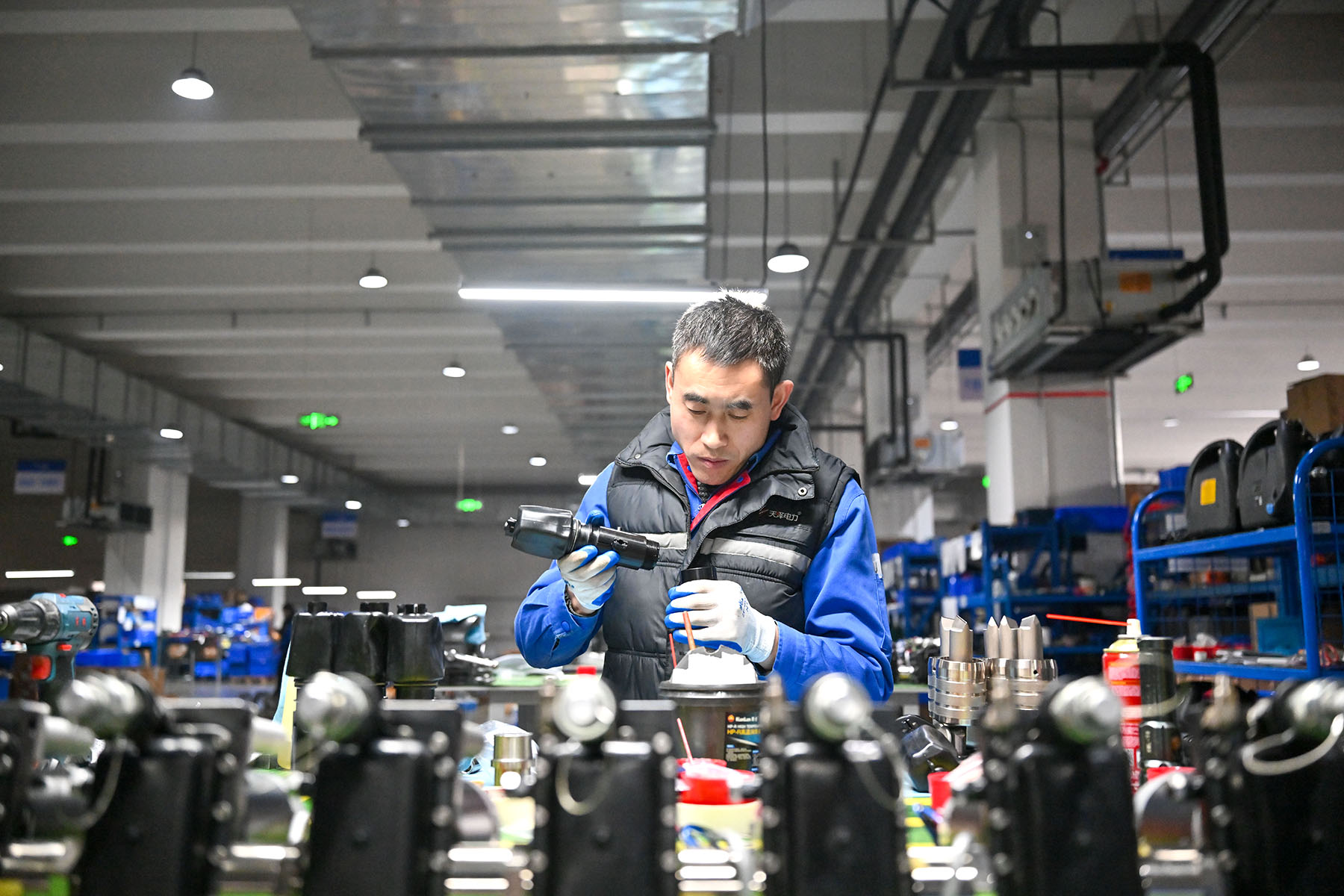
Six industrial chains — including robotics, new energy and intelligent connected vehicles — along with five clusters such as life and health, and safety emergency equipment, are gaining momentum across the province.
Beijing has been accelerating the transfer of scientific and technological achievements across the region, data from the Beijing Municipal Commission of Development and Reform shows.
In 2025, the value of technology contracts flowing from Beijing to Tianjin and Hebei reached 99.61 billion yuan ($14.44 billion). During the 14th Five-Year Plan (2021-25) period, the cumulative value exceeded 320 billion yuan, 1.7 times that of the previous five-year plan period.
This year marks the 12th anniversary of the coordinated development strategy for the region. According to the Beijing Municipal Commission of Development and Reform, the combined GDP of Beijing, Tianjin and Hebei reached nearly 12 trillion yuan in 2025, up 5.4 percent year-on-year, and 0.4 percentage points higher than the national average. The region has continued to show strong momentum in more innovation-driven and higher-quality growth.
Science and technology innovation has become a central pillar of that transformation. In recent years, national policies have placed greater emphasis on strengthening cross-regional innovation cooperation in the Beijing-Tianjin-Hebei region, with technological collaboration highlighted as a key driver of long-term, high-quality development.
In the Government Work Report delivered on Thursday at the opening of the fourth session of the 14th National People's Congress, China's top legislature, in Beijing, Premier Li Qiang reiterated China's push to strengthen self-reliance in science and technology and deepen the integration of technological and industrial innovation.
The report also called for developing Beijing and the broader Beijing-Tianjin-Hebei region, alongside the Yangtze River Delta and the Guangdong-Hong Kong-Macao Greater Bay Area, into international centers for scientific and technological innovation and turning them into world-class engines of innovation.
The idea was first raised in December 2025, when the Central Economic Work Conference proposed expanding the "Beijing International Center for Science and Technology Innovation" into the broader "Beijing (Beijing-Tianjin-Hebei) International Center for Science and Technology Innovation".
"This is a major adjustment of the national innovation system," Yi Tong, director of the Beijing Academy of Science and Technology's innovation and development strategy research institute and an NPC deputy, told Beijing Daily. "Beijing-Tianjin-Hebei now forms one of three strategic hubs for national technological innovation."
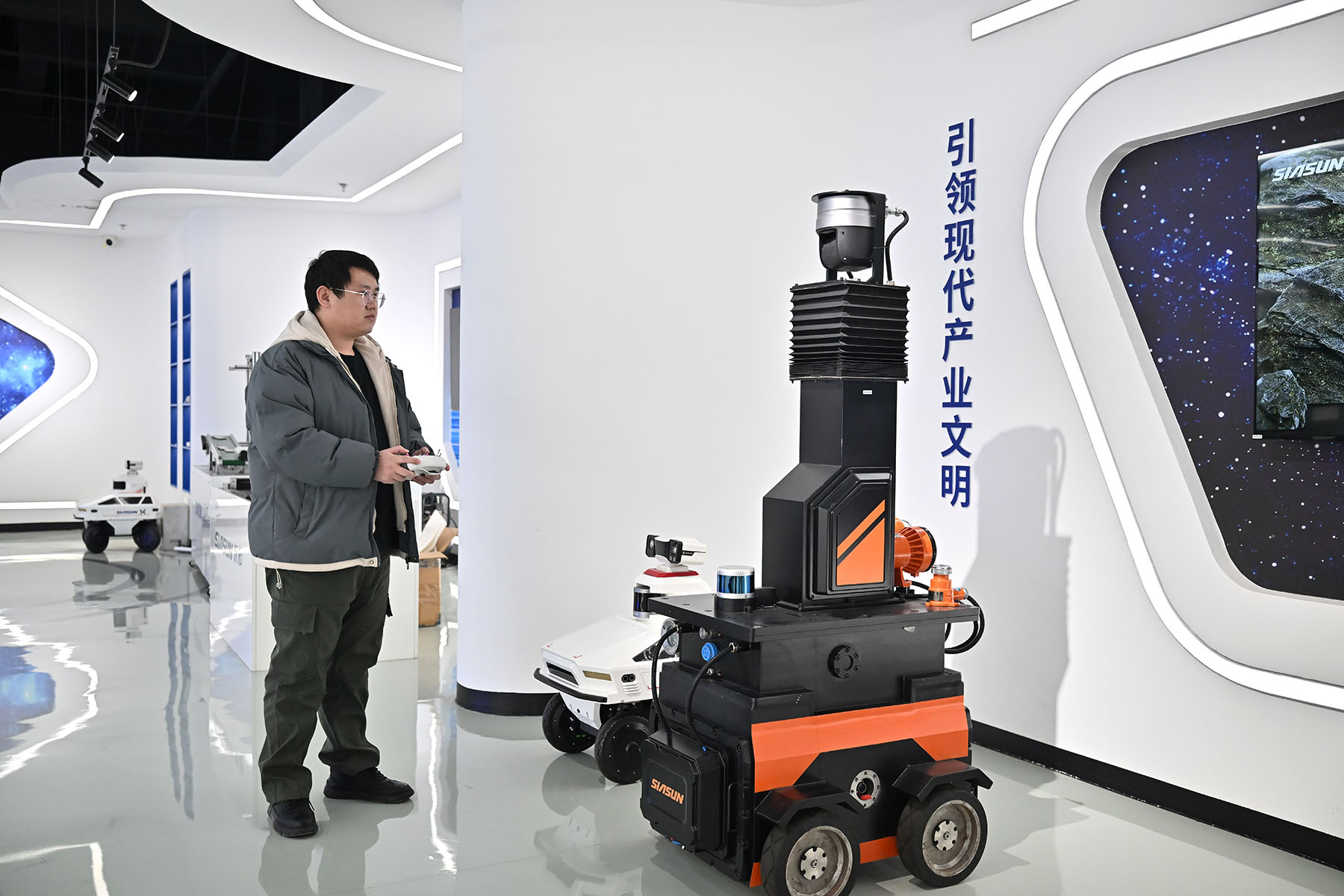
The expanded framework is expected to move beyond the earlier one-way model of "Beijing research and Hebei application", she said. A more resilient innovation triangle will be fostered, in which Beijing focuses on fundamental research, Tianjin supports technology transfer through its advanced manufacturing base, and Hebei provides large-scale industrial application and validation scenarios, she said.
"This marks a new stage for the coordinated development of the Beijing-Tianjin-Hebei region," Yi said.
Tianjin is positioning itself as a key node in this regional innovation system.
Ming Dong, vice-president of Tianjin University and a member of the National Committee of the Chinese People's Political Consultative Conference, the nation's top political advisory body, told Tianjin Daily that the city will leverage its location and strong academic resources to concentrate innovation factors, accelerate technology commercialization, and advance the industrialization of emerging technologies such as brain-computer interfaces and biomanufacturing.
Beyond national policy signals, the push for deeper regional innovation cooperation is also reflected in a new round of top-level planning for the capital region.
China released the spatial coordination plan for the modern capital metropolitan area (2023-35) in early February, the country's first metropolitan-area development plan approved by the CPC Central Committee and the State Council, China's Cabinet.
Xia Linmao, executive vice-mayor of Beijing, said at a news conference on Feb 12 that the capital metropolitan area will further strengthen science and technology collaboration in its core regions.
Efforts will focus on developing new quality productive forces along the Beijing-Tianjin and Beijing-Xiong'an corridors. The Beijing-Tianjin-Xiong'an innovation triangle will also be cultivated to reinforce the Beijing-Tianjin-Hebei region's role as a key driver of high-quality development.
By 2030, the framework for an "innovation triangle" linking Beijing, Tianjin and Xiong'an is expected to take shape. By 2050, the Beijing-Tianjin-Xiong'an region is envisioned becoming an important area driving innovation-led economic growth and leading high-quality regional development, according to the plan.
The vision is already attracting high-tech enterprises seeking to scale up advanced manufacturing and technological applications.
"We are very optimistic about Xiong'an's strategic role in the capital metropolitan area," said Shi Yaozhong of LandSpace HongQing (Xiong'an) Space Technology Co.
"Our goal is to achieve breakthroughs in production models, technology integration and management systems, enabling satellite manufacturing to shift from traditional single-unit production to intelligent mass production," he said. "Xiong'an will become an important base supporting China's large-scale satellite constellation development."
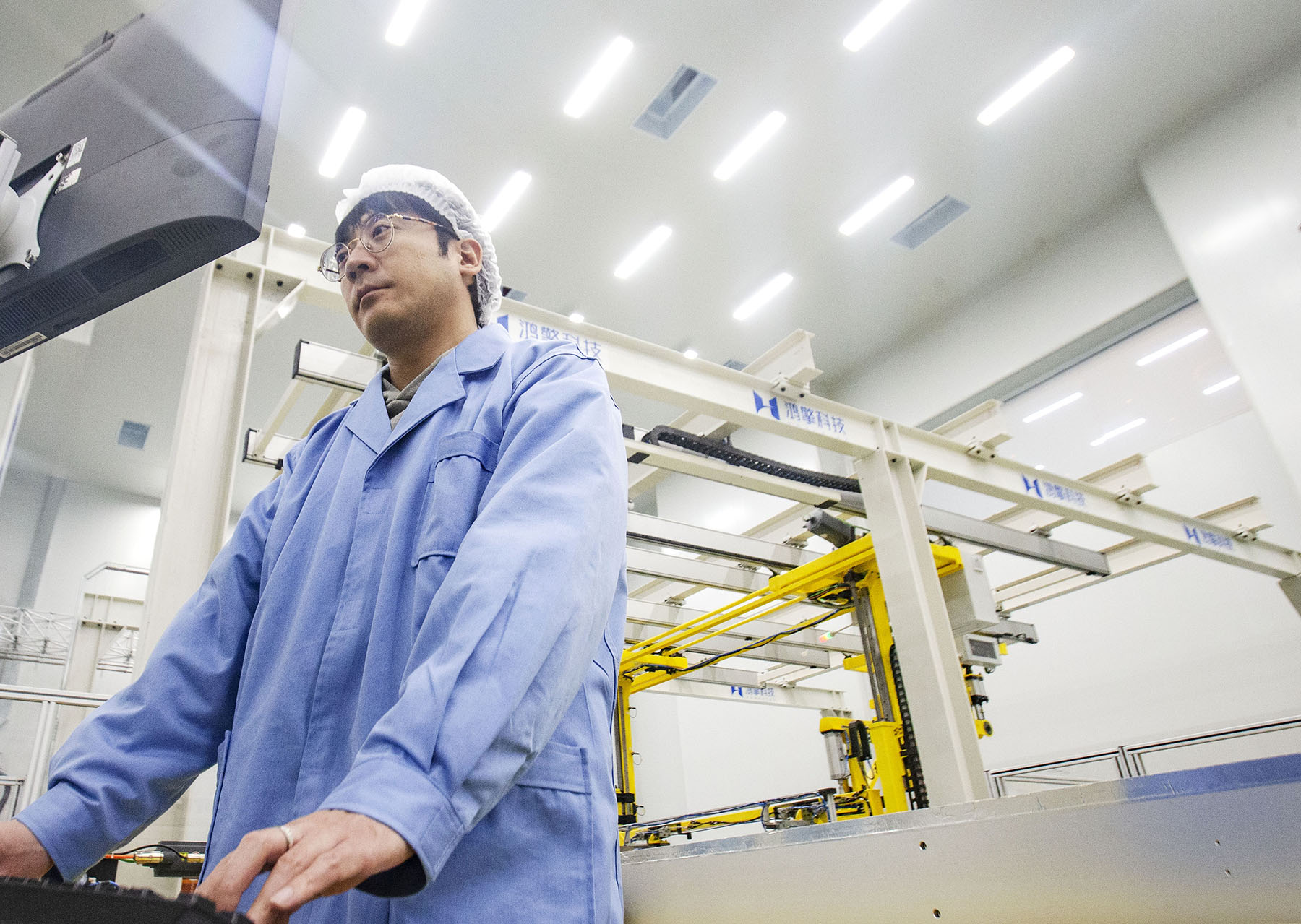
Robotic industry advanced
The Beijing Municipal Commission of Development and Reform has also emphasized strengthening cross-regional innovation and industrial coordination, improving the technology commercialization system, and accelerating the development of the region's robotics industry chain.
The initiative aims to enhance the regional robotics ecosystem and promote industrial upgrades across the region.
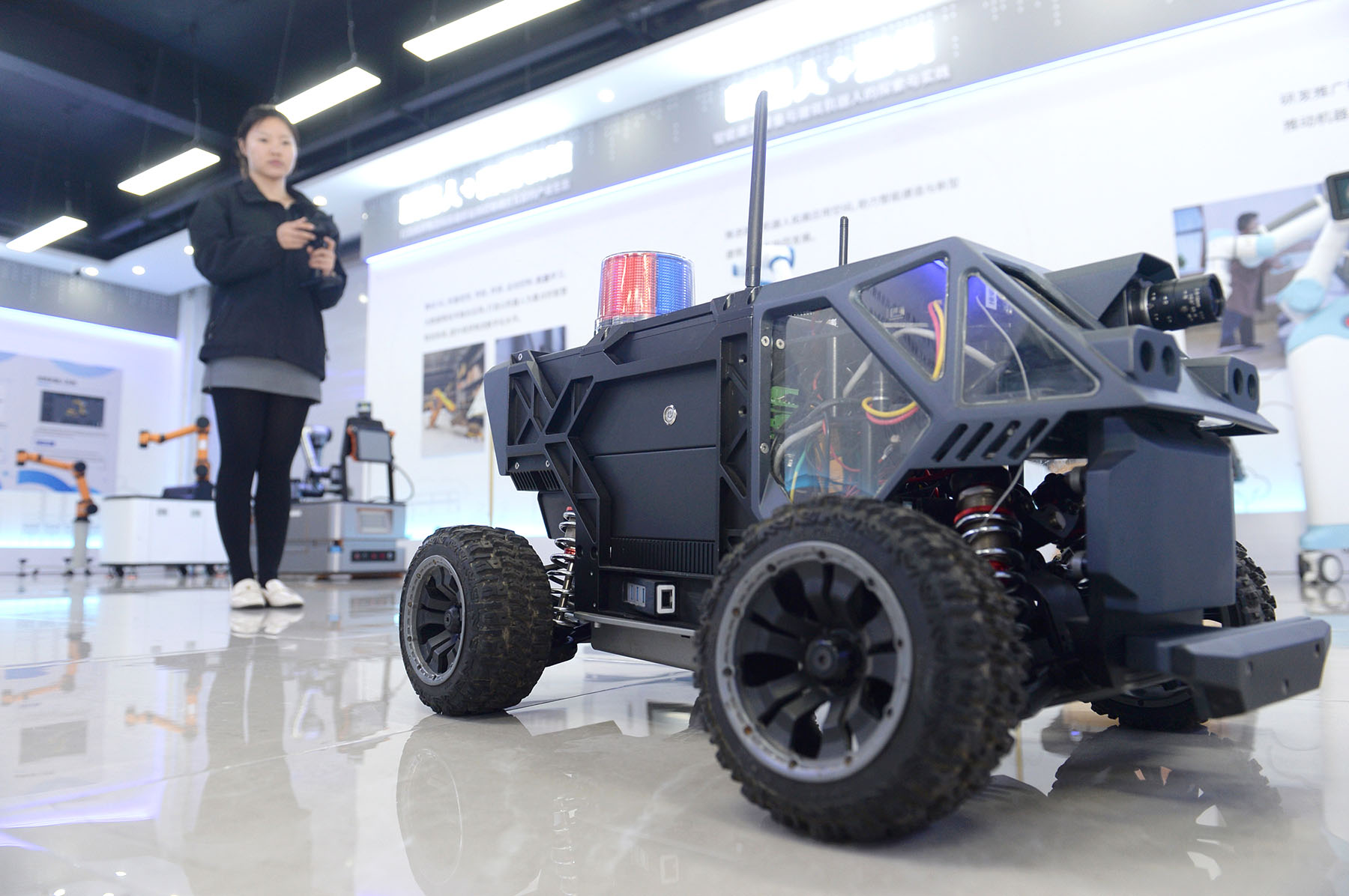
A key step has been the launch of the Zhongguancun Robotics Innovation Center in Tangshan, Hebei. The center bridges Beijing's R&D capabilities with Tangshan's industrial base and serves as a pilot platform for translating advanced robotics technologies into practical, locally adapted solutions.
Tangshan was chosen for its robust industrial foundation, strategic location within the capital's one-hour transport circle, and growing clusters of robotics-related enterprises. The center complements Beijing's focus on core R&D by acting as a conversion and pilot hub.
"Our goal is to build a platform where Beijing's research results can be adapted to Tangshan's industrial reality, addressing real production challenges while promoting regional technology adoption and industrial upgrading," said Meng Yang, general manager of the Tangshan center.
A prime example is Hebei Huatong Wires and Cables Group, a traditional cable manufacturer facing high-intensity, high-risk production tasks. Previously, workers had to carry aluminum wire blocks weighing 20 to 30 kilograms while wearing 5-kg heat-resistant suits in 80 C furnaces.
Sweat soaked through in just a few minutes, and daily handling of these blocks rarely exceeded four hours due to the extreme physical strain.
The Tangshan center designed fully enclosed safety chambers equipped with air conditioning and heat-insulating panels, allowing continuous robotic operation for up to eight hours with a failure rate below 1 percent.
"Now, you just press a button, and the robot does the work!" Meng said, adding that this automation not only removes workers from dangerous conditions and improves product quality, but also dramatically increases efficiency.
To support international deployment, the system was adapted to meet overseas standards. For the company's factory in South Korea, the center added infrared warning systems and emergency stop interlocks, successfully passing local safety certification.
"Every solution is customized for a specific production scenario, both domestically and internationally,"Meng said, adding this highlights the center's role in bridging Beijing's R&D capabilities with real-world industrial applications.
Innovation ecosystem
While progress across the Beijing-Tianjin-Hebei region is evident, structural challenges remain.
Yi, from the Innovation and Development Strategy Research Institute, said cross-regional incentives are still insufficient, the technology commercialization chain is incomplete, and barriers to talent and capital mobility remain.
To address these issues, she recommended policy measures such as tax incentives to ensure stakeholders benefit from project implementation, and the establishment of high-level pilot production and concept verification centers in Hebei and Tianjin. She also recommended expanded access to education, healthcare, and housing through the Beijing-Tianjin-Hebei talent green card system to facilitate smoother movement of innovation resources.
Xiong'an has actively applied some of these strategies.
The Xiong'an Future City Scenario Expo serves as a platform to incubate, demonstrate and industrialize new technologies. Wu Haijun, office director of the expo's organizing committee, said the latest expo focuses on nine key sectors, with over 500 scenario-based demands totaling 9.29 billion yuan in ready-to-implement projects. Many technologies fill domestic gaps and meet international standards.
An illustration of innovation via the expo is the Beidou Underground Space Navigation System, developed by Beijing University of Posts and Telecommunications. The system addresses the long-standing challenge of Beidou signals not reaching underground by integrating satellite navigation with 5G indoor positioning to enable seamless tracking in subways, underground parking spots, and tunnels.
"The past five years have been about bringing Beidou from the sky to people's daily lives," said Lu Zhaoming, vice-president of the Xiong'an Aerospace Information Research Institute.
ALSO READ: China upgrades Xiong'an high-tech zone to national level
The platform's Youxin-1 indoor-outdoor continuous positioning module can monitor vehicles carrying hazardous materials and support urban safety projects. In real-world environments, it is being scaled to meet the demands of high-speed rail stations, commercial developments, and other urban scenarios.
"By testing technologies in actual settings, we can co-develop and industrialize solutions with universities, research institutes, and local governments," Lu said.
Xiong'an's proximity to Beijing, combined with strong academic support, government facilitation, and a citywide innovation ecosystem, makes it ideal for rapid technology validation and industrialization, he said.
Yang Cheng in Beijing contributed to this story.
Contact the writers at zhengjinran@chinadaily.com.cn
