

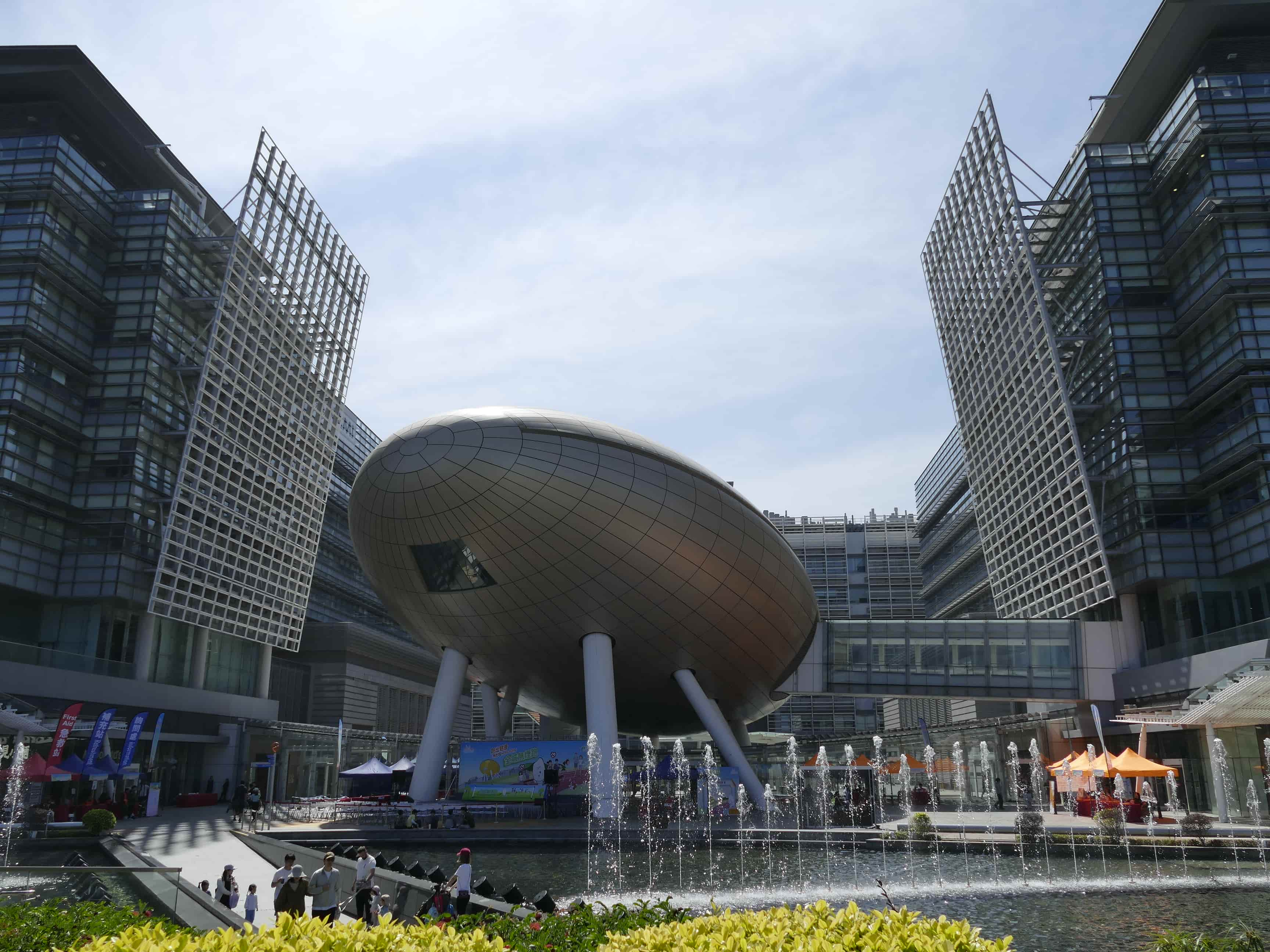
As China doubles down on technological innovation as a driver of high-quality growth, the Hong Kong Special Administrative Region is weighing how to leverage its deep capital markets and global investor base to position itself as a hub for technology finance.
Investors and lawmakers said this transformation will help Chinese technology firms overcome funding constraints and connect with international capital, while giving Hong Kong a pathway to revitalize its traditional industries.
The discussion comes as Hong Kong plans to draft its first five-year development blueprint to align with the country’s forthcoming 15th Five-Year Plan (2026-30). Hong Kong Secretary for Financial Services and the Treasury Christopher Hui Ching-yu earlier pledged the SAR government will promote deeper integration between finance and innovation and expand financing channels for sectors such as artificial intelligence and life sciences.
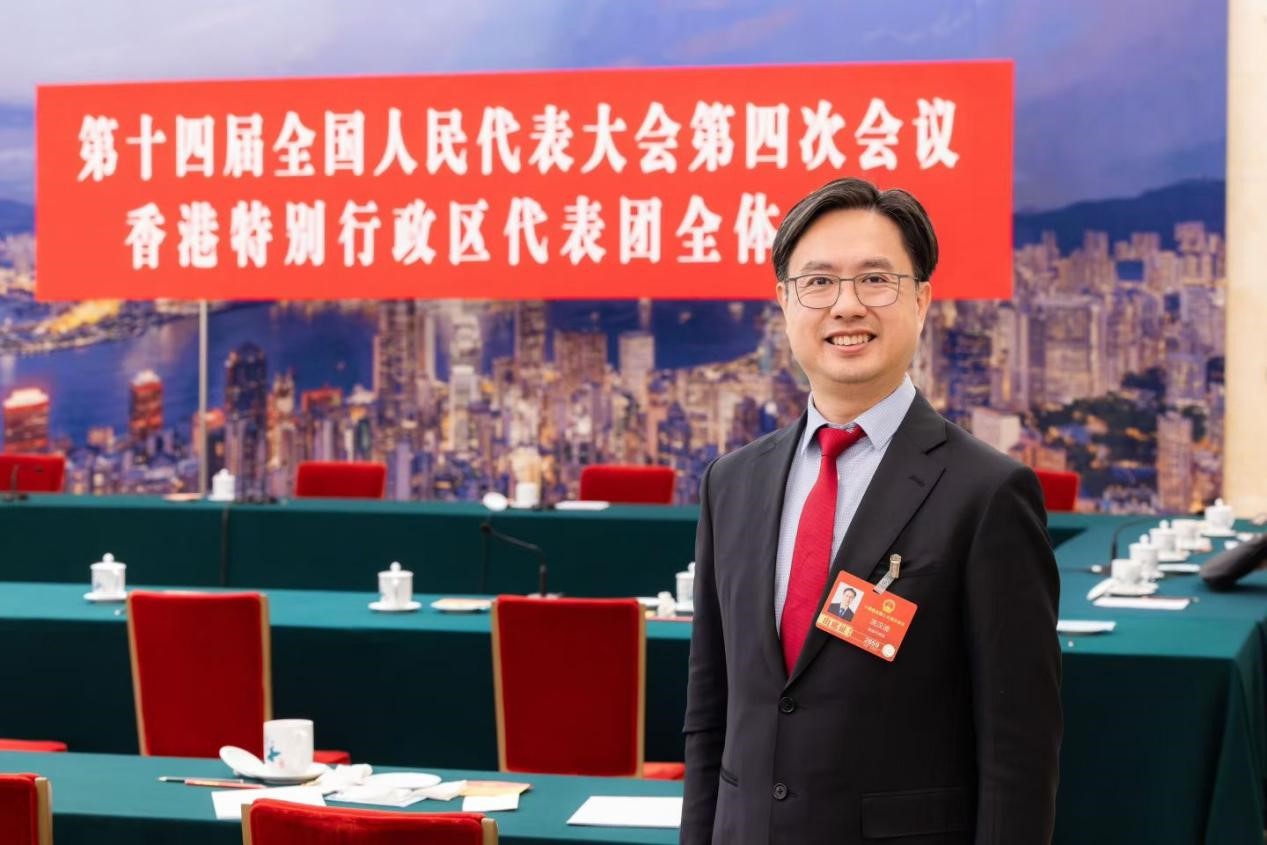
Speaking in Beijing during the fourth session of the 14th National People’s Congress, Hendrick Sin, a Hong Kong NPC deputy, said the city should strengthen its role as a “dual center” for finance and innovation, adding he hopes Hong Kong can develop disruptive AI applications in areas where it already has strengths, including financial risk management and drug discovery, and nurture more homegrown unicorn startups.
Hong Kong has rolled out a series of policy tools in recent years. The HK$10 billion ($1.28 billion) Research, Academic and Industry Sectors One-plus Scheme has approved 49 projects since its launch in October 2023, with several of them expected to enter the market in stages. Meanwhile, the HK$10 billion Innovation and Technology Industry Oriented Fund will begin operations later this year, as announced in the 2026-27 Budget in February.
Sin, also a founding partner of China Prosperity Capital, said the fund will serve as a “market signal” guiding private capital toward strategic sectors including life sciences, AI and robotics.
Officials also said they will review listing requirements for enterprises with weighted voting right structures, as part of regulatory reforms to meet technology firms’ financing needs.
Before that, Hong Kong Exchanges and Clearing Ltd has introduced Chapter 18A to allow prerevenue biotech companies to list, and Chapter 18C to accommodate preprofit specialist technology companies in sectors such as next-generation information technology and advanced materials.
The exchange is also examining listing rules to attract aerospace companies. Sin described the move as “a very forward-looking signal”, adding that the space sector is capital-intensive and technology-heavy with long development cycles, and that Hong Kong has the capacity to be a global fundraising hub if it captures the boom of the commercial space industry.
Companies listing in Hong Kong can gain access not only to local liquidity but also to a broad base of global institutional investors, Sin said. “Recognition from international capital markets is itself a powerful endorsement of corporate value,” he said.
After Hong Kong regained the top spot globally in IPO fundraising in 2025, PwC estimated that around 150 companies will go public in the city in 2026, raising between HK$320 billion and HK$350 billion. New-economy firms, particularly those under Chapters 18A and 18C, are expected to remain the focus of the pipeline.
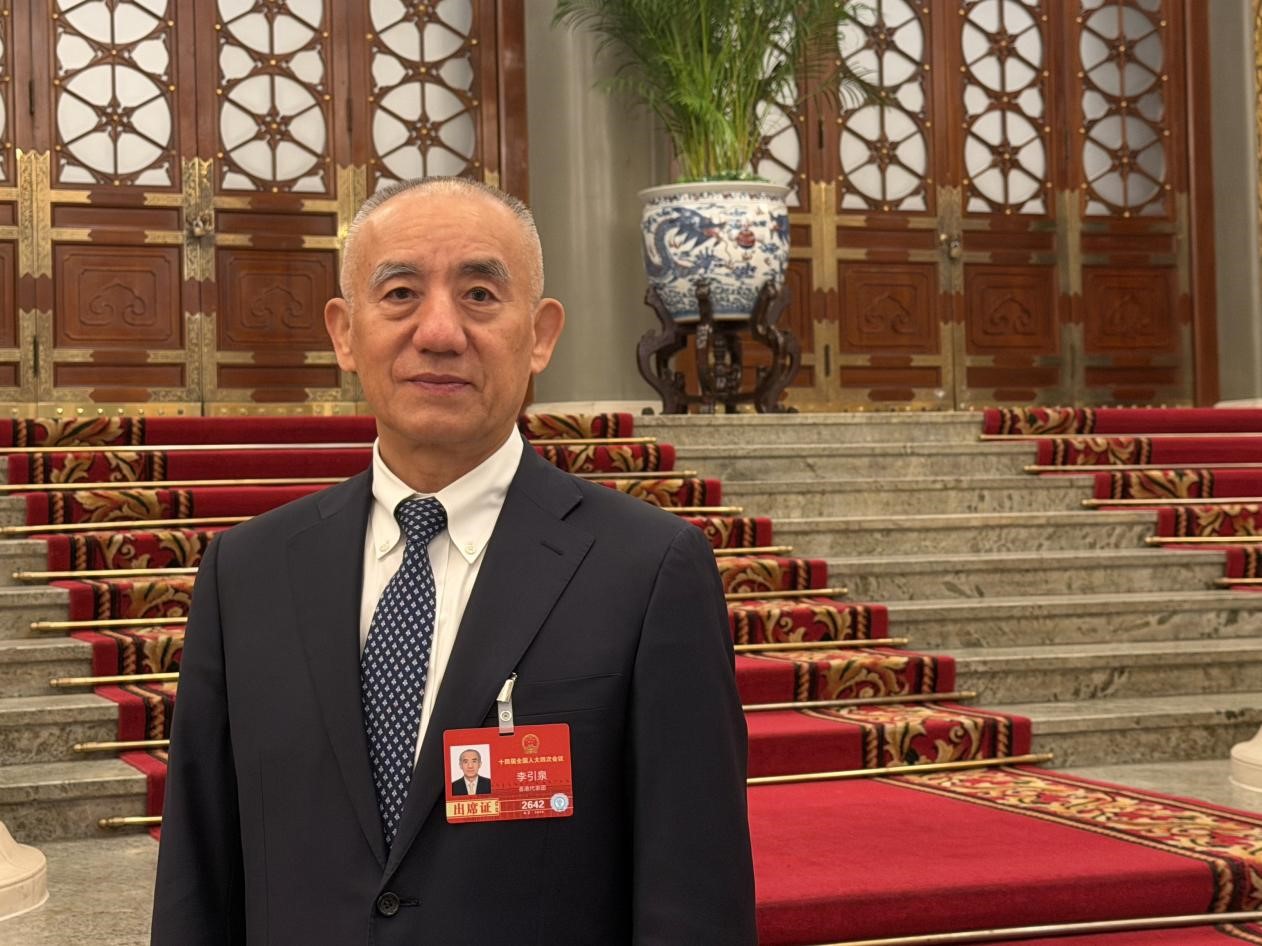
Hong Kong’s status as the world’s largest offshore renminbi hub could further support its ambitions as a technology financing center. Li Yinquan, another national lawmaker from Hong Kong and director of China Merchants Capital Investment, said he believes that strengthening the international use of the Chinese currency will expand the capital pool available for technology investment.
According to the Hong Kong Monetary Authority, the city holds the largest renminbi liquidity outside the Chinese mainland and handles more than 70 percent of global offshore RMB payments.
Li proposed establishing a comprehensive issuance and circulation mechanism of international RMB products in Hong Kong that would combine messaging functions similar to the SWIFT system with payment, trading and clearing services for offshore RMB.
The supply of RMB could be adjusted in line with international demand through such a system, gradually increasing the currency’s circulation in global markets, Li said.
He added that a deeper and more active financial market would strengthen the balance sheets of Hong Kong’s banks, investment firms and private capital funds, enabling them to channel more investment into technology companies and innovation-driven projects.
Given Hong Kong’s high land and labor costs, the city should concentrate on laboratory research, pilot production and demonstration manufacturing, while leaving mass production and supply-chain integration to the mainland, Li said.
Contact the writer at irisli@chinadailyhk.com
