

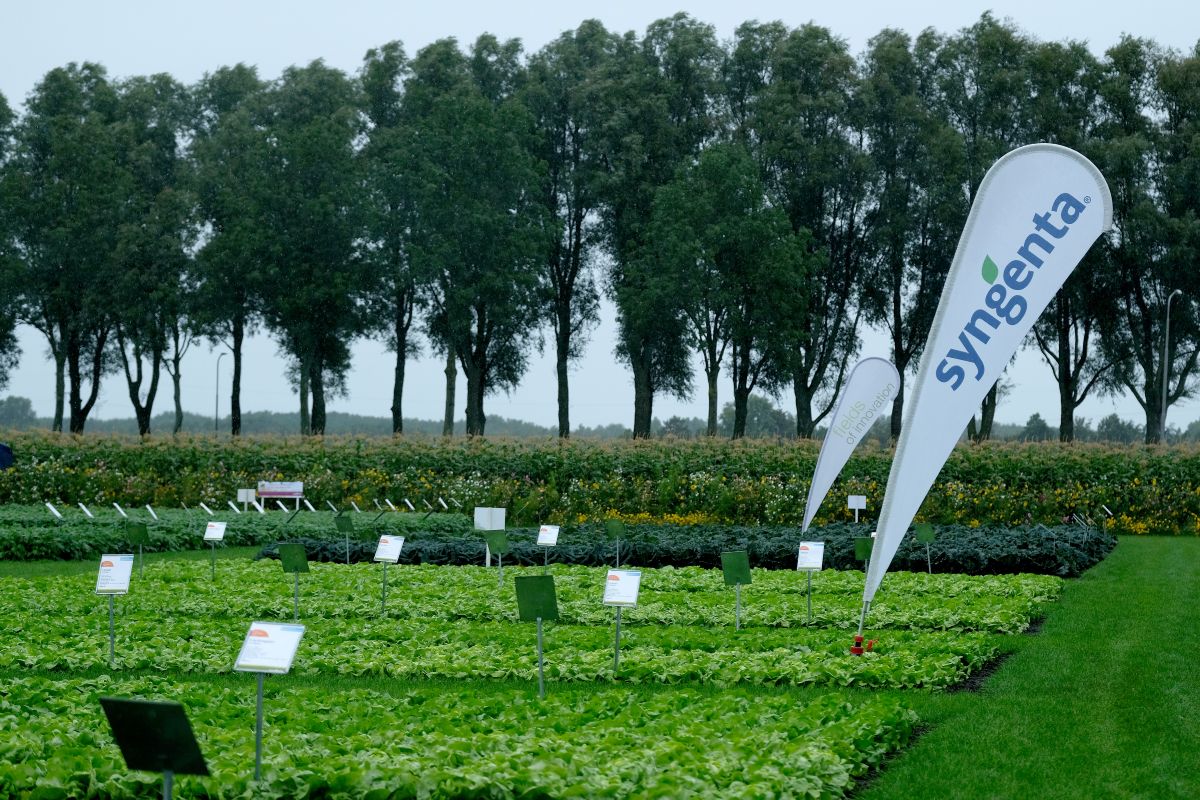
Syngenta Group’s renewed bid to go public follows a high-profile reversal.
Against a slump in Asian share sales, the Chinese-owned seed and pesticide giant withdrew its Shanghai listing application in March 2024 after a process that stretched for a few years.
Since then, Syngenta has prepared for a second attempt — this time in Hong Kong — sounding out banks including UBS Group AG, Bank of America Corp and Goldman Sachs Group Inc about a potential listing as soon as this year, Bloomberg News has reported.
The company is considering raising as much as $10 billion, which could rank among Hong Kong’s largest IPOs.
Syngenta’s board is expected to decide in the coming weeks whether to proceed and how much of the company to float. Current discussions center on selling between 10 percent and 20 percent of the shares, according to people familiar with the matter.
For investors, the IPO would offer exposure to wheat and soybean production at scale in an industry dominated by privately held players, Bloomberg Intelligence analyst Jason Miner said, calling it “a rare pure play on the corn belt.”
A Hong Kong listing would also give Syngenta access to a much wider global investor base than in Shanghai, while still allowing it to tap Chinese domestic demand via trading links between the city and mainland exchanges.
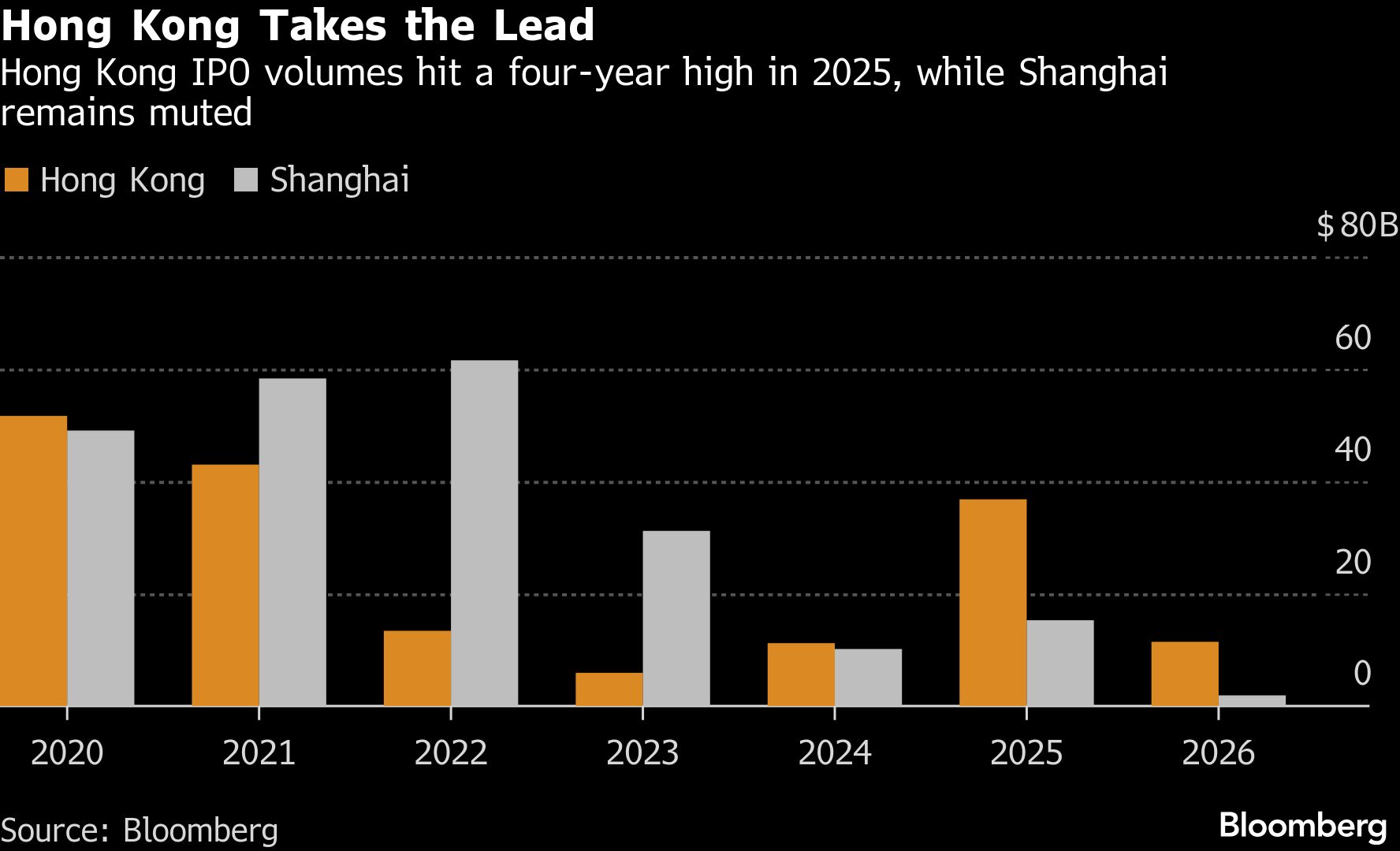
Hong Kong’s IPO market is in the midst of a boom, with proceeds hitting a four-year high in 2025. Shanghai, by contrast, has been far more subdued.
“Hong Kong is still an easier place to raise large amounts of capital,” said Han Shen Lin, China country director for business consultancy The Asia Group.
RELATED ARTICLES
- Syngenta to tackle crop impact on climate
- HK's IPO market starts year on strong note
- HK leads blockbuster year for Asia fundraising with $73b
- Funds from planned Syngenta IPO may spur farm tech
- HK regulator ramps up warnings over poor IPO filings
While Hong Kong listings of Chinese firms continue to require clearance from the mainland securities regulator, the process is generally more streamlined, Lin said. Having a behemoth list offshore provides a branding boost for state-owned enterprises such as Syngenta’s parent, Sinochem Holdings Corp, he added.
If approved, the listing would also test Syngenta’s business strategy under Chief Executive Officer Jeff Rowe, who started in his role in January 2024.
The fifth-generation farmer from Illinois, who previously headed Syngenta’s seeds and crop protection business, has reshaped parts of the Switzerland-based company, which operates in more than 90 countries and develops products including herbicides, insecticides and improved crop varieties.
Syngenta declined to comment on the IPO preparations, saying “no formal decision has been made.” In his mid-January interview with Bloomberg, Rowe said additional capital from any share sale would ultimately help reduce debt and fund investment in research and development.
“We have been very much focused on getting the fundamentals of the business right,” he said.
Growing market share
Syngenta was formed in 2000 from the agricultural divisions of Novartis AG and AstraZeneca Plc, eventually becoming one of the world’s largest suppliers of seeds and crop-protection chemicals. By the mid-2010s, however, the industry was under mounting pressure as falling crop prices, rising research costs and tighter regulation squeezed profits and drove a wave of consolidation.
Against this backdrop, China National Chemical Corp, known as ChemChina, acquired Syngenta in 2016 for $43 billion.
Switzerland, where Syngenta is weighing a secondary listing, has tightened foreign-investment screening under a new legislation which is set to take effect in 2027. Agrochemicals are not currently classified as a critical sector under the rules.
Syngenta’s sales fell 4 percent in 2023 and earnings dropped 18 percent. Crop protection — which still accounted for more than three-quarters of revenue in 2024 — faced particular pressure. The seeds business was more resilient, though it continued to require sustained investment to support growth.
Rowe said Syngenta is deploying AI across operations — from crop discovery and breeding to supply-chain management — with a goal of cutting product development timelines by 30 percent.
In the near term, the sector is poised to enter another restructuring phase: Corteva Inc is weighing a breakup, Bayer AG plans to exit the glyphosate business it inherited from Monsanto Co and BASF SE is reviewing options for listing its agricultural unit.
Amid the changes, Rowe said Syngenta is well-positioned to hold its ground.
“There’s going to be somebody that breaks out and leads, and there will be followers,” he said. “My strong intention is to be a leader in this space.”
