

A novel museum narrates how naan feeds the spirit of the people who live in the Tianshan Mountains' shadow, Erik Nilsson reports in Urumqi.
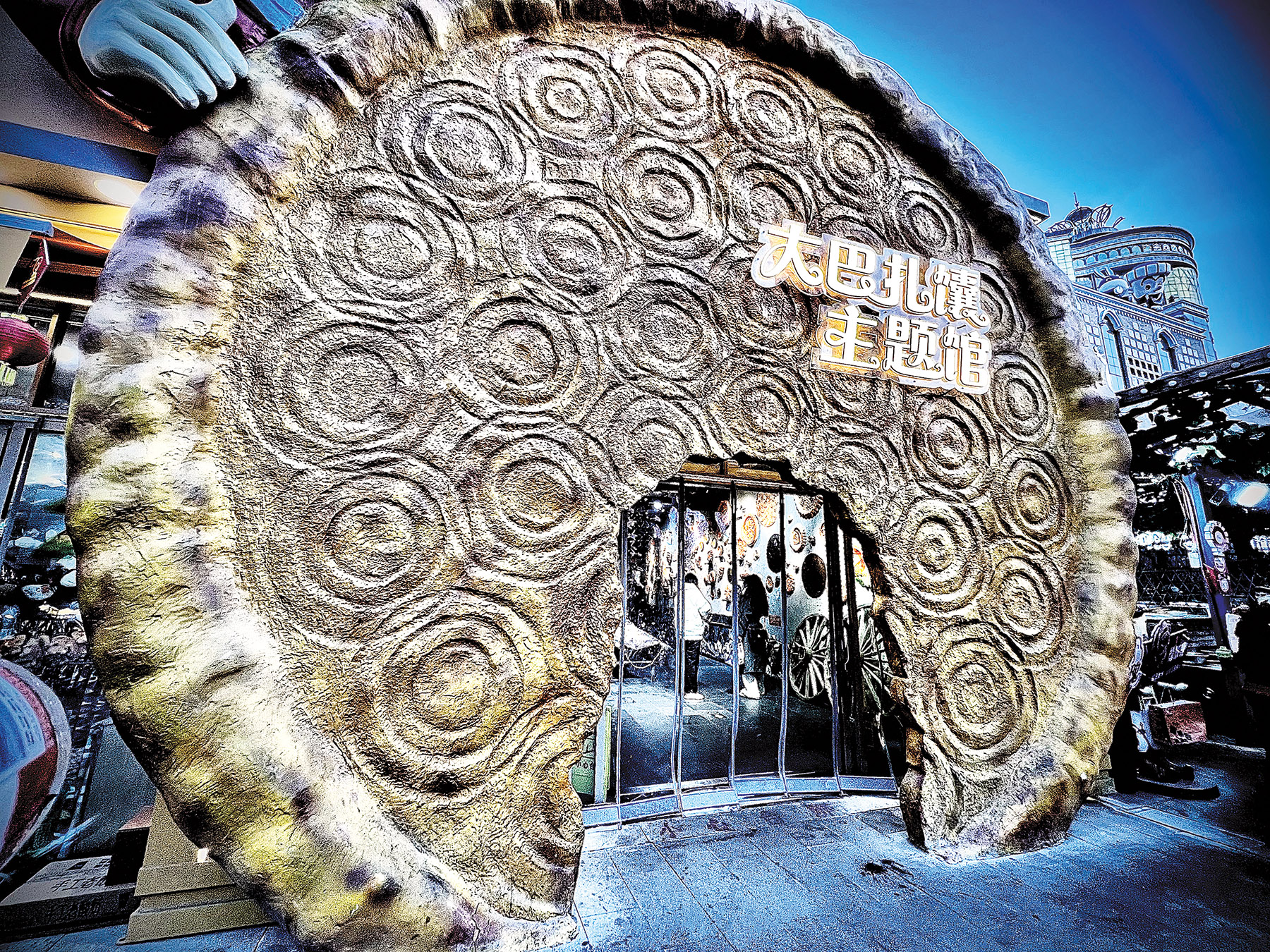
At Urumqi's Grand Bazaar, you don't just get a taste of Xinjiang culture — you can step into it, when you walk through the doorway framed by a bite taken out of the Naan House's bread-shaped facade.
Visitors to this building in the Xinjiang Uygur autonomous region's capital, also known as the Grand Bazaar Naan Culture Museum, pose for photos while standing inside the tooth marks of the missing wedge of the enormous bread disc that forms its outer wall.
Its interior presents a gallery of curated culinary art. Edible sculptures hang from the walls and rise from tabletops.
READ MORE: Concerts, exhibitions spurring holiday travel boom
They exhibit a taxonomy of naan's evolution, displaying dozens of species that have adapted to diverse shapes, sizes and textures. They're rendered as rings, rods and rectangles. Quirkier breeds appear as bunches of grapes or bouquets of roses.
Even classical circular loaves imprinted with intricate geometric patterns are works of art. Traditionally, these designs are punched into the surface using chicken quills bundled into ornate shapes, often concentric loops. They perforate the dough, so it heats evenly, while conferring a visual zing.
It's appetizing and aesthetic.
The museum shows that naan is more than just plain old foodstuff — it can be a creative canvas that fuses form and function to allow for artistic expression.
Some morsels are palm-sized. Others are bigger than manhole covers. The variety from southern Xinjiang's Kuqa, for instance, is often compared to the size of wagon wheels and is displayed next to actual wagon wheels for scale.
A standard Xinjiang breakfast is a cup of milk tea and a slice of naan.
The Naan House has devised a novel synthesis of this concept, folding what are traditionally plate-shaped provisions into crispy cups. These bready mugs brim with salty Uygur milk tea or bitter Turkish coffee brewed in an ibrik submerged in hot sand. Others cradle jiggling heaps of local yogurt or frosty orbs of ice cream bejeweled with regional fruits and nuts.
They're new pages in this bread's biography, an epic chronicle that has been inscribed in everyday life for over two millennia.
This typically circular bread represents a wheel of time cut into wedges like slices of history. The oldest surviving relic — a piece from the Tang Dynasty (618-907) — is exhibited in the Xinjiang Museum in Urumqi.
Naan was an ideal fuel to power Silk Road travel. Merchants piled it onto the backs of camels, stacking carbs like coins to bank calories they'd spend trekking barren tracts between oases.
Since it can stay fresh for up to three months in dry climates and four weeks in wetter weather, it bought traders time as they negotiated no-man's-lands. It kept them alive as they navigated the Taklimakan Desert and other parched wastelands in the western regions and beyond.
Indeed, this humble food made with flour, yogurt, sugar and yeast embodies the bounty of Xinjiang's vast territory. It mixes into a single bowl the blend of crops harvested from the region's soaring snowcaps and plunging valleys, its sallow deserts and verdant grasslands, its lush forests and fertile basins.
A 3D map charts the coordinates where field and table intersect in Xinjiang's six naan-producing heartlands, especially localities south of the Tianshan Mountains populated by ethnic Uygurs, Kazaks and Uzbeks.
Naan's variants are regional, but its prevalence is universal. An old saying in Xinjiang goes, "Better to go three days without meat than one day without naan." It is a declaration of love that begins on the tip of the tongue, passes through the stomach and settles deep in the heart.
The Naan House sells over 30 varieties handcrafted with a litany of distinctive ingredients — pumpkin flesh and seeds, chili skins, white onions, dates, peanuts, cumin, fennel, almonds, raisins and rose petals. Favorite flavors include earthy buckwheat, sesame and walnut.
Customers can watch as their fare is shaped and baked in outdoor tandoors, where dough is carefully molded like clay and forged in the heat of the kiln.
The verbs for making naan translate more like "strike" than "knead". The dough is slapped against the oven's clay wall, where it sticks and sizzles to char the crust.
True mastery in producing the perfect loaf lies in balancing not only the ingredients but also the volume and intensity of the embers pulsing at the tandoor's bottom. That's the trick that conjures the wonders these wizards pull from their magician's hats.
Although this tandoor's Chinese name, nang keng, translates as "naan pit", it's also used to roast kao baozi (meat-stuffed buns encased in a crackling skin), chickens and whole sheep. The largest pits can accommodate an entire camel.
They're a foundational cornerstone of traditional Uygur courtyards, where people eat, chat and sing beneath the shade of canopies knit by trellised grapevines.
The museum's shop will ship naan and qiegao (traditional Uygur nutcakes) to buyers' hometowns or fill WeChat orders from anywhere in the country. Visitors can even carry their purchases home in cute naan-shaped backpacks embroidered with mustachioed smiley faces.
These modern services offer swifter ways to transport this age-old staple compared with the plodding pace of camel caravans. But the notion of naan as a mobile meal endures across time and space.
And so, the journey that begins by stepping through the bite of bread comes full circle. You leave with a full stomach and take away food for thought.
ALSO READ: Silk Road soundtrack returns in full volume
The museum shows naan is much more than just daily bread.
It portrays how Xinjiang's diverse customs, landscapes and ancestry are kneaded into the region's essence. These immaterial ingredients of its immortal identity are as indivisible as the granules of flour baked into each fresh loaf.
Naan nourishes not just the body but ultimately the soul of the people who call this land home — and those who visit from afar.
Contact the writer at erik_nilsson@chinadaily.com.cn
If you go
Flavorful halal food, hearty carbs, fresh dairy, and fruits are the best eats of Urumqi, capital of the Xinjiang Uygur autonomous region. Must-try dishes include:
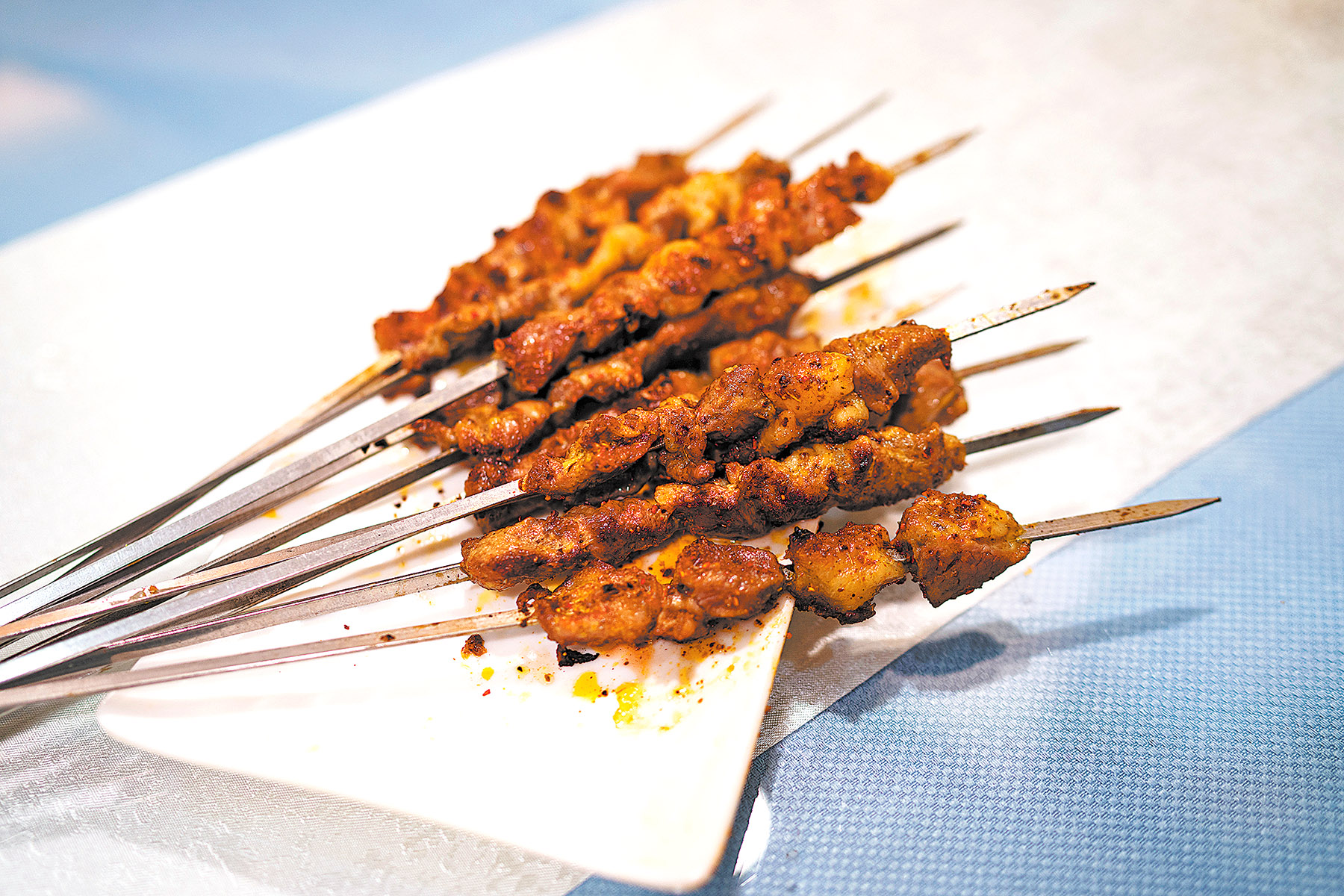
- Kebabs (lamb skewers): crispy on the outside and juicy on the inside.
- Baked bun: Naan-pit baked, flaky crust with lamb, onion and fat. Bite carefully — it's juicy hot.
- Pilaf: Fragrant rice cooked with lamb, carrots and mutton fat.
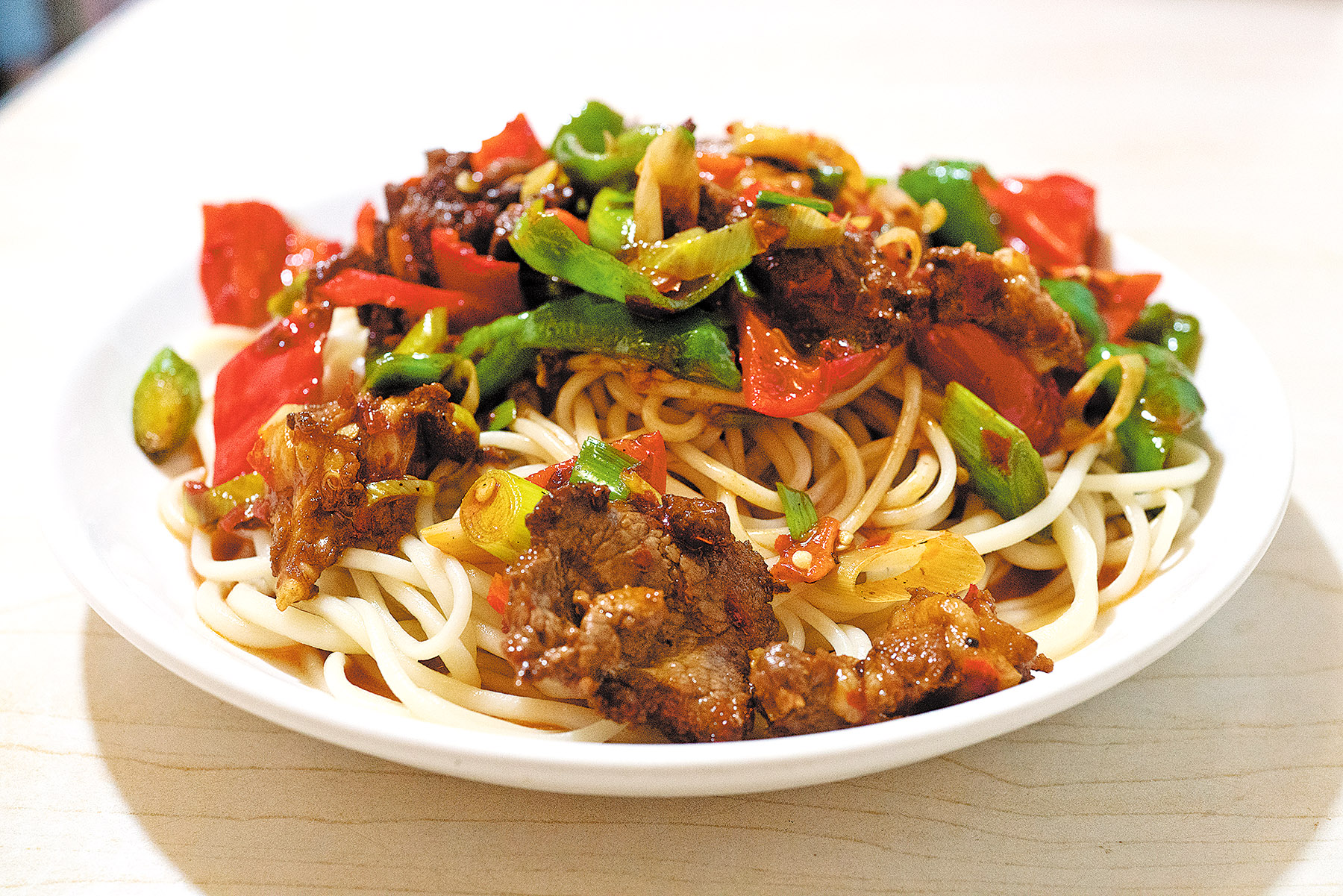
- Lamb noodles: Hand-pulled noodles with stir-fried lamb, veggies and savory sauce.
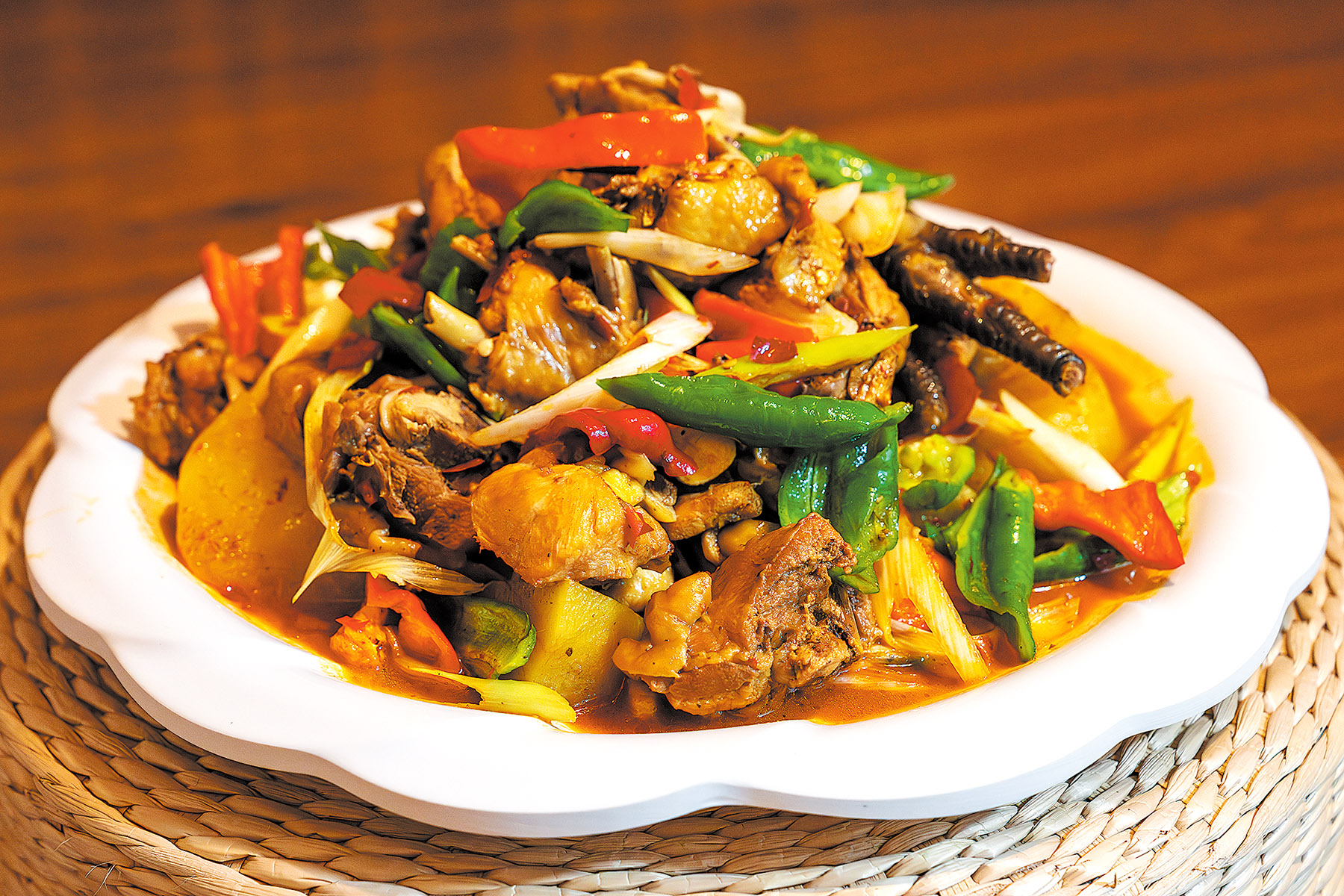
- Big plate chicken: Spicy fried chicken with potatoes.
