

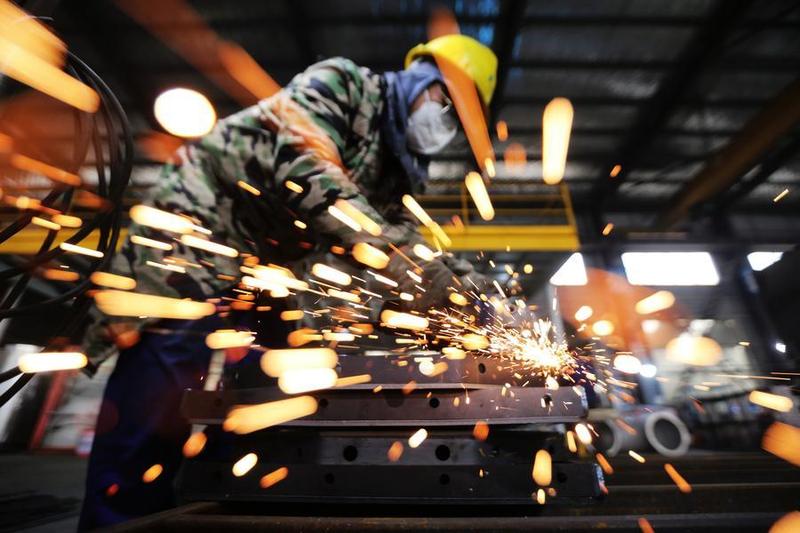
BEIJING - China's gross domestic product grew 5 percent year-on-year in 2025, meeting the annual target of around 5 percent, official data showed Monday.
China's GDP reached a record of 140.1879 trillion yuan ($20.01 trillion) last year, data from the National Bureau of Statistics revealed.
In the fourth quarter, the economy expanded 4.5 percent from a year earlier and grew 1.2 percent from the previous quarter, the bureau said.
Despite a complex domestic and external environment, the economy advanced under pressure, achieving fresh progress in high-quality development, the bureau noted.
It added that the main goals and tasks for economic and social development were fully achieved in 2025, bringing the 14th Five-Year Plan period (2021-2025) to a successful conclusion.
ALSO READ: China economy to keep growing, IMF forecasts
Facing abrupt changes in the external environment and mounting domestic difficulties and challenges, China adopted more proactive and effective macro policies, which helped offset adverse external shocks and stabilize the foundation for development amid headwinds, Kang Yi, head of the bureau, told a press conference.
"For a super-large economy like China, achieving such stable development is by no means easy amid intertwined risks and challenges," Kang said.
Industrial output
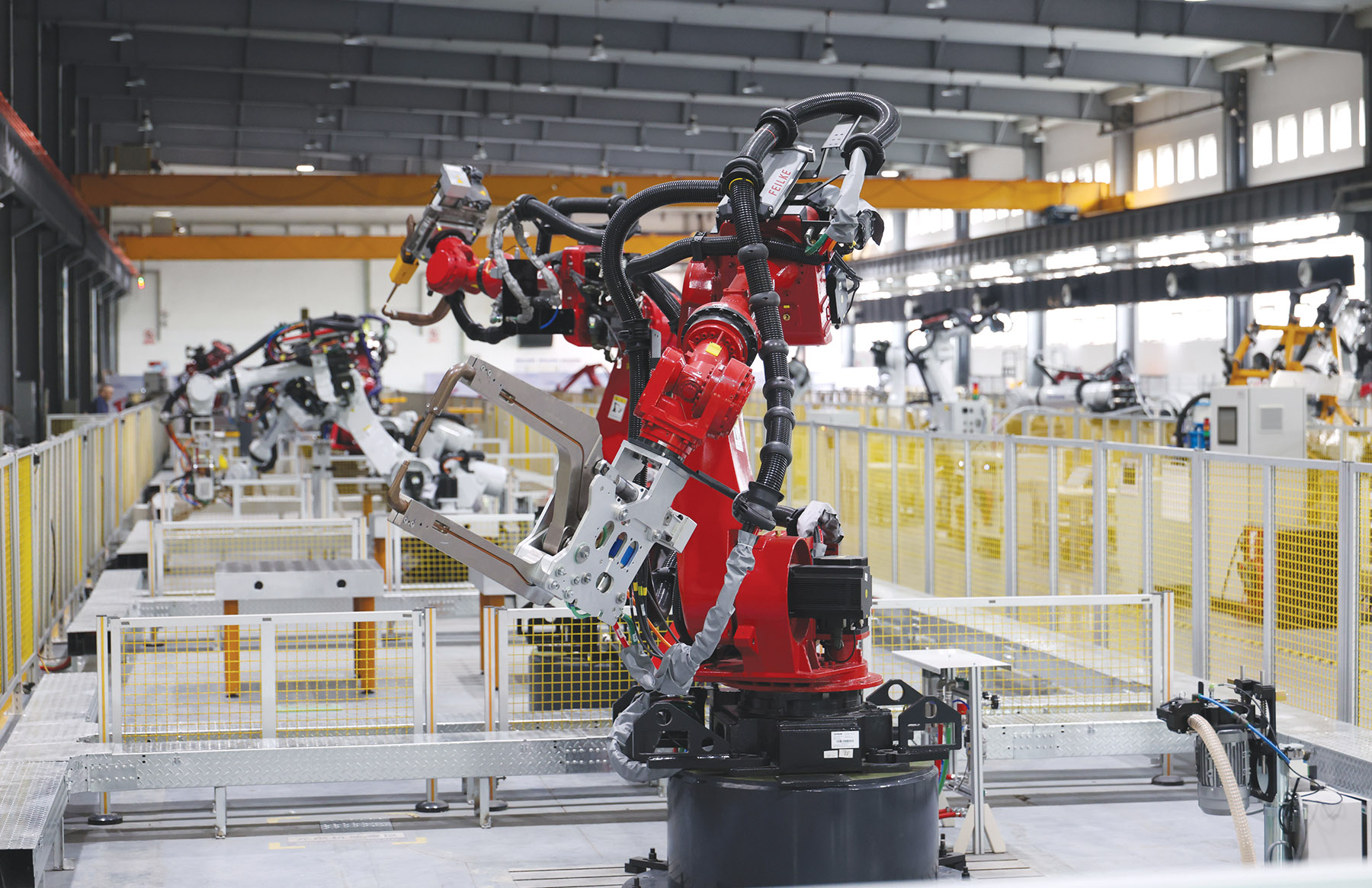
The bureau's data also showed China's value-added industrial output expanded 5.9 percent year-on-year in 2025, the bureau's data showed.
In December alone, China's industrial output increased by 5.2 percent year-on-year, according to data released by the bureau.
The industrial output is used to measure the activity of large enterprises, each with an annual main business turnover of at least 20 million yuan.
A breakdown of the data showed that the mining sector's value-added output increased by 5.6 percent year-on-year in 2025, while that of the manufacturing sector grew by 6.4 percent. The value-added output of the electricity, heat, gas, and water production and supply sectors rose by 2.3 percent.
In 2025, the value-added output of China's equipment manufacturing industry increased by 9.2 percent, and that of the high-tech manufacturing industry rose by 9.4 percent, 3.3 percentage points and 3.5 percentage points faster than the growth rate of the country's industrial output, respectively.
The proportion of the equipment manufacturing and high-tech manufacturing sectors in the country's industrial output amounted to 36.8 percent and 17.1 percent, respectively, Kang said.
The head of the bureau also highlighted the fast expansion of the low-altitude economy, embodied intelligence, civil drones and industrial robots.
The value-added output of 3D printing equipment, industrial robots and new energy vehicles increased by 52.5 percent, 28 percent and 25.1 percent, respectively, the bureau's data showed.
Retail sales
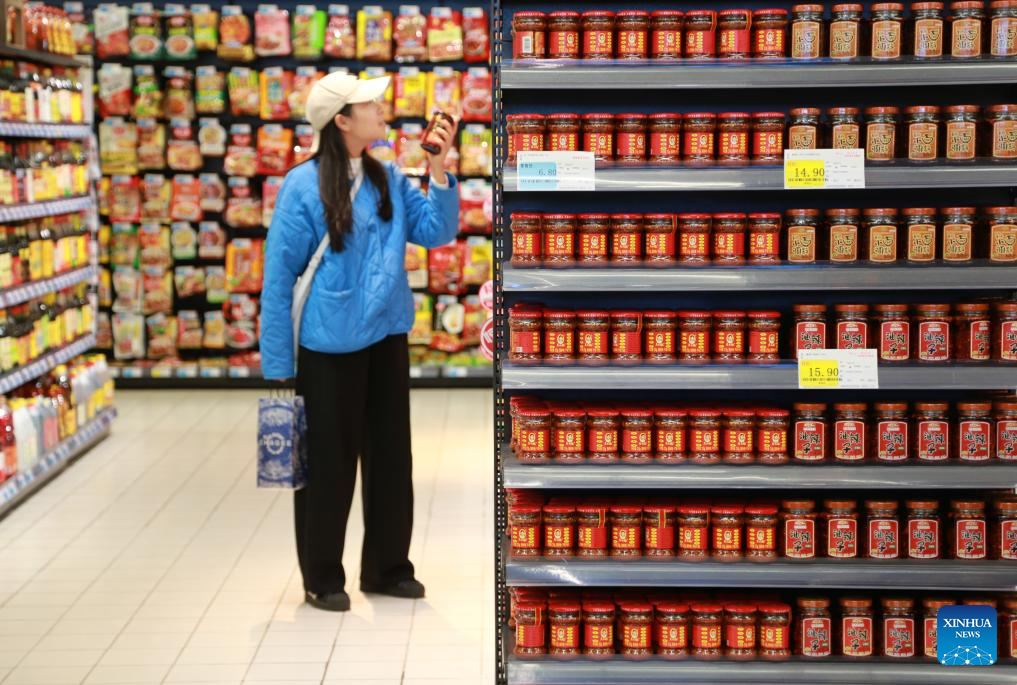
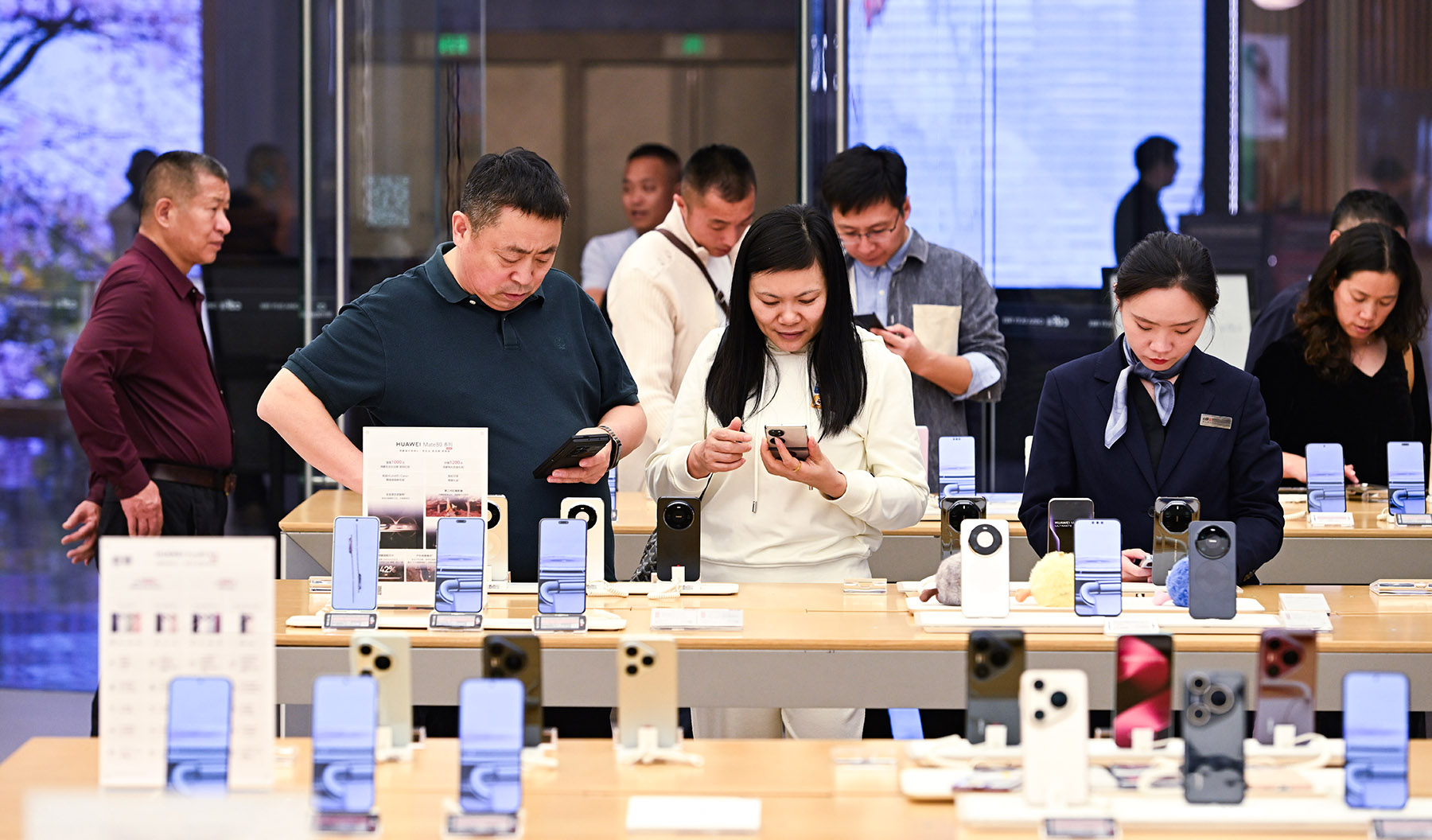
On consumption, the country's retail sales of consumer goods, a major indicator of the country's consumption strength, climbed 3.7 percent year-on-year, according to the bureau's data.
The total retail sales of consumer goods reached 50.12 trillion yuan last year, said the bureau.
In December alone, the retail sales of consumer goods rose 0.9 percent year-on-year, the official data showed.
In 2025, the contribution rate of final consumption expenditure to economic growth stood at 52 percent, up 5 percentage points from the previous year, said Kang, head of the bureau.
Retail sales in the country's urban regions rose 3.6 percent year-on-year in 2025, while those in rural areas expanded 4.1 percent.
"As living standards improve, residents' consumption is shifting toward a greater balance between goods and services, unlocking the potential of the service sector," Kang said.
In 2025, spending on services accounted for 46.1 percent of per capita consumption. This trend is being driven by nationwide efforts to innovate in consumer services and improve the overall consumption environment, with vibrant growth in sectors like culture, tourism, entertainment and sporting events, he said.
Kang noted that e-commerce, live-streaming commerce and online entertainment drove robust growth in online consumption last year.
Online retail sales jumped 8.6 percent year-on-year to 15.97 trillion yuan last year. In particular, online retail sales of physical goods rose 5.2 percent year-on-year to 13.09 trillion yuan, accounting for 26.1 percent of the total retail sales of consumer goods.
At the same time, China's green consumption continues to expand. Digital technologies such as artificial intelligence are being increasingly integrated into consumer experiences, while sectors like the silver economy, ice-and-snow tourism, and debut economy are gaining momentum and gradually emerging as new growth drivers, Kang said.
Looking ahead, numerous favorable factors are poised to support steady consumption growth in 2026 despite pressures and challenges, including significant potential in consumption upgrading, the continued effectiveness of pro-consumption policies, and the ongoing improvement in the consumer environment, Kang added.
Service output
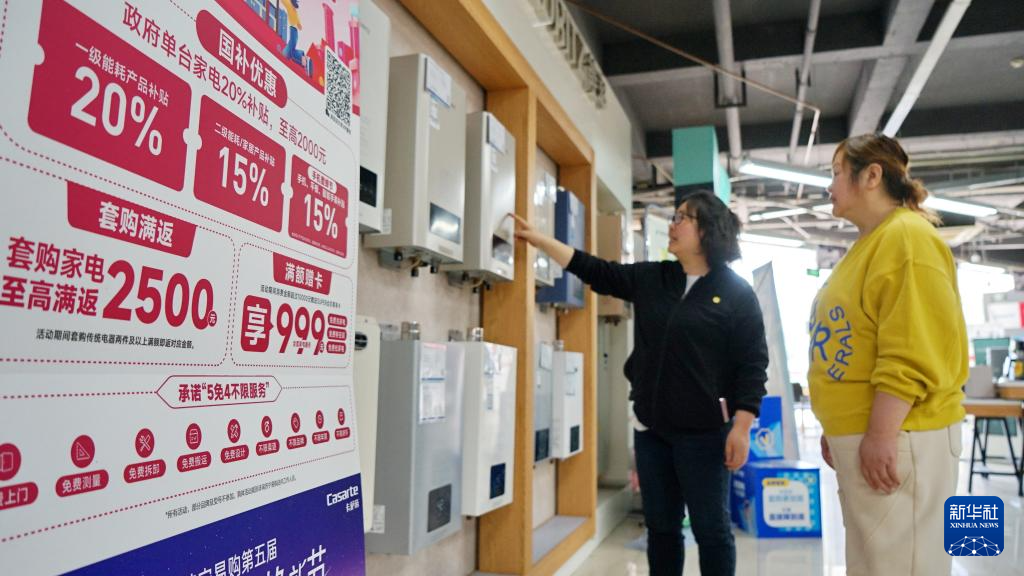
Monday's data also indicated that the country's value-added service output went up 5.4 percent year-on-year in 2025.
The index gauging the country's service industry output rose 5 percent year-on-year in December, said Kang, head of the bureau.
The value-added output of information transmission, software and IT service sectors increased 11.1 percent, while that of leasing and business services expanded 10.3 percent year-on-year.
Other key service sectors also recorded output growth, with transportation, storage and postal services up 5.2 percent, wholesale and retail trade up 5.0 percent, and accommodation and catering services up 4.9 percent.
In 2025, retail sales in the service sector rose 5.5 percent year-on-year, outpacing the growth rate of goods retail sales by 1.7 percentage points.
"As living standards improve, residents' consumption is shifting toward a greater balance between goods and services, unlocking the potential of the service sector," Kang said.
In 2025, spending on services accounted for 46.1 percent of per capita consumption. This trend is being driven by nationwide efforts to innovate in consumer services and improve the overall consumption environment, with vibrant growth in sectors like culture, tourism, entertainment and sporting events, he said.
Data also showed that multiple industries experienced high levels of business activity in December, including telecommunications, broadcasting and satellite transmission, the monetary and financial services, as well as capital market services sectors.
Disposable income
Meanwhile, the country's per capita disposable income stood at 43,377 yuan in 2025, up 5 percent year-on-year in nominal terms, according to the bureau's data.
Median per capita disposable income nationwide was 36,231 yuan last year, a nominal increase of 4.4 percent year-on-year.
Income growth of rural residents outpaced that of urban residents. Specifically, per capita disposable income in rural areas increased by 5.8 percent while urban per capita disposable income rose by 4.3 percent in nominal terms.
China's per capita consumption expenditure came in at 29,476 yuan last year, up 4.4 percent year-on-year in nominal terms. Notably, per capita consumption of services rose 4.5 percent and accounted for 46.1 percent of total per capita consumption expenditure in 2025.
Fixed-asset investment
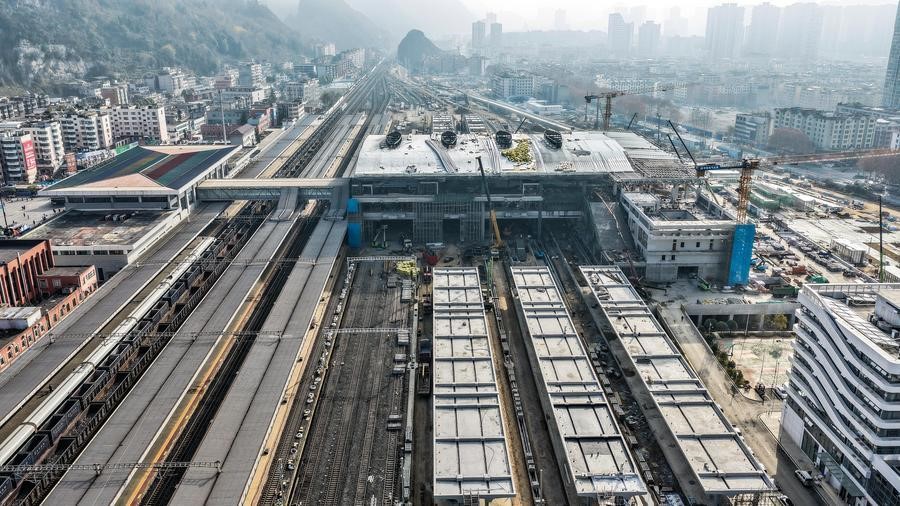
The country's fixed-asset investment went down 3.8 percent year-on-year in 2025 to 48.5 trillion yuan, said the bureau.
The decrease was mainly driven by weak real estate investment. Excluding the property sector, fixed-asset investment decreased 0.5 percent year-on-year in 2025, according to the burea's data.
Despite the overall decrease, sustained investment and expansion continued in emerging sectors, including high-end equipment, green energy and intelligent manufacturing.
Last year, investment in the manufacturing sector rose by 0.6 percent year-on-year, infrastructure investment decreased by 2.2 percent, while investment in real estate development declined by 17.2 percent.
Specifically, investment in the primary industry rose 2.3 percent year-on-year, that in the secondary industry rose 2.5 percent, and that in the tertiary industry fell 7.4 percent.
READ MORE: China draws foreign investors as evolving economy meets proactive policies
Among high-tech industries, investment in information services grew by 28.4 percent year-on-year, while investment in aerospace vehicle and equipment manufacturing rose 16.9 percent.
In December 2025, investment in fixed assets declined 1.13 percent month-on-month, according to the bureau.
Private investment decreased 6.4 percent year-on-year in 2025, the bureau data showed.
Monday's data also showed that China's floor space in new commercial housing sales reached 881.01 million square meters in 2025, down 8.7 percent year-on-year, and the sales value of new commercial housing amounted to 8.39 trillion yuan, down 12.6 percent.
In 2025, China's investment in equipment and tools increased by 11.8 percent year-on-year, contributing 1.8 percentage points to overall investment growth, said Kang, head of the bureau.
With regard to policy support, the State Council executive meeting has deployed a comprehensive package of fiscal and financial measures to jointly promote domestic demand, according to Kang. Relevant departments are accelerating implementation to advance the expansion of domestic demand.
Policy support for a new round of large-scale equipment upgrades and consumer goods trade-in programs is being continuously optimized, and the initial batch of funds has been allocated in advance, all of which have created favorable conditions for this year's economic development, Kang said.
Fixed-asset investment includes capital spent on infrastructure, property, machinery and other physical assets.
Housing market
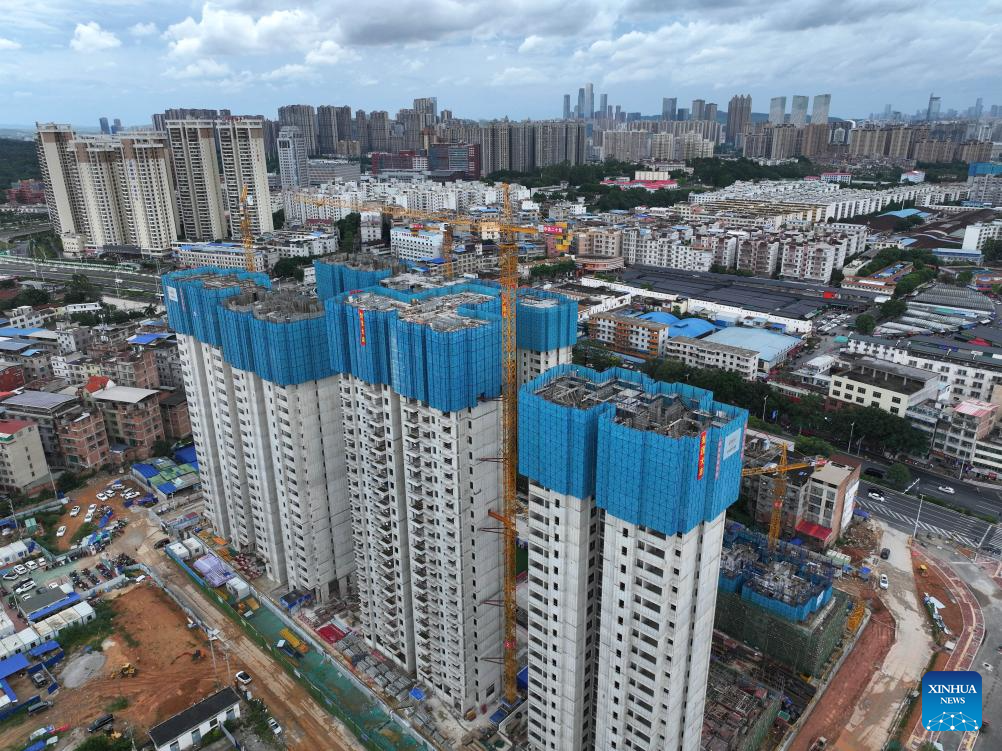
China's housing market continued to soften as home prices in 70 large and medium-sized cities generally fell in December 2025 from the previous month, the official data showed.
In the four first-tier cities - Beijing, Shanghai, Guangzhou and Shenzhen - prices of newly built homes edged down 0.3 percent month-on-month in December, while prices of second-hand homes slipped 0.9 percent, according to the bureau. Both declines were narrower than those recorded in the previous month, suggesting signs of stabilization.
Meanwhile, the pressure lingered in lower-tier cities. Among 31 second-tier cities, the average month-on-month price decline widened, while prices in 35 third-tier cities also continued their downward trajectory.
On a year-on-year basis, home prices in major cities across the country registered larger declines, the data showed.
Against this backdrop, Shanghai stood out as a rare bright spot. Prices of newly built homes in the city rose 0.2 percent last month from November and climbed 4.8 percent from a year earlier.
China has maintained its policy support for the real estate sector and strived to promote a new development model amid the shifting supply-demand dynamics.
ALSO READ: PBOC cuts rates on targeted monetary tools
Recently, financial regulators unveiled a lower minimum down payment ratio for commercial property mortgages, while taxation authorities announced the extension of a preferential policy that people who sell their homes and purchase another one within one year will be eligible for a refund of the individual income tax.
Monday's data also showed that China's real estate development investment dropped 17.2 percent year-on-year in 2025, and the area of sold new homes declined 8.7 percent.
Urban unemployment
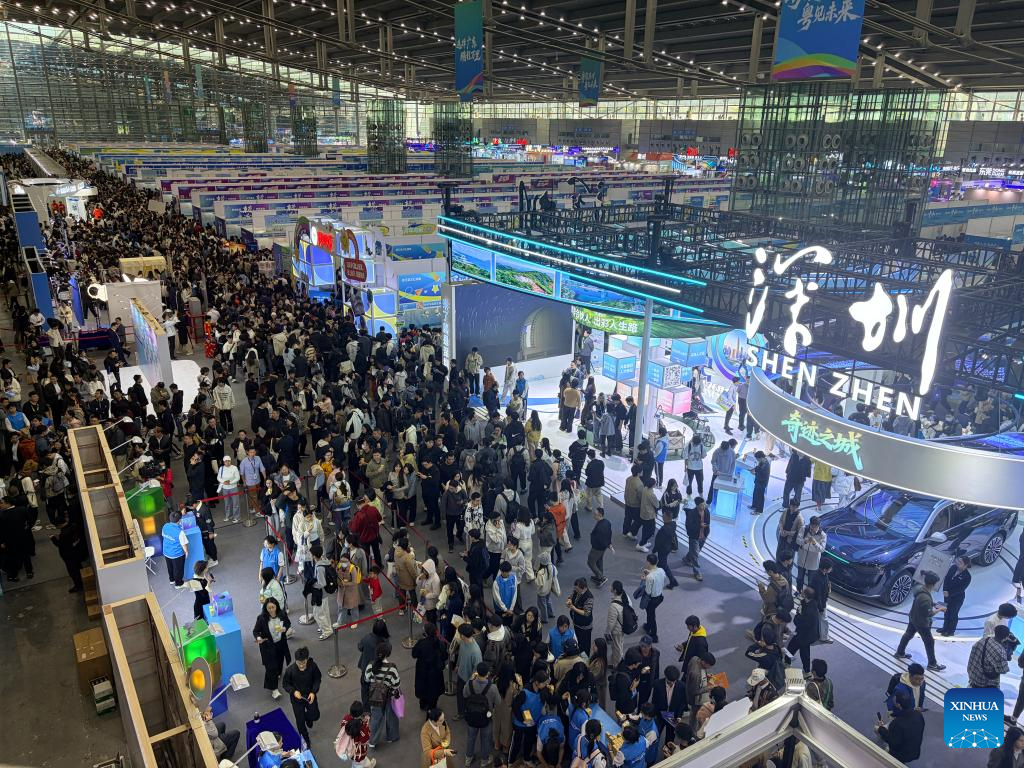
China's job market has remained generally stable, with the surveyed urban unemployment rate holding steady at 5.2 percent in 2025, the official data showed.
For December 2025 alone, the surveyed urban unemployment rate was 5.1 percent on average, according to the bureau.
The jobless rate among locally registered urban workers was 5.3 percent, while the rate for migrant workers was lower at 4.7 percent.
In China's 31 major cities, the surveyed urban unemployment rate stood at 5.1 percent last month.
The data also revealed that the total number of migrant workers in China had reached 301.15 million in 2025, an increase of 1.42 million from a year earlier, representing a growth of 0.5 percent.
China set a surveyed urban unemployment rate target of around 5.5 percent for 2025.
