

Best known for his comic paintings, Feng Zikai was also a composer, whose influence is being rediscovered through concerts, exhibitions and new cultural institutions, Zhang Kun reports in Shanghai.
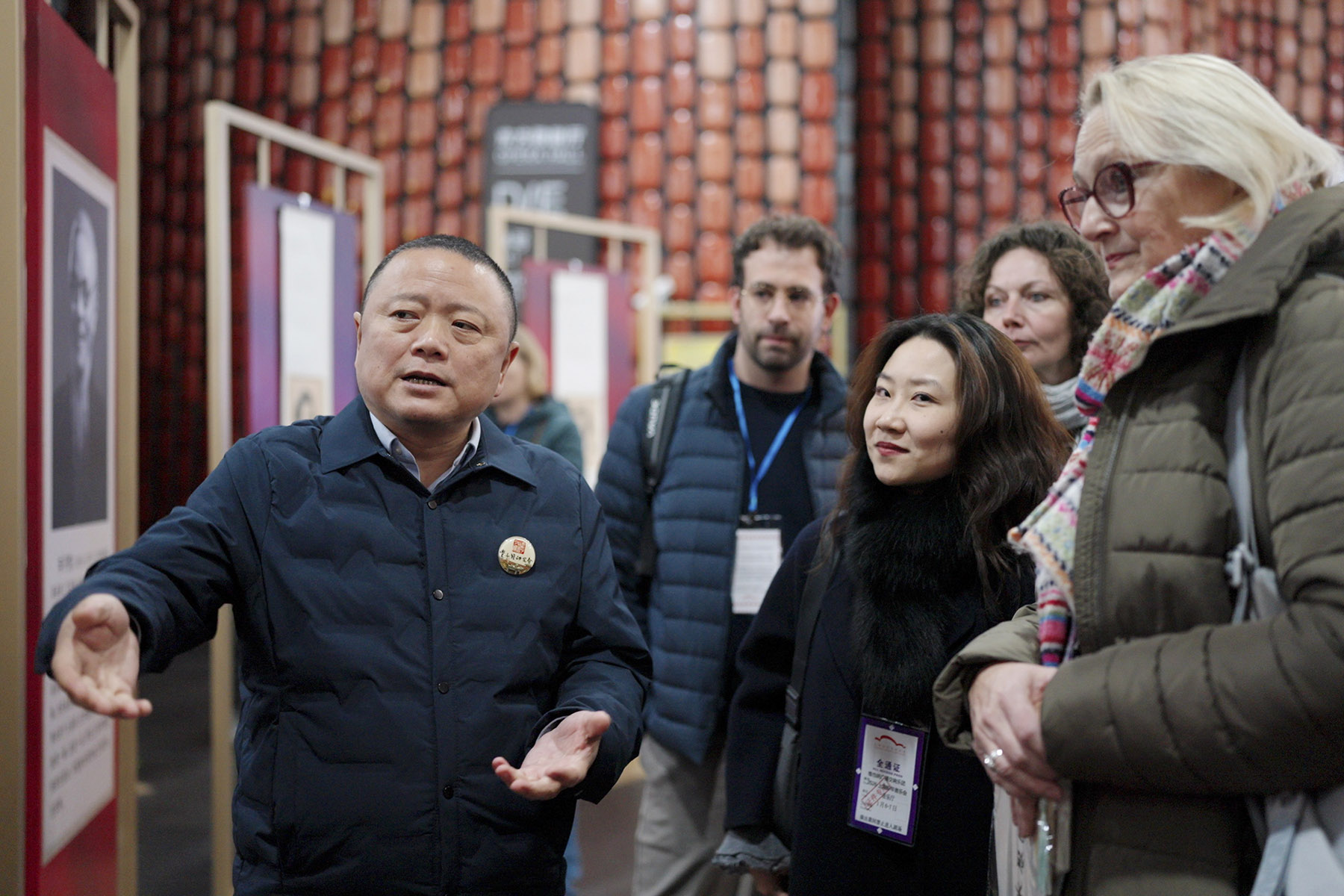
Many people love the simple and vivid paintings by Feng Zikai (1898-1975) depicting common people in real life, but few are aware that the influential artist and pioneer of manhua (Chinese comics) was also an outstanding composer and music educator.
His contributions to modern China's music education were remembered at the ORF Vienna Radio Symphony Orchestra's New Year concerts in Shanghai on Jan 6 and 7.
Sponsored by the Feng Zikai Research Association, the concerts at Shanghai Oriental Art Center presented Beethoven's Egmont and Schubert's Symphony No 8, alongside the usual festival favorites such as waltz and polka pieces by Johann Strauss II.
READ MORE: Artist creates the most precious of depictions
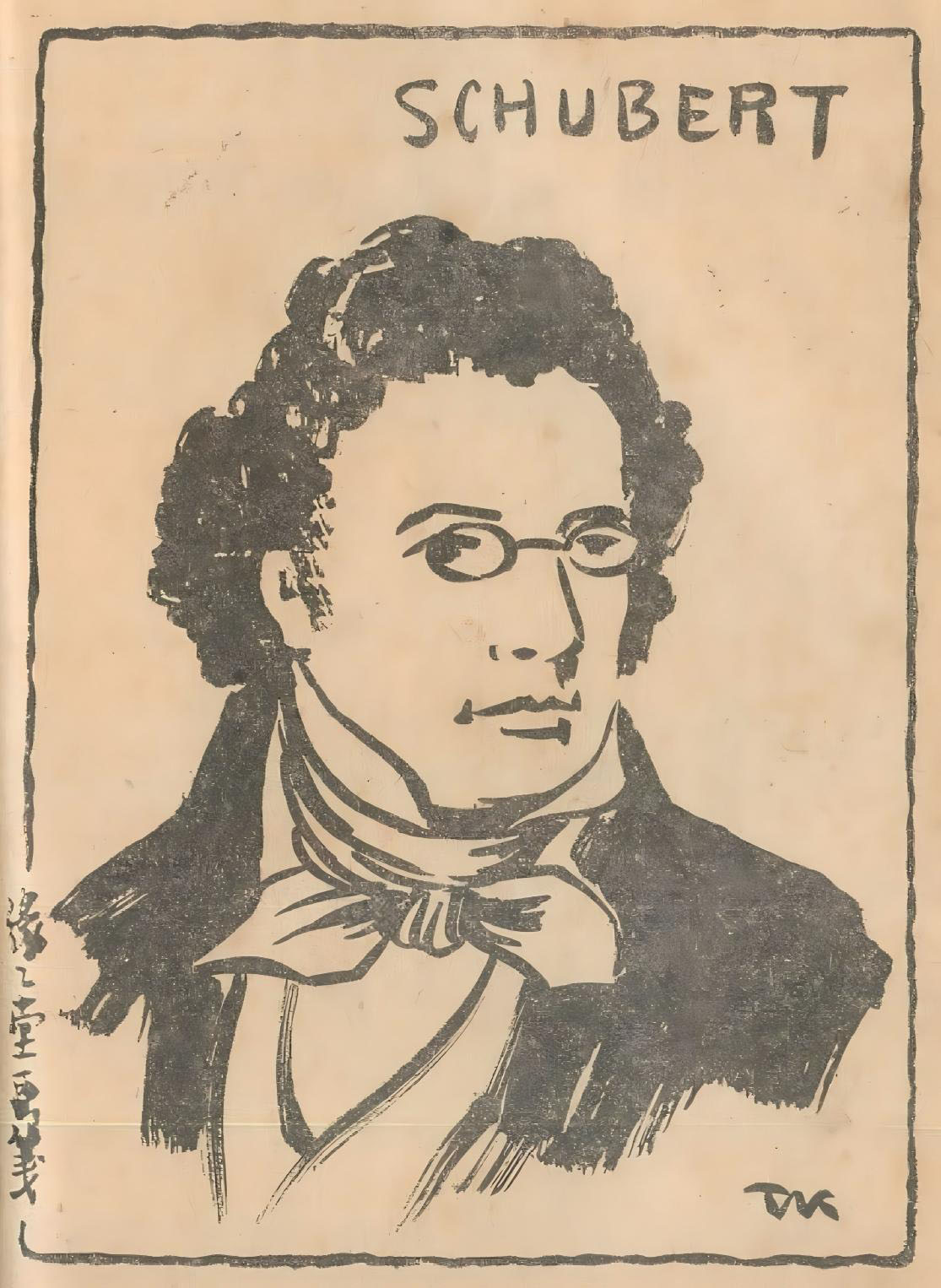
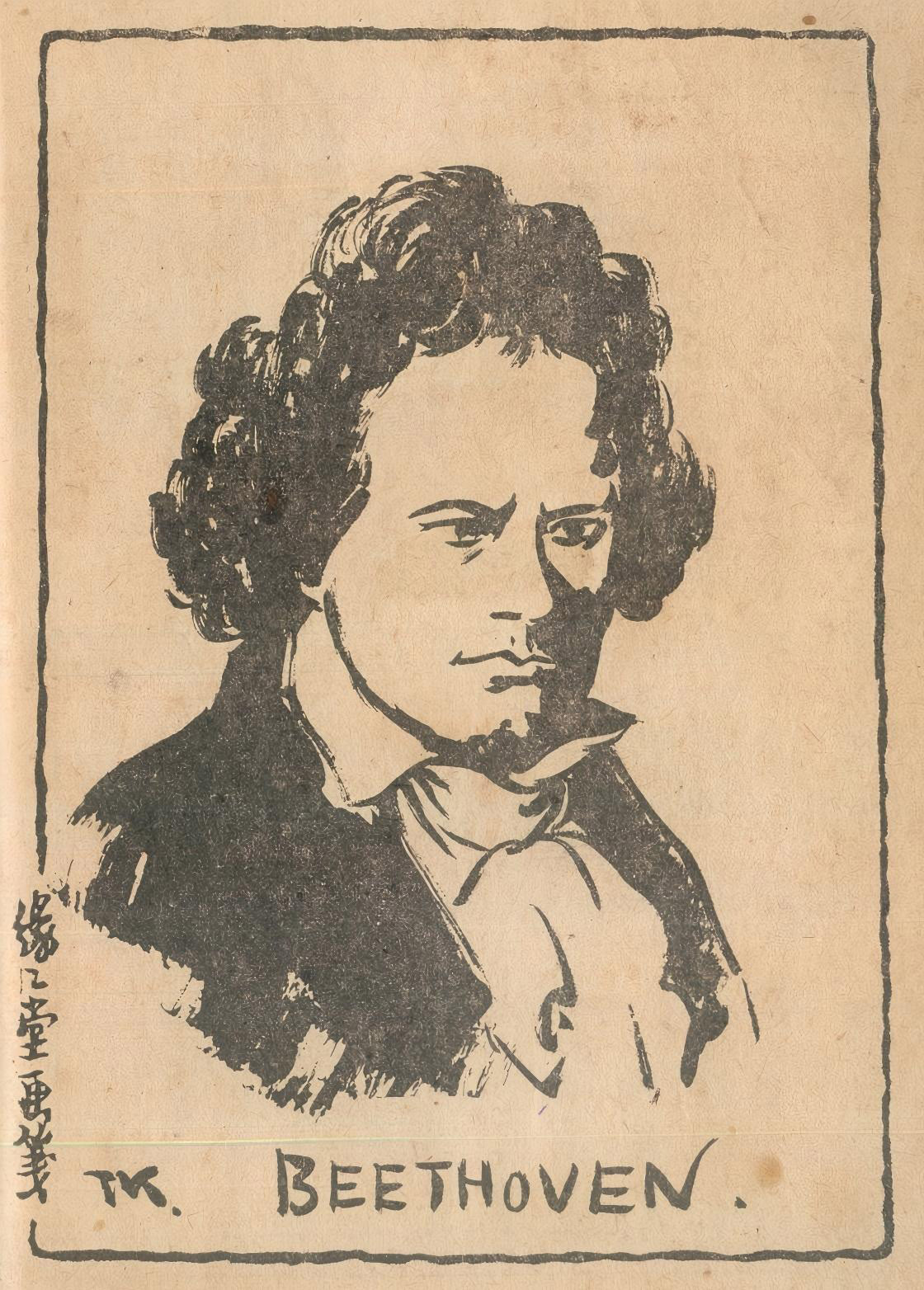
An exhibition of Feng's paintings about music was held in the lobby of the concert hall. Among them were pictures of a hermit playing the bamboo flute on a mountain, children singing while their teacher played the harmonium, and a soldier playing the bamboo flute against a broken wall. There were also sketches of a series of musicians such as Beethoven, Mozart and Tchaikovsky, rendered in Chinese ink on rice paper.
"We wanted to introduce Feng Zikai's work involving music, especially his efforts promoting Western classical music in China in the early 1900s," says Feng Yu, the grandson of Feng Zikai and head of the Feng Zikai Research Association.
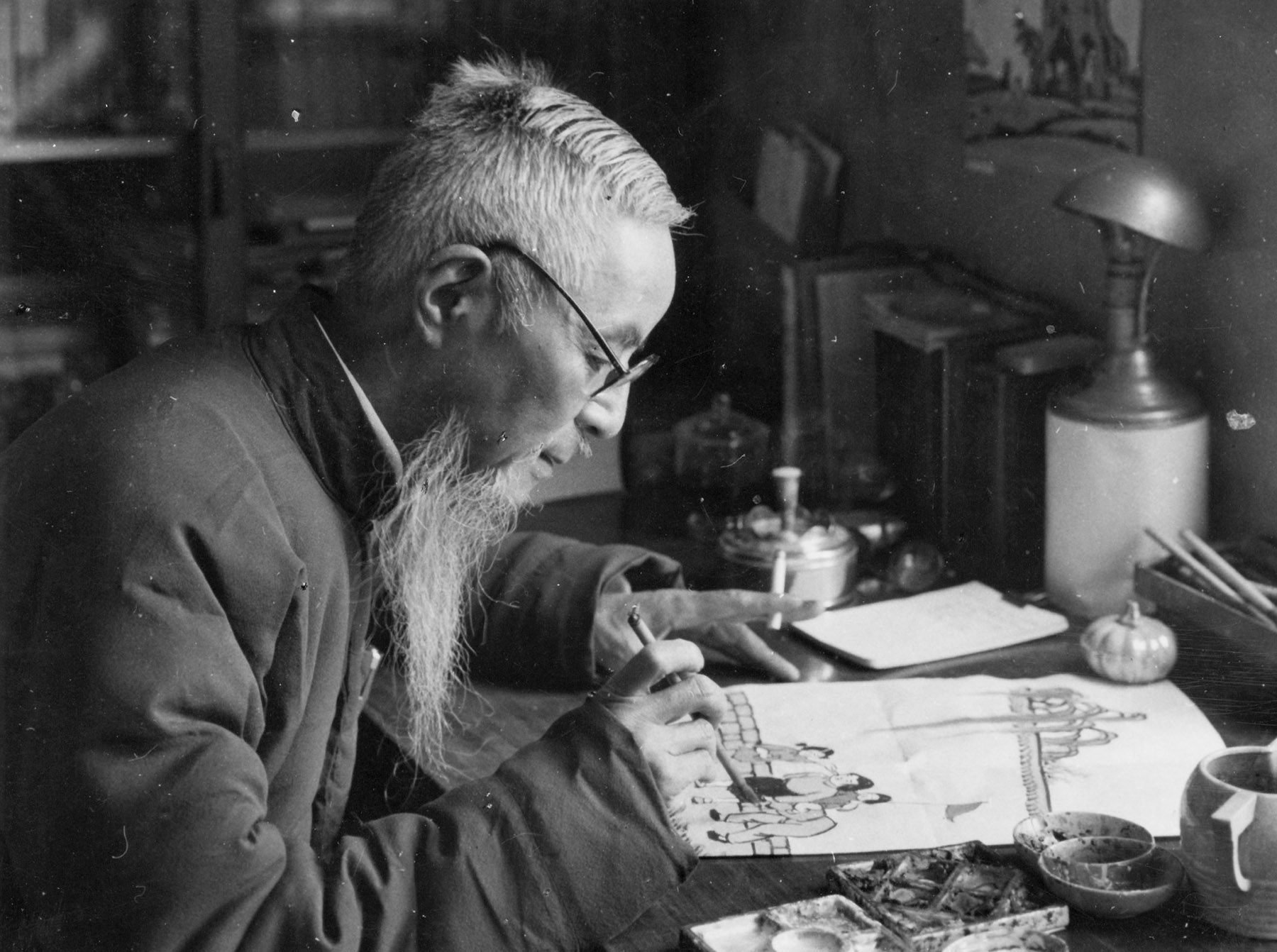
One of the most beloved artists in modern China, Feng Zikai was a pioneer of comic paintings in China, an educator, calligrapher, essayist and translator. In August, Life Passes, Art Endures: Feng Zikai Art Exhibition took place at the Cheng Shifa Art Museum in Shanghai, commemorating the 50th anniversary of the passing of the artist. The number of visitors broke the museum's record during the month-long exhibition.
According to China's law concerning copyright, artists' works enter the public domain 50 years after their death. From this year on, publishers in China are able to print Feng Zikai's works without paying for the copyright, and a number of new publications are scheduled to come out later this year.
While this will inevitably bring financial loss to the heirs of the artist, Feng Yu says, "We fully support these new publications, and are glad that the wider public can enjoy his art." It also gives him greater incentive to introduce Feng Zikai and his work to the public.
A brand-new Feng Zikai Art Center in his hometown of Tongxiang in Zhejiang province will open to the public later this year, consisting of an art museum, a concert hall, and three theaters, with a total floor area of 70,000 square meters.
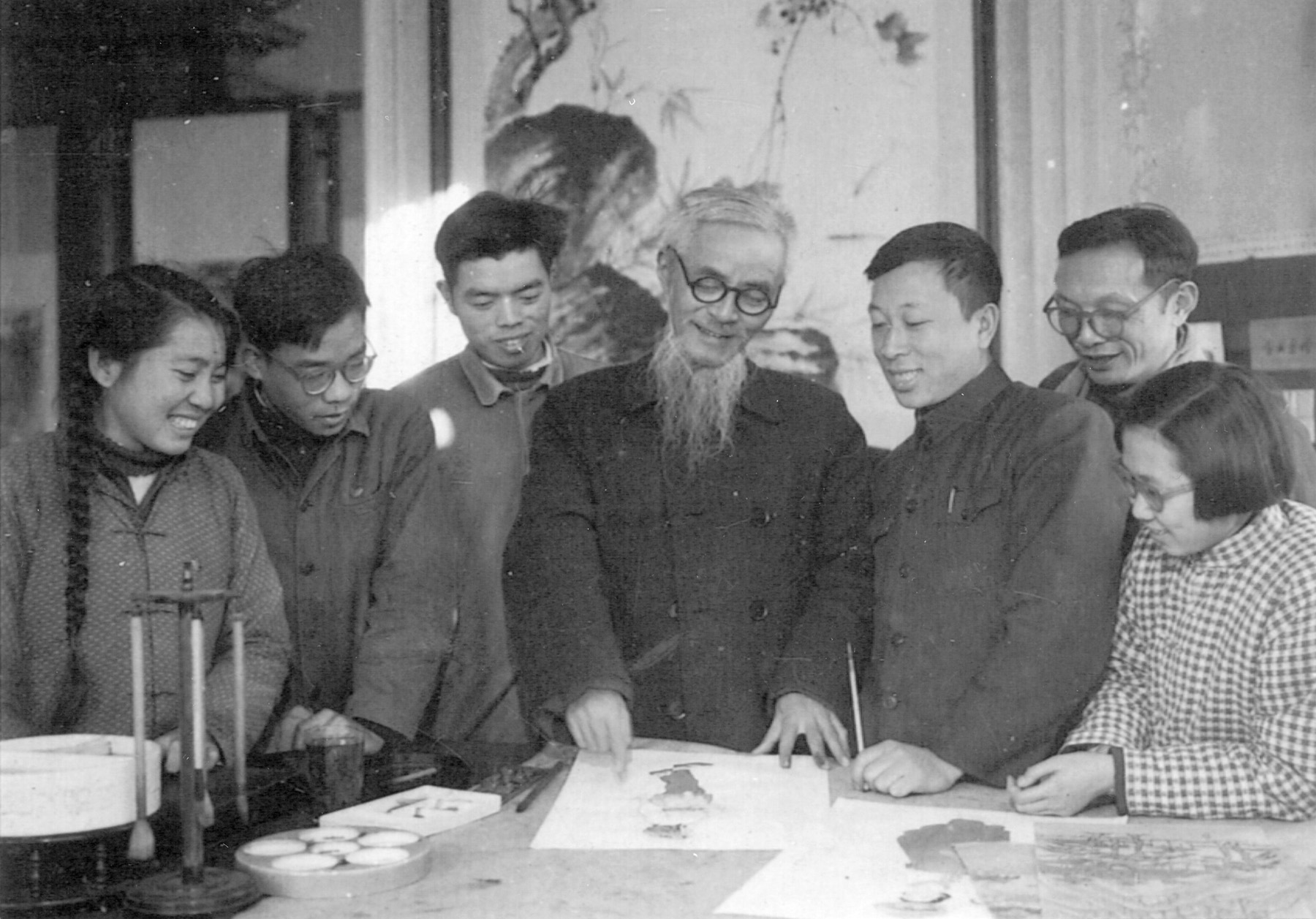
By sponsoring the concert at Shanghai Oriental Art Center, Feng Yu hopes to build long-term connections with the Shanghai theater, and get its help encouraging international artists and groups to perform in the new art center in the future.
"My grandfather had the same dedicated love for music as for painting, and used to write essays introducing his beloved classical musicians to China," Feng Yu told the media on Jan 6.
In his essays, Feng Zikai called Beethoven "a hero of the heart", and sympathized with Schubert's hard life: "He lived a short life of 31 years in poverty and oblivion, without a lover, protector or patron … today his songs are loved by musicians all over the world, but then nobody knew about them except for a few friends by his side."
Under the guidance of his mentor Li Shutong (1880-1942), Feng Zikai developed an interest in music and art while studying from 1914-18 at the No 1 Teachers' School of Zhejiang, the predecessor of today's Zhejiang Normal University.
Li was a renowned writer, artist and songwriter, and later became a Buddhist monk known as Hongyi.
Li rearranged American musician John Pond Ordway's composition Dreaming of Home and Mother, and wrote Chinese lyrics for it in 1915. Feng Zikai copied the lyrics, drew illustrations for it, and published it in a collection of 50 Chinese songs. The lyrical song, Farewell (Song Bie in Chinese) later became one of China's most celebrated songs.
In 1921, Feng Zikai traveled to Japan to study oil painting, but soon gave up because he could not afford the painting materials. He then turned to playing the violin, and practiced so hard that his fingers bled.
Back in China in the 1920s, Feng Zikai founded a private art school named Lida College together with renowned scholars such as Zhu Guangqian and Xia Mianzun.
He played an active role in public cultural life, and composed school songs for a number of institutions. Later this year, Fudan University in Shanghai will commemorate the 100th birthday of its old school song, which was composed by Feng Zikai in 1926 with lyrics by Liu Dabai.
Feng Yu is the only child of Feng Zikai's youngest son Feng Xinmei. He recalled visiting his grandfather's home on downtown Shanghai's South Shaanxi Road as a child.
ALSO READ: Virtuoso's donated works carry on artistic lineage
"I was his favorite grandson, because I didn't cry or make lots of noise like others," Feng Yu recalls, who would play with his grandfather's long white beard, and be rewarded with chocolate and milk.
In 2009, Feng Yu bought the apartment where Feng Zikai lived for the last two decades of his life and turned it into a memorial hall for his grandfather. It was opened to the public for free from 2010-14, when more than 40,000 people visited. Feng Yu now hopes to restore the home and once again open it to the public in the coming years.
Contact the writer at zhangkun@chinadaily.com.cn
