

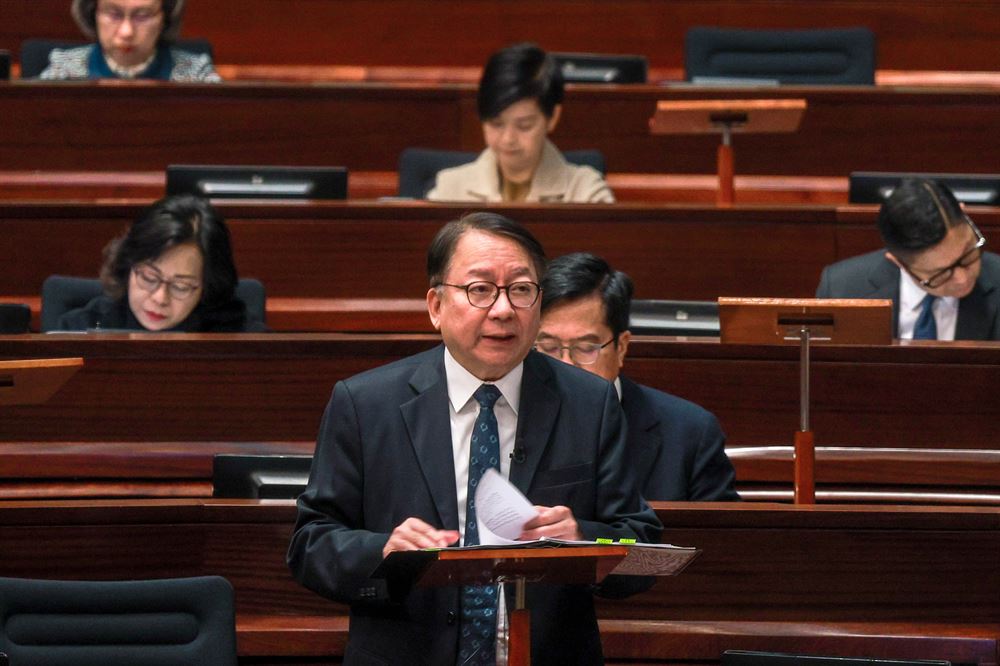
The new-term lawmakers have expressed their support for the Hong Kong Special Administrative Region government’s proposals to crack down on bid-rigging and have urged the authorities to speed up reconstruction work at the first meeting of the eighth Legislative Council on Wednesday.
These initiatives include giving the Urban Renewal Authority (URA) a bigger role in overseeing building maintenance works, raising the voting threshold for homeowners, and setting a ceiling for proxy votes in renovation projects. These came after the city’s anti-graft agency arrested at least 14 people over the deadly Tai Po fire in November last year.
Chief Secretary for Administration Eric Chan Kwok-ki, who led a task force to probe into the Tai Po fire — which broke out on Nov 26 and claimed 161 lives — in a bid to improve regulations, proposed upgrading the URA's role using “Smart Tender” — a fee-based service platform to assist owners’ organizations in hiring credible consultants and contractors for building renovation works.
“Smart Tender” can establish a strict “pre-approval list” of consultants and contractors, and only parties on the list can participate in bidding related to renovation, Chan said.
Lawmaker William Wong Kam-fai, a chartered engineer, agreed to the need for enhanced background vetting of engineering contractors. He said the government can integrate the data of related enterprises, including the details of corporate equity connections, contractors’ historical bidding and project undertaking records, and use artificial intelligence for analysis, thereby enhancing monitoring, expediting approvals, and assisting in the tendering and evaluation processes.
Maintenance works accepting government subsidies must use the platform, and the URA will, on behalf of property owners, conduct tenders and evaluations, and also determine the winning consultants and contractors, Chan added.
For projects using “Smart Tender” that have not applied for government subsidies, the URA will also conduct tenders and evaluations, and then provide suggestions for the owners’ consideration, he said.
ALSO READ: Hong Kong govt proposes sweeping fire safety reforms
Chan said the URA will conduct random inspections and monitor the progress of maintenance work, and ensure that government subsidies are disbursed in line with actual progress. The URA will also require consultants and contractors to submit reports at critical project milestones, such as significant changes to the scope of work or increases in project costs.
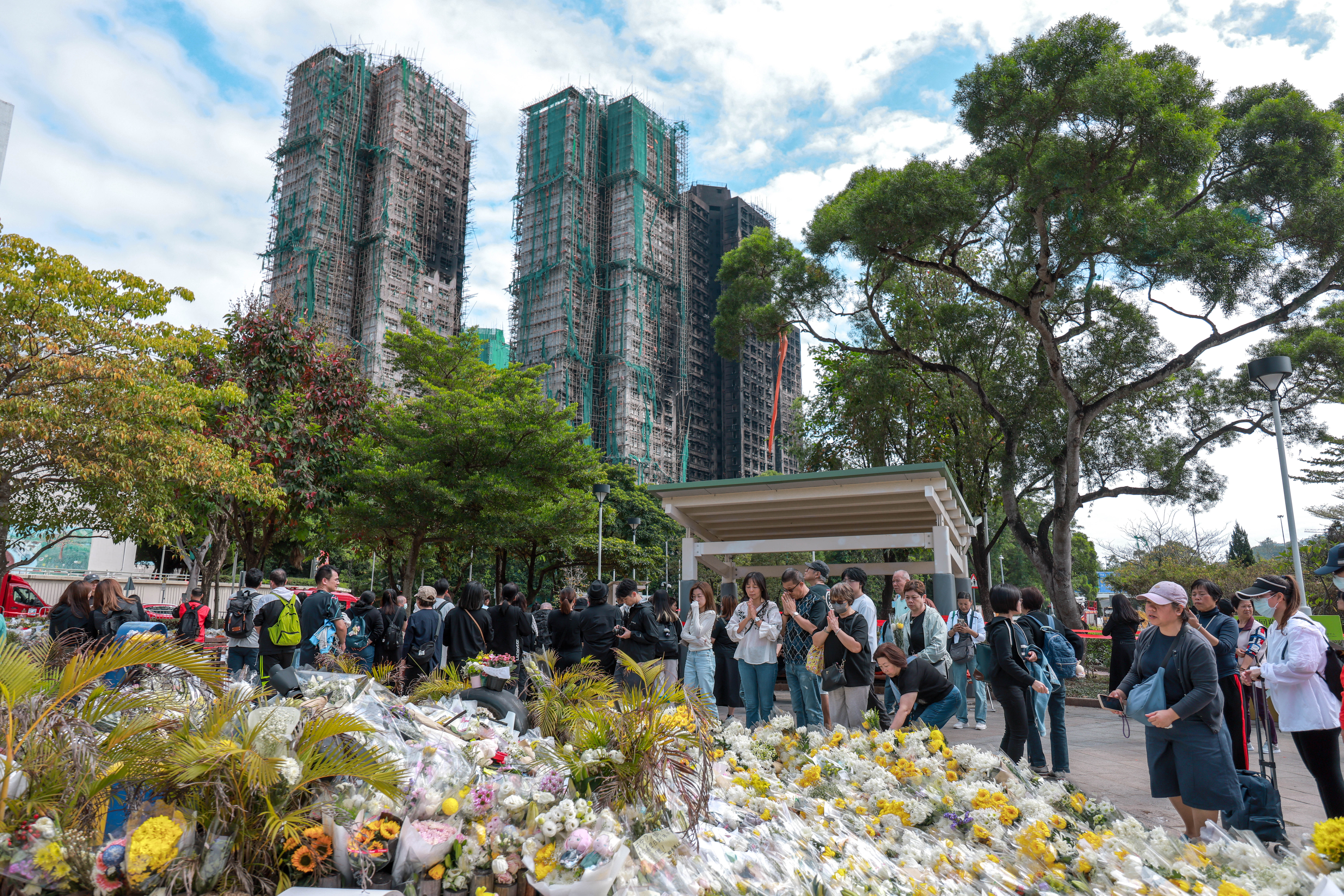
Upon completion of the project, the performance of consultants and contractors will be evaluated based on satisfaction surveys of homeowners, which will serve as one of the reference factors determining their continued inclusion on the “pre-approved list”, Chan added.
Secretary for Home and Youth Affairs Alice Mak Mei-kuen said at the same meeting that the government will set a ceiling for the number of proxy votes permitted for maintenance resolutions of housing estates and require all proxy votes to be listed to enhance transparency.
The government also plans to lift the threshold of voting on renovation projects based on the contract values, Mak said.
READ MORE: CE: Need to stop vested interests to prevent recurrence of tragedies
Currently, the Building Management Ordinance requires in-person voting of at-least 5 percent of all owners or 100 owners — whichever is less — for large-scale maintenance procurement.
In another push to inform residents affected by large-scale fires, lawmaker Johnny Ng Kit-chong proposed that the government include fire incidents higher than alarm levels 3 or 4 in the government’s Emergency Alert System, which covers typhoons, terrorist attacks and cross-district disasters.
Once this change is approved, the system will automatically send out an SMS alert to residents, telling them to evacuate quickly, Ng said.
