

Experts: Snow sports have evolved from niche experience into key growth engine
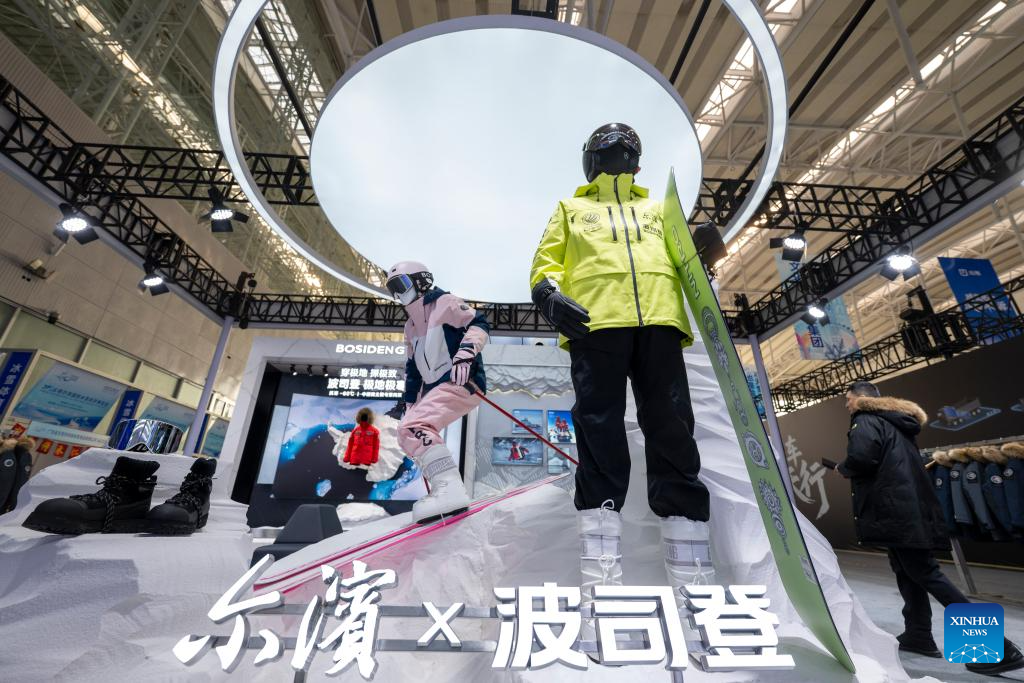
China's ice and snow resources have turned into a robust economic driver, with experts noting the transformation of winter tourism and related leisure activities from a "niche experience" into a "popular trend" and predicting that the industry will continue to boom.
According to a report released on Monday by the China Tourism Academy, the season from December 2025 to February 2026 is expected to see 360 million winter tourism trips, generating around 450 billion yuan ($64 billion) in revenue.
Yang Lezhi, 27, a resident of Beijing, said she decided to hone her skiing skills in recent years, thanks to the mushrooming winter resort options across the country.
"I feel like Elsa from the film Frozen when I ski. The sport is almost addictive once you learn to navigate the slopes," she said.
ALSO READ: China welcomes foreign visitors influx amid winter tourism surge
Yang recalled that she visited several spectacular winter destinations in the Xinjiang Uygur autonomous region, and Jilin and Heilongjiang provinces during her days in college.
"However, skiing was a niche sport back then. Many of my friends and I discovered the thrill of skiing only after 2023, and now we are always eager to hit the slopes to enjoy the winter scenery better," she added.
According to the academy's report, about 75 percent of the respondents said they wish to take winter trips this season; more than 40 percent said they would like to increase the frequency of their participation in ice and snow leisure activities; and over 40 percent said they would increase their consumption of such activities this winter.
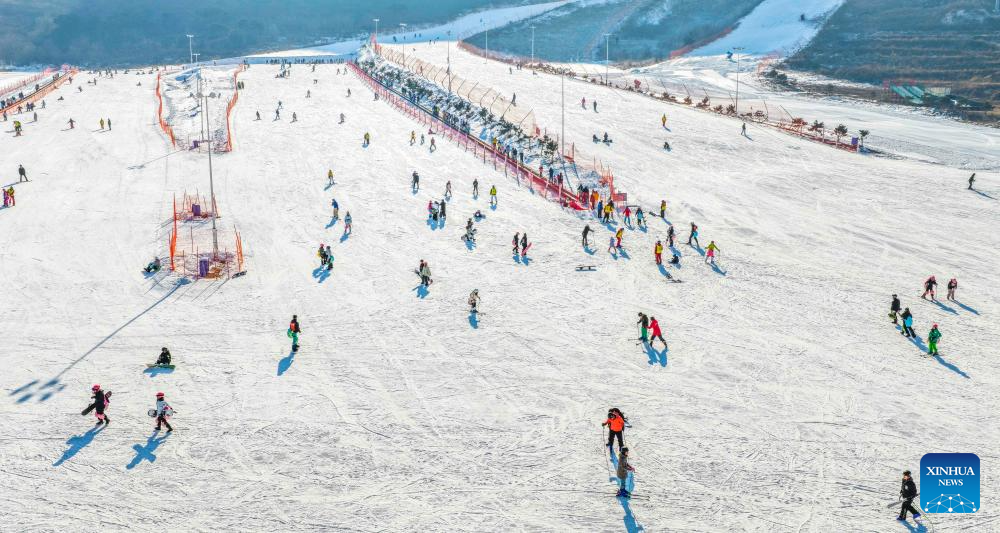
Yang Jinsong, a researcher at the China Tourism Academy, said the nation's increasing efforts in developing winter tourism and the success of the 2022 Beijing Winter Olympics accelerated the industry's development.
In November 2024, the State Council, China's Cabinet, issued guidelines to strengthen the nation's ice and snow economy, which set a target of 1.2 trillion yuan for 2027 and 1.5 trillion yuan for 2030.
Yang Jinsong said he is optimistic about the industry's prospects, because a large population base creates a relatively larger market for winter tourism and sports.
"After the Beijing Olympics, people have had a stronger awareness of and growing interest in winter tourism and sports. Also, supportive government policies have encouraged more companies and suppliers to join the industry," he said.
While some provinces have geographical advantages in developing their winter tourism industry, others have channeled resources and investment to facilitate ice and snow activities at human-made facilities, he added.
READ MORE: Spreading joys of winter tourism
Data from the report shows that southern China, including provinces such as Guangdong, topped the nation's winter tourism heavy assets investment with an annual total exceeding 30 billion yuan.
China has established a whole industrial chain for winter tourism, ice and snow culture, winter sports, and winter gear, the report said. In 2025, there were 1,423 new companies involved in the winter tourism industry. The total number of such companies reached more than 14,000, up 11 percent compared with 2024, according to the report.
A previous report unveiled by Asiadg.com and Beijing Sport University showed that China's winter-related consumption from late 2024 to early 2025 totaled 187.5 billion yuan.
The value of the nation's winter-related industry grew from 270 billion yuan in 2015 to 980 billion yuan in 2024, it said, estimating that the industry will exceed 1 trillion yuan in 2025 for the first time and reach 1.5 trillion yuan in 2030.
Contact the writer at chengsi@chinadaily.com.cn
