

From Rabbit God to nostalgic enamelware, memory and tradition are transformed into contemporary charm, Yang Feiyue reports.
In the heart of the capital's vibrant downtown, within the bustling Beijing Fun commercial district, a recently opened Beijing Gifts store housed in a distinctive gray, stone building has a way of demanding one's attention.
Its facade is playfully adorned with panda models hanging on the wall, luring visitors in.
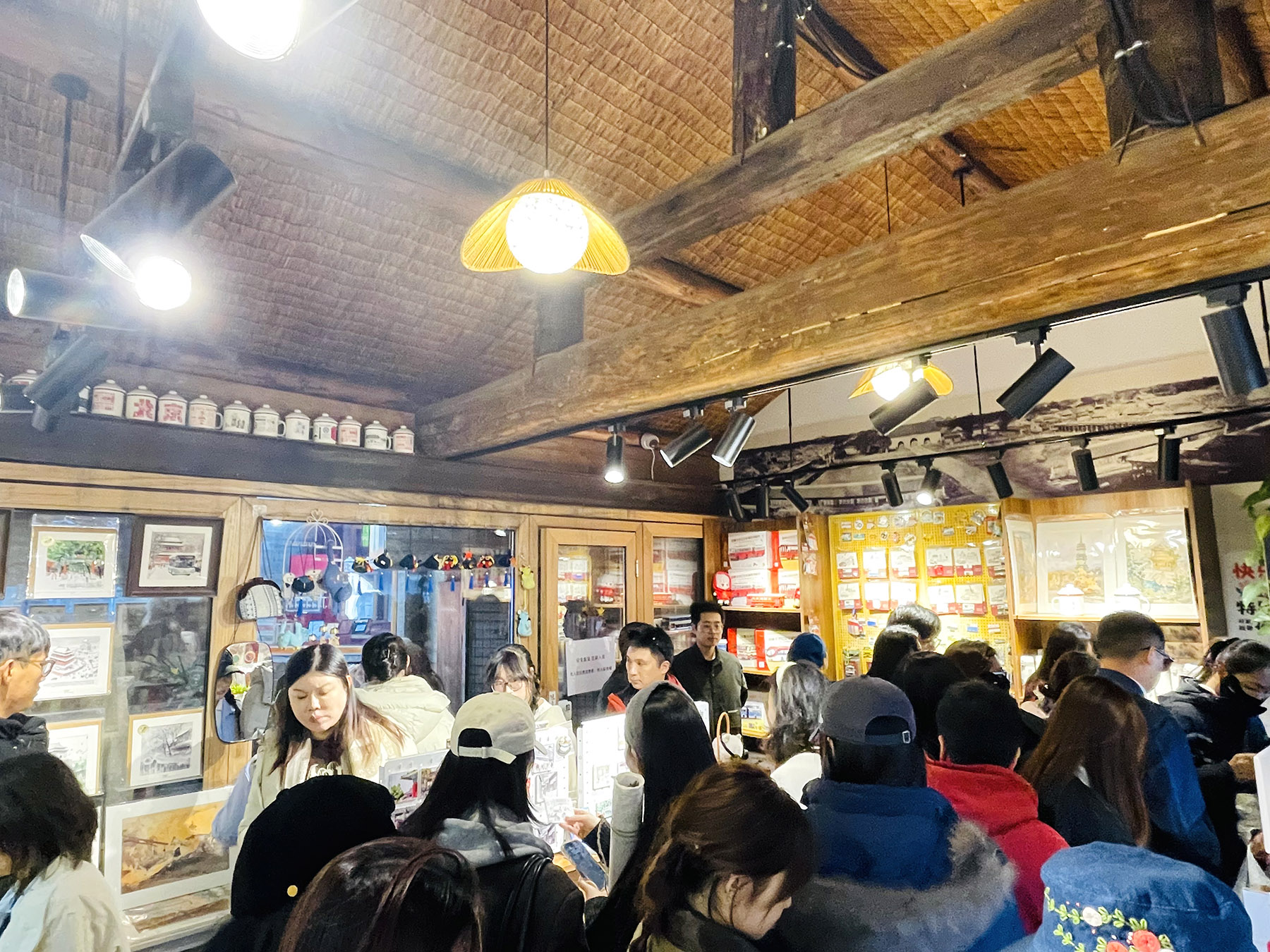
Step inside, and the space comes alive with the chatter and laughter of young visitors. They gather around displays filled with creatively designed cultural products, each infused with the city's unique charm.
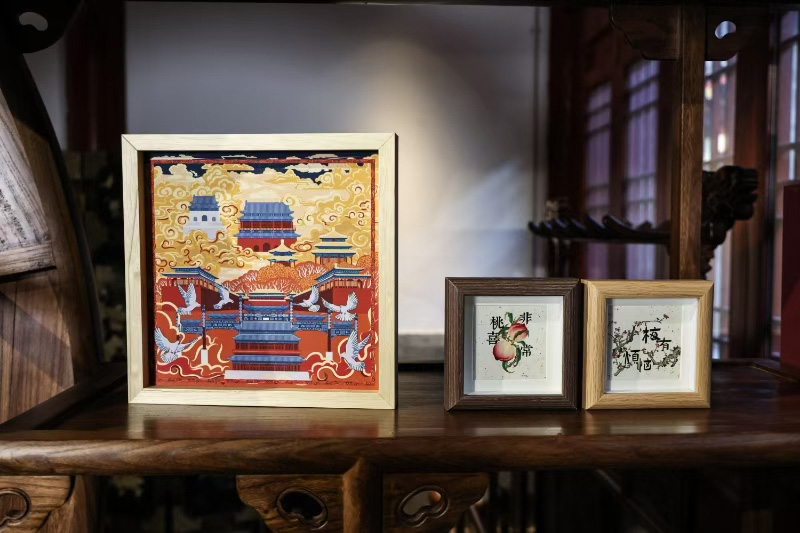
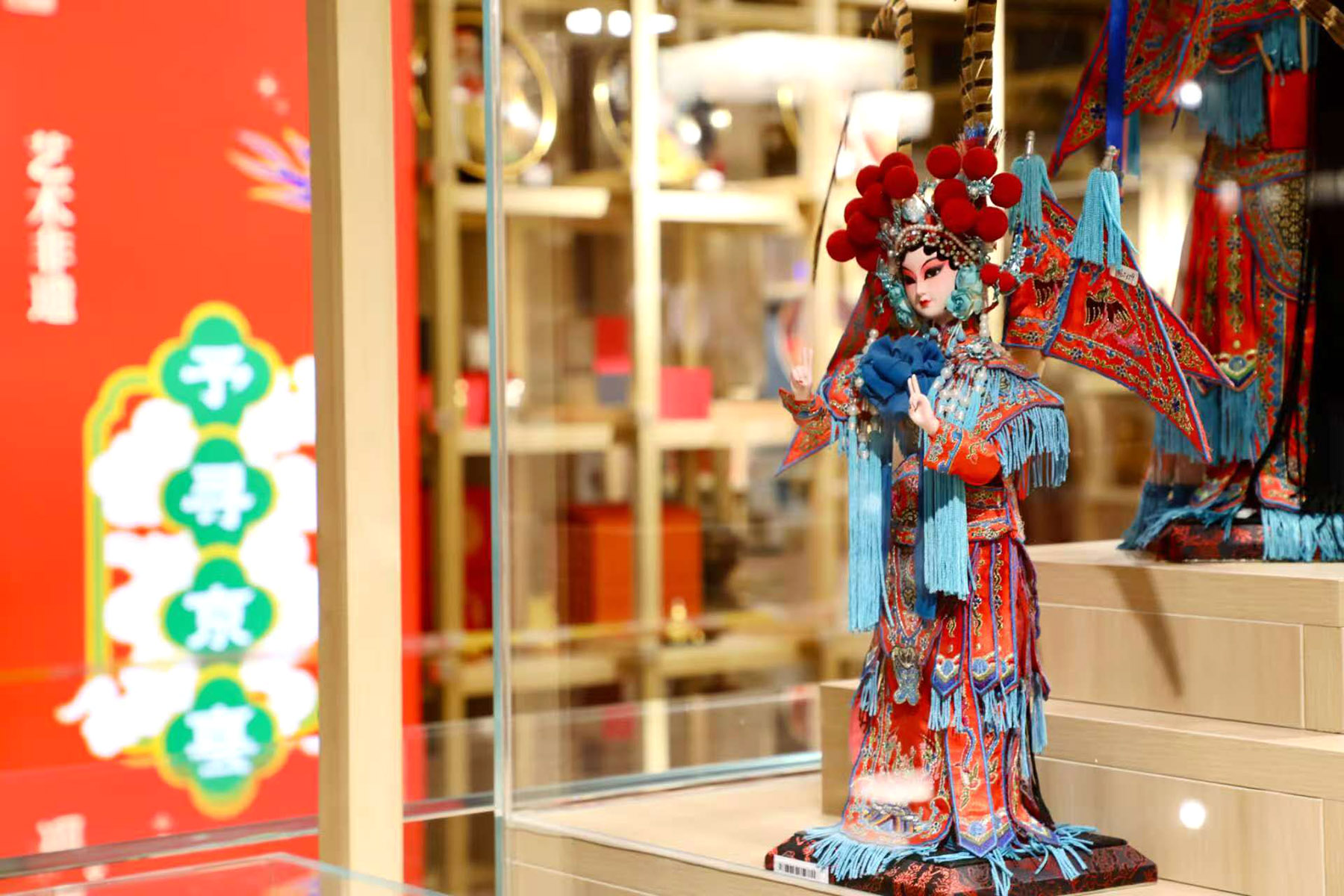
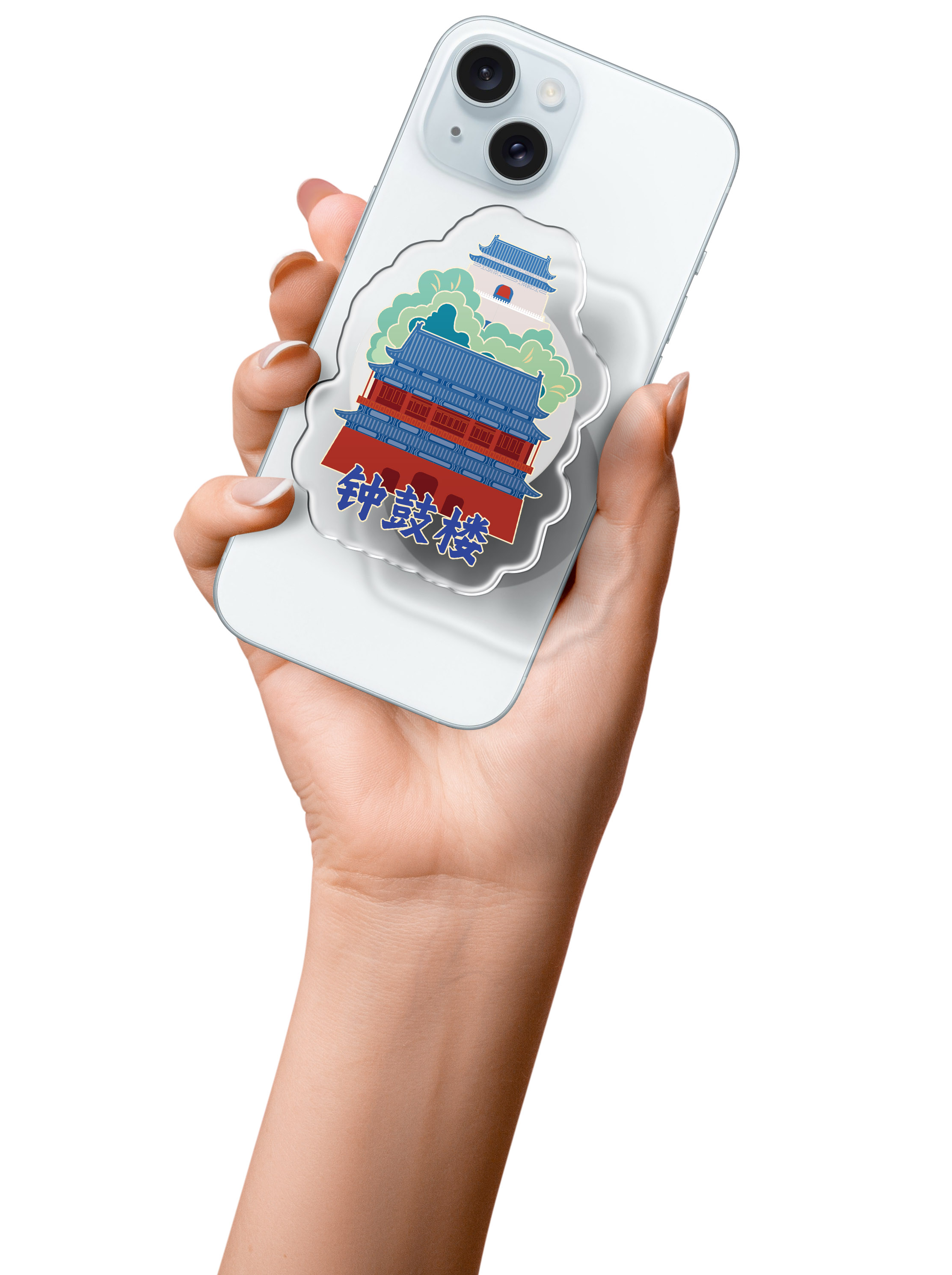
From intricately crafted models of Beijing's iconic landmarks and stylish Peking Opera figurines to delicate refrigerator magnets that blend woven grass with smooth clay, every item has its own way of telling a story about what the capital city has to offer.
Among these treasures, one stands out as a clear favorite: the Rabbit God, a folk deity depicted with a rabbit's head and a human body. It has secured its place as one of the store's most beloved souvenirs, according to the store's staff members.
READ MORE: Beijing on a plate
Hu Pengfei, the designer of those ornamental Rabbit Gods, is relieved to see this ancient symbol, once an essential clay doll for children during the Mid-Autumn Festival, now finding a new generation of admirers.
Originally crafted as a mascot for peace and health, the Rabbit God carries deep cultural roots. In Beijing folklore, it is believed to dispel epidemics and bring good fortune, often depicted in imperial robes, riding a tiger or a deer.
Under Hu's ingenious design, this heritage, while retaining its essential characteristics, is being adapted for modern use, small enough for a desk, playful in posture.
"We saw our audience getting younger, so we aimed to bridge tradition and trend," Hu says.
A few months earlier, he designed a series casting the Rabbit God in leisurely moments, where the deity lounges with a birdcage, fans itself, or sips tea.
Inspired by the relaxed pace of life in Beijing's old alleyways, the set instantly caught the eye of shoppers and was recognized among more than 50 cultural products out of 4,400 submissions in the 2025 Beijing Gifts Global Cultural and Creative Competition in November.
The award-winning works span multiple categories, including international gifts, ancient capital impressions, sci-tech integration, scenario-based innovations, Red-themed creations and fashion trends.
Organized by multiple government organs, including the Beijing Municipal Bureau of Culture and Tourism, Beijing Municipal Commerce Bureau and Beijing Municipal Cultural Heritage Bureau, the competition serves as a key driver for enhancing the Beijing Gifts brand, a trademark named after the Chinese capital.
The Beijing Fun store is among six new Beijing Gifts retail stores that were certified at the conclusion of the competition, which aimed to expand the city's cultural consumption network at major landmarks, including Beijing Daxing International Airport and the Mutianyu section of the Great Wall.
The Beijing Gifts program is executing a strategic vision to transform cultural heritage into tangible, accessible experiences, says Qiu Qing, deputy director of the resource development division of the Beijing Municipal Bureau of Culture and Tourism.
She has noted the initiative's multi-faceted growth, emphasizing a foundation of cultural integrity paired with progressive commercial and experiential innovation.
A cornerstone of the strategy is physical expansion. "Our offline network currently consists of 30 stores," Qiu says, adding that the number will continue to rise shortly.
The shops include themed spaces in commercial blocks, community-adjacent sites in hutong alleyways, as well as novel pop-up showcases within cafes and other businesses.
Those shops are strategically distributed beyond the city center, covering all six core urban districts and extending to key outer district areas like Huairou, Mentougou, Daxing and Shunyi, ensuring both residents and visitors citywide can access authentic cultural products.
This strategic rollout is yielding significant commercial results.
Since its inception in 2011, Beijing Gifts has brought together more than 140 high-quality partner enterprises as of October, and developed a diverse range of more than 930 distinctive products across categories such as intangible cultural heritage and time-honored brands, beauty and fashion, technological innovations, revolution-themed items, commemorative derivatives, and specialty foods, according to Qiu.
Last year, Beijing Gifts reported total sales exceeding 400 million yuan ($56.72 million) across all product categories.
To date, many existing Beijing Gifts stores have tapped into the rising public need for emotional resonance by presenting gifts carrying both rich cultural connotations and immersive interactive experiences.
At the Beijing Fun store, stamps featuring classic Beijing motifs based on the 24 solar terms have become a major hit with visitors. According to store management, customers are frequently seen queuing up to print these stamps onto items they have bought, creating an interactive souvenir and a lasting memory.
On the Yangmeizhu Xiejie lane in the hutong labyrinth, a small Beijing Gifts shop named Beijing Time takes one back in time. Behind the shop lies a small courtyard, around which five large glass panels of varying heights are arranged, creating a distinctive vista. Looking from below to photograph them gives the illusion of a "kaleidoscopic skylight".
In late autumn, two maple trees turn from green to gold, their leaves drifting down in the wind, creating a picture-perfect, romantic scene that has become a new social media hot spot.
"To attract customers, cultural products alone aren't enough. A distinctive setting is also crucial," says Wang Tianyu, the Beijing Gifts store's manager.
ALSO READ: Animal instinct helps revive heritage
Considering young people's love for photogenic spots and check-ins, they intentionally chose Yangmeizhu Xiejie that has long been popular for city walks.
"Many people come initially for the photo spot, but then get drawn to our cultural products," Wang says.
Walking into the store, a striking grid wall catches one's eye with its display of hundreds of enamel mugs.
Some are adorned with illustrations of old-fashioned items like tin kettles and gas stoves, while others feature classic Beijing phrases like "Have you eaten?" and "No need for that".
"Enamel mugs carry the memories of many people. We hope to help everyone rediscover that fading, old Beijing flavor," Wang says.
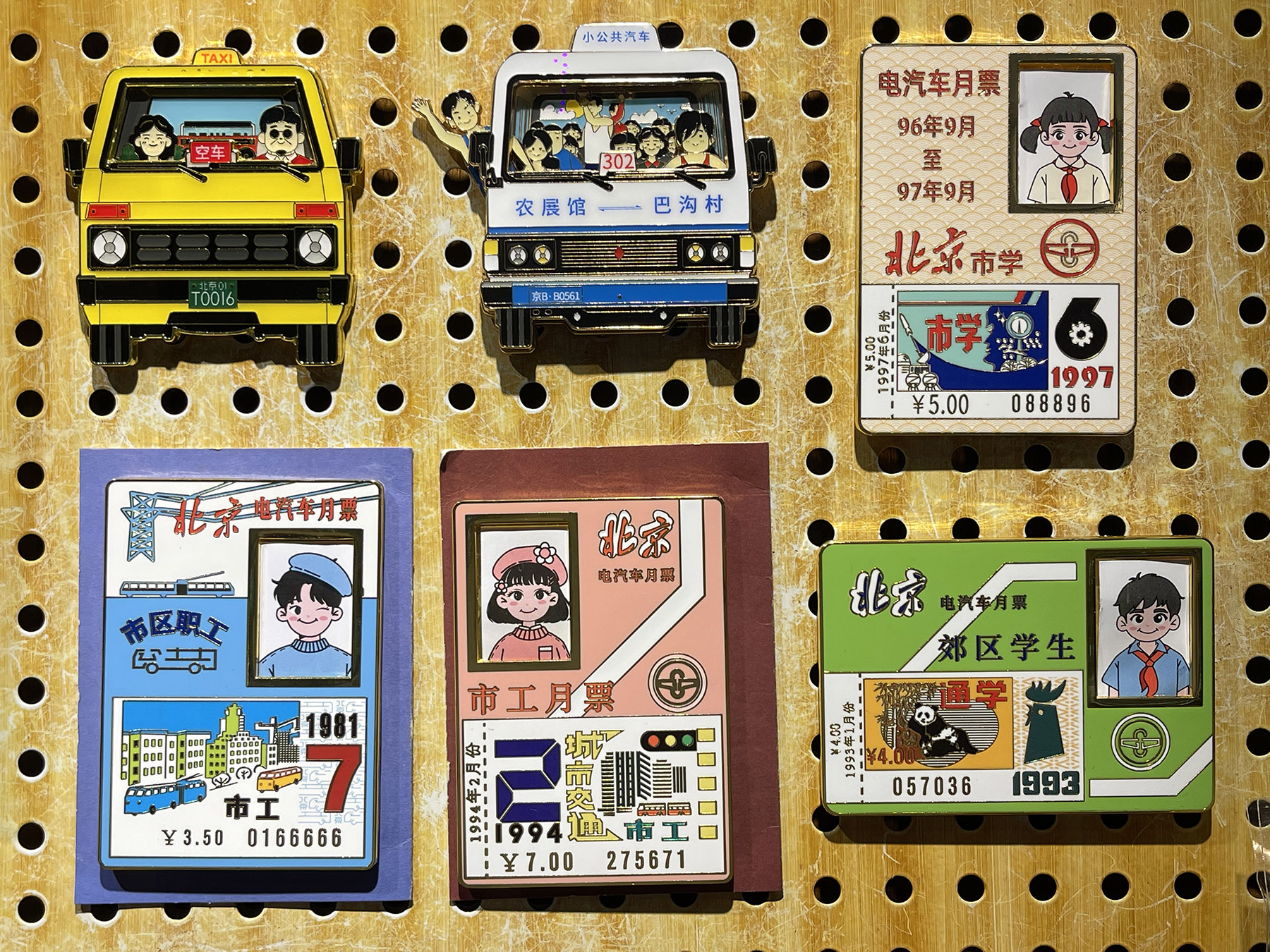
Refrigerator magnets of buses are another bestseller in the store.
Flipping open the outer bus body reveals vibrant scenes of life inside: an auntie deftly knitting, a grandfather leisurely fanning himself, an aluminum lunchbox deformed from being squeezed into a mesh bag.
They all derive from the mind of the shop's founder, who was born in the 1960s and used bus passes in his youth. The founder suggested drawing inspiration from them for new products, Wang recalls.
The team then studied old photographs and later launched refrigerator magnets replicating the passes from the 1980s and '90s.
Wang emphasizes that her design team consists mostly of Beijing natives, and nearly all their ideas are drawn from deep-seated memories of local life.
"These elements, so intimately connected to people's lives, easily evoke emotional resonance, creating an emotional link between the cultural product and the customer," Wang explains.
Qiu from the Beijing Municipal Bureau of Culture and Tourism says the future path involves persistent cooperation to upgrade the entire industry ecosystem.
"As a cultural emblem of the capital, the Beijing Gifts program is a bridge for communication. Through these gifts, we are committed to presenting China's image to the world and sharing the profound depth of our traditional culture," she says.
Contact the writer at yangfeiyue@chinadaily.com.cn
