

Documentary explores composer's artistic solitude, and his mentorship inspiring generations today, Chen Nan reports.
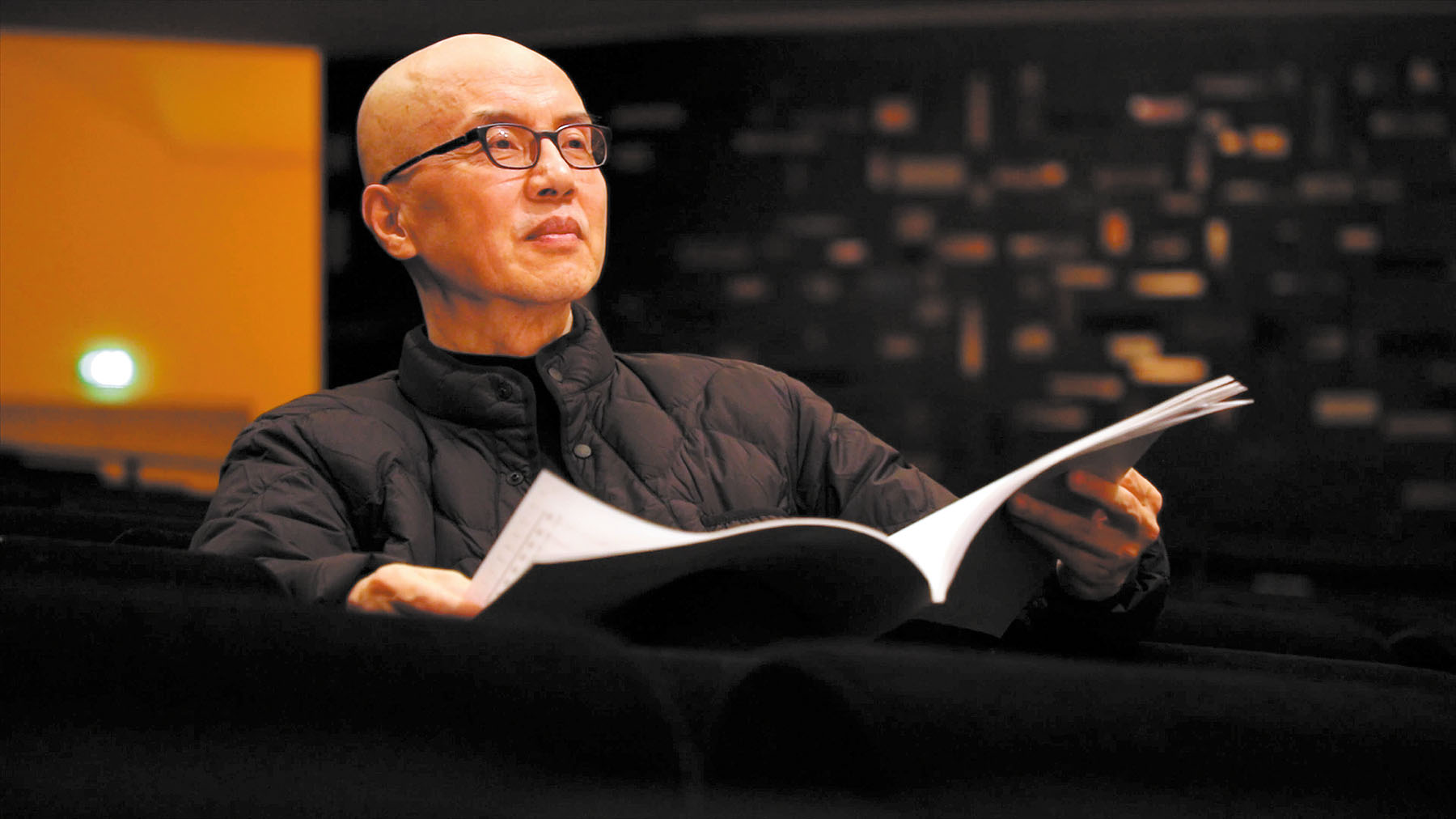
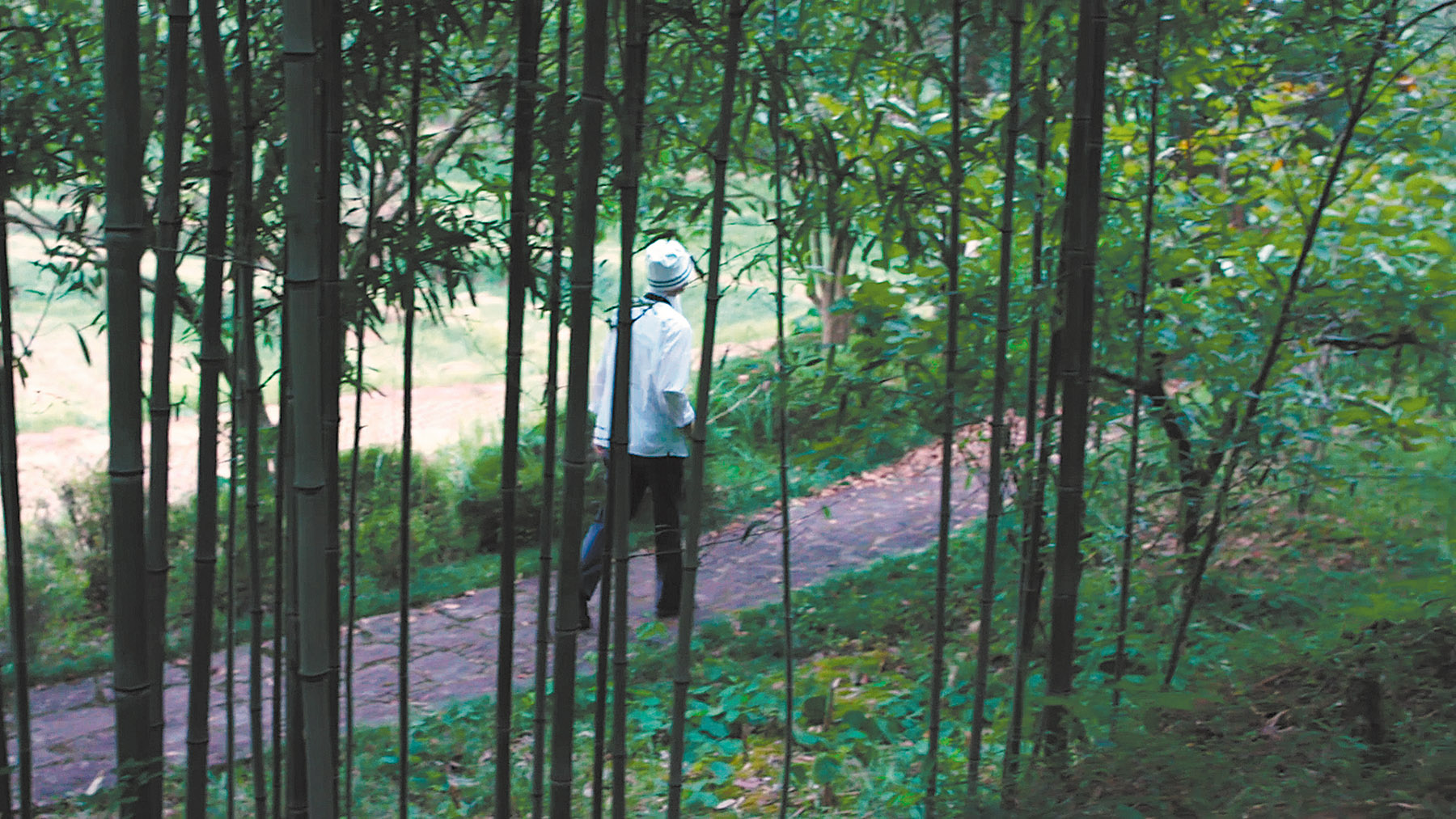
On a misty evening in Zhejiang province, Guo Xufeng stepped out of his car after a long drive from Hangzhou. The sky was fading into dusk. Ahead of him, a river blocked the road, veiled in thick fog. Realizing he would have to cross the river by boat, Guo took in the surreal scene — fog rising off the water, the silhouettes of distant mountains, and stars just beginning to appear.
"I felt like I was going to meet a hermit," he recalls.
That moment at the river's edge marked the beginning of a journey far deeper than Guo had anticipated — a journey into the life and music of one of China's most celebrated composers, Chen Qigang.
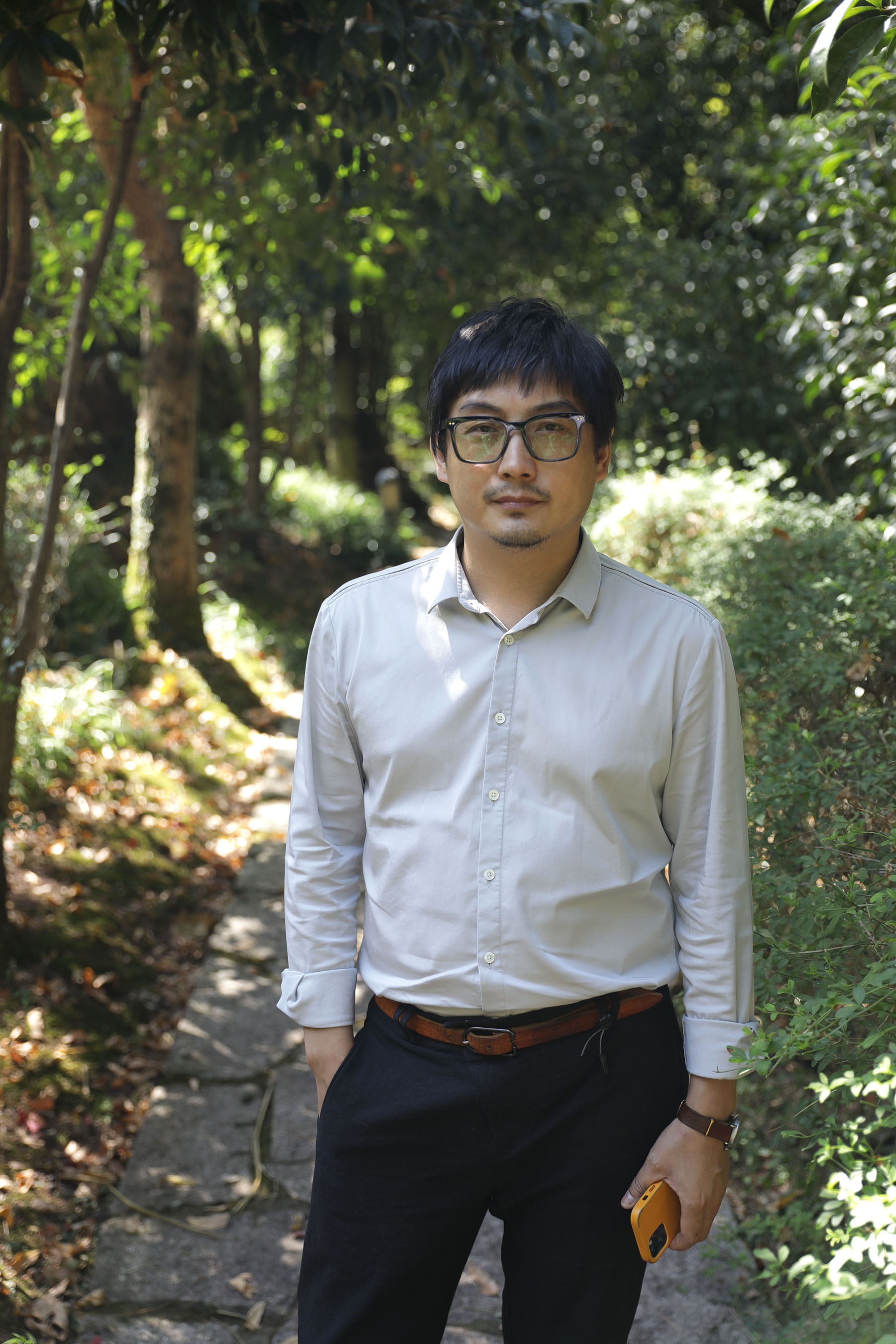
A devoted music lover who once dreamed of becoming a composer himself, Guo was not just seeking to meet a renowned figure. He came with a mission to capture the essence of Chen's life and work through a documentary.
READ MORE: Beijing orchestra strikes European chord
Seven years later, that mission became the film Hidden Landscapes, which was finally released on Nov 25. For Guo, it is both a tribute to Chen's musical legacy and a testament to his own persistence behind the camera. Over those years, Guo revisited the footage countless times, revising and editing the material until it fully captured the essence of Chen's artistry and life.
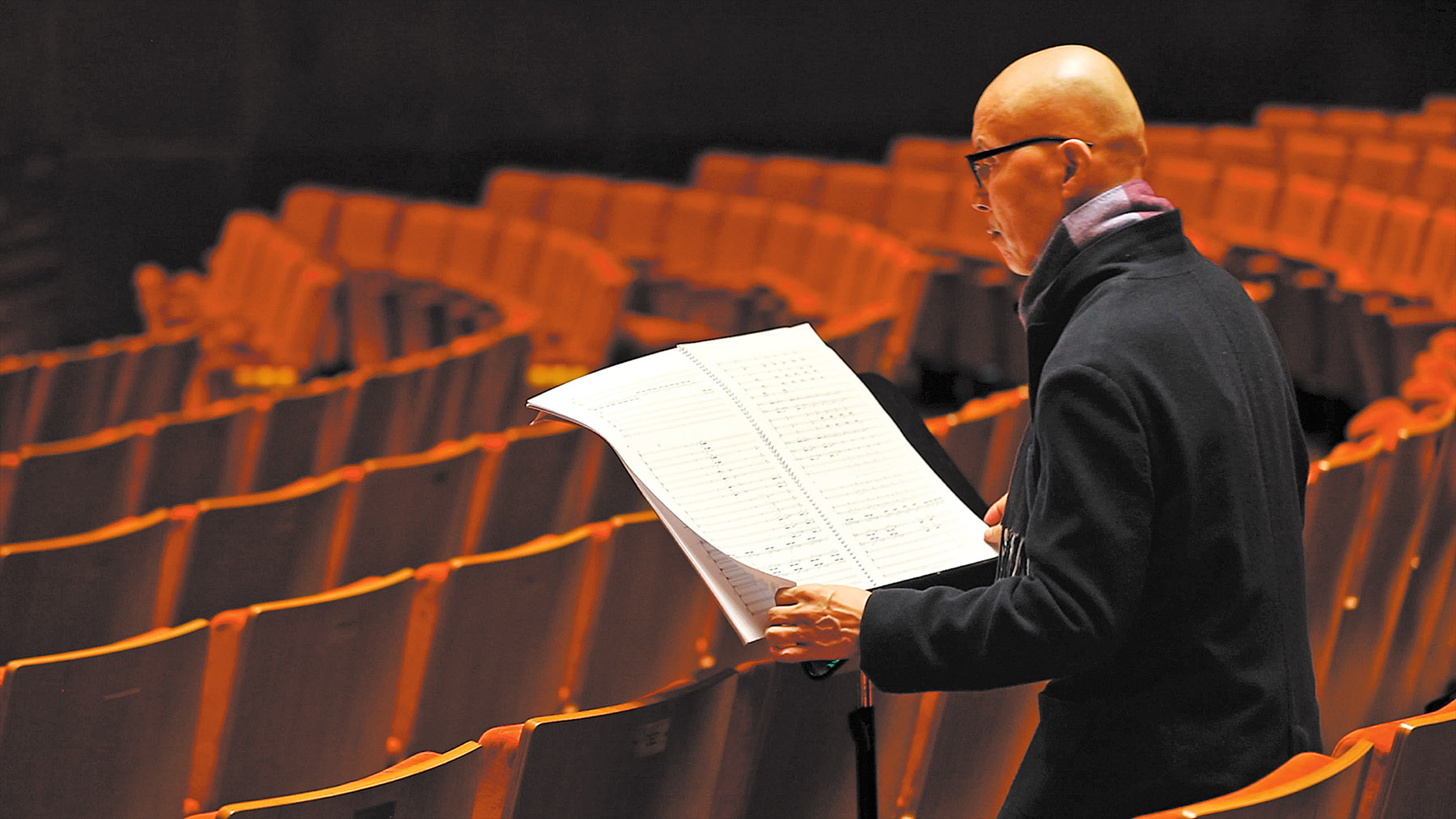
Guo, who previously worked as a documentary director for a major media platform, followed the renowned composer to various locations, including Beijing, Paris, Sydney, Melbourne and countries like the Netherlands and Wales. The documentary also records live performances of Chen's works by an array of world-class musicians, among them cellist Gautier Capucon, pianist Lang Lang and conductor Yu Long.
In Hidden Landscapes, Chen's evocative works, such as Instants d'un Opera de Pekin, Er Huang, and La joie de la souffrance, are featured, showcasing his ability to blend Eastern and Western musical elements into a uniquely personal and lyrical style.
"It wasn't just his music that fascinated me — it was his independence, his refusal to be bound by society's expectations. What I admired most was his unwavering commitment to his own path," says Guo.
Born in Shanghai, Chen came to Beijing in 1977 to study at the Central Conservatory of Music. Alongside his classmates, including Tan Dun and Guo Wenjing, Chen was among the first group of students to be admitted to the university after the "cultural revolution" (1966-76). They've also become the first generation of Chinese composers to enjoy recognition among Western audiences.
Chen's life has been one of extraordinary achievements and painful losses. From studying in France under the tutelage of French composer Olivier Messiaen, to composing the music for global events like the 2008 Beijing Olympics and scoring films for director Zhang Yimou, including Under the Hawthorn Tree and Coming Home, Chen's career has been marked by groundbreaking work.
Yet, his path has also been shadowed by pain, including the death of his son in 2012 and a later battle with cancer.
In recent years, he chose to retreat to the quiet mountains of Zhejiang, where he offers free music workshops and mentors young composers — a decision that Guo saw as a symbol of his rare independence and inner strength.
Guo's own journey toward making the documentary began modestly, with letters and emails. At first, Chen was cautious and hesitant. Their first meeting took place over breakfast, during which Chen, sharp-eyed and probing, questioned Guo intensively about his motives and plans. In response, Guo laid bare his intentions.
"I told him that my goal wasn't to glorify his works, but to preserve the spirit of his art, to share it with the world," Guo recalls. He also told Chen that the documentary would be released on a cultural video platform he had created himself, using his own funds.
Despite his skepticism, Chen was moved by Guo's sincerity. The two quickly bonded over their shared passion for music and the desire to pass on something meaningful to future generations. "It was my sincerity that touched him, I guess, just as he once wrote to Messiaen asking to become his student, and in the end became Messiaen's last pupil," Guo says.
What Guo had imagined as a one — or two-year project gradually stretched into seven. There were practical obstacles, from scheduling international shoots to clearing music rights, but the biggest challenge emerged in the editing room. With each trip and interview, footage accumulated faster than he could shape it. The film went through more than 10 major revisions, and with every new cut, Guo felt that he was peeling back another layer of Chen's life.
The patience and focus Chen had exhibited throughout his career became a guiding principle for Guo.
A week before the documentary's official release, Guo visited the Central Conservatory of Music in Beijing, where students watched a special screening. After the lights came on, a recording from Chen was played, in which the composer spoke candidly about the project, his support for young musicians and his own vulnerabilities.
"I cannot talk in front of the camera due to my health," Chen said, "but I am happy to talk to you through this recording." He shared his struggles over the past five or six years, his hope for improvement that slowly gave way to a gradual decline. "When I see myself in the film — round-faced, healthier — I almost don't recognize that person. The long-term medication has altered my body, even darkening my skin."
Despite these changes, Chen remains focused on his craft. "The film was incredibly difficult to make," he said. "I want to thank Guo Xufeng. He's been persistent without financial support, not knowing what the outcome would be. He spent years revising this documentary, 10 rounds of edits, never once losing patience. I admire that."
Looking back at the changing landscape of composition today, Chen offered the young artists some direct advice: "What young composers need today is not to chase trends or sell themselves. You must create as yourself. Don't worry about being the best in your class or winning awards. To be a true composer, you must suffer — whether emotionally or materially. If you've never faced hardship, you can't truly compose. This path demands courage, and often it's a lonely one.
"In the past, schools taught us techniques, 'Chinese style', 'Western style', avant-garde, conservative … but these ideas are already in the past," he noted. "Today, new tools — like AI — offer new perspectives. But let me tell you: AI can never replace the human soul. It can expand your thinking, but it cannot replace your heart."
As for his own recent creative output, Chen admitted: "In the past six years, I haven't completed a single piece. I've tried, but illness held me back. There were days when I felt lost, even crying multiple times. Losing my family, these are thoughts too heavy to voice. But all of this — pain, love, loss — forms the foundation of my music. Over time, even suffering becomes precious. It's about facing yourself honestly and creating from that place of vulnerability."
ALSO READ: Commissioned music creates cultural bonds
For Guo, Hidden Landscapes is not an ending but a turning point. As he reflects on his journey with Chen, Guo speaks with admiration of the composer's enduring influence on his own life and approach to filmmaking.
"Chen's story has deeply shaped how I see both art and life," Guo says. "His quiet strength, his independence, and his refusal to compromise on his beliefs — it's something that will stay with me forever. His influence will continue to guide me."
Looking ahead, Guo's next project remains undefined. "I don't have a subject in mind yet," he admits. "But my goal will always be the same: to authentically capture and document the real life of my subject."
Contact the writer at chennan@chinadaily.com.cn
