

Rare treasures offer insights into cultural exchange across Asia, the Middle East and Europe, Zhang Kung Kun reports.
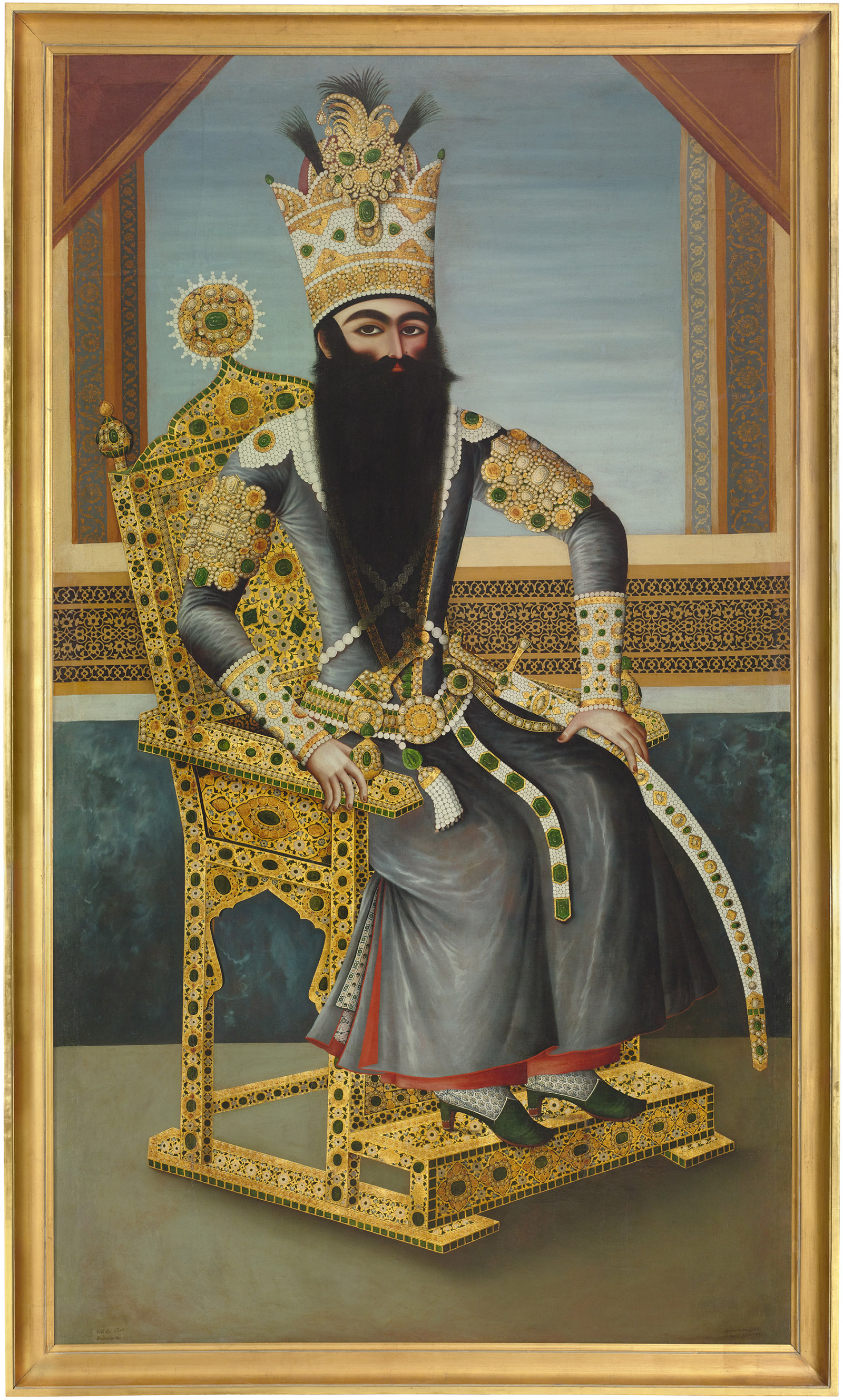
For the first time, treasures from the Louvre in Paris, France, are on display in a large-scale exhibition in Shanghai.
On Saturday, The Wonder of Patterns: Masterpieces from India, Iran and the Ottoman World from the Musee du Louvre will open at the Museum of Art Pudong in Shanghai, presenting more than 300 artifacts from the Louvre's collection.
The exhibition has been curated exclusively for the MAP in Shanghai, with exhibits encompassing a wide range of mediums including ceramics, jewelry, jade, glass, carpets, paintings, and sculptures. It will offer a broad perspective spanning the 16th to the 19th centuries.
"This is a remarkable period in the Islamic world when intense convergence between the cultures of the East and West took place," says Judith Henon, deputy director of the Louvre's Department of Islamic Art and curator of the exhibition.
She explains that the event not only showcases how the design and aesthetics of different patterns flourished, but also bears witness to the dynamic process through which cultures and arts absorb, collide, and reorganize each other while in motion. Many of the exhibits are being shown to the public for the first time since being acquired by the Louvre.
Opening in 1793, the Louvre is the national museum and gallery of France, and the most-visited art museum in the world. The Louvre presents approximately 33,000 works of art to the public in its 70,000 square meters of exhibition space. Among the most celebrated masterpieces are the Mona Lisa by Leonardo da Vinci, the Winged Victory of Samothrace, and the Venus de Milo.
The Islamic department at the Louvre has a vast collection of more than 20,000 artifacts, Henon says. "We haven't had such a large-scale collaborative exhibition since the opening of the Islamic department at the Louvre in 2012."
The Louvre was able to loan these treasured pieces to Shanghai because the Islamic department is under refurbishment. "We have selected the most precious and beautiful artifacts from this period for this exhibition," she says during a preview on Dec 4. "We hope Chinese audiences will make some new discoveries at the exhibition, and see the influence of Chinese culture on the world, including the Islamic world."
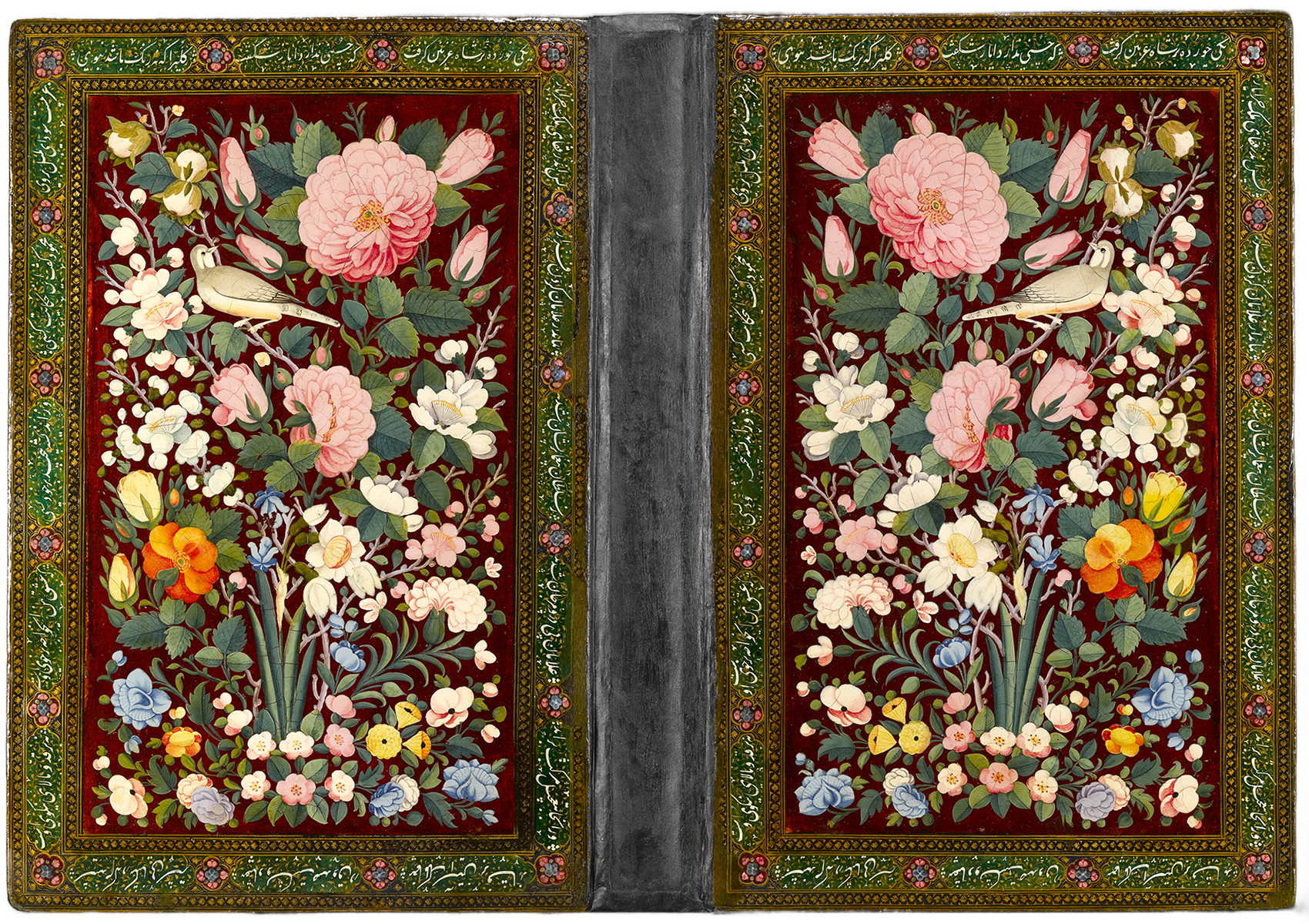
The rose and the nightingale as a prominent motif in Persian art, for example, is widely found in paintings, book bindings and lacquer art. It is less known to the public in China that the pattern originated from the Chinese bird-and-flower paintings in the Song Dynasty (960-1279).
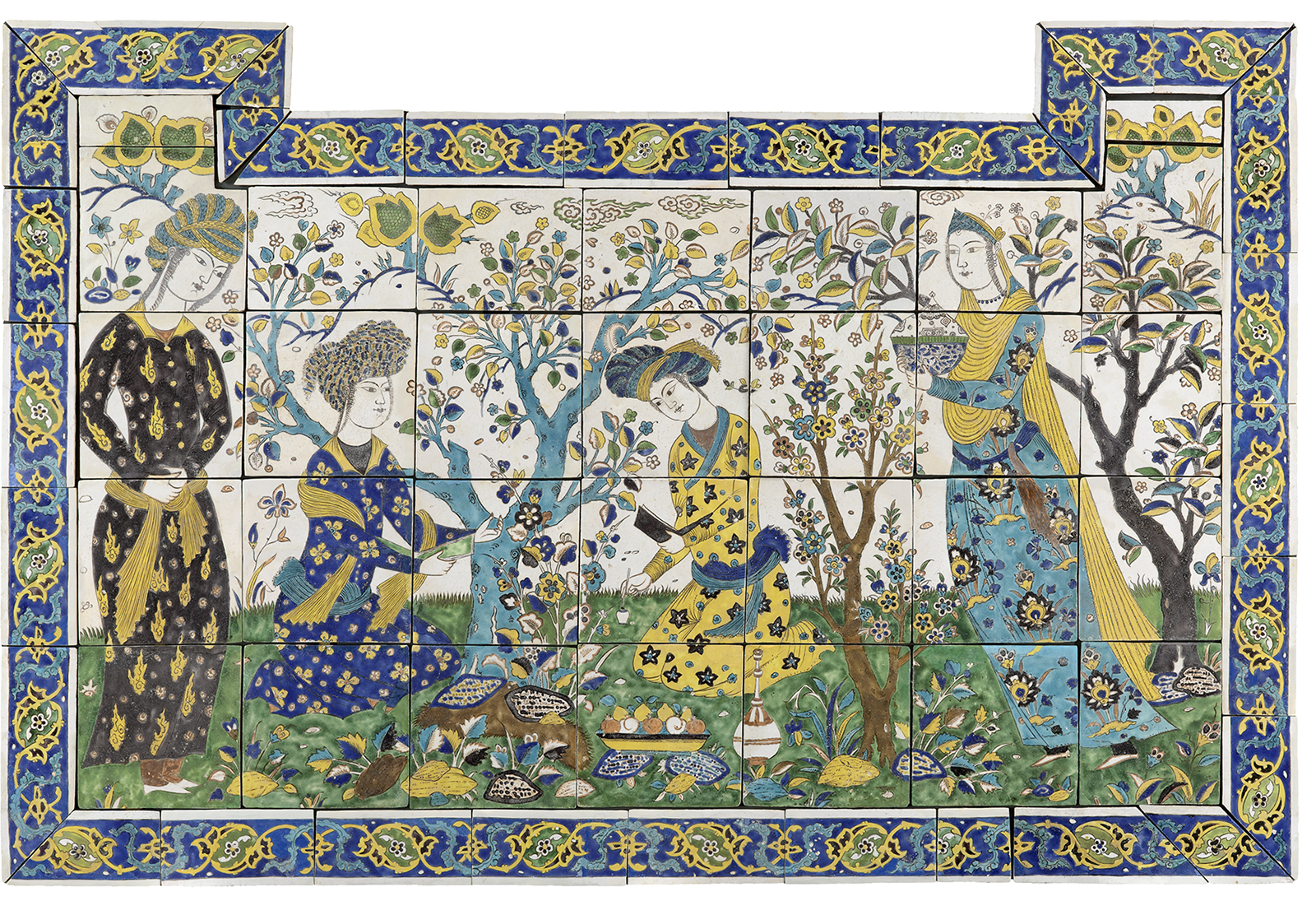
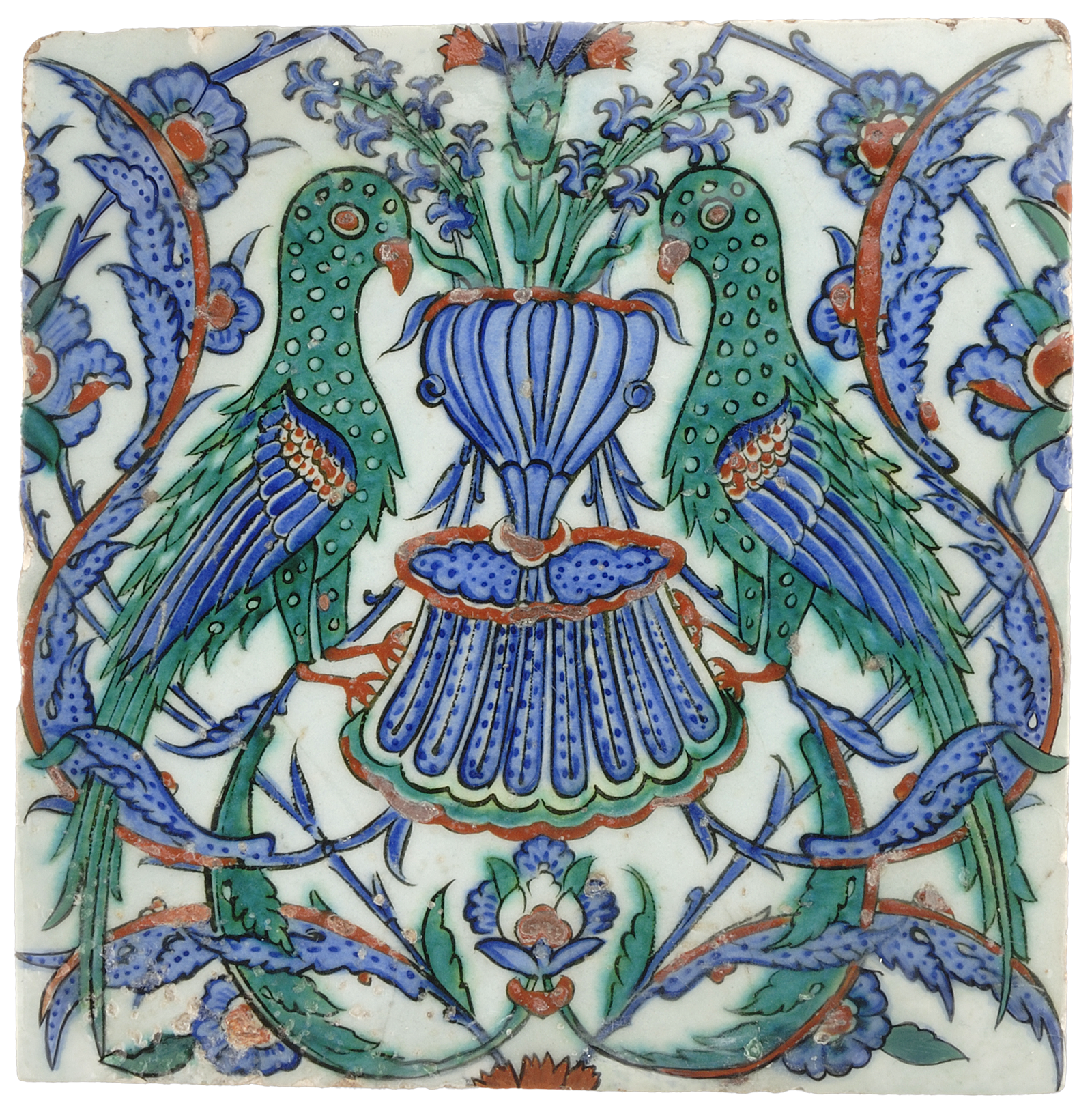
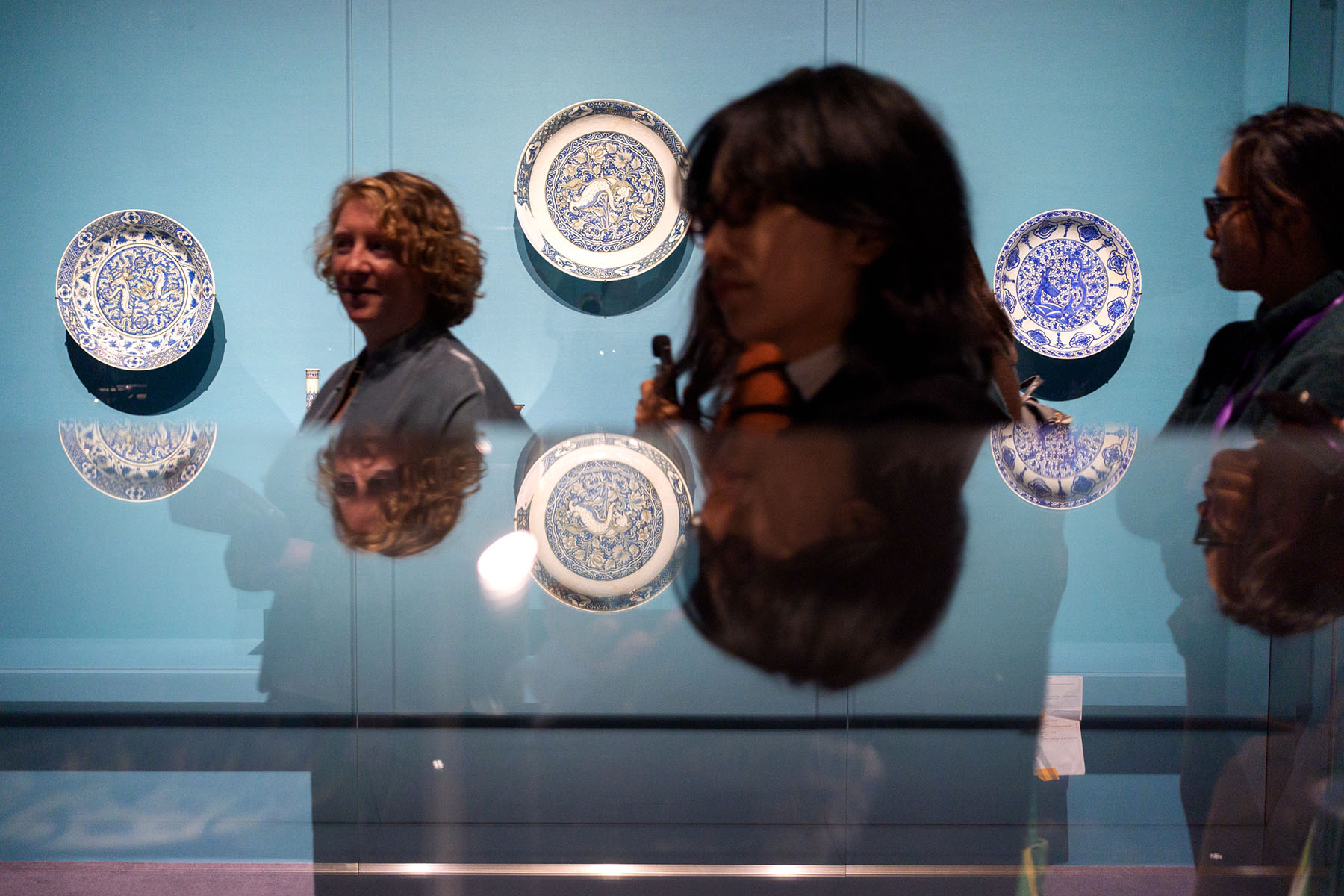
During the 16th to 19th centuries, Chinese ceramics were taken to Iran with the spice trade. The local aristocrats loved these luxurious Chinese wares, and had cabinets made especially for their storage and display. Later on, local artists, inspired by the patterns on these Chinese objects, created their own works.
From the ceramic exhibits, visitors will learn how Persian ceramic art evolved from the influences of Chinese porcelain to develop its distinctive characteristics, reflecting the aesthetics of the aristocrats and scholars of the Ottoman world.
Iranian ceramics were made from clay different from that used in China, which made the pieces more fragile. "They were difficult to conserve, so there are not many surviving pieces," Henon says.
In order to bring an immersive experience to visitors, the exhibition has two galleries designed to represent the royal and civilian residences of the Ottoman world. "We hope visitors will feel like they have stepped into the Islamic world of that period," she says.
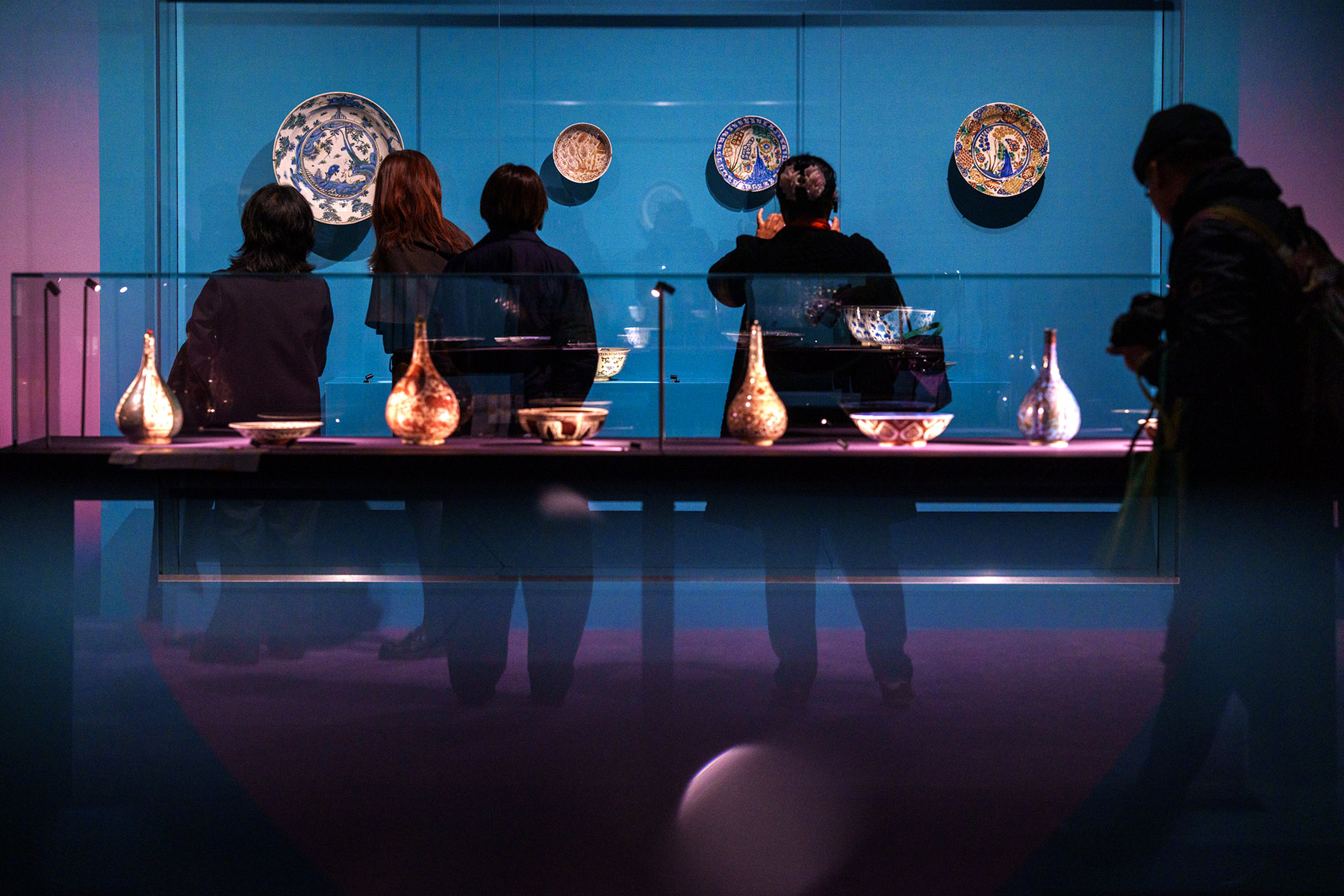
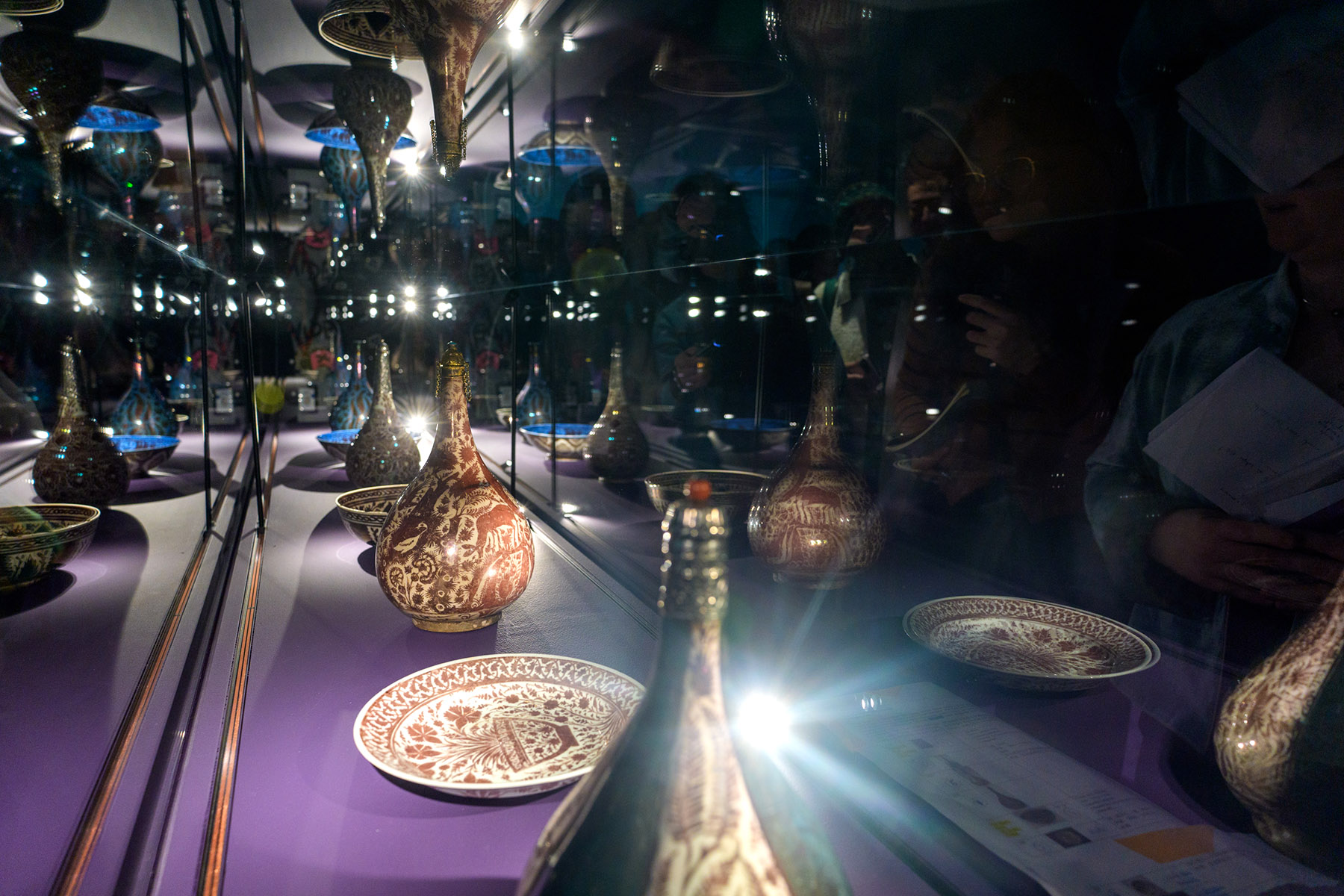
The Louvre exhibition at the MAP features scenography designed by Cecile Degos, who was also the designer of the Musee d'Orsay exhibition. The exhibition Paths to Modernity: Masterpieces from the Musee d'Orsay, Paris took place at MAP from June 19 to Oct 26, and received a record-breaking number of more than 1 million visitors in 130 days.
"As far as we are aware, the Louvre rarely holds exhibitions away from home," says Li Minkun, chairman of MAP, and deputy general manager of Shanghai Lujiazui Group. "But after multiple rounds of communication between the two of us, the Louvre learned that although it has not been long since the founding of the Shanghai museum, we have collaborated with many internationally renowned institutions, such as the Tate in the UK, the Metropolitan Museum of Art in the United States, the Prado Museum in Spain, and most recently the Musee d'Orsay in France.
"In fact, these museums communicate with each other, and they agreed that judging from the venue, professional competency of our staff, as well as our management capabilities, we have met their expectations as a partner for exhibition collaboration."
Li adds: "I believe the Louvre decided to work with us after serious consideration. Also, we have agreed to have more collaborations later on."
MAP is one of the newest landmarks in the heart of Shanghai's Lujiazui area on the eastern bank of the Huangpu River. Designed by the Pritzker Architecture Prizewinning French architect Jean Nouvel, the museum opened to the public in 2021, aiming to "presenting world-class exhibitions and promoting international cultural exchange".
ALSO READ: Displaying Spain's splendor
Another heavyweight exhibition will open at the museum on Dec 22. Picasso Through the Eyes of Paul Smith will be presented by the MAP in collaboration with the Musee National Picasso Paris. The exhibition has been curated by the renowned British designer Paul Smith, offering a fresh perspective on the oeuvre of the Spanish master Pablo Picasso. It will feature more than 80 original works of Picasso, covering a wide range of mediums such as oil paintings, sculptures, reliefs, prints and ceramics.
Meanwhile, the MAP will also carry out broader cross-disciplinary collaborations centered around the theme of these two exhibitions, partnering with multiple landmark sites in Shanghai such as the Peace Hotel, to launch a series of joint initiatives, allowing art to extend beyond the confines of the museum and create new interactive spaces between culture, commerce and tourism.
Contact the writer at zhangkun@chinadaily.com.cn
