

Clear guidelines set on domestic violence, custody changes, protection of youngsters
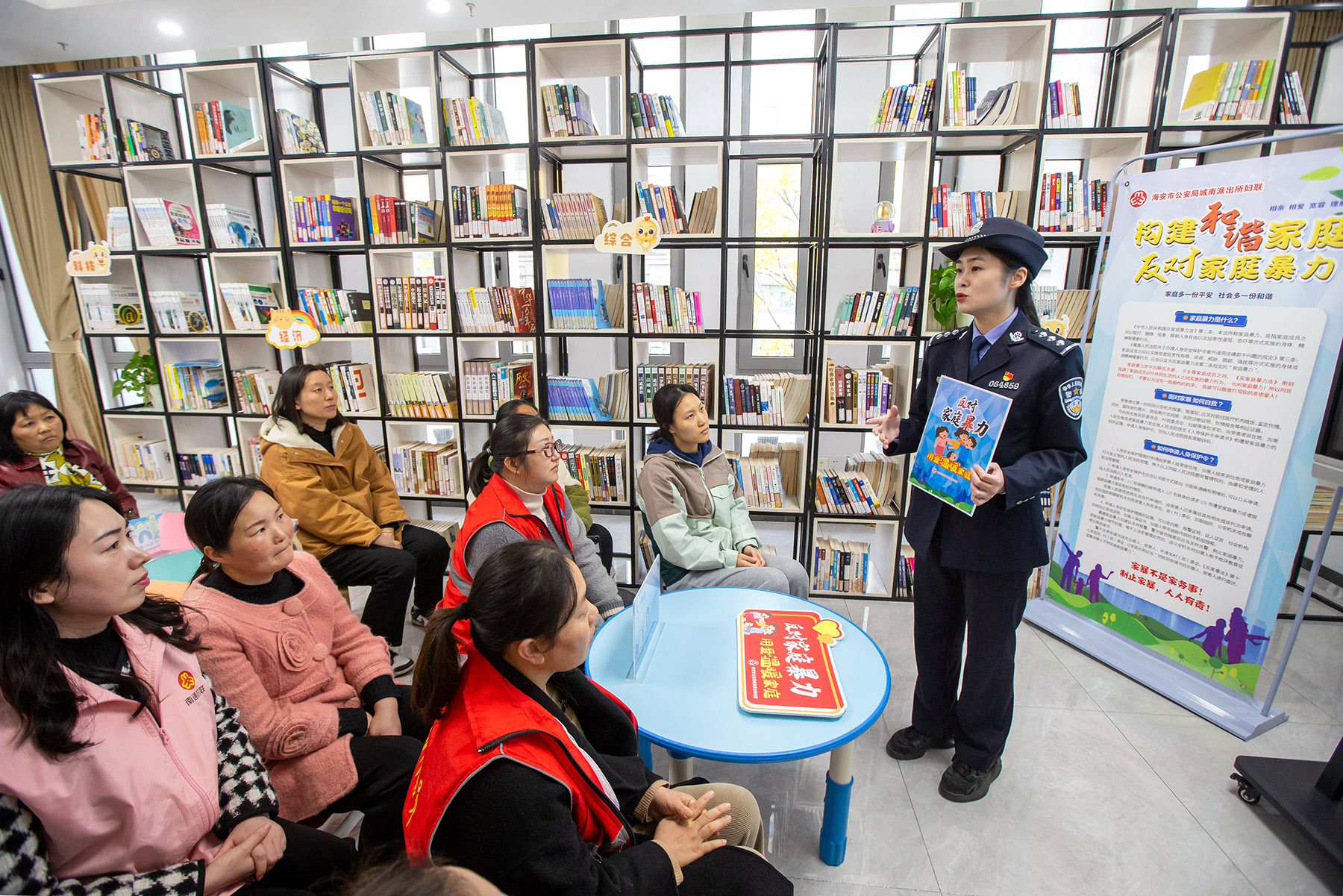
In China, the traditional belief that strict — and sometimes physical — discipline results in obedient and well-behaved children still persists in some families. However, legal research and numerous cases have shown that such methods can easily lead to psychological trauma, behavioral issues and physical injuries, potentially constituting domestic violence or child abuse.
In late November, the Supreme People's Court highlighted eight landmark cases, underscoring a "zero tolerance" approach to those who harm family members and stressing the importance of protecting minors in domestic violence situations.
The country's top court said courts at all levels must prioritize the well-being of children in their handling of cases, and stated that parents or guardians who use violence as a means to discipline or educate children are committing a potential act of domestic violence.
READ MORE: Calls for tough punishment for school abuse
It has also clarified that Chinese courts will support changes in child custody arrangements if it is found that violence has caused a minor to develop a distorted understanding of family relationships, mental health issues, or undertake imitative behaviors.
"Parents do not have any extralegal privilege to commit domestic violence against their children," Tong Lihua, director of the Beijing Children's Legal Aid and Research Center, told China Women's News.
For parents who use cruel violence and cause serious harm to their children, judges should not only recognize their actions as domestic violence but also evaluate whether the abuse was intentional, taking into account the methods and frequency of the abuse, Tong said.
The law should be fully utilized to deter and penalize perpetrators and ensure a safer society, he said.
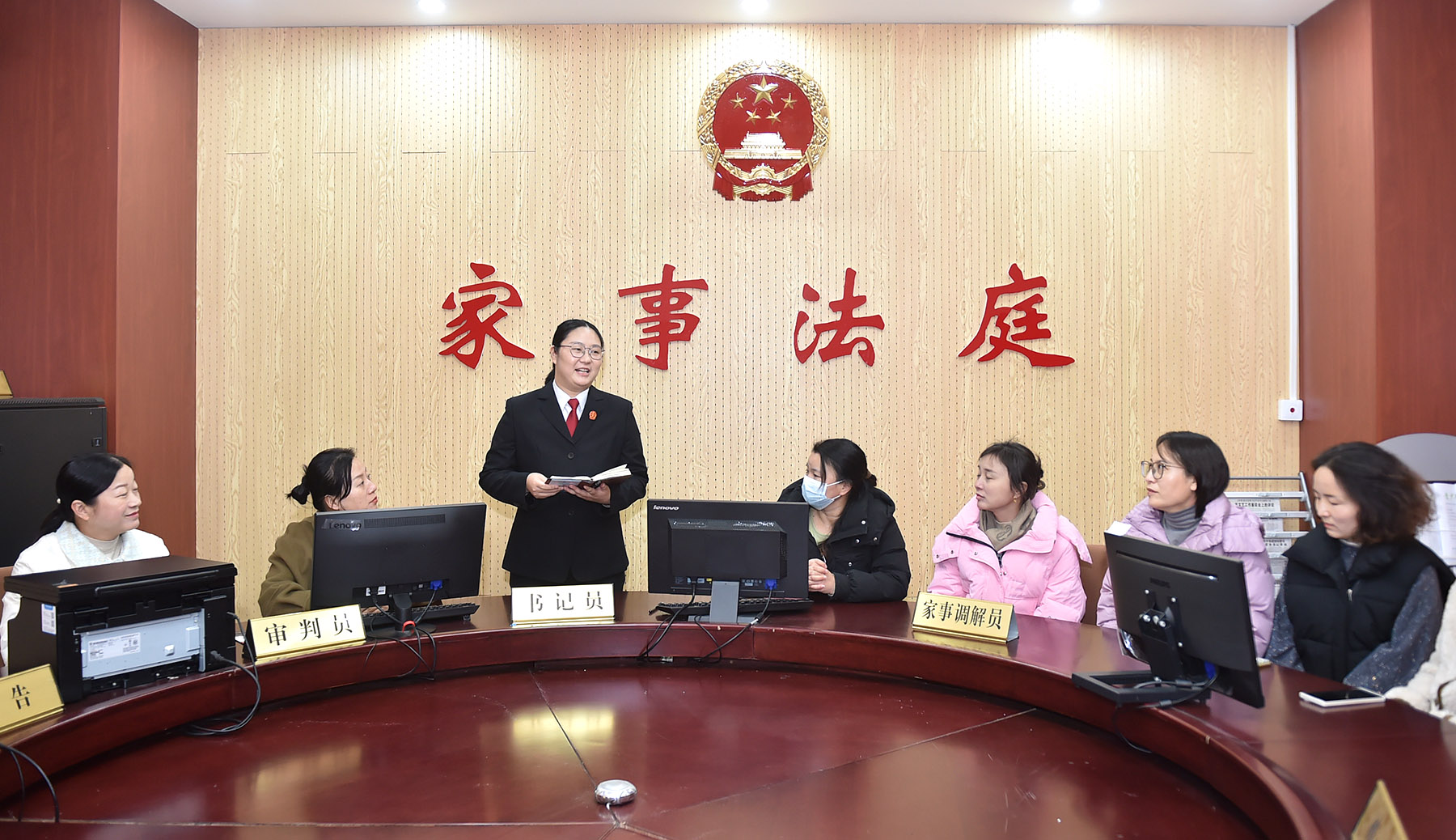
Discipline vs violence
In December 2024, a woman surnamed Li from Changning district, Shanghai, sued her ex-husband, surnamed Pang, and sought custody of their daughter after discovering he had repeatedly beaten, scolded and physically punished the 11-year-old.
The girl lived with Pang following the couple's divorce, according to case details released by the top court. Li contacted local police in March 2023 when she discovered Pang had used a slipper to hit the child's mouth, causing bleeding.
In September 2024, Li again called the police and accompanied her daughter for medical treatment after Pang whipped the child on the buttocks, thighs and other areas with a belt. The medical diagnosis revealed that the child had multiple bruises on her left arm, left thigh, and buttocks.
During police questioning, the girl said she had been repeatedly beaten by her father and she wanted to live with her mother. Li noticed that the child was emotionally withdrawn and suffered from insomnia, so she took her for psychological counseling. After visits to local mental health centers, the girl was diagnosed with severe depression.
Pang admitted to having a drinking habit and said when he was confronted with the child's physical and emotional trauma, his actions were merely normal discipline rather than violence. He claimed that the girl's depression had nothing to do with him.
After an investigation, the Changning District People's Court determined that Pang's beating and scolding of the girl constituted domestic violence. In February, it changed custody of the child to the mother.
The child has taken a leave of absence from school since September 2024 and is still on medication and receiving psychological treatment, the court revealed. To prevent her from being further harmed, it also provided her with psychological support during the handling of the case.
The top court highlighted the ruling, and reaffirmed that violent disciplining of children should be recognized as domestic violence.
"Children are not the private property of their parents. As guardians, parents should fully respect the personal dignity and development of minors," it said.
"Frequent verbal abuse and physical punishment of children exceeds the reasonable limits or normal parental education and seriously deviates from the true intent of family education," it added, emphasizing that this is prohibited under the Anti-Domestic Violence Law.

Custody changes
Perpetrators of violence are generally not suitable to care for minors, the court said, noting that parental violence damages the parent-child relationship and harms minors both physically and psychologically, potentially causing fear and anxiety.
"Growing up in a violent environment, young people may learn violent behaviors and are more likely to become perpetrators as adults," it said. "Therefore, for the healthy development of minors, the custody of a caregiver who uses violent discipline should be promptly changed."
It also called on courts nationwide to pay closer attention to the psychological trauma experienced by minors who witness domestic violence.
Another case disclosed by the court involved a man surnamed Ji and a woman surnamed Su who married in Beijing in 2022.
During her pregnancy and postpartum period, Su sought help multiple times from police and the local women's federation office, claiming that Ji used verbal threats against her, as well as threatening her with a knife and hitting her on the head. Police issued a domestic violence warning to Ji.
In April 2023, the couple divorced and agreed that their daughter would be raised by Ji until she turned 4. Six months later, however, when Su visited the child, she found Ji was not properly caring for her, so she took the girl with her.
In August 2024, Ji sought an intervention from the Chaoyang District People's Court to prevent Su from infringing on his guardianship rights over their daughter.
At the same time, Su initiated a lawsuit against Ji, seeking custody of the child and arguing that she had initially consented to Ji having custody in order to expedite their divorce, a decision driven by domestic violence.
Su provided evidence to the court such as WeChat conversation records, audio recordings and the police warning, to prove Ji had committed acts of domestic abuse multiple times during their marriage.
In addition, Su added that Ji's unstable employment, significant debt, lack of a permanent residence, and violent behavior, along with his insufficient income, made him incapable of properly caring for their daughter.
Taking into consideration the child's age, gender, emotional bonds to both parents and living conditions, and the detrimental impact of the father's domestic violence on the child, the court granted custody to the mother.
The top court explained that, according to international standards, cases involving violence against women, including domestic violence, should consider the safety of the victim and the child when determining custody and visitation rights.
"Protecting the physical and mental well-being of children is a global consensus," it said.
"The decision in the Beijing case reflects the firm judicial stance toward damage between family members, and it also helps prevent inter-generational transmission of domestic violence."
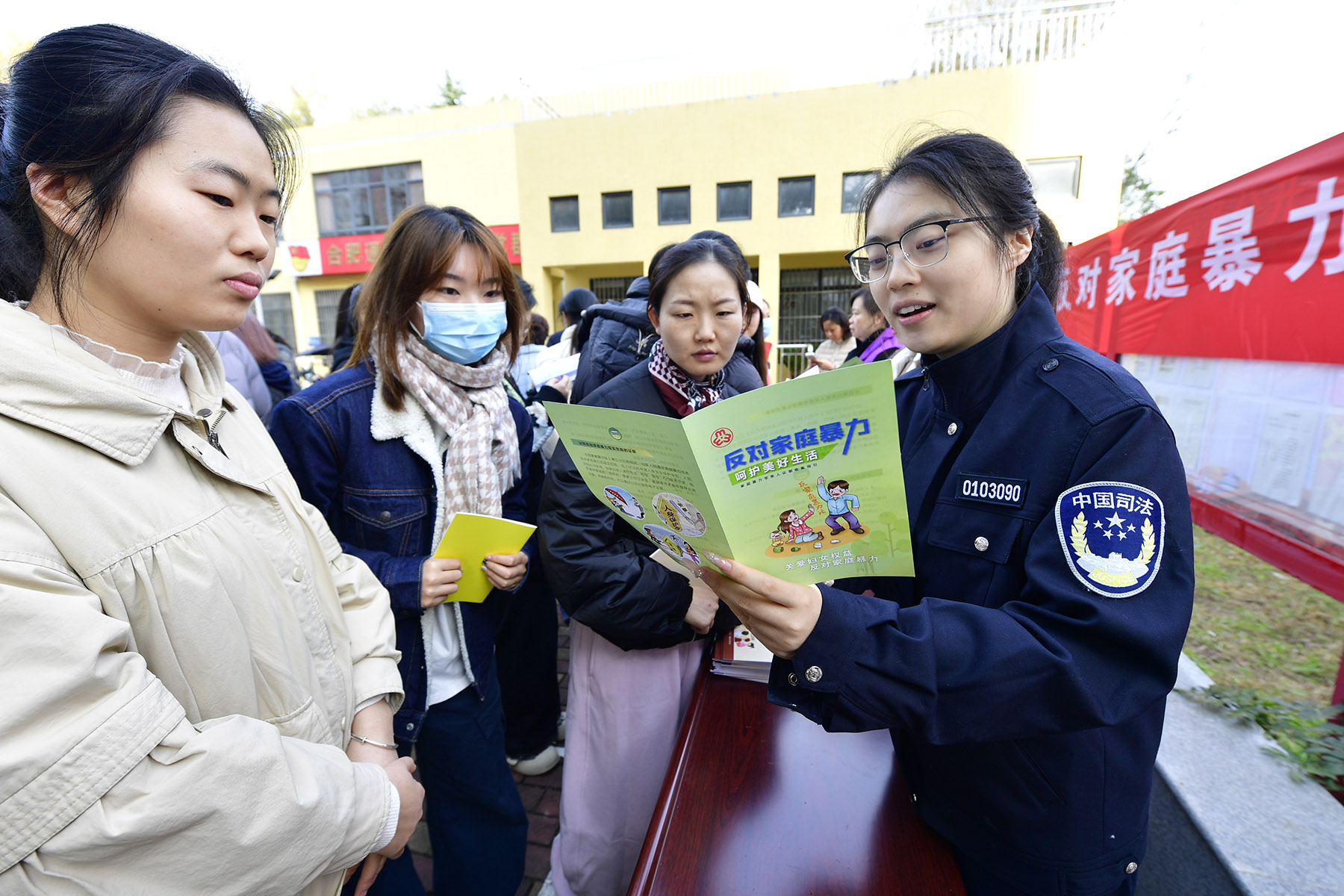
Harsh punishment
Since 2021, Chinese prosecutors have charged over 3,400 suspects involved in domestic violence, according to the latest data released by the Supreme People's Procuratorate.
For those involved in egregious criminal behavior, prosecuting bodies have recommended heavier penalties in line with the law.
Xu Hao, a lawyer from Beijing Jingsh Law Firm, praised the ongoing judicial efforts against perpetrators, but suggested standards of physical injuries and mental trauma should be further specified through legal provisions.
"Some parents mistakenly justify violent behavior, such as hitting and scolding, as normal discipline, which is certainly wrong," he said.
"However, current laws do not clearly differentiate between appropriate discipline and domestic violence. This ambiguity leads some parents to believe that their strict disciplinary methods are acceptable, which creates challenges for judicial workers when handling such cases."
Now, judges primarily consider factors such as the frequency of violent actions and the severity of the harm, when convicting and sentencing perpetrators. Other factors that need to be considered should also be further clarified by law, he said.
Tong, from the legal aid and research center, said many people tend to excuse parents for using harsh methods to discipline their children. In some cases where parental abuse has led to a child's serious injury or death, some courts have even imposed relatively lenient penalties.
"The legal system's role in punishment and deterrence is falling short. Consequently, many perpetrators of domestic violence that lead to death or serious injury escape the punishment they deserve, which also misleads the public into thinking such harsh methods are acceptable," he explained.
In addition to recognizing domestic violence as a crime, he suggested courts impose more severe penalties for intentional injury or intentional homicide based on the perpetrator's violent methods, frequency, intent and the outcome of their actions.
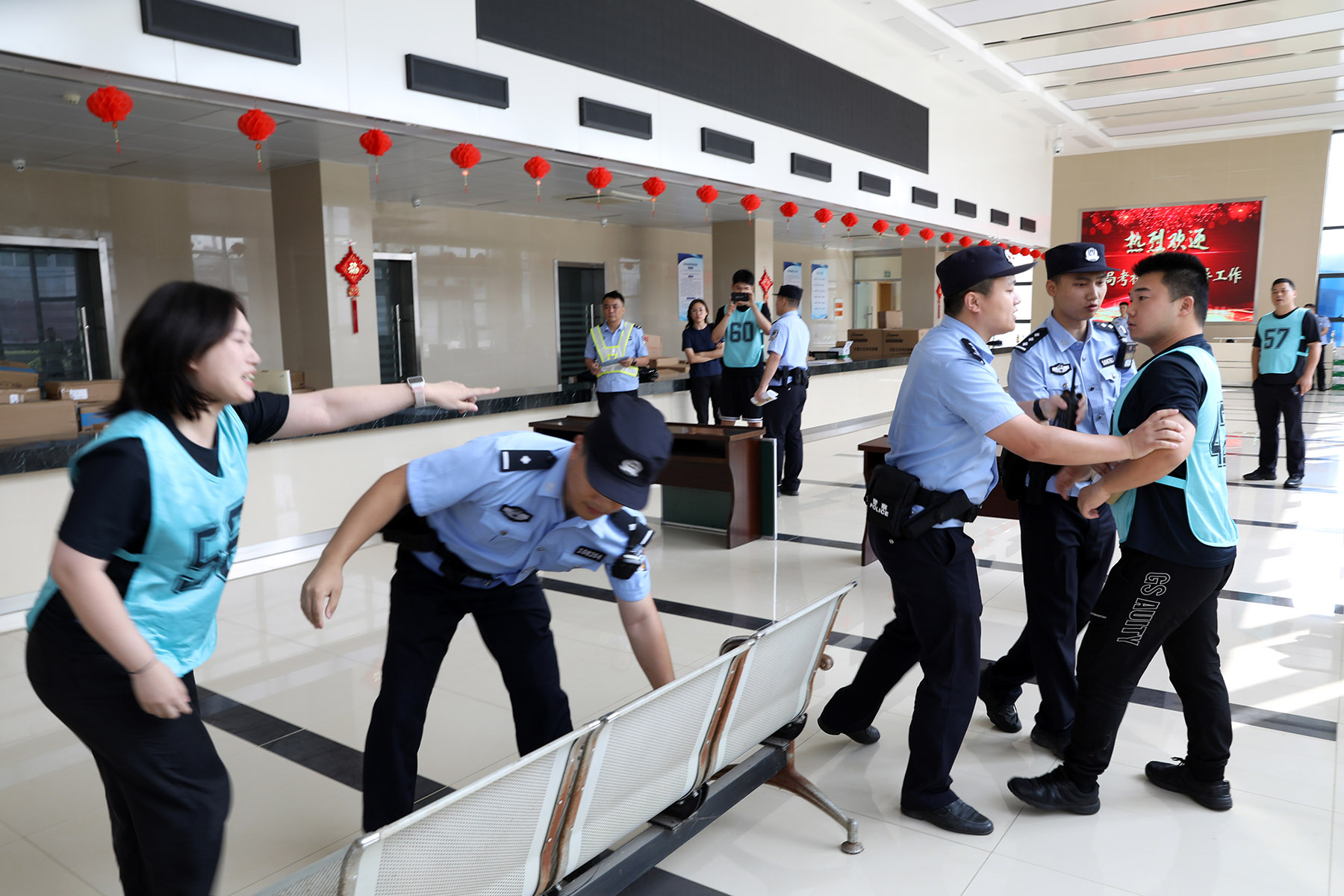
Joint efforts urged
Given the hidden nature of violent discipline of minors, Xu called for the wide sharing of relevant information among community committees, schools, public security organs, hospitals and women's federations.
"For instance, if a school or community committee suspects a child is experiencing domestic violence, they should immediately share the situation with the local police station and local women's federation," he said.
Taking into account the challenges in gathering evidence in such cases, he also suggested that authorities form a specialist team of investigators. "After being trained, this team can aim to enhance professionalism in handling such cases and provide necessary psychological support for minors who are victims," he noted.
The psychological abuse inflicted by some parents through insults and denigration is generally less noticeable than physical harm, he said. Investigators should be encouraged to pay more attention to children's emotional states, such as excessive anxiety, frequent nightmares, insomnia, diminished social skills or aggressive behavior toward peers.
"If such behaviors are observed, it is crucial to promptly refer the child to a medical institution for treatment and retain the diagnosis reports for conditions like depression and post-traumatic stress disorder," he said, adding that these reports serve as compelling evidence of the consequences of domestic violence.
Li Jing, a legal professional from the China Institute of Applied Jurisprudence, said whether inside or outside the home, committing violence is illegal. Those experiencing domestic violence should make a report to the police and apply for a personal safety protection order from the courts as soon as possible, she said.
Village and community committees, women's federations, civil affairs departments and employers also have the duty to assist the victims in protecting their legitimate rights, Li said.
ALSO READ: Authorities put cyberbullies in crosshairs
She said psychological violence is also a form of domestic violence. Even if individuals are not family members, those experiencing harm in a cohabiting situation, and romantic or post-divorce relationships, are also entitled to seek legal protection, Li said.
Luo Shuang, an associate professor of family education at the Capital Normal University in Beijing, suggested that for some divorced or single-parent families, their neighborhoods can offer family education guidance and provide support to build harmonious family relationships.
"Children are individuals with independent personalities and unique characteristics. Parents should respect minors and avoid treating them as objects to be controlled, and not use grades and scores as the sole criteria for evaluation," China Women's News quoted her as saying.
"Parents should also be tolerant, balancing discipline with kindness, using punishment cautiously and refraining from domestic violence," she added.
"It's also essential to provide children with life education, telling them to cherish life and enhancing their legal awareness and ability for self-protection."
Contact the writers at caoyin@chinadaily.com.cn
