

BANGKOK - The Thai government's vaunted policy of giving away 10,000 baht ($282) to most of its population had an early setback on Thursday when millions rushed to sign up on the opening day and crashed the registration system.
By early afternoon, 10.5 million people had applied to join the scheme but millions more could not access the registration portal, many complaining they did not receive text message passcodes to complete the process.
The government has bet heavily on its 500 billion baht ($14 billion) "digital wallet" to stimulate an economy struggling from high household debt and weak spending, but the scheme has been delayed due to uncertainty over funding sources.
Critics, including respected economists and some former central bank governors, have complained the scheme was short-sighted and fiscally risky, which the government rejects.
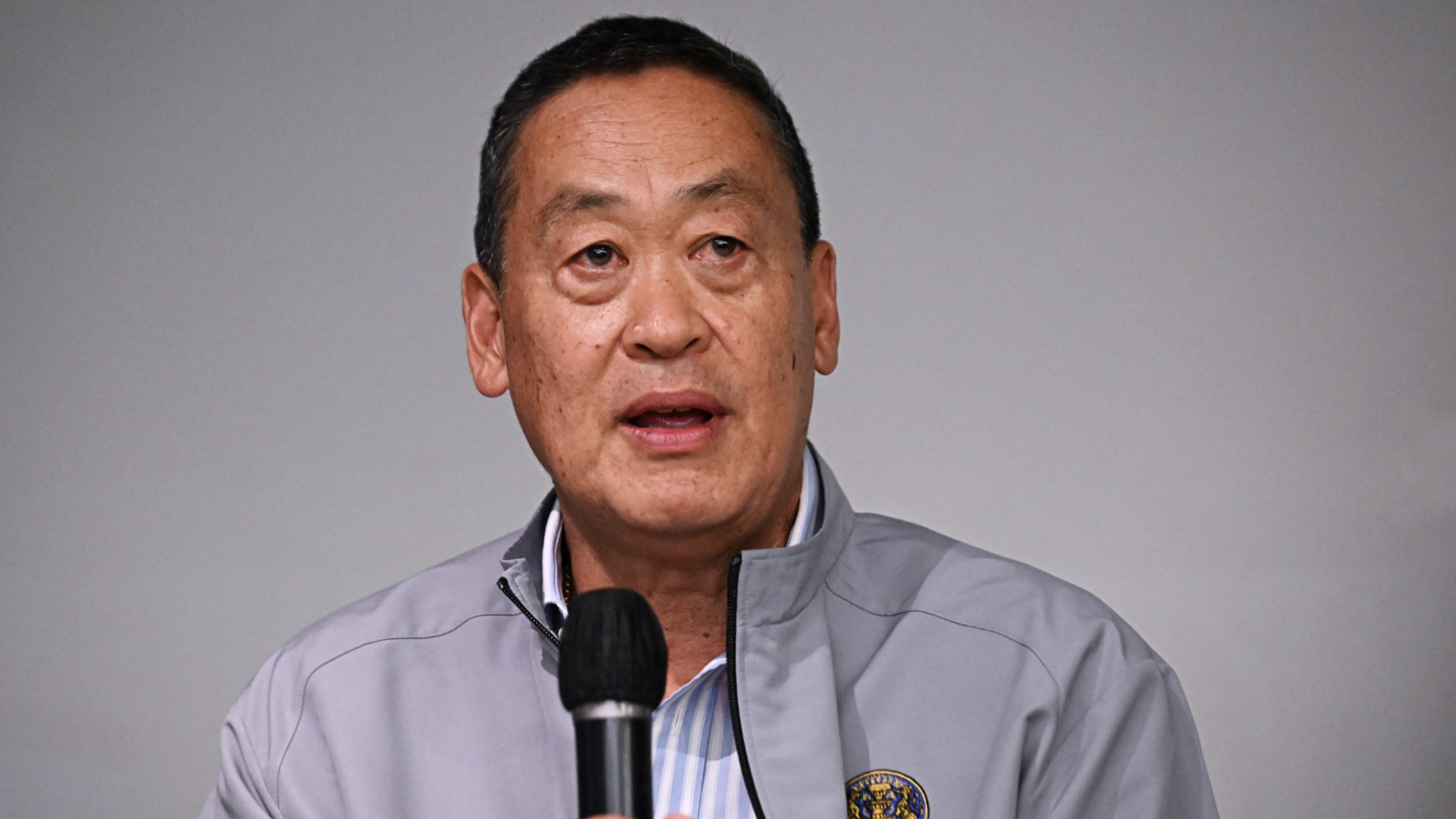
"It's normal to have problems on the first day, but we are doing our best," said Prime Minister Srettha Thavisin, the program biggest advocate.
ALSO READ: Thai PM seeks extra $3.4 billion for stimulus program
The lower house late on Wednesday approved an additional 122 billion baht for 2024's fiscal year to help fund the digital wallet, but Senate and royal endorsement is still required.
The program will be launched in two months and entails transferring 10,000 baht of credit to users via a smartphone application, to be spent in their localities within six months.
Millions of retailers are expected to apply and join the scheme, from major malls and supermarket chains to noodle vendors and family-run convenience stores.
The Finance Ministry expects the economy to grow 2.7 percent this year, supported by tourism and exports, while the government believes the handout program could add 1.2 to 1.8 percentage points to growth next year.
Srettha said the policy's objective was to stimulate regional economic activity so that it not be concentrated in cities.
About half of Thailand's population live in urban areas, according to the World Bank.
READ MORE: Thai PM eyes multibillion dollar handout program by May
Of the 50 million people eligible, the government expects an uptake of 45 million. Thais who earn more than 840,000 baht per year or have 500,000 baht ($14,077) in their bank accounts are not eligible.
