

Govt plans to criminalize bid-rigging, boosting transparency in projects
The Hong Kong Special Administrative Region government announced a reform package on Thursday aimed at addressing the institutional deficiencies exposed by the deadly Wang Fuk Court fire last year.
Measures included cracking down on bid-rigging, tightening building-maintenance regulations, improving departmental operations, and establishing a high-level mechanism to ensure the reforms’ implementation.
On Nov 26, 2025, a blaze ripped through Wang Fuk Court in Tai Po, killing 168 people and displacing nearly 2,000 families.
READ MORE: HKSAR unveils reforms after Tai Po fire inquiry
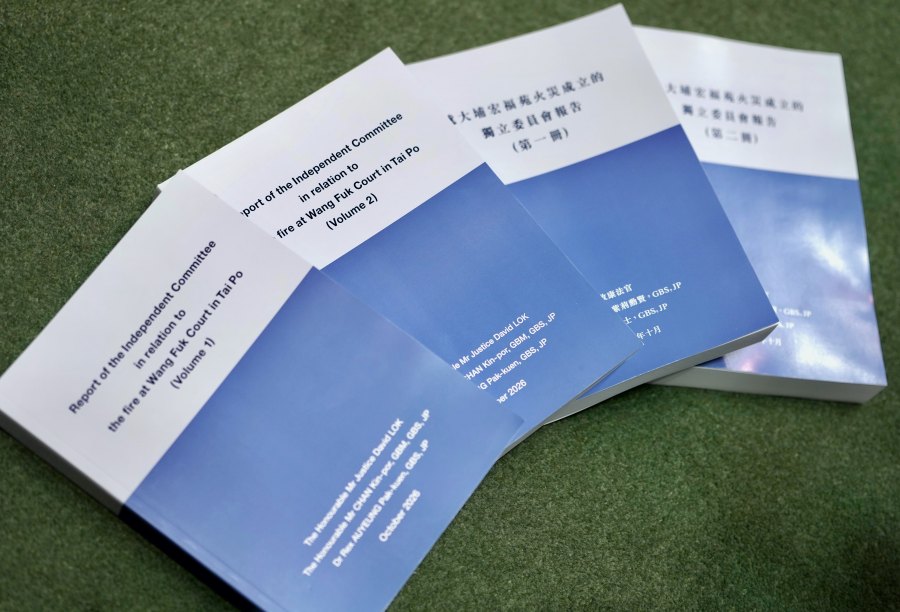
A judge-led independent committee was formed shortly after the disaster to examine the causes of the fire. After 10 months of work, the panel submitted its final report to the government on Oct 22, outlining its analysis of the cause of the fire, the deficiencies it found during the inquiry, and the committee’s recommendations to improve the system.
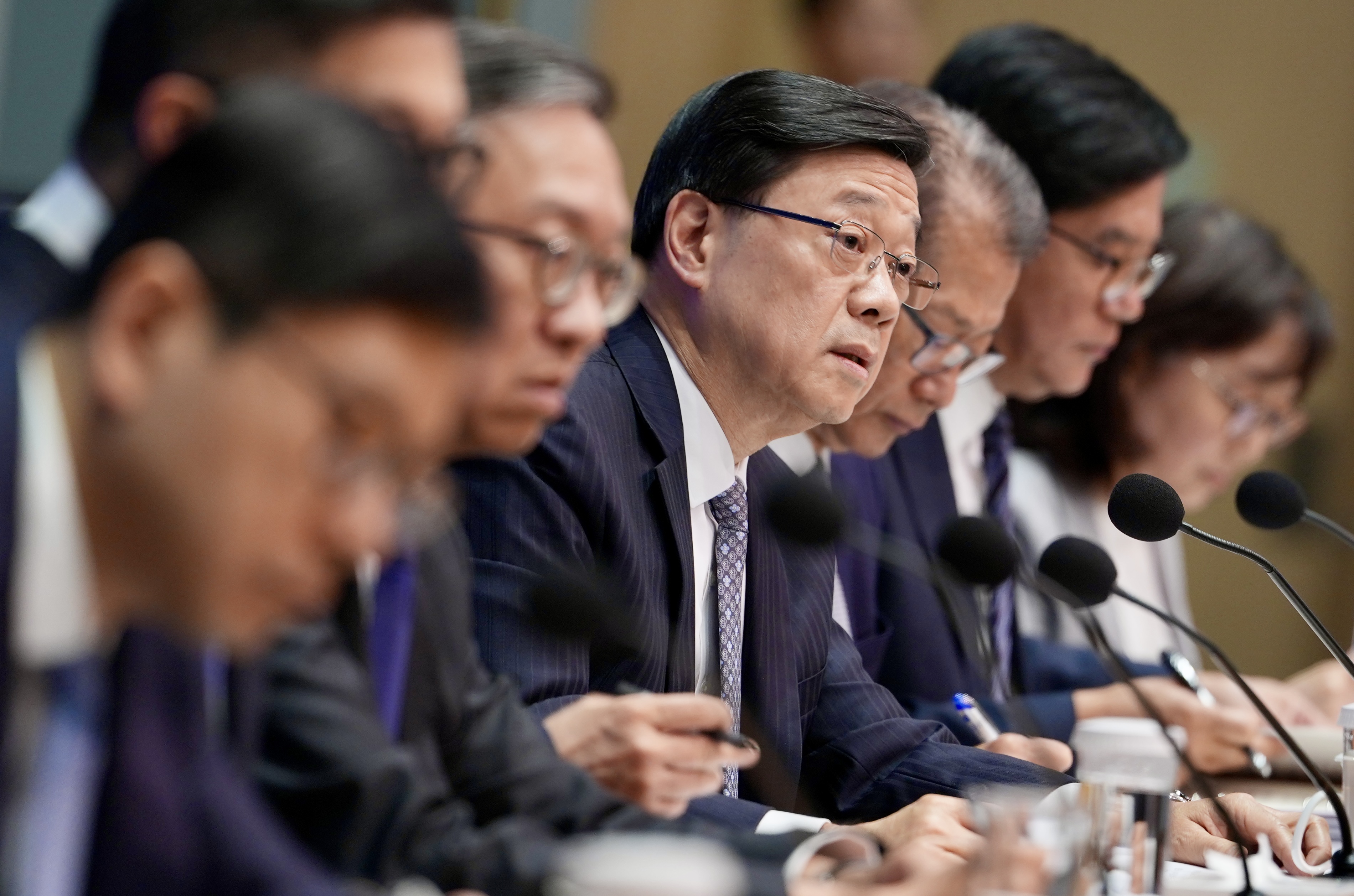
At a news conference on Thursday, Hong Kong Chief Executive John Lee Ka-chiu and several principal officials bowed in apology to the public.
Lee announced that he had accepted the resignation of Winnie Ho Wing-yin, the city’s secretary for housing since 2022, after she took political responsibility for the fire. The resignation awaits approval from the central government.
Wang Fuk Court lay within the remit of the Housing Bureau’s Independent Checking Unit (ICU), and therefore the bureau head should bear political accountability for the incident, he explained.
Reiterating his deep sadness over the tragedy, Lee unveiled a package of comprehensive reforms based on the report’s recommendations.
Lee said the government will criminalize bid-rigging in building maintenance and renovation. The practice, long identified by authorities as the root cause of problems plaguing the sector, involves companies resorting to unfair means to secure projects.
Secretary for Justice Paul Lam Ting-kwok said the effort will involve changes to several laws, including the Competition Ordinance and the Organized and Serious Crimes Ordinance. The proposed maximum penalties for the new bid-rigging offense are 10 years in prison and fines — either capped at HK$10 million ($1.27 million) or calculated based on illicit gains or local turnover.
The government will also authorize law enforcement agencies, through amendments, to conduct questioning, freeze assets, and confiscate criminal proceeds in probes related to the new offense, while empowering courts to hand down heavier sentences when warranted.
A cross-departmental task force, comprising members of the Police Force, the Independent Commission Against Corruption, and the Competition Commission, will crack down on crimes related to bid-rigging.
Authorities have proposed setting up a Building Maintenance Support and Services Council to provide independent, reliable and professional services to property owners at various stages of building maintenance and renovation.
READ MORE: 'SAR govt demonstrates commitment, courage' over Tai Po fire
The new council will also take over support services related to building maintenance that are currently provided by the Urban Renewal Authority, aiming to begin operating by the end of this year.
Financial Secretary Paul Chan Mo-po said HK$300 million has been reserved for the body’s operation: HK$100 million as its start-up capital, and HK$200 million as cost subsidies for property owners who use the service.
The government will also tighten building maintenance regulations and restructure several departments to strengthen supervision.
The report cited shortcomings at four government bodies — the ICU, Buildings Department, Fire Services Department and Labour Department — noting systemic flaws in regulatory design and enforcement at the Buildings Department and ICU.
The Buildings Department will establish two divisions — the New Buildings Division and the Existing Buildings Division — to strengthen leadership and coordination.
The ICU under the Housing Bureau will be replaced by a Public Housing Building Control Section, which is expected to implement a new regulatory regime by operating on a project basis.
ALSO READ: HK reforms to restrain graft in building works
The Fire Services Department will establish a Major Fire Prevention and Control Command tasked with formulating contingency plans for high-risk scenarios, monitoring and controlling fire risks in buildings undergoing major maintenance and renovation works, and coordinating technology applications.
Meanwhile, the government also proposes the establishment of a cross-departmental centralized data system for information about building maintenance and renovation works to enhance data-sharing among departments.
The system will also use artificial intelligence to sort out information, and to flag recurring complaints for officials’ attention.
A new steering committee, headed by the chief secretary for administration, will be formed to drive reforms, review implementation, and submit proposed legal amendments to the Legislative Council.
Lee said disciplinary inquiries will be launched by the Public Service Commission into gaps in the government bodies that the report found responsible for the Wang Fuk Court fire. The inquiries will be completed within three months, he said.
Contact the writers at wanqing@chinadailyhk.com
