

Move to curb low-price competition, pushing aside outdated capacity
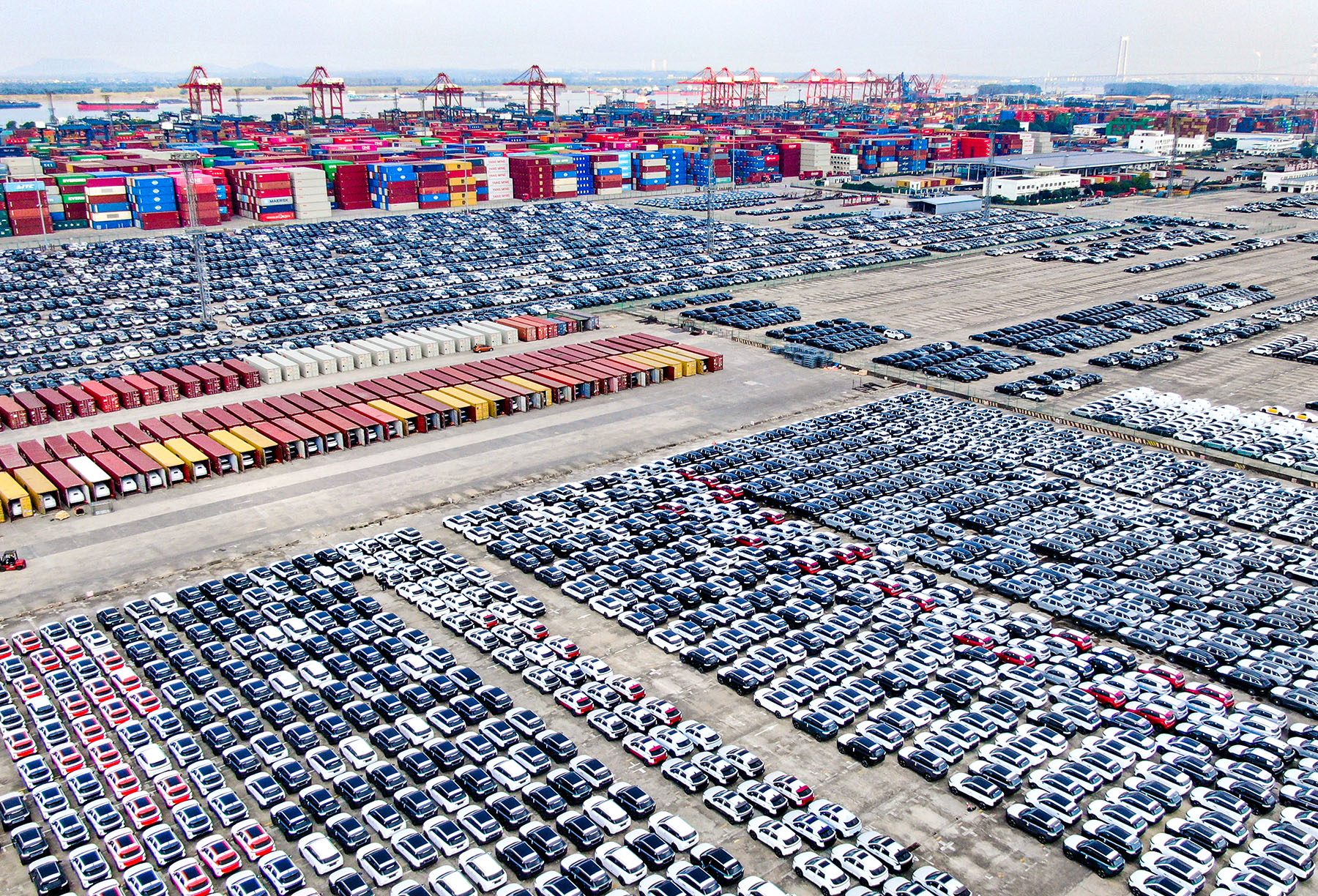
China will lower the value-added tax export rebate rate for new energy vehicles from 13 percent to 9 percent starting April 1, 2027, in a move analysts said is designed to curb cutthroat price wars abroad and push the industry toward healthier innovation and brand-driven competition.
The announcement — jointly issued by the Ministry of Finance and the State Taxation Administration on Monday — also scraps the VAT export rebate for certain products, including electronic cigarette devices. For products subject to consumption tax, export consumption tax policies will remain unchanged, with existing rebate and exemption rules remaining in place. The applicable rebate rate will be determined by the export date stated on the relevant customs declaration form.
Market observers have anticipated the adjustment.
READ MORE: Exports fuel sales figures in September
Industry analysts said the move is aimed at curbing low-price export competition, pushing aside outdated capacity and driving the industry toward technology and brand-driven competition. It is also expected to accelerate a shift toward "capacity going global", benefiting leading firms with established overseas production and strong brand equity.
Luo Zhiheng, chief economist and head of the research institute at Yuekai Securities, characterized the issue as a balance between "tax logic" and "economic logic".
From a fiscal standpoint, export rebates ensure goods leave the country tax-free, in line with international practice. From an economic standpoint, however, the level of rebates affects the international competitiveness of exporters. Adjustments, therefore, require weighing the industry life cycle, competitiveness, domestic price competition, the global trade environment and fiscal conditions, he said.
Luo said tax support should correspond with the industry life cycle: emerging industries may receive stronger backing, but once established, they should rely more on natural market forces and on technological innovations. Lowering rebates can reduce cutthroat cost competition and shift firms from price wars to technology and brand competition.
Zhou Mi, a senior researcher at the Chinese Academy of International Trade and Economic Cooperation, described export rebates as a normal trade policy tool designed to ensure fair trade and prevent domestic firms from being disadvantaged abroad by higher VAT rates.
The adjustment, Zhou said, is a signal to the market rather than a shock. "From 13 to 9 percent — this kind of adjustment is very common," he said, adding that it reflects a relative easing of product competitiveness and "is not necessarily a bad thing".
Exporters may raise prices, which would reflect new supply-demand dynamics, he said, adding that the moderate scale of the cut gives companies a buffer period.
ALSO READ: China's NEV share of new car sales hits record 61.6% in September
Chinese NEV makers will continue to define their internationalization path, reassessing trade and investment arrangements and cooperation models with foreign partners, Zhou said, urging firms to evaluate which products are affected and optimize their layouts, adding that NEVs still enjoy broad market demand and considerable room to meet the needs of markets worldwide.
The Ministry of Industry and Information Technology said Chinese automakers have invested in vehicle and parts manufacturing in more than 80 countries and regions, with Chinese vehicles sold in over 200 countries and regions.
Hao Lishun, deputy director of the ministry's first equipment industry department, said that during the 15th Five-Year Plan period (2026-30), the MIIT will deepen international trade and investment cooperation, improve cross-border logistics, enhance investment and financing services, strengthen overseas risk prevention and corporate compliance, and guide NEV companies to steadily expand abroad in an orderly manner.
Hao said the intelligent connected NEV industrial chain is long and broad — spanning vehicles, parts, automotive chips and industrial software — and no single company or country can build a complete technological and industrial ecosystem on its own.
Contact the writers at masi@chinadaily.com.cn
